Marquee Text
Limited-Time Discount: Save $50 on Your First Service as a New Customer!
A guide to pest free property management
Property Management

A Guide To Pest-Free Property Management

A guide To Pest-Free Property Management Conducting regular property inspections for pests is a critical aspect of maintaining a healthy and pest-free environment in both residential and commercial buildings. By following a proactive approach and implementing effective pest control strategies, property managers can create a comfortable and safe living and working environment for occupants. In this comprehensive guide, we’ll explore the steps to conduct property inspections, essential building maintenance practices for pest control, and tips for educating tenants about pest prevention, with a focus on New York City where pest issues are prevalent. Property Inspections for Pest Control: Scheduling regular inspections:  Establish a routine schedule for property inspections to proactively monitor for pest activity. The frequency of inspections may vary depending on the property type, location, and history of pest problems. Identifying Common Pests:  Familiarize yourself with common pests in your area, such as rodents, cockroaches, ants, bed bugs, and termites. Understand the signs of infestations and the areas where pests are likely to hide or enter the building. Inspecting exterior areas:  Start the inspection by examining the exterior of the building, including the foundation, walls, roof, and landscaping. Look for cracks, gaps, and openings that pests could use to enter the building. Check for signs of pest activity, such as droppings, nests, or chew marks. Checking entry points:  Focus on entry points like doors, windows, vents, pipes, and utility lines. Ensure that these entry points are properly sealed and secured to prevent pests from gaining access to the interior of the building. Inspecting Common Areas and Tenant Units:  Thoroughly inspect common areas, hallways, basements, storage areas, and utility rooms where pests are more likely to hide or nest. Look for signs of pest activity, such as droppings, gnaw marks, damaged materials, or unusual odors. If allowed by the lease agreement, conduct inspections of tenant units to check for signs of pest infestations. Communicate with tenants to schedule inspections and address any pest issues identified during the inspection. Addressing moisture issues:  Moisture can attract pests like cockroaches, ants, and rodents. Inspect for leaks, standing water, condensation, and damp areas that could promote pest infestations. Address any moisture issues promptly to prevent pest problems. Documenting Findings:  Keep detailed records of your inspections, including the areas inspected, findings, pest activity observed, and any corrective actions taken. Documentation can help track pest trends, monitor pest control efforts, and demonstrate compliance with regulations. Collaborating with Pest Control Professionals:  If pest issues are identified during the inspection, work with licensed pest control professionals to develop a treatment plan tailored to the specific pest problem. Follow up with post-treatment inspections to ensure effectiveness. Educating Tenants:  Provide tenants with information on pest prevention, signs of infestations, and reporting procedures. Encourage tenants to report any pest sightings promptly to facilitate timely intervention and control. Building Maintenance Practices for Pest Control:  Proper building maintenance is essential for effective pest control in residential and commercial buildings. By implementing preventive measures and addressing maintenance issues promptly, property managers can help minimize the risk of pest infestations. Here are some building maintenance practices that can support pest control efforts: Sealing Entry Points:  Inspect the building regularly for cracks, gaps, and holes that pests can use to enter the premises. Seal these entry points using caulk, weather stripping, or other appropriate materials to prevent pests like rodents, cockroaches, and ants from gaining access. Maintaining Cleanliness:  Keep common areas, hallways, and storage areas clean and free of debris. Regularly clean up spills, dispose of trash properly, and remove clutter that can provide hiding spots for pests. Proper Waste Management:  Implement a proper waste management system, including trash disposal guidelines for tenants. Ensure that garbage bins are emptied regularly, stored in sealed containers, and located away from the building to prevent pest attraction. Landscaping Maintenance:  Maintain the landscaping around the building to reduce pest habitats. Trim bushes and trees away from the structure, remove standing water, and address any drainage issues to prevent pests like mosquitoes and rodents. Regular Inspections:  Conduct regular inspections of the building to identify potential pest entry points, signs of infestations, and conditions conducive to pest activity. Address any issues promptly to prevent pest problems from escalating. Proper Storage: Encourage tenants to store food in airtight containers and to keep storage areas organized and clutter-free. Proper food storage can help prevent pests like pantry pests and rodents from accessing food sources. Pest-Proofing Measures:  Install pest-proofing devices such as door sweeps, window screens, and air vents with mesh screens to prevent pests from entering the building. Consider installing pest control devices like traps and baits in strategic locations. Collaborating with Pest Control Professionals:  Work with licensed pest control professionals to develop an integrated pest management (IPM) plan for the building. Regularly schedule inspections and treatments as needed to prevent and control pest infestations effectively. Tenant Education:  Educate tenants about their role in pest control prevention, including proper sanitation practices, reporting pest sightings promptly, and cooperating with pest control efforts. Provide tenants with information on common pests, signs of infestations, and preventive measures. Educating Tenants about Pest Control Prevention in NYC: Educating tenants about pest control prevention is crucial in New York City, where pests like cockroaches, rodents, bed bugs, and others can be common issues in residential buildings. Here are some tips and information that can be helpful for tenant education about pest control prevention in NYC: Keeping Living Spaces Clean: Encourage tenants to maintain a clean living environment by regularly cleaning up spills, crumbs, and food debris. Pests are attracted to food sources, so reducing these attractants can help prevent infestations. Proper Garbage Disposal:  Instruct tenants to properly dispose of garbage in sealed containers and to take out the trash regularly. Leaving garbage exposed can attract pests like cockroaches and rodents. Sealing Entry Points: Inform tenants about the importance of sealing cracks, gaps, and holes in walls, floors, and around pipes to prevent pests from entering the unit. This can help keep out pests like mice and roaches. Reporting Maintenance

Strategies for Detection and Prevention From Termite Infestation
Termites

Strategies for Detection and Prevention from Termite Infestation

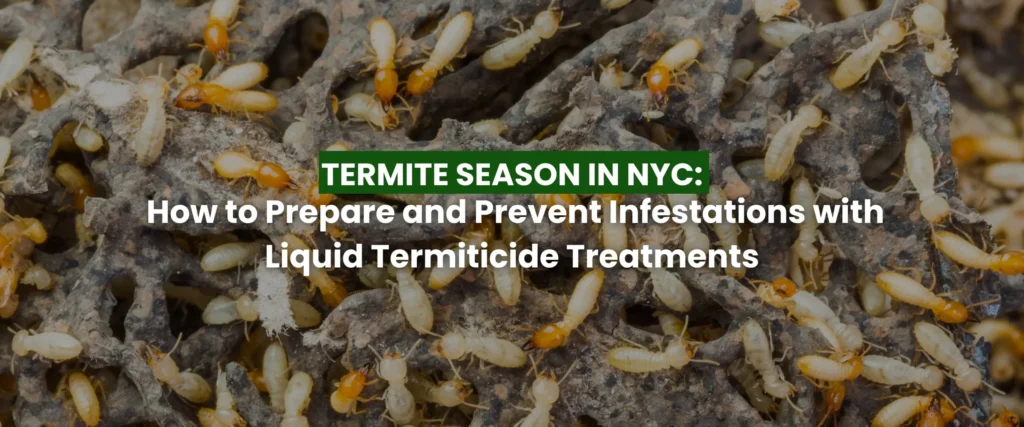
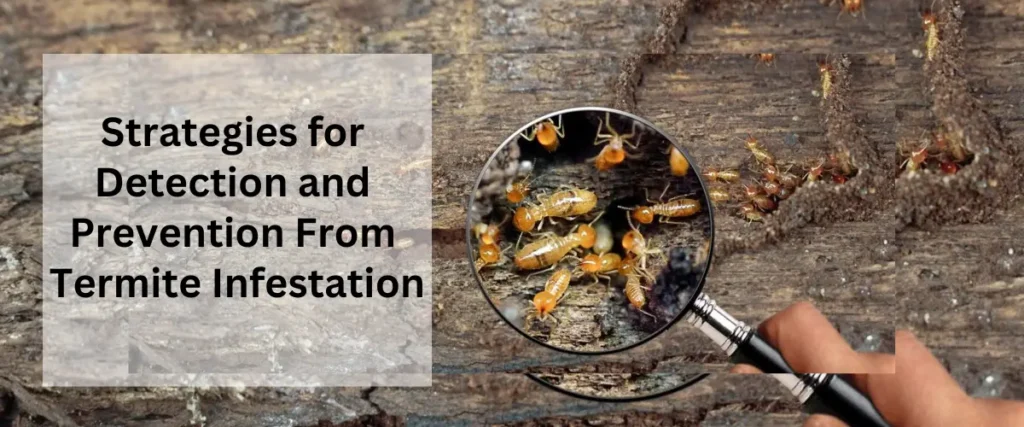
Strategies for Detection and Prevention From Termite Infestation How Termites cause destruction: Termites are notorious for their destructive capabilities, wreaking havoc on buildings, structures, and even furniture. Here’s how these tiny pests can cause significant damage: Wood Consumption: Termites feed on cellulose, a key component of wood. They tunnel through wooden structures, consuming the material from the inside out. Over time, this relentless feeding can weaken the structural integrity of wooden beams, flooring, furniture, and other components. Hollowing Out: As termites tunnel through wood, they create hollow spaces within the structure. This hollowing weakens the wood, making it more susceptible to collapse or damage from external forces such as wind or pressure. Structural Damage: In severe infestations, termites can cause extensive structural damage to buildings and homes. They may target load-bearing elements like support beams, causing floors, walls, or even entire structures to become unstable and unsafe. Compromised Foundations: Subterranean termites, which nest underground, can target the foundation of a building. By tunneling through the soil and into the foundation, they compromise its stability, leading to structural issues and potential collapse. Damage to Other Materials: While termites primarily target wood, they can also damage other materials containing cellulose, such as cardboard, paper, and certain types of insulation. This can lead to additional problems and losses beyond wooden structures. Costly Repairs: Repairing termite damage can be expensive and time-consuming. Depending on the extent of the infestation and the damage caused, repairs may involve replacing structural elements, treating affected areas with pesticides, and implementing preventive measures to deter future infestations. Hidden Infestations: One of the most insidious aspects of termite damage is that it often goes unnoticed until significant harm has already occurred. Termites can infest hidden areas within walls, floors, and ceilings, making detection challenging until the damage becomes severe. Signs of Termite Infestation: Termite infestations can indeed wreak havoc on buildings and structures, leading to costly damages if left unchecked. Recognizing the signs of termite activity is crucial for early detection and intervention. Here are some common indicators to watch out for: Mud tubes: Subterranean termites, which are common in many regions, build mud tubes to provide moisture and protection as they travel between their nests and a food source. These pencil-sized tubes may be found along walls, foundations, and other surfaces. Wood damage: Termites feed on wood from the inside out, so wood that has been infested by termites may sound hollow when tapped. You may also notice damaged or weakened wood that appears to have been eaten away by termites. Discarded wings: Swarmers, or reproductive termites, will often shed their wings after swarming to establish new colonies. Finding discarded termite wings near windowsills, doors, or other entry points may indicate a termite swarm in the vicinity. Termite droppings: Drywood termites produce tiny fecal pellets that they push out of their galleries. These pellets, which resemble sawdust or coffee grounds, may accumulate in small piles near infested wood. Blisters in wood flooring: Subterranean termites can cause blistering or darkening of wood flooring as they feed and create tunnels beneath the surface. Hollow-sounding timber: When tapping on wood that is infested with termites, it may produce a hollow or papery sound due to the damage caused by the pests. Tunnels in wood: Termites may create tunnels or galleries within wood as they feed and travel through the structure. These tunnels may be visible on the surface of the wood. Sagging or buckling floors: In severe cases of termite infestation, the structural integrity of wood flooring or other wooden components may be compromised, leading to sagging or buckling of the affected areas. Presence of termite swarmers: During the spring or fall, depending on the species, you may observe termite swarmers (winged reproductive termites) emerging in large numbers from colonies to mate and establish new colonies. Finding swarmers indoors or near light sources is a strong indicator of an active termite infestation. If you suspect that you have a termite infestation or notice any of these signs of termite activity in your home or building, it’s crucial to contact a pest control professional for a thorough inspection and appropriate treatment. Early detection and intervention can help prevent extensive damage caused by termites. Termite Inspections: Termite inspections are essential for detecting termite activity and assessing the extent of infestations in homes, buildings, and other structures. Pest control professionals typically use a combination of tools and techniques to conduct thorough termite inspections. Here are some common tools used during termite inspections: Flashlight: A flashlight is a basic tool used to illuminate dark and hard-to-reach areas, such as crawl spaces, attics, basements, and areas under sinks, to look for signs of termite activity. Moisture meter: Termites are attracted to moisture, so a moisture meter is used to detect elevated moisture levels in wood and building materials, which can indicate conditions conducive to termite infestations. Termite detection devices: Various termite detection devices are available, such as acoustic devices that listen for termite activity within wood, and microwave devices that can detect termites through walls and other structures. Termite probes: Termite probes are used to probe and tap wooden surfaces to detect hollowed-out wood and termite tunnels. This helps inspectors identify areas of termite damage that may not be visible on the surface. Boroscope: A boroscope is a flexible, fiber-optic tool that allows inspectors to visually inspect hard-to-reach areas, such as wall voids, behind baseboards, and within plumbing lines, for signs of termite activity. Termite bait stations: Ground termite treatments, specifically designed to target subterranean termites, focus on eliminating colonies nesting in the soil surrounding the structure. By creating a protective barrier or using baiting systems, ground termite treatments provide long-lasting protection against these destructive pests. Drill and probing tools: In some cases, inspectors may need to drill small holes in walls, floors, or other structures to access hidden areas and probe for termite activity. Thermal imaging cameras: Thermal imaging cameras can detect temperature variations in building materials, which may indicate termite activity or moisture problems.

The Evolution of Pest Control Embracing Non-Toxic Solutions (1)
Eco-Friendly Pest Control

Embracing Non-Toxic green pest control Solutions

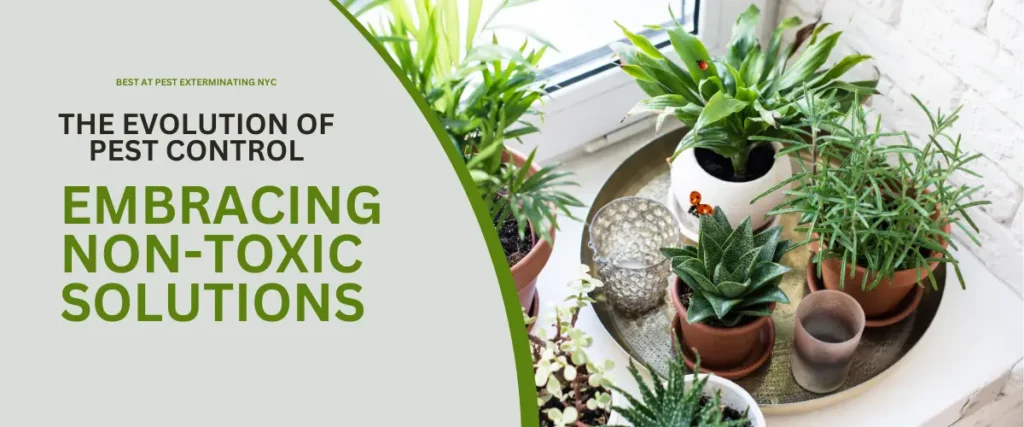
Embracing Non-Toxic Green Pest Control Solutions In recent years, the field of pest control has undergone a significant evolution, shifting towards non-toxic and eco-friendly solutions. This paradigm shift reflects a growing awareness of the adverse effects of traditional pesticides on both the environment and human health. As we continue to prioritize sustainability and environmental stewardship, the demand for green pest control services is expected to rise. Transitioning to Eco-Friendly Practices The transition to eco-friendly pest control practices requires a multifaceted approach. This includes: Education and Awareness: Increasing public awareness about the benefits of green pest control is crucial. By educating consumers about the environmental and health risks associated with traditional pesticides, we can empower them to make informed choices. Regulatory Support: Government agencies play a vital role in promoting the use of eco-friendly pest control methods. By implementing regulations that encourage the adoption of non-toxic alternatives, policymakers can drive industry-wide change. Research and Innovation: Investing in research and development is essential for advancing the field of green pest control. By exploring new technologies and methods, we can improve the efficacy and accessibility of eco-friendly pest management solutions. Understanding Green Pest Control Green pest control, also known as eco-friendly or organic pest control, focuses on using methods and products that are safe for the environment, humans, and pets. Unlike traditional pest control methods that rely heavily on chemical pesticides, green pest control utilizes natural and non-toxic alternatives to manage pest populations. Benefits of Green Pest Control 1. Environmental Safety One of the primary benefits of green pest control is its minimal impact on the environment. By using natural products and methods, green pest control helps preserve biodiversity and protect ecosystems from the harmful effects of chemical pesticides. 2. Healthier Living Spaces Traditional pesticides can pose serious health risks to humans and pets, especially with prolonged exposure. Green pest control eliminates these risks by using non-toxic solutions, making your living or working environment safer and healthier for everyone. 3. Sustainable Solutions Green pest control emphasizes long-term solutions that address the root causes of pest infestations. By focusing on prevention and sustainable practices, such as habitat modification and biological control, green pest control offers effective and lasting results without relying on harmful chemicals. Implementing Green Pest Control Strategies 1. Green Tree Pest Control For homeowners and arborists looking to protect their trees from pests without harming the environment, green tree pest control offers a natural solution. Methods such as pruning, tree banding, and the introduction of beneficial insects can effectively manage pest populations while preserving the health of your trees. 2. Pest Control for Trees Whether you’re dealing with aphids, borers, or other tree-damaging pests, eco-friendly pest control methods can help safeguard your trees. Utilizing techniques like integrated pest management (IPM) and organic sprays, pest control for trees focuses on minimizing harm to the environment while effectively controlling pests. 3. Green Pest Control in NYC In urban environments like New York City, green pest control is gaining popularity as residents seek safer alternatives to traditional pest control methods. With options such as non-toxic insect control and biocontrol pest management, NYC residents can keep their homes and businesses pest-free without compromising environmental or public health. 4. Organic Pest Control in NYC Organic pest control methods are becoming increasingly popular in NYC, where environmental concerns are paramount. From eco-friendly repellents to botanical insecticides, organic pest control offers effective solutions for managing pests in residential and commercial settings while promoting sustainability and safety. Key principles of green pest management: Prevention: Emphasizing prevention techniques such as sealing cracks and crevices, removing sources of food and water, and maintaining a clean environment to reduce pest access and survival. Monitoring: Regularly inspecting for pests to detect problems early and accurately identify the type of pest infestation. Non-chemical control methods: Using mechanical, physical, or biological control methods to manage pests, such as traps, barriers, beneficial insects, and habitat modifications. Least-toxic chemical control: If chemical control is necessary, using the least toxic products available and applying them in targeted areas to minimize exposure to people, pets, and beneficial organisms. Organic Pest Control Methods: Organic pest control involves using natural methods to manage and eliminate pests without relying on synthetic chemicals. This approach is favored by many gardeners and farmers who are concerned about the potential negative impact of chemical pesticides on the environment, beneficial insects, and human health. Here are some common organic pest control methods: Hand picking: This involves physically removing pests from plants by hand. It is effective for larger pests like caterpillars, beetles, and slugs. Biological control: This method involves using natural predators, parasites, or pathogens to control pest populations. For example, introducing ladybugs to control aphids or using nematodes to target specific pests in the soil. Beneficial insects: Attracting or releasing insects that feed on pests can help keep pest populations in check. Ladybugs, lacewings, and parasitic wasps are examples of beneficial insects. Companion planting: Planting certain species of plants together can help repel pests or attract beneficial insects. For example, planting marigolds can help repel nematodes, while planting basil near tomatoes can improve their growth and flavor. Azadirachta Indica oil: Azadirachta Indica oil is a natural insecticide derived from the Azadirachta Indica tree. It is effective against a wide range of pests and is considered safe for beneficial insects. Insecticidal soaps and oils: These products are made from natural ingredients and can be used to control soft-bodied insects like aphids, spider mites, and whiteflies. Diatomaceous earth: This powdery substance is made from fossilized remains of diatoms and can be used to control pests like ants, slugs, and beetles by disrupting their outer protective layer. Crop rotation and soil health: Practicing crop rotation and maintaining healthy soil can help reduce pest populations by disrupting their life cycles and promoting plant health. It’s important to note that while organic pest control methods are generally safer and more environmentally friendly than chemical pesticides, they may require more frequent applications and monitoring to be effective. Integrated pest management (IPM),

The Intriguing World of Rodent Behaviors
Rodents Control

The Intriguing World of Rodent Behavior

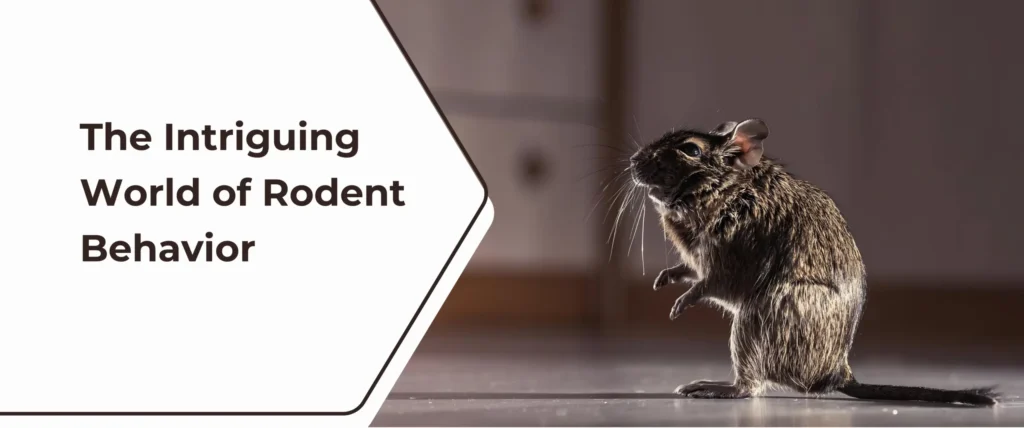
The Intriguing World of Rodent Behavior Throughout history, rodents have been both admired and vilified, yet their behavior remains an enigma to many. Whether scurrying through urban alleyways or navigating dense forests, rodents demonstrate remarkable resilience and adaptability. By uncovering the secrets of their behavior, we gain valuable insights not only into the lives of these often misunderstood creatures but also into the broader principles of animal behavior and ecology.  What are the things that attract rodents most? Rodents are attracted to homes, food facilities, and residential buildings for several reasons. Some of the common factors / things attract rodents include: 1. Food sources: Rodents are attracted to places where they can easily find food. Leaving food crumbs or open containers of food accessible can draw rodents into homes and buildings. 2. Water sources: Rodents need water to survive, so any sources of standing water or leaks can attract them. 3. Shelter: Rodents seek shelter in warm, safe places where they can build nests and reproduce. Gaps in walls, ceilings, or floors provide entry points for rodents seeking shelter. 4. Clutter: Piles of clutter or debris provide rodents with hiding places and nesting materials. 5. Poor sanitation: Dirty or unsanitary conditions can attract rodents looking for places to scavenge for food and materials. 6. Warmth: Rodents are attracted to warm areas, especially during the colder seasons. Buildings with easy access to warmth, such as through heating systems or vents, can be appealing to rodents. To control rodents from being attracted to homes and buildings, it is important to eliminate these attractants by practicing good hygiene, sealing entry points, storing food properly, and maintaining a clean and clutter-free environment. Why do food sources play a vital role? Role of Food Sources in Rodent Behavior Food sources play a significant role in the behavior and activity of rodents. These pests are opportunistic feeders with a keen sense of smell that allows them to detect even small amounts of food. Once rodents identify a potential food source, they will often return to the area repeatedly, leading to infestations if the issue is not addressed promptly. Common Food Sources for Rodents Rodents are attracted to a wide variety of foods, including grains, seeds, fruits, vegetables, meat, pet food, and garbage. In homes and residential buildings, common food things attract rodents most include open food containers, crumbs, spills, improperly stored food, and even pet food left out in the open. Similarly, food facilities such as restaurants, grocery stores, and warehouses are particularly attractive to rodents due to the abundance of food available in these environments. Impact on Rodent Population The presence of food not only provides sustenance for rodents but also serves as a powerful incentive for them to establish nests and breeding populations nearby. Rodents are known to reproduce rapidly, with a single pair capable of producing multiple litters in a short period. As such, the availability of food can quickly lead to a burgeoning rodent population if left unchecked. Olfactory Sensitivity to Food Odors In addition to the direct attraction of food, the scent of food residues can also guide rodents to potential food sources. Rodents have highly sensitive olfactory senses that allow them to detect food from a distance. Food odors can linger in the air and on surfaces, serving as beacons for rodents searching for a meal. Influence of Food Handling Practices The way in which food is stored and handled can also impact the attraction of rodents. Improperly stored food, spills, and food waste left exposed can easily lure rodents into homes and buildings. Crumbs and food particles left on countertops, floors, and in hard-to-reach areas serve as easy pickings for hungry rodents, encouraging them to explore further in search of more food. Appeal of High-Calorie Foods Moreover, the type of food available can influence the extent to which rodents are attracted to a particular location. High-calorie, high-protein foods are especially appealing to rodents due to their nutritional value and energy content. Foods with strong odors or flavors can also attract rodents from a distance, drawing them in with the promise of a satisfying meal. Exploitation of Vulnerabilities Rodents are adept at exploiting vulnerabilities in food storage and handling practices. They can gnaw through packaging, squeeze through small openings, and navigate through tight spaces to access food sources. Once rodents have identified a food source, they will often establish pathways and burrows to facilitate repeated access to the food supply. Risks of Rodent Infestations The presence of food attractants can create conditions conducive to rodent infestations, posing risks to human health and property. Rodents are known carriers of diseases, pathogens, and parasites that can be transmitted to humans through direct contact or contamination of food and surfaces. In food facilities, rodent infestations can result in regulatory violations, loss of inventory, damage to property, and reputational harm. Effective rodent control and prevention strategies focus on eliminating food attractants and denying rodents access to food sources.  What do mice like to eat?  Mice are opportunistic feeders and like to eat a wide variety of foods. They are omnivores, meaning they consume both plant and animal matter. Some common foods that mice like to eat include: 1. Grains:  Mice are particularly fond of grains such as cereal grains, oats, wheat, rice, and corn. 2. Seeds and nuts:  Mice enjoy seeds and nuts like sunflower seeds, pumpkin seeds, and various types of nuts. 3. Fruits and vegetables:  Mice will consume a variety of fruits and vegetables, including apples, bananas, carrots, and lettuce. 4. Sweets:  Mice have a sweet tooth and are attracted to sugary foods like chocolate, candies, and sweetened cereals. 5. Protein sources:  Mice also seek out protein-rich foods such as meat, fish, eggs, and cheese. 6. Pet food:  Mice may feed on pet food left out in open containers or bowls. 7. Insects:  Mice are known to eat insects such as beetles, cockroaches, and ants. 8. Food scraps and crumbs:  Mice will scavenge for food scraps and crumbs left behind on

effective way to get rid of pigeons
Pigeons

how to outsmart winged city dwellers in NYC to reclaim your urban space

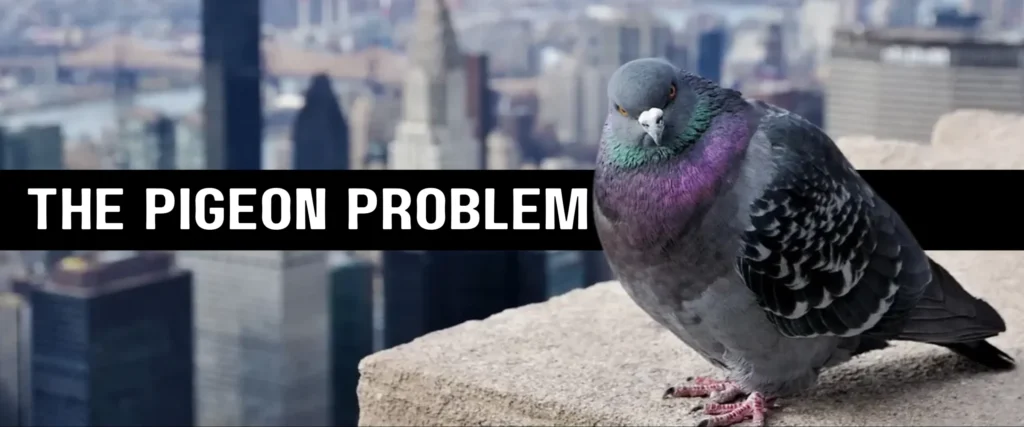
How to outsmart winged city dwellers in NYC to reclaim your urban space Dealing with pigeons nesting and roosting on or near your property can be a nuisance and potentially lead to health and property damage issues. Here are some effective way to get rid of pigeons and birds which can be taken to address the problem of pigeons nesting and roosting: Identify nesting and roosting sites: Locate where the pigeons are nesting and roosting. Common areas include ledges, roofs, eaves, rafters, and trees near buildings. Remove food and water sources: Pigeons are attracted to areas with readily available food and water. Ensure that outdoor food sources, such as spilled birdseed, garbage, and pet food, are cleaned up to discourage pigeons sitting in the area. It has proved to be an effective way to get rid of pigeons. Block access to nesting sites: Prevent pigeons from accessing their preferred nesting and roosting sites by using physical barriers such as bird netting, spikes, wire mesh, or bird slope devices. These barriers can deter pigeons from landing and nesting on your property. Trim vegetation: Remove or trim trees, bushes, and other vegetation near your property that provide roosting or nesting spots for pigeons. Scare tactics: Use visual deterrents such as reflective objects, predator decoys, or motion-activated devices to scare away pigeons. These methods can disrupt their sense of safety and make them seek shelter elsewhere. Repellents: Consider using bird repellents like taste aversions or bird gel to make roosting sites undesirable for pigeons. Always follow the instructions on the repellent products carefully. Professional assistance: If the pigeon problem persists or if it is severe, consider seeking help from professional pest control or wildlife management services. They can assess the situation and provide effective solutions tailored to your specific needs. It’s important to address pigeon nesting and roosting issues promptly to prevent potential property damage, health hazards from droppings, and nuisance behavior. By implementing these strategies and taking proactive measures, you can mitigate the problems associated with pigeons and birds control on your property. How to get rid of pigeons on roof top: Getting rid of pigeons from your roof can be challenging, but there are several strategies you can try to deter them effectively. Here are some methods to consider for removing pigeons from your roof: Install bird spikes: Bird spikes are physical barriers that can be attached to ledges, rooflines, and other surfaces where pigeons roost. The spikes make it uncomfortable for pigeons to land and nest, encouraging them to find another location. Use bird netting: Installing bird netting over areas where pigeons tend to roost can effectively block them from accessing those spaces. Make sure the netting is securely fastened to prevent pigeons from getting underneath it. Apply bird repellents: There are various bird repellent products available, such as bird gels, sprays, and taste aversions, that can discourage pigeons from nesting on your roof. Follow the instructions carefully when applying these repellents. Use visual deterrents: Visual deterrents like reflective objects, predator decoys (e.g., fake owls or hawks), or motion-activated devices can startle and deter pigeons from landing on your roof. Maintain cleanliness: Keep your roof and surrounding areas clean and free of food sources that may attract pigeons. Remove any spilled birdseed, garbage, or standing water that could be appealing to them. Trim trees and vegetation: Pigeons may use overhanging branches or dense foliage near your roof as a landing spot. Trimming trees and vegetation can reduce potential roosting sites for pigeons. Installation of bird shock electric tracks: install where birds are nesting, such as on business signs, under eaves, and on roof ledges. These bird deterrent tracks provide humane electric shock as pigeons try to sit or nest in that area. Seek professional help: If the pigeon infestation on your roof is persistent or severe, consider contacting professional pest control or wildlife management services. They can assess the situation, provide expert advice, and offer effective solutions for removing pigeons from your property. It’s important to address pigeon infestations promptly to prevent damage to your property and potential health risks associated with bird droppings. By combining these methods and taking proactive measures, you can help deter pigeons from roosting on your roof. How to get rid of pigeons on balcony:·            How to keep pigeons away from my balcony? This is the question everyone living in New York wants an answer. Getting rid of pigeons from your balcony can be challenging, but there are several effective strategies you can try to deter them. Here are some methods to consider for removing pigeons from your balcony: Block access points: Inspect your balcony for any openings or gaps that pigeons may be using to access the area. Seal off these entry points with physical barriers like bird netting, wire mesh, or bird spikes to prevent pigeons from landing and roosting. Remove food sources: Pigeons are attracted to balconies with accessible food sources. Keep your balcony clean and free of food crumbs, spills, and pet food that may attract pigeons. An effective way to get rid of pigeons, secure garbage cans and bird feeders to minimize food availability. Use visual deterrents: Install visual deterrents such as reflective objects, predator decoys, or scare balloons on your balcony to startle and deter pigeons. These visual cues can disrupt the pigeons’ sense of safety and make them seek shelter elsewhere. Apply bird repellents: Consider using bird repellent products like bird gels, sprays, or taste aversions designed to make roosting areas uncomfortable for pigeons. Follow the instructions carefully when applying these repellents. Install spikes or wires: Installing bird spikes or wires on ledges, railings, and other flat surfaces on your balcony can prevent pigeons from landing and roosting. These physical barriers create an uncomfortable surface for pigeons to perch on. Scare tactics: Use motion-activated devices that emit noise or spray water to scare pigeons away from your balcony. Alternatively, you can create loud noises or use a water hose to discourage them

Keep your home Ant-free
Ants

Keeping Your Home Ant-Free: Effective Strategies to Stop Ants from Coming Inside

Keeping Your Home Ant-Free: Effective Strategies to Stop Ants from Coming Inside  In this comprehensive guide, we’ll explore proven methods and techniques to keep ants at bay and maintain a pest-free household. From identifying common entry points to implementing proactive measures, you’ll discover practical steps to prevent ants from infiltrating your living space.  Carpenter ants can cause damage to wooden structures in homes, so it’s important to be able to recognize signs of their presence.  Signs of Carpenter Ants: Here are some common signs of carpenter ants in house: 1. Sightings of ants: Seeing large black ants, typically around 0.25 to 0.5 inches in size, inside your home, especially near wooden structures, can be one of the signs of carpenter ants in house. 2. Wood shavings: Carpenter ants do not eat wood like termites but tunnel through it to create their nests. You may find piles of sawdust-like wood shavings, known as frass, near infested wooden areas. 3. Rustling noises: one of the common sign of carpenter ants in house is that sometimes you can hear rustling or crackling noises produced by ants in walls of house or wooden structures as carpenter ants move around and excavate tunnels. 4. Hollow-sounding wood: If you tap on wood that you suspect might be infested with carpenter ants and it sounds hollow, this could indicate that the ants have been tunneling through it. 5. Discarded insect wings: Swarmers (winged reproductive ants) may emerge from the nest during the mating season. After they mate, the male swarmers die, and the female swarmers shed their wings. Finding discarded wings around your home can be a sign of a carpenter ant infestation. 6. Trails of ants: Carpenter ants often travel in trails, so if you see a line of ants moving back and forth between a food source and their nest, this could be a clear signs of carpenter ants in house. If you suspect that you have a carpenter ant infestation in your home, it is recommended to contact a professional pest control service to assess the situation and determine the best course of action to eliminate the ants and prevent further damage to your property.  What attracts ants in the house? The most important question is: What attracts ants in the house? Ants are attracted to various things in and around homes that provide them with food, water, or shelter. Understanding what attracts ants in the house can help you take preventive measures to keep them away. Here are some common factors that attract ants to houses: 1. Food sources: Ants are primarily attracted to food sources. They are particularly fond of sugary substances, proteins, fats, and carbohydrates. Common food sources that attract ants include crumbs, spills, unsealed food containers, pet food, and food waste in trash cans. Food source is the main reason that attracts ants in the house. 2. Water sources: Like all living creatures, ants need water to survive. Leaky pipes, dripping faucets, standing water, and moist areas in and around the house can attract ants in search of water. 3. Entry points: Cracks, gaps, and openings in walls, doors, windows, and foundations provide easy access for ants to enter your home. Ants can find their way indoors through even the tiniest openings. 4. Nesting sites: Ants seek shelter and nesting sites that provide protection and security for their colonies. Wall voids, insulation, attics, crawl spaces, and other secluded areas can serve as attractive nesting sites for ants. 5. Scent trails: Ants leave pheromone trails as they forage for food. These chemical trails help other ants locate the food source and can lead them into your home if not cleaned up promptly. 6. Warmth and shelter: Some ant species are attracted to the warmth and shelter that homes provide, especially during colder seasons. To prevent ants from being attracted to your house, here are some tips: – Keep your kitchen and dining areas clean and free of crumbs and spills. – Store food in airtight containers and promptly clean up food residues. – Seal cracks and gaps in walls, floors, and foundations to prevent ant entry. – Fix any leaky pipes, faucets, or other sources of water to eliminate water sources for ants. – Trim vegetation and remove debris from the exterior of your home to reduce potential ant nesting sites. By addressing these attractants and implementing preventive measures, you can help deter ants from entering and nesting in your house.  Signs and prevention from Ants in walls of house: If you suspect ants in  walls of house, it’s important to address the issue promptly to prevent potential damage and further infestation. Here are some steps you can take to deal with ants in walls of your house: 1. Identify the entry points: Try to locate where the ants are entering the walls. Inspect the interior and exterior of your house for cracks, gaps, or openings that the ants could be using to access the wall voids. 2. Seal entry points: Use caulk or sealant to close off any openings that ants are using to enter the walls. This can help prevent new ants from getting in and may also trap some of the existing ants inside. 3. Use ant baits: Place ant baits near where you suspect the ants are entering the walls. The ants will take the bait back to their nest, helping to eliminate the colony. Make sure to follow the instructions on the bait product carefully. 4. Dust insecticide: If you can access the area where the ants are nesting in the walls, you may consider using an insecticidal dust specifically labeled for ant control. Apply the dust into wall voids according to the product instructions. 5. Consult a professional: If the infestation is severe or if you are unsure about how to effectively treat ants in the walls, it’s best to contact a professional pest control service. They have the expertise and tools to properly assess the situation and provide targeted treatment. 6. Monitor and

BED BUG INSPEXCTION
Bed Bug

Unmasking the Bed Bug: Inspection and Treatment Strategies for a Restful Night

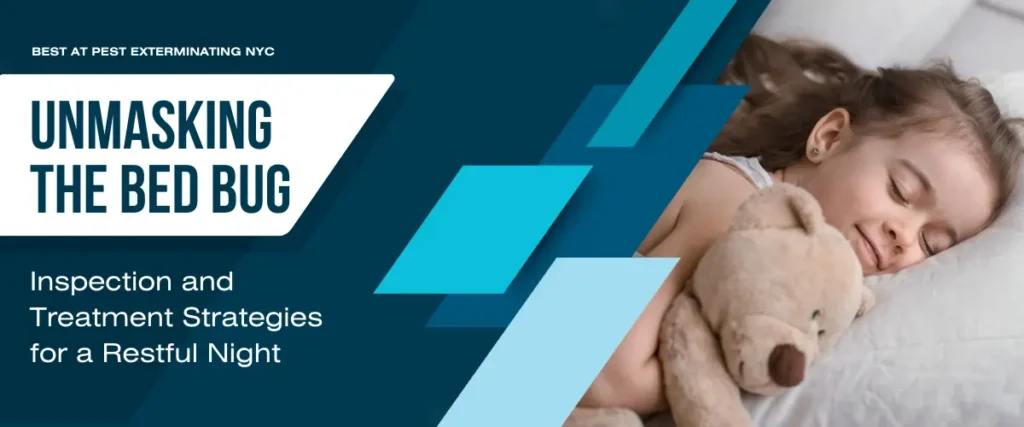
Unmasking the Bed Bug: Inspection and Treatment Strategies for a Restful Night Bed Bugs: More Than Just Annoying Bites Bed bugs, those tiny, blood-sucking creatures, can turn your peaceful sleep into a nightmare. But before you panic, understanding the bed bug life cycle and habits is key to effective treatment. The Telltale Signs: Uncovering a Bed Bug Infestation Tiny hitchhikers: Adult bed bugs are roughly the size and shape of an apple seed, but their nymphs are even smaller. Keep an eye out for them, especially around your bed frame, mattress, and box spring. Marks and stains: Shed skins, black excretion marks (like ink dots), and even live bugs themselves are all signs of an infestation. Feeding habits: Bed bugs need regular blood meals, so unexplained bites, especially in clusters, could be a clue. Inspection: Locating the Enemy’s Hideouts A thorough inspection is crucial for successful treatment. We at Best At Pest use our expertise for  bed bug examinations. Furniture crevices: Bed frames, mattresses, box springs, nightstands, couches – no crevice is safe for a bed bug! Beyond furniture: Electrical outlets, electronics, curtains, window and door sills, even behind pictures and inside luggage – they can be anywhere! Treatment: Eliminating the Bed Bug Threat Treating all cracks and crevices, including disassembled furniture and the perimeter of infested areas, is essential. Here’s how we tackle the problem: Targeting all life stages: We focus not only on adult bugs but also on eggs, crucial to breaking the life cycle. Heat and vacuuming: These methods can be part of an Integrated Pest Management (IPM) program for effective control. Strategic pesticide application: We use EPA-registered pesticides specifically labeled for killing bed bug eggs, ensuring they reach hidden locations. Customized Solutions for Your Peace of Mind At Best At Pest, we understand that every bed bug situation is unique. We tailor our control programs to your specific needs and living environment, ensuring a restful sleep and a pest-free home. Don’t let bed bugs steal your peace of mind. Contact us today for a free consultation and let us help you reclaim your nights! https://youtube.com/watch?v=/8Z1AEkh2lqw?feature=share

k9 inspection
Bed Bug

Beyond the Human Eye: Why K9s Rule Bed Bug Inspection

Beyond the Human Eye Why K9s Rule Bed Bug Inspections K9s bed bug inspections involve using specially trained dogs to detect the presence of bed bugs in homes, hotels, offices, and other locations. These dogs, known as bed bug detection dogs, or K9s, are trained to use their keen sense of smell to locate live bed bugs and viable eggs with a high degree of accuracy. PROCESS OF INSPECTION The process typically involves the following steps: 1. Training: Dogs are trained to detect the scent of live bed bugs and their eggs. They undergo rigorous training to develop the ability to pinpoint the exact location of infestations. 2. Inspection: A handler and the K9 team visit the location to be inspected. The dog is allowed to sniff around the area, including furniture, bedding, and other potential hiding spots for bed bugs. 3. Alerting: When the dog detects the presence of bed bugs, it is trained to alert the handler by sitting, scratching, or using another predetermined signal. 4. Confirmation: Once the dog alerts, the handler can visually inspect the area to confirm the presence of bed bugs and determine the extent of the infestation. Bed bug K9 inspections are valued for their speed and accuracy, as they can quickly identify infestations, even in hard-to-reach areas. This can help in targeting treatment efforts more effectively and minimizing the spread of bed bugs. https://youtube.com/watch?v=/1mHpg54KURc?feature=sharehttps://youtube.com/watch?v=/vqV1t5ygrNo?feature=share

Rodent Control Bait Stations
Rodents Control

Rodent Control Goes Undercover: The Power of Discreet Bait Stations

Rodent Control Goes Undercover The Power of Discreet Bait Stations Rodents are cunning creatures, adept at finding food and shelter, even in the bustling metropolis of New York City. When unwanted furry guests invade your property, traditional traps and poisons might not be enough. Here at Best At Pest Exterminating NYC, we rely on strategic bait stations to effectively and discreetly combat rodent infestations. Why Bait Stations? Targeted Control: Bait stations attract and eliminate rodents without harming other animals or posing risks to children and pets. Their secure design keeps the bait contained, preventing accidental ingestion. Variety Matters: We use a range of bait stations, choosing colors that blend seamlessly with their surroundings, unlike bright options that might attract unwanted attention. Moisture Matters Too: Consistent water exposure deteriorates bait, rendering it ineffective. Our technicians carefully assess potential moisture issues and select appropriate stations, like the circuit bait stations featured in this case. https://youtube.com/watch?v=/Rkez72JACJc?feature=share Circuit Bait Stations: More Than Meets the Eye These innovative stations offer numerous advantages: Durable and Anchored: Securely mounted above surfaces, they withstand rodent tampering and harsh weather conditions. Low Maintenance: Their design minimizes cleaning needs, ensuring the bait remains fresh and enticing. Discreet Disguise: Resembling electrical boxes, they blend seamlessly into various environments, from walls and ceilings to outdoor spaces like parks. Space-Saving Design: Their compact size allows for placement in tight areas, maximizing effectiveness in diverse locations. Beyond Products: Expert Assessment At Best At Pest Exterminating NYC, we go beyond simply using the right tools. Our certified technicians meticulously assess each site, considering: Rodent activity and species: Tailoring the bait and placement based on the specific rodent problem. Potential water sources: Identifying and addressing moisture concerns to ensure bait effectiveness. Accessibility and discretion: Choosing stations that fit seamlessly into the environment, minimizing disruption. By combining high-quality products with expert analysis, we create customized rodent control solutions that are both effective and discreet. Don’t let uninvited guests ruin your peace of mind! Contact Best At Pest Exterminating NYC today for a free consultation and a rodent-free future.

Dry wood termite
Termites

Don’t Let Drywood Termites Fool You: A Case Study in NYC

Don’t Let Drywood Termites Fool You A Case Study in NYC Imagine this: you’ve been diligently treating your property for subterranean termites for years, feeling confident your home is safe. Suddenly, you notice swarms of winged insects – a telltale sign of termites. Panic sets in, but before you call the same exterminator, remember: not all termites are created equal. This case study from Best At Pest Exterminating NYC highlights a crucial lesson: accurate pest identification is key to successful elimination. The Problem: A building in NYC, previously treated for subterranean termites, experienced a new swarm. The building superintendent assumed it was another subterranean infestation and hesitated to disrupt new renovations. The Twist: Our certified entomologist identified drywood termites, a species with different nesting habits and treatment needs. Drywood termites thrive in dry wood, unlike their subterranean counterparts requiring soil contact. The Solution: Following our expert recommendations, the superintendent agreed to a small inspection cut. The cut revealed extensive drywood termite damage, confirming our diagnosis. Targeted treatment was applied to the affected wood, including beams and girders. Damaged wood was replaced, and structural integrity was ensured. The Outcome: The apartment was restored permanently, and the termite infestation was eliminated safely and effectively. Another happy customer gained peace of mind, thanks to accurate identification and expert treatment. Key Takeaways: Not all termite species are the same. Drywood termites require different approaches than their subterranean counterparts. Accurate identification is crucial. Our certified entomologist’s expertise saved the day! Don’t hesitate to seek expert advice. Our team is here to guide you through the process. Don’t let assumptions dictate your actions. Trust professional diagnosis for effective solutions. At Best@Pest Exterminating NYC, we understand the complexities of pest control. Our team of certified professionals uses their expertise to identify and eliminate any pest problem you face, ensuring the safety and well-being of your property and loved ones. Contact Us today for a free consultation and let us help you achieve permanent pest-free peace of mind! https://youtube.com/watch?v=/Pa3-uYKxQ2E?feature=sharehttps://youtube.com/watch?v=/4QdKSg7rvIk?feature=sharehttps://youtube.com/watch?v=/dOw1p5qangw?feature=sharehttps://youtube.com/watch?v=/TF1YptnPGcs?feature=share

Scroll to Top