Marquee Text
Limited-Time Discount: Save $50 on Your First Service as a New Customer!
Ants

What It Is Pest Control, How It Works, and Why It Matters, How It Works, and Why It Matters

Pests cause big problems in homes and businesses. They cause diseases, destroy property, and make places unsafe. Pest control meaning is quite simple—it’s the process of removing or managing pests to keep spaces clean and safe. It helps prevent infestations and protects people from harmful insects and rodents. What is Pest Control? Pest control doesn’t only consist of removal. There’s also prevention and management, and then there are ways of providing permanent solutions. Treatments differ in respect of each type of pest. Experts adapt their methods accordingly depending on what type of pest infests one and to what extent. In general, the pest control service company looks at areas for pests, finds infestations, and eliminates them through safe methods. Experts use traps, sprays, and treatments to prevent pest problems in their homes. Pest control experts also train homeowners and businesses on how to prevent pests. They will advise on how to seal all entry points, proper waste disposal, and control of moisture in order to stop the pests from coming back. Their aim is to create a pest-free environment that is safe and healthy. How Does Pest Control Work? Pest control varies from pest to pest and severity. Some common methods include: Chemical Pest Control This approach uses pesticides to kill pests. It is very helpful for termites, cockroaches, and ants. Experts apply safe chemicals, so there is no chance of being harmed. Even eco-friendly chemicals are provided in case of environmental damage. Biological Control This method relies on several natural predators to destroy the pest. For example, ladybugs feed on aphids in gardens. It is one of the safest methods of pest control without the death of useful insects. Physical Control This method includes traps, barriers, and nets for trapping or excluding pests. A few of these are: Integrated Pest Management (IPM) This technique incorporates various methods for the long-term control of pests. It is basically a method of prevention and reduction of chemicals. IPM includes the following: Household Pests Pest occurs in different types, and every kind has its specific way of being managed. The common house pests are as follows: 1. Rodents (Rats & Mice) Rodents transmit diseases, rot food, and nibble on electrical cables. They breed extremely fast, making their infestation uncontrollable. The rodents extermination can be done by using traps, baits, and entry point sealings. 2. Cockroaches Cockroaches carry bacteria and asthma allergens. They dwell in dark, damp places and produce offspring instantly. Professional pest control is often the only solution for the complete removal of cockroaches. 3. Termites Termites do severe damage to wooden buildings. Termite control is mostly accomplished through baits, chemicals, and regular check-ups to avoid expensive repair jobs. 4. Bed Bugs Bed bugs are hiding in mattresses, furniture, and clothing. These insects suck human blood and are hard to get rid of without professional treatment that may involve heat treatment or chemical sprays. 5. Mosquitoes Mosquitoes cause malaria, dengue, and Zika virus diseases. Mosquito control requires the removal of standing water and repellents. Benefits of Pest Control Pest control has numerous benefits. It keeps houses clean, maintains health, and saves money. Here are key advantages: Keeps Health Problems Many pests harbor pathogens and cause diseases. Repeated interventions for pest control minimize infections and save families. Keeps Property Safe Termites and rats cause damage to homes and furniture. Pest control stops such threats before serious destruction is made. Food Keeping Safe Food is spoiled by pests; therefore, it is not good to consume. Rats and cockroaches are places where bacteria that cause food poisoning are harbored. It means that by keeping pests away, food becomes fresh and healthy. Allergies and Bites Dust, mites, and cockroaches provoke allergies and asthma attacks. Bedbugs have the ability of inflicting bites and itching the skin. In proper pest control, these risks are minimal, and homes become livable. Living with pests can be stressful. Cockroaches in the kitchen or rats in the attic make people have worries about the future. A pest-free home is a peaceful home. Pest control makes people feel safe and comfortable in their homes. Why Use a Pest Control Service? Most people have been asking, Why use a pest control service? Professional pest control services offer the best expert solutions to pest problems. They know the best ways to remove pests and prevent them from coming back. Benefits of Professional Pest Control What Is the Purpose of Pest Control? The greatest reason for pest control is to protect health, homes, and businesses. Without pest control, pests would cause the spread of diseases, damage buildings, and contaminate food. Maintaining clean and safe spaces necessitates regular pest control. Why Pest Control Matters to Businesses Pest control is very essential in meeting the health standards for businesses, especially food handling businesses. Hotels, restaurants, and hospitals must ensure there are no pests in them as it relates to hygiene and confidence. Why Do We Need to Control Pests? We need to control pests so that problems can be prevented from becoming worse. Pests breed very fast and can easily change a small problem into a large one. Here are some reasons why we need to control pests: What Does Pest Control Actually Do? People often ask, What does pest control actually do? Pest control removes present pests and protects against future invasions. Pest control professionals check for pests through inspections, eliminate them through treatment, and deter them from re-infesting. How to Select the Right Pest Control Service? While choosing the right pest control service, think about the following: Easy Steps to Prevent Pests The following are easy steps to prevent pests: Tightly Close Food Store food in covered bins or airtight containers. Avoid leaving food out for too long. Clean Daily Sweep, dust, and vacuum surfaces daily. Pests are attracted by crumbs and spills. Dispose of Rubbish Remove the rubbish daily. Keep the bins closed so that pests cannot be attracted by them. Seal all Entry Points Look for cracks, holes, and gaps in walls and
Eco-Friendly Pest Control, Pigeons, Wild life

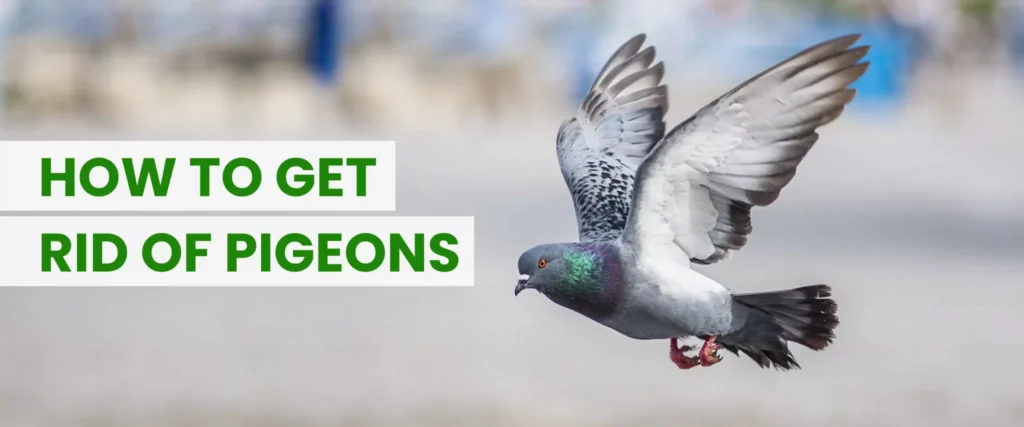
How to Get Rid of Pigeons: A Comprehensive Guide

Pigeons can cause considerable nuisance in many situations, from the porch and roof areas to the ones near industries. Ever questioned, “How can I get rid of pigeons?” You’re not alone with this menace, as they can be responsible for property damage at times and spread diseases, but above all, it’s their excreta and way of nesting that turns living into hell. There are, however, a few ways to help move these pigeons away from the premises. How to Keep Pigeons Away from Your Balcony If pigeons have invaded your balcony, then you should immediately do something about it to avoid further damage and distress. Following are some of the methods for removing pigeons: How to Deter Pigeons from Nesting Pigeons are very tenacious birds; once they find an area to nest, they certainly will be back for more. To avoid the nesting of pigeons, here are ways: Removing Pigeons From Your Roof Pigeons nesting and roosting on roofs pose the biggest headaches for most homeowners and businesspeople. Here’s how you can get rid of pigeons on the roof: How to Discourage Pigeons Nesting If you’re looking for ways to deter pigeons from nesting on your property, here are several techniques you can try: Comparison of Methods to Get Rid of Pigeons Method Best For Advantages Disadvantages Bird Control Netting Balcony, Roof Highly effective and permanent Expensive installation Spikes and Bird Wires Ledges, Rails Low-cost, easy installation May only move birds to other areas Shock Tracks Roof, Balcony Provides effective deterrent Professional installation may be required Plastic Snakes / Rubber Birds Temporary deterrent Inexpensive Short-term effectiveness, pigeons adapt Ultrasonic Emitters Large areas, Roof Effective over a wide area Birds may acclimate to the sound Gels and Repellents Perching Areas Easy to apply Requires reapplication, may cause harm to smaller birds Why Choose Us for Bird Control? Best@Pest can provide personalized, comprehensive pigeon control at its best. From Bird Control Netting and Shock Track Systems to every other professional way to take away effectively and keep pigeons from nesting, we offer our expertise in whatever problem area it is with pigeons you might be faced. Be it a balcony, your roof, or that industrial facility that those little birds may well call home, we have a solution for your benefit. Conclusion Physical barriers include bird netting, spikes, etc., while deterrence includes ultrasonic emitters and even rubber snakes to fend them off. If you have pigeons, there are a number of different ways to handle the problem. Best@Pest offers customized pigeon control services in New York to help you get rid of the pigeons and keep them from coming back. Be it your balcony, rooftop, or industrial facility, we have all the tools and expertise to provide a solution that lasts.

cockroach

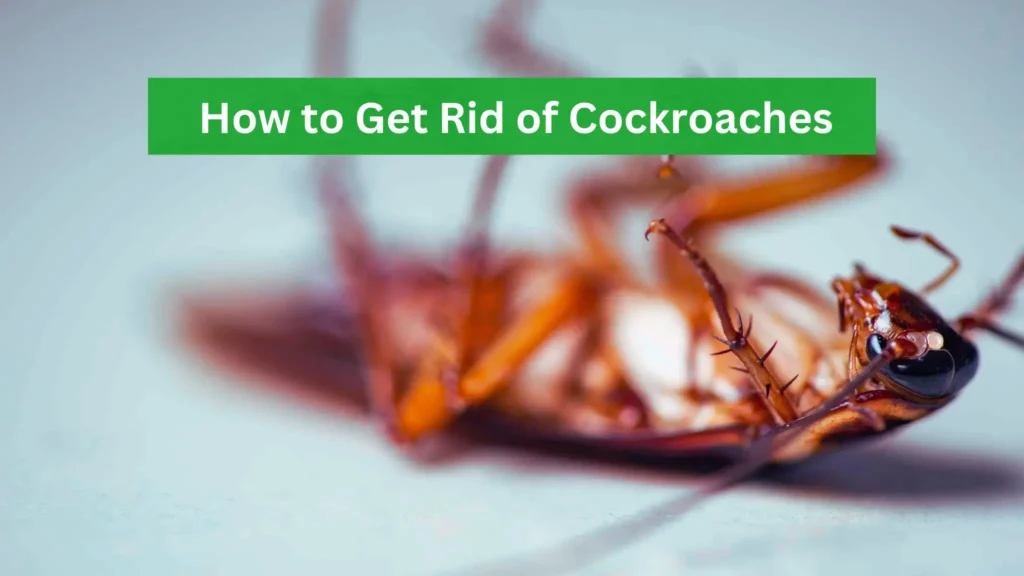
How to Get Rid of Cockroaches and Prevent Infestations

Of all insects regarded as pests, cockroaches are probably the most undesirable due to the health risks they can pose to homeowners and business establishments. The fact that these insects can survive under various conditions makes them hard to kill. However, with the right strategy and patience, it is very plausible to successfully remove roaches and prevent their recurrence. This guide offers steps on how to get rid of cockroaches and keep a space free from pests. Understanding Cockroach Behavior Nocturnal and warm, moist environment cockroaches infest cracks, crevices, and areas where food and water are available. Multiplying rapidly, a small roach problem quickly becomes a severe roach infestation. In seeing one roach, there could be many more hiding nearby.Cockroaches are attracted to food remains, garbage, and uncleanness. Since they can crawl through a very small opening, they can enter your place through some tiny gaps in the walls or windows or through plumbing. Their behavior makes it easy for you to determine the right approach towards their treatment. Common Entry Points for Roaches Roaches will most probably enter your house from the following sources: How to Kill Cockroaches Effectively Different control measures are targeted against the pest and its sites in managing the cockroach. Some of the viable solutions include: Sticky traps are very effective for monitoring and controlling small populations of cockroaches. Place them near possible hiding places, such as under sinks, behind refrigerators, and along baseboards. They catch the roaches in transit to find hotspots of an infestation. The poison baits attract roaches through food. Once the poisoned roach is eaten, the infection spreads to the rest of the colony. These are considered highly effective methods for large infestations. These aerosol sprays kill the visible cockroaches suddenly. They are useful for immediate effects but do not eradicate the problem of hidden colonies. Always clean the areas where spraying has been done because these areas contain harmful residues. Diatomaceous earth is an organic eliminator of cockroaches. The fine powder works by dehydrating the cockroach upon contact. Sprinkle it in places where the roaches are active, like cabinets, under appliances, and behind furniture. These foggers release fine mist insecticide which penetrates through cracks and also reaches unreachable areas. Foggers may be used for general treatment of an entire room, but cautiously: nobody should be allowed to enter the space before it is safe to re-enter. Home Remedies to Keep Away Roaches For those into home natural remedies, there are some home cures that help rid cockroaches: This is the simplest yet effective treatment: baking soda mixed with sugar-the bait for roaches. Sprinkle this mixture in places where roaches are seen. Another natural roach repellent is boric acid. It can be sprinkled along dry areas like under cabinets or along baseboards, but never on wet ones because it is rendered ineffective by moisture. Other of those essential oils, such as peppermint or tea tree oil, have the organic qualities to repel cockroaches. Mix a few drops with water and spray along entries, corners, and other places you find dark. Vinegar will not kill roaches but does help deter them. Make a solution with water and vinegar to clean up and then wipe down surfaces that have these scent trails attracting the roaches. Roach Infestation Prevention Prevention is the best measure in keeping your space free from roaches. Here’s how you can minimize the risk for an infestation: Get Rid of Cockroaches in Apartment Apartments can be a big headache when it comes to dealing with roaches because one unit often spreads the problems to another. To handle this problem in apartments: Getting Rid of Roaches Quickly If the infestation is serious and you want quick results, here is what you can do: Professional Pest Control for Roaches Professional pest control is, however, the best solution for stubborn infestations. It is no doubt much easier to avoid future problems with their trained technicians and advanced ways of targeting roach colonies. So, if you have been wondering how to permanently get rid of roaches, the professional service would be your only hope. Common Questions About Roaches The time of eradicating cockroaches depends on the infestation’s intensity. Light cases could be treated within days, but other cases might take up to a few weeks and longer if proper treatment is implemented. Some of the essential oils that naturally repel them include peppermint, bay leaves, and vinegar. Cleaning your house and removing sources of food and water also helps to keep roaches away. Yes, baking soda is a good natural roach killer. It causes internal damage once ingested and thus kills the roach. Final ThoughtsWhile cockroaches can be a stubborn problem, being persistent and using proper methods can help one enjoy a pest-free environment. From natural remedies with baking soda to professional extermination services, a combination seems to work best. Also, remember that prevention goes hand in hand with treatment. Trust Best at Pest for professional solutions and reputable services to take you through the fight to get your space back from roaches. At Best at Pest NYC, we can help professionally.

Ants

How to Get Rid of Bedbugs at Home

Bed bugs are small insects but give one massive headache. Bugs living in beds, furniture, and cracks prevent one from having a nice night’s sleep. We will be helping you understand how to rid of bedbugs at home by using natural methods and professional interventions. Let’s get down to it! What is a bed bug? Bed Bugs are small insects that feed on human blood. They hide in mattresses, bed frames, and couches during the day. Although not hazardous, the bites of bedbugs can be very itchy and hence uncomfortable. Many people would want to know how to get rid of bed bugs since they are irritating and hence very difficult to remove when there is no plan or strategy. Will the bed bugs just disappear on their own? No, bed bugs don’t just vanish into thin air. They multiply quickly, and even one bed bug can cause an infestation to start. If you’re lucky enough to catch the signs of bed bugs, such as bites or small black dots on your mattress, then you need to act quickly to help prevent them from spreading. How to Identify Bedbugs The best way to get rid of them is first to find them. To do so, check these places: If you are thinking, “How do I get rid of bed bugs fast?”; the first thing would be to find their hiding place. Why do bed bugs like hiding in mattresses? They generally dwell inside the mattress simply because the mattress helps these insects be as close as possible to their food, human beings. Bed bugs find suitable hides in the seams and corners of mattresses from where these emerge at night and have a bite. These Bug Mattress Covers can also retain bed bugs inside them to the effect that you also are not bitten. Disinfecting Bed Bug from Your Home 1. Clean Everything The key formula to get rid of bed bugs is a deep and thorough cleaning session. First, all bedding, curtains, and garments shall be washed in warm hot water. Indeed, bedbugs and their eggs will be killed by heat; if something cannot be washed, put it in a dryer on high heat for 30 minutes. 2. Daily Vacuum Vacuum your house every day mainly around the bed, sofa, and other furniture, too. Note the crack and corner because bed bugs often hide there. Pick up the live bugs and eggs by vacuuming to understand how you may get rid of these bugs fast. 3. Mattress Cover A bed bug mattress cover is a specialized cover put on to keep the bugs inside your mattress. This will prevent bugs from getting out into the bed to bite and prevent cleanup of the mattress in every way. 4. Bed Bug Sprays A bed bug treatment spray may be a quick way to kill them. Sprays can be found that are generally safe for indoor use. As with other treatments for most insects, it’s great to carefully follow the instructions provided. Using sprays seems to be one fast possible way of knowing how to get rid of the bug quickly. Can You Use Home Remedies Against Bed Bugs? If you are looking for how to get rid of bed bugs with home remedies, then you can try some natural solutions; these are safe and very easy to use. 1. Baking Soda Sprinkle baking soda around your bed and other points of concealing; this dries the insects out, hence killing them. Best results may be achieved with its frequent repetition every now and then. 2. Vinegar Another effective home remedy against bed bugs is vinegar. You will be able to kill the bugs instantly by spraying them with vinegar directly. Concentrate your efforts in places where the bugs have been hiding. 3. Essential Oils It is said that lavender oil and tea tree oil can keep bedbugs away. Mix a few drops in water and spray it around your home. It will not kill the bugs but will keep them away. 4. Diatomaceous Earth This is a natural powder and is an effective bed bug killer. Sprinkle it in your home, and it can kill bedbugs by dehydrating them. It is safe for humans and pets. How to Get Rid of Bed Bugs Forever 1. Seal Cracks and Holes Seal all cracks and holes found in walls and furniture too, so as to make it difficult for them to hide. Due to the small size of such areas, closing them shuts off favorite hangouts for bed bugs. 2. Call in Professionals Sometimes, remedies will just not be adequate. Search for ‘bed bug pest control near me‘ or take the professional help provided by Best at Pest to get rid of them once and for all. Our team of experienced specialists knows how to eliminate the bugs using the most modern techniques, which helps the bugs not reappear anytime in the future. 3. Steam Cleaning At a high temperature, the bed bug instantly dies. Steam cleaners may clean mattresses, sofas, and carpets as steam goes deep into cracks and kills bugs and their eggs inside. 4. Apply Bed Bug Killers If ever you wonder, “What is the best bed bug killer?” look at those products approved by the EPA. Those are efficient against both bugs and eggs. Combine this with other methods for longer-term results. How to Get Rid of Bed Bugs in Mattress If you want to get rid of bed bugs in the mattress, here are a few tips: How to Eliminate Bed Bugs Fast Sometimes, you want results now. Here are some of the ways you can eliminate bed bugs in a faster way: If you are thinking, “How do I get rid of bed bugs fast?” put your emphasis on speed and the power of combinations to ensure the best outcome. FAQs Q1: Can bed bugs be eliminated without professional intervention?Sure, you could try home remedies for bedbugs, such as baking soda or vinegar. For permanent results,

Bed Bug

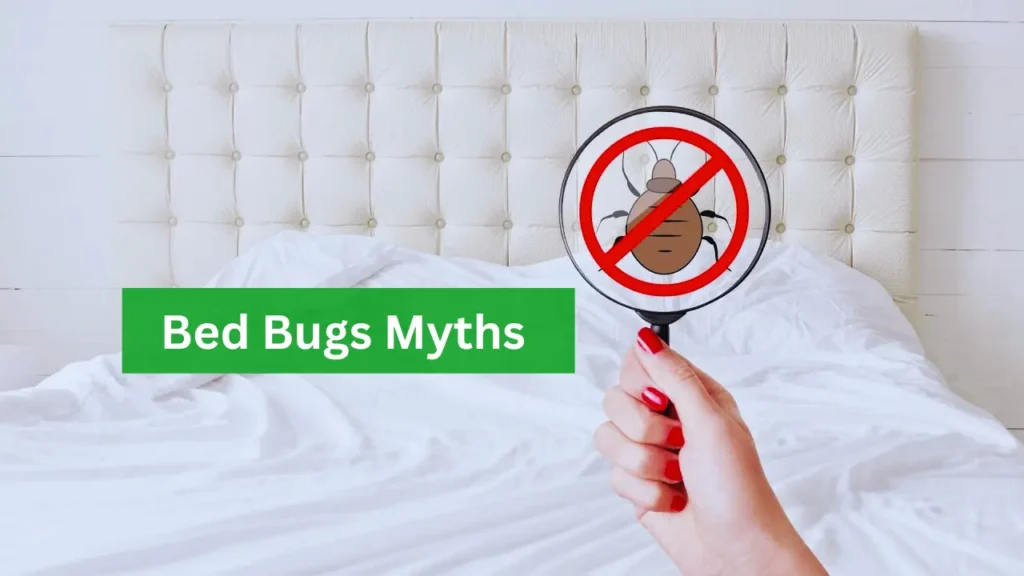
Bed Bug Myths and Facts

While bed bugs have become a growing concern across the globe, their resurgence is replete with various myths and misconceptions. Besides having an irritatingly pesky bug, they cause no small amount of sleepless nights and anxiety. This article has demonstrated how we can set the record straight on the most common bed bug myths by retaining the focus on the facts you ought to know when faced with an imminent infestation. Basic Information About Bed Bugs Where do bed bugs originate from? Most people wonder where they come from and if they just magically appear. Generally speaking, bed bugs are brought in by items such as luggage, clothing, and even furniture. They relate not to dirt but to warmth and carbon dioxide from humans. Thus, this is usually spread by travelers or in secondhand furniture. What are bed bugs? Bed bugs are small insects, generally red or brown in color, that feed on the blood of humans and animals. They are about the size of an apple seed, appear flat, and have an oval shape; they also can be found hiding in any small crack and crevice anywhere near where it will feed, such as mattresses, headboards, and couches. Adult Bed Bugs: How to Identify Adult bed bugs are approximately the size of an apple seed, about 5–7mm in length. They can be easily seen, though many people often mistake them for other insects. After feeding, the body inflates and turns reddish in color, making it easier for a person to identify their presence. Bed Bugs vs Ticks: Key Differences Although both are hematophagous insects, bed bugs and ticks behave differently and have different priorities when it comes to host selection. While the bed bug is an active nocturnal feeder but prefers to feed on a human host, the tick can attach itself to animals and humans during the daytime. Bed bugs can be seen with the naked eye; a tick, not quite so. Do bed bugs have wings? They have no wings or any other wing-like structures and, therefore, cannot fly; they crawl from one point to another. So, against the myths taken up, bed bugs cannot fly. Do bed bugs fly? No, bed bugs cannot fly. In contrast to those mythologies concerning these insects, they do not have wings and hence are unable to fly. They crawl to get from one place to another, mostly using their legs to move along on furniture, carpets, and other such surfaces. How Big Are Bed Bugs? This will be mentioned later, but bed bugs are less than the size of an apple seed, generally 5 to 7 millimeters in length. They can be a little smaller if they have not fed for a long time but expand with a feed of blood. Are bed bugs visible to the naked eye? Yeah, bed bugs are large enough in size to be seen by the naked eye, especially while engorging. However, bed bugs are great at hiding during the day, which makes them tough to spot. Bed bugs in shoes – Do they really hide there? Yes, bed bugs can hide in shoes. These insect pests are good at concealing themselves from cracks and crevices to other places like shoes, bags, or just any other personal belongings. This is among those reasons whereby they spread during traveling or carrying infested belongings into new places. Bed Bug Behaviour How long does a bed bug live? Bed bugs, under normal conditions, will usually survive for six to twelve months. Though most of their survival would depend on the availability of nutrition, besides that environmental conditions do affect the life cycle. When food sources are readily available, they are going to be at their best in having ideal conditions for an infestation. How long does a bed bug survive without a host? Non-feeding bed bugs can survive for several months without a host, essentially at the mercy of the outside temperature and conditions. In cooler weather regions, they could survive without feeding for as long as a year. How long does a bed bug live without feeding? The fact is, bed bugs can survive for several months without feeding: adults can survive for several weeks, even months, without a blood meal, and that is the reason behind their toughness. How long can bed bugs survive without food? Bed bugs can survive for several months without food. This time period in no way is indefinite, and they do need to feed on blood for life and reproduction. How Long Can Bed Bugs Go Without Feeding? Bed bugs can survive several weeks to months without feeding, depending on the conditions they are subjected to within the environment. If they remain in a cold environment, the rate of their metabolism goes down, allowing them to go quite some time without feeding. How long does a bed bug survive without blood? Without blood, they cannot survive beyond a few months. They are bed bugs that feed solely on it. Without it, they would finally perish. How often do bed bugs feed? When available, bed bugs feed every 5–10 days on average. They feed at night while humans are sleeping but may feed during daytime when they are hungry enough. What do bed bugs feed on? They feed solely on blood, and human beings are the preferred hosts for these bed bugs. Bed bugs are always attracted by the warmth and carbon dioxide emitted, which in their perspective acts as an indication that it is now the time of feeding. How do bed bugs spread? They are spread from one place to another by hitchhiking onto personal items like suitcases, clothes, and furniture. Bed bugs migrate from room to room, building to building, and even from city to city quite effectively. Do bed bugs jump? No, bed bugs don’t jump; they walk on the surface and hide fantastically well in the cracks, crevices, and seams of furniture. How Fast Do Bed Bugs Breed? Amazingly, bed bugs are relatively slower breeders

Ants

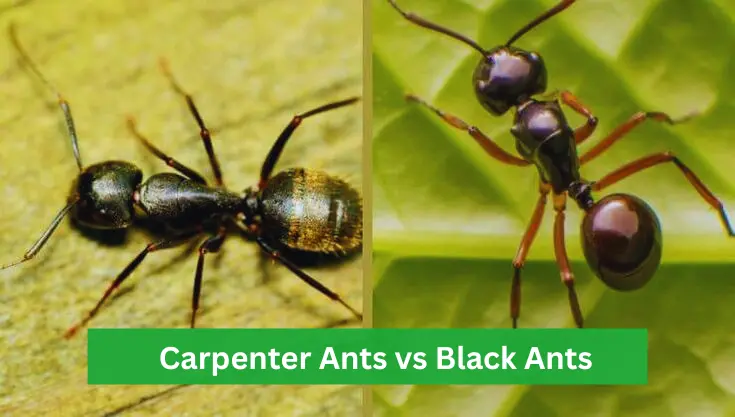
Carpenter Ants vs Black Ants: Size & Identification

Ants are some very common insects that are usually dealt with in homes, as their identification for differentiation was quite important in taking serious measures for their management, especially carpenter ants vs. black ants. Despite much resemblance, there are serious differences in behavior, habitat distribution, and potential consequences upon infestation. This blog provides an in-depth comparison to help beginners understand the difference between carpenter ants and black ants and identify them effectively. Difference Between Carpenter Ants and Black Ants The major difference between carpenter ants and black ants is in their size and nesting habits. Carpenter ants are larger, ranging from 1/2 to 5/8 inches in size, and are known for their ability to excavate wood to build nests. On the other hand, black ants, also called black garden ants, are much smaller, measuring around 1/8 to 1/4 inches, and typically nest outdoors in soil or vegetation. The other difference lies in its behavior. While black ants vs carpenter ants both search for food, carpenter ants cause damage to structural elements by burrowing through wood. Black ants generally do not pose a threat by foraging primarily near plants or at plants. Carpenter Ants Identification Identification is key to any carpenter ant infestation. But what does a carpenter ant look like? These are larger ants compared to the rest of the species, they have a triangular head, bent antennae, and a single-segmented petiole. In seasons of mating, the carpenter ant grows wings, which makes them easily identifiable. Unlike black ants, carpenter ants prefer damp and decaying wood as their nesting site. Carpenter ants can be found when sawdust-like debris is present around the immediate structure of a wooden host. Black Garden Ant vs Carpenter Ant The most salient differences between a black garden ant vs carpenter ant can be discerned in size and behavior. Black garden ants are much smaller and prefer outdoor nesting in soil or beneath stones and pavement. In comparison, carpenter ants attack moistened wood indoors, which can give rise to structural damage. Black garden ants are mostly attracted to sweet substances, such as honeydew, whereas carpenter ants are searching for protein-laden food sources. These nesting and feeding habits increase the relevance of black ant vs carpenter ant identification in pest management. Appearance and Features What Does a Carpenter Ant Look Like? It is one variety of large ant. Its head is triangular with bent antennae, its body is dark-colored hence making it easily recognizable. Most carpenter ants are black, although depending on their species, they may become reddish or brown. What Do Wood Ants Look Like? Smaller, typically reddish-brown, wood ants are most often mistaken for carpenter ants. Unlike carpenter ants, they are not as apt to infest homes and exist primarily outside of them. Black Ants That Bite While most black ants are harmless, some species of black ants that bite can cause mild irritation. However, their bites are not venomous and are generally not harmful to humans. Carpenter Ants Size vs Black Ant Size Size is a critical factor when identifying these ants. Behavior and Impact Do Black Ants Sting? No, black ants do not sting. They depend on their biting ability for defense, though these bites are harmless and rarely painful. Do Big Black Ants Bite? Yes, big black ants, including carpenter ants, can bite. Carpenter ants’ bite could be a little painful owing to their bigger mandibles but is not poisonous. Large Black Ants In House Meaning Seeing large black ants in your house typically indicates an invasion made by carpenter ants. Generally, these carpenter ants attack homes featuring moist and decaying wood, such as basements or attics. Over time, their tunneling can weaken structures, which may be harmful to a building, leading to costly repairs. FAQs Q: Are All Black Ants Carpenter Ants? A: No, not all black ants are carpenter ants. While carpenter ants are predominantly black, other species, such as black garden ants, are significantly smaller and non-destructive. Identifying specific features, like their triangular head and wood-burrowing behavior, can help differentiate carpenter ants from other black ants. Q: How Can I Tell If I Have a Carpenter Ant Infestation? A: Signs of a carpenter’s ant infestation include the presence of large black ants, piles of sawdust-like debris near wooden structures, and hollow-sounding wood when tapped. You may also see winged carpenter ants indoors, especially during their mating season. Q: Can Black Ants and Carpenter Ants Coexist? A: It may well be possible for black ants and carpenter ants to share an environment, as long as their nesting and feeding behaviors are different. However, if both infest your home, it’s important to identify and address each species separately to avoid further issues. Conclusion Understanding the differences between carpenter ants vs black ants is essential for effective pest control and prevention. While carpenter ants are much larger and more destructive, mostly found in wood, black ants are usually quite small, harmless, and prefer outdoor environments. Being aware of ant identification may help home property owners avoid any sort of structural damage and possible situations where urgent measures may already be too late. Take Control of Your Ant Problem Today! Are ants infesting your home, or perhaps some professional advice? Contact BestAtPest today!

General

How Long is Pest Control Effective For?

Most property owners are also quite eager to know for how long this will be effective in case of pest control. You definitely would not want to handle returning pests after having dealt with them; therefore, you need to consider the various things that can affect the period that pest control will work for. Whether it’s an ant, bed bug, or rodent infestation you’re fighting, pest control treatment usually takes different lengths of time. Let’s dive into how long pest control is effective and what you can do to keep your home free from these unwanted critters. How long does pest control last? Each type of pest, the method of treatment applied, and the level of the infestation depends on a number of factors; thus, generally, these treatments may take 3 to 6 months. Special treatments could be longer, sometimes they may take several months, even years. This could entail a reapplication every several months if one of those more stubborn pests is involved, like termites or bed bugs, for the treatment to take full effect. How long does pest control spray last? Nowadays, the general treatments used are pest control sprays. These may work instantly against pests, but they may need repetition every few months. Generally speaking, how long pest control spray will last differs and totally depends on the type of pest you are trying to get rid of. The sprays used for the treatment of cockroaches may last for 6 months, whereas in severe infestation, they require frequent reapplication. In contrast, the long-term pest control spray can last longer, especially when used with bait stations or other treatments. How long does an exterminator take?  Well, it really does depend on the extent of your home area and how bad the problem that’s built up is. Typically, an exterminator can take anywhere from 30 minutes to a couple of hours for a standard treatment; larger jobs may take a bit longer where pest problems are more concentrated and prevalent. It also depends on the kind of pest, for the duration of time taken. While some other pests, like termites or bed bugs, require longer treatments, some pests, such as ants or cockroaches, may require only short treatments. How Long Does Pest Control Take to Work?  You probably are thinking about how long it will take to see the results of the pest control treatment you just received. Well, that would depend on the kind of pest. Some may disappear right away, and others could take some time-a couple of days or weeks, depending on the case. For instance, bed bug treatments may take a few visits until you are completely pest-free, while treatments regarding rodent pest terminator may be effective within days. Factors That Affect How Long Pest Control Treatments Last Several factors would influence the duration of treatment for pest control. Let’s consider a few major ones. Type of Pest Different pests require different treatments. Whereas some bugs, such as ants, perhaps just have to be reapplied after a few months, rodents would be more frequent and would depend on the availability of food and the type of treatment provided. Other pests, such as bed bugs and termites, are even more intractable and require successive applications over a longer time span. Type of treatment applied Also, the treatment that was done in length or method applied. Terminator sprays for control may be long-lasting. Similarly, baits, yet organic or natural treatments, may not be effective for such a long duration. If you apply this process using PestGuard for the solution of your pest issue, then chances are that you can experience lengthy protection due to its longevity over the time span it effectively targets the pests. Severity of Infestation The treatment will be more detailed and longer if the infestation is severe. For instance, termite treatments will take years if you apply liquid treatment or baiting stations. However, for minor infestations, you may not need to reapply as frequently in the case of a pest terminator treatment. Environmental Conditions Other factors that will influence how long the pest control will last are environmental ones, including the weather and geographical location. For instance, houses near woods or bodies of water require more frequent treatments. Rainy, humid weather can also wash away outdoor sprays, making them less effective. Does Pest Defense Work? The most asked question by many property owners is whether or not pest defense works. Well, it may, but it all depends on the type of pests involved and the method of treatment applied. For instance, the pest defense systems involve regular inspections which may also be followed by some treatments that help to avoid recurring pest infestations. Sealing cracks, elimination of food sources, and environmental cleanliness are the points where PestGuard systems promise long-term prevention from pests. Improving the Efficiency of Pest Control Some post-treatment steps have to be followed for better sustenance of the results from pest control treatment. Following are a few tips that can help you increase the efficiency of pest control: How often would you take care of pest control?  The bottom line is, that you need to schedule a routine of services so that they continue to keep the bugs and other unwanted critters away. Most pest terminator services indicate reapplications, as needed could be anywhere between 3 to 6 months depending on the badness of the infestation initially. If they come around more often, then you’ll need them to come more often. The frequency of treatment will give you a longer duration in your home bug-free. Conclusion The treatments for pest control are pretty important in keeping pests away from your home. However, the actual duration that pest control really lasts ranges from 3 to 6 months for most of the treatments, considering the type of pest, treatment methods, and levels of infestation. The treatments will be more extended and more frequent in case of a quite serious or grave infestation, such as termites or bed bugs. Regular inspections, sealing entry

General

Black Friday Pest Control Deals: Save Big on Quality Pest Services

Black Friday isn’t for buying electronic gadgets or clothes alone; rather, this is one of the best times when you can lay your hands on some amazing deals over pest control services. At Best At Pest Control, we are proud to let our audience know about excellent Black Friday pest control deals, which would help our customers economize while keeping their homes free from pests. This is a great opportunity to take advantage of professional connections in NYC at the most economical rates. Why Black Friday for Pest Control? Black Friday is known for unbeatable promotions, and pest control services are no exception. Whatever from bed bugs, termites, to rodents that you may be struggling with, now is the best time to act. Ignoring these pest problems will cost you. With Black Friday’s pest extermination offers, specialist services provided at a portion of their usual price. Best Black Friday Deals for Pest Control Perhaps the biggest advantage of our best Black Friday deals for pest extermination in  NYC will be the savings contained therein. Some of these discounts will involve: These deals will make guarding your house or business a lot easier without breaking the bank. Pest Control Services in NYC With Best at Pest Exterminating, we leverage various aspects regarding pest control services in NYC. These include services like: We offer solutions that are not only reasonably priced but also efficient, plus easy to solve your needs. Affordable Pest Control NYC Living in NYC comes with having to put up with many not-so-pleasant pests, whether it be cockroaches, bed bugs, or mice. However, it doesn’t have to be expensive to keep those pests under control. Our affordable pest control NYC services ensure that all have a clean and pest-free home. With our Black Friday pest solutions, we’re bringing top-notch pest control closer to you. Targeted Pest Control Discounts Not every pest is the same, and not all require the same solution, which is why our Black Friday pest control deals cover a range of specific pest problems, including: These targeted discounts will make it easy and affordable to take care of that special problem area for pests in your home and yard. Why Best at Pest for Your Pest Control Needs? Below listed are some compelling reasons why Best At Pest should be your trusted partner for pest control in NYC: With us, you are not just getting a service, you are getting peace of mind. How to Get Started Getting started with Black Friday pest extermination offers is rather easy. Below is an explanation of steps to take: Visit https://bestatpestnyc.com/ to check out our special offers and discounts we have prepared specifically for Black Friday. Contact us at 718-284-7378, 718-284-7379 us to schedule your pest control service. Live in a pest-free home; we’ll take care of the dilemma while you just relax. Act fast—these deals are only available for a limited time! FAQs 1. Which pests does the Black Friday deal cover? Our offers are central to a wide range of pests: rodents, bed bugs, termites, and many others. Please feel free to call us and get the list of services included. 2. Do you have any discount for a first-time customer? Special Reduced Price for New Client NYC Pest Control -Black Friday Yes, of course. 3. How much will I be able to save through the Black Friday deals? Save up to $75 off pest control services in NYC. Pricing varies, see website for details. Conclusion Instead of spending money on gadgets this Black Friday, consider investing in your family’s safety with a special Black Friday deal for pest control here at Best At Pest. Be it rodents or termites, our discounted services ensure that your home is free of these unwanted guests without denting your wallet. Avail yourself of these offers and enjoy a cleaner, safer living space. Pay us a visit today and get your deal before it’s too late!

Rodents Control

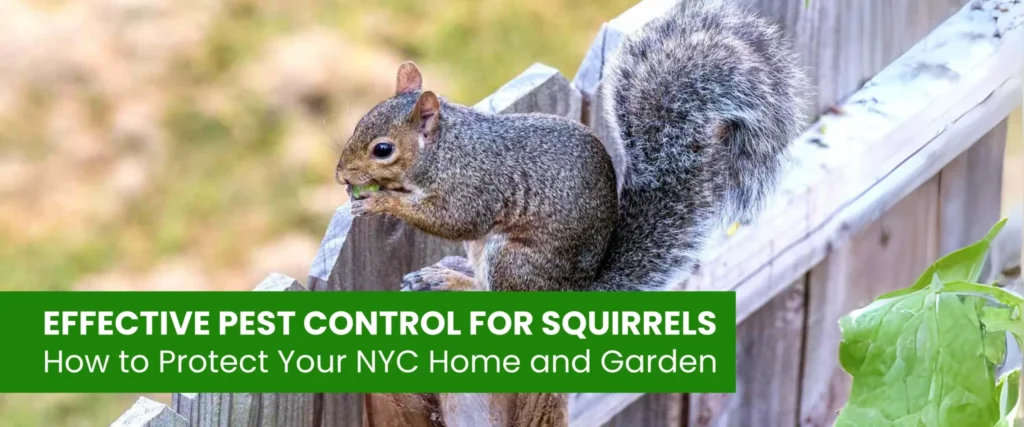
Effective Pest Control for Squirrels

Effective Pest Control for Squirrels: How to Protect Your NYC Home and Garden Squirrels, while often seen as charming creatures, can quickly become a nuisance when they invade homes and gardens. In New York City, these rodents are particularly common, causing significant property damage and posing potential health risks. Effective pest control for squirrels is essential to safeguard your home and maintain a peaceful outdoor space. Allowing squirrel populations to grow unchecked can lead to a variety of problems. These rodents can: Damage Property: Squirrels are known for their ability to chew through wood, insulation, and wiring. This can cause costly repairs and even pose a fire hazard. Contaminate Food: Squirrels can contaminate food supplies by entering homes and gardens. This can lead to foodborne illnesses and create unsanitary conditions. Spread Diseases: Squirrels can carry and transmit diseases, such as rabies and Lyme disease. This poses a serious threat to both humans and pets. Common Squirrel Species in NYC Two of the most common squirrel species found in New York City are: Ground Squirrels: These small rodents are often found in parks and open spaces. They can burrow into lawns and gardens, causing damage to plants and structures. Red Squirrels: These larger squirrels are typically found in trees. They can cause damage to trees and shrubs by stripping bark and gnawing on branches. Common Squirrel Problems in NYC Ground Squirrel Holes and Burrows Ground squirrels are notorious for their extensive burrow systems. These underground tunnels can cause significant structural damage to lawns, gardens, and even foundations. Burrow Systems: Ground squirrels create complex networks of tunnels beneath the surface. These tunnels can undermine the stability of lawns, gardens, and sidewalks. Identifying Ground Squirrel Holes: Look for small mounds of dirt near the entrance to the burrow. You may also notice evidence of digging, such as disturbed soil and exposed roots. Signs of Squirrels in Attic Squirrels can also invade attics, causing damage to insulation, wiring, and the structure of the home. Scratching Sounds: Listen for scratching or scurrying sounds in the attic, especially during the day or late evening. Squirrel Poop: Look for small, dark droppings have a strong, musky odor in the attic. Squirrel droppings are often cylindrical and about the size of a pencil eraser. Nesting Material: Squirrels may gather nesting materials, such as twigs, leaves, and insulation, in the attic. How to Get Rid of Ground Squirrels There are several effective methods for removing ground squirrels from urban areas: Humane Trapping and Relocation: Trapping and relocating squirrels is a humane and effective option. Use live traps baited with nuts or fruits to capture squirrels. Once caught, release them in a remote location away from your property. Exclusion Techniques: Prevent squirrels from entering your home by sealing up any entry points, such as gaps in the roof or siding. Install squirrel-proof vents and chimney caps to deter access. Professional Pest Control: If you’re unable to control the squirrel population on your own, consider hiring a professional pest control service. Prevention Techniques To discourage ground squirrels from burrowing in your lawn and garden: Remove Food Sources: Eliminate any food sources that may attract squirrels, such as bird feeders, fallen fruits, and pet food. Protect Plants: Use squirrel-proof netting or cages to protect young trees and shrubs. Landscape Wisely: Avoid planting nuts or seeds that are attractive to squirrels. Opt for plants that are less appealing to these rodents. How to Get Rid of Red Squirrels Red squirrels can be a significant nuisance and can cause damage to trees, shrubs, and homes. They may also enter attics and create nests, leading to noise, property damage, and potential health risks. Removing Red Squirrels from Attics and Gardens Here’s a step-by-step guide on how to remove red squirrels from your property: Identify Entry Points: Carefully inspect your home and garden for any potential entry points, such as gaps in the roof, siding, or eaves. Seal Entry Points: Use metal mesh or caulk to seal up any gaps or holes that squirrels can use to enter. Remove Nests: If squirrels have already established a nest in your attic, carefully remove it while wearing protective gear to avoid contact with any parasites or diseases. Trapping and Relocation: Use live traps baited with nuts or fruits to capture squirrels. Once caught, release them in a remote location away from your property. Prevention Techniques: Keeping Squirrels Away How to Keep Squirrels Out of Bird Feeders Choose Squirrel proof bird Feeder: Opt for feeders designed with squirrel-resistant features, such as caged feeders or feeders with baffles or squirrel guards. Hang Feeders High: Hang bird feeders at least 8-10 feet above the ground or on a pole that is difficult for squirrels to climb. Add Baffles: Place baffles on the feeder pole to prevent squirrels from climbing up. Use Squirrel-Resistant Seed: Consider using specialized birdseed blends that are less appealing to squirrels. How to Keep Squirrels Out of Gardens Fence Your Garden: Install a squirrel-proof fence at least 4 feet high to deter squirrels from entering. Bury the bottom of the fence a few inches into the ground to prevent squirrels from digging under. Protect Fruit Trees: Use bird netting or squirrel-proof bags to protect fruit trees from squirrels. What Scares Squirrels Away Sound Devices: Consider using ultrasonic or motion-activated sound devices to deter squirrels. These devices emit high-frequency sounds that are unpleasant to squirrels. Reflective Objects: Hang reflective objects, such as old CDs or aluminum foil, around your property. The movement of these objects can scare squirrels away. Predator Decoys: Place predator decoys, such as owl or hawk effigies, in your garden. These decoys can make squirrels feel threatened and avoid the area. Natural Repellents: Use natural repellents like peppermint oil, cayenne pepper, or commercial squirrel repellents. Apply these repellents to areas where squirrels are active. When to Call Professional Squirrel Pest Control Services While many homeowners may attempt to deal with squirrel infestations on their own, there are times when professional pest control services are necessary.

Wild life

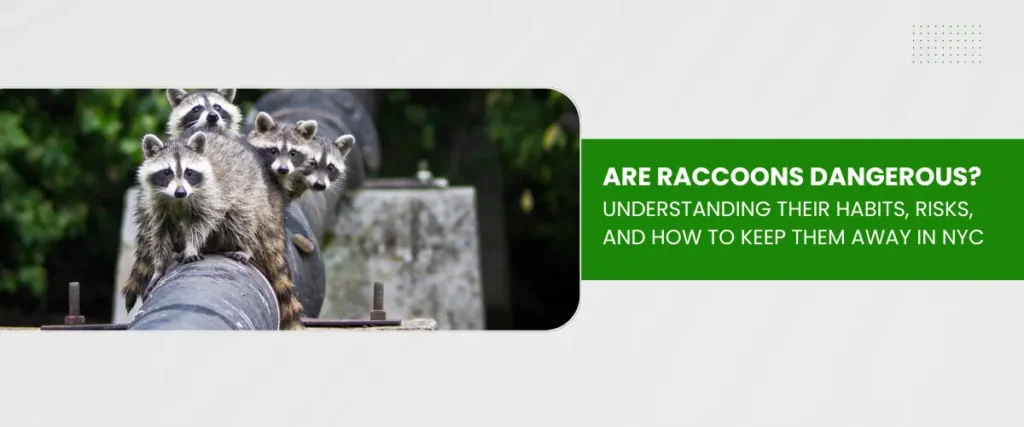
Are Raccoons Dangerous?

Are Raccoons Dangerous? Understanding Their Habits, Risks, and How to Keep Them Away in NYC Raccoons, once primarily found in rural areas, have steadily made their way into urban environments. In New York City, these adaptable creatures have become a common sight, thriving in the city’s diverse habitats. Their growing presence has sparked concerns among residents about their potential impact on human health and property. Are Raccoons Dangerous? The question “are raccoons dangerous” has been a subject of debate. While they are generally not aggressive towards humans, they can pose risks in certain situations.  What Do Raccoons Eat? Dietary Habits Raccoons are omnivores, meaning they eat both plants and animals. Their diet is incredibly diverse and can vary depending on their environment and the availability of food sources. In urban areas like NYC, raccoons are particularly adept at scavenging for food, often relying on garbage, leftovers, and other human-generated waste. Urban Scavenging The abundance of food waste in cities provides a constant and reliable food source for raccoons. They are skilled at rummaging through garbage cans, breaking into homes, and even raiding bird feeders. This scavenging behavior can lead to property damage and nuisance problems. Food Availability and Behavior The availability of food in NYC directly influences the behavior of raccoons. When food is plentiful, raccoons may become more bold and aggressive in their search for food. This can increase the likelihood of encounters with humans and potential conflicts. Do Raccoons Hibernate? Unlike many other mammals, raccoons do not true hibernate. Instead, they enter a state known as torpor. During torpor, their body temperature drops, and their metabolism slows down significantly. However, they are not as deeply asleep as hibernating animals and can wake up periodically.  The milder winter temperatures in the city can allow some raccoons to remain active throughout the season, especially in areas with abundant food sources. However, during particularly cold spells, they may retreat to sheltered dens and enter a state of torpor. How Long Do Raccoons Live? Lifespan in the Wild In the wild, raccoons typically live for around 3-5 years. However, some individuals may live longer, especially if they are able to avoid predators, diseases, and accidents. Lifespan in Urban Environments Raccoons living in urban environments may have a shorter lifespan due to increased competition for resources, exposure to human-related hazards, and the potential for conflicts with other animals. However, the abundance of food and shelter in cities can also contribute to a longer lifespan for some raccoons. Factors Affecting Lifespan in NYC Several factors can affect the lifespan of raccoons in NYC: Traffic accidents: Raccoons crossing busy streets are at risk of being hit by vehicles. Disease: Urban raccoons may be exposed to various diseases, including rabies and distemper. Human conflict: Conflicts with humans, such as trapping or poisoning, can shorten the lifespan of raccoons. Food availability: Access to a reliable food source is essential for raccoons’ survival. When Do Raccoons Have Babies? Breeding Season Raccoons typically breed in late winter or early spring, usually between February and April. The exact timing can vary depending on the location and environmental conditions. Timeline for Raising Young After mating, female raccoons gestate for approximately 63-65 days. They usually give birth to a litter of 2-5 kits in a sheltered den. The kits are blind and helpless at birth but grow rapidly. Raccoon mothers provide constant care for their young, nursing them and teaching them essential survival skills. The kits typically remain in the den for 6-8 weeks before venturing out on their own. By the fall, they are usually independent and capable of foraging for food on their own. How Do Mom Raccoons Discipline Their Babies? Raccoon Parenting Raccoon mothers are devoted to their young and play a crucial role in their upbringing. They provide food, shelter, and protection, as well as teaching their offspring essential survival skills. While raccoons may not exhibit the same type of discipline as humans, mothers do employ various strategies to guide their young. They may use vocalizations, body language, or even gentle physical corrections to teach their babies proper behavior. For example, a mother raccoon may swat at a curious pup to discourage it from exploring a dangerous area. Are All Raccoons Dangerous? While raccoons can pose risks in certain situations, it’s important to remember that not all raccoons are dangerous. The vast majority of raccoons are shy and avoid human contact. However, there are a few circumstances where encountering a raccoon could be problematic: Defensive behavior: Raccoons may become defensive if they feel threatened or cornered, especially when protecting their young. Disease: Raccoons can carry diseases, such as rabies, which can be fatal to humans. Property damage: Raccoons can cause damage to property by raiding garbage cans, breaking into homes, or digging in yards. Avoiding Conflicts To avoid conflicts with raccoons, it’s important to: Secure garbage: Store garbage cans and compost bins in a secure location. Protect bird feeders: Use bird feeders that are raccoon-proof. Avoid feeding raccoons: Feeding raccoons can attract them to your property and increase the risk of conflicts. Do All Raccoons Have Rabies? Rabies Risk in NYC Raccoons While the risk of rabies in NYC raccoons is relatively low, it’s still important to be aware of the potential danger. Rabies is a fatal viral disease that can be transmitted through a bite from an infected animal. Signs of a Rabid Raccoon If you spot a raccoon that exhibits any of the following signs, it may be rabid: Aggressive behavior: Unusually aggressive or agitated behavior, even when not provoked. Disorientation: Difficulty walking or coordinating movements. Drooling: Excessive salivation. Seizures: Uncontrolled shaking or twitching. What Diseases Do Raccoons Carry? Raccoons can transmit several diseases to humans and pets, including: Rabies: A fatal viral disease that can be transmitted through a bite or scratch from an infected raccoon. Leptospirosis: A bacterial disease that can cause fever, headache, vomiting, and jaundice. Roundworms: Parasitic worms that can infect humans, especially children, through contact with raccoon feces. Safety Measures

Scroll to Top