Marquee Text
Limited-Time Discount: Save $50 on Your First Service as a New Customer!

Ants

Ants

Tiny Ants in the Kitchen but No Food? What’s Really Attracting Them

If you’ve ever spotted tiny ants marching across your kitchen counter, but there’s no visible food in sight, you may have wondered what’s attracting them. You’ve cleaned, wiped down every surface, and ensured no crumbs or spills remain, yet these little invaders seem to appear out of nowhere. So, what’s really bringing ants into your kitchen when there’s no food? Let’s dive into the hidden factors that could be attracting ants, and how you can prevent their return. Why Do Ants Appear in the Kitchen Without Food? Ants are clever foragers, and while they are famously drawn to food, they are also attracted by non-food sources. When ants find their way into your kitchen, even without visible crumbs or spills, they’re likely being attracted to hidden moisture, grease, or even microscopic food residue you can’t see. Ants, especially common kitchen species like sugar ants or odorous house ants, rely heavily on their sense of smell, pheromone trails, and scouting behavior to locate sources of sustenance. While it’s easy to think food is the only draw, ants also search for moisture, shelter, and places to establish nests, all of which can be found in your kitchen. Hidden Attractants: What’s Really Luring Ants? 1. Moisture and Water Sources Ants need water to survive. Kitchens offer plenty of moisture sources that attract ants, even if you’ve wiped down every counter. Leaky pipes under the sink, condensation on your fridge or freezer, and even standing water in plant trays can become a water source for ants. These areas are often overlooked but can be a major draw. Check all plumbing and fix any leaks promptly. 2. Grease and Residue While crumbs are the obvious culprit, grease and food residue from cooking are equally attractive to ants. Even after cleaning, small amounts of grease or oil can remain behind on stove tops, counters, or even the floor. Ants can smell this grease and will navigate directly to it. 3. Microscopic Crumbs and Food Residue It’s easy to assume your kitchen is perfectly clean, but microscopic crumbs or even spills that aren’t visible to the human eye can attract ants. Ants can detect even the smallest traces of food, whether it’s sugar or oil left behind on a countertop. Even crumbs that fall behind appliances can be a food source for ants. 4. Condensation and Dampness In high-humidity environments, such as a kitchen, condensation can form on windows, refrigerators, and even around the sink. Ants are naturally drawn to moist environments, and areas with higher humidity can act like a beacon for them. Make sure to use fans, dehumidifiers, or fix plumbing issues to eliminate moisture buildup. 5. Nesting Sites and Shelter Kitchens aren’t just attractive for food and water, they’re also places for ants to nest. Ants may be looking for places to settle and establish their colony. Gaps behind appliances, cracks in baseboards, or even wall voids are prime nesting locations. If ants find a sheltered place to live and reproduce, you’re likely to see more of them, no matter how clean your kitchen appears. How Ants Use Pheromone Trails to Find Hidden Sources Ants are incredible navigators, and they communicate using pheromone trails. When a scout ant finds a food source (or another attractive element like water), it leaves behind a trail of pheromones. Other ants pick up on this trail and follow it to the source, sometimes leading to an infestation if the source isn’t addressed. Even if you don’t see food, ants could be tracking the scent of moisture or microscopic crumbs and then returning to the colony to bring back reinforcements. It’s essential to disrupt these trails early, which is why using ant baits can be effective. Ant bait stations contain food that the ants will carry back to the nest, poisoning the colony and preventing reinfestation. Effective Control Strategies to Keep Ants Out of Your Kitchen If you’ve found ants in your kitchen but can’t locate visible food sources, here are some strategies to keep them out for good: 1. Sanitation Beyond the Surface To truly eliminate the attractants, you need to go beyond surface cleaning. After each meal, wipe down counters, floors, and around appliances. Use grease-cutting cleaners and don’t forget to clean behind appliances like your refrigerator, microwave, and toaster. Consider running a damp cloth around cabinet edges and sink areas, where microscopic crumbs or food residue often gather. 2. Fix Moisture Issues If ants are being attracted by moisture, it’s time to address the underlying cause. Repair any leaky plumbing under the sink or in other areas. Ensure your dishwasher and refrigerator drain properly, and eliminate condensation by improving ventilation in the kitchen. If necessary, use a dehumidifier in areas where moisture tends to accumulate. 3. Seal Cracks and Entry Points Ants can easily slip through tiny cracks in walls, windows, or even the floors. Use caulking or weather stripping to seal gaps around windows and doors. Check around your sink, refrigerator, and stove for cracks or crevices where ants could be entering your kitchen. Pay attention to any access points around plumbing pipes, which are common entryways for ants. 4. Use Ant Baits and Traps If you’re dealing with a persistent infestation, ant baits can be highly effective. These baits attract ants, which then carry the poisoned bait back to the colony, effectively killing the queen and eliminating the colony over time. For heavy infestations, traps and gel baits can also help monitor and control the population. Place them near entry points or areas where ants are most active. 5. Consider Integrated Pest Management (IPM) An Integrated Pest Management (IPM) approach focuses on long-term prevention by combining various techniques, including sanitation, exclusion, and monitoring. By addressing all factors that contribute to ant attraction, food, water, shelter, and entry points, you can achieve sustainable control. What Not to Do When Dealing with Ants While it might seem tempting to deal with ants using home remedies, some methods can actually make the situation worse: When to

A hand spilling coffee grounds near a trail of ants, debunking the myth that coffee grounds repel ants.
Ants

Why Coffee Grounds Don’t Really Repel Ants and What Actually Works in NYC

If you’ve spent time on social media platforms like Pinterest or TikTok, you’ve probably encountered the viral claim that coffee grounds can keep ants away. The trend has spread like wildfire, with users touting coffee grounds as an all-natural, eco-friendly solution for repelling ants. If you live in a city like New York, where ants can quickly invade apartments, you may be tempted to try this simple hack. But does it really work?. We’ll explore why coffee grounds don’t repel ants and find more effective, long-term solutions for ant control, with insights from the experts at Best at Pest, your trusted NYC pest control service. The Coffee Grounds Myth Coffee grounds are often touted as a natural ant repellent due to their strong smell, which temporarily confuses ants. However, while they might cause some short-term disruption, coffee grounds are not a long-term solution. There is no scientific evidence that supports the idea that coffee grounds can keep ants away or eliminate an infestation. In fact, coffee grounds might temporarily throw off an ant’s scent trail, but it won’t stop them from finding a way around the barrier or locating new paths to your food. Why Coffee Grounds Fail as an Ant Repellent Ants are resilient creatures that can adapt quickly to their environment. Once they detect that the coffee grounds are not harmful, they will simply avoid them or find new paths to follow. This means that after a short period, coffee grounds become ineffective. Coffee grounds don’t attack the core of the problem, the ant colony. Ants may temporarily be confused by the grounds, but this doesn’t disrupt their ability to gather food or transport it back to their colony. Without addressing the colony, the infestation is likely to continue. Using coffee grounds indoors creates a messy environment, especially when they’re scattered across floors or countertops. Additionally, they need to be reapplied frequently, which can be time-consuming and ineffective in the long run. What Actually Works for Ant Control If coffee grounds aren’t the answer, what actually works for ant control? Let’s explore some proven and practical solutions that will help you tackle your ant problem head-on. 1. Seal Entry Points The first and most important step in ant control is to seal any potential entry points. Ants are small but determined, and they can enter your home through even the tiniest cracks and gaps. Inspect your windows, doors, plumbing, and walls for cracks, and use caulk or weatherstripping to seal them. This will help prevent new ants from entering. 2. Eliminate Food Sources Ants are attracted to food, especially sugary and greasy substances. To discourage them from coming back, make sure your kitchen is spotless. Clean up crumbs, wipe down surfaces, and store food in airtight containers. Take out the trash regularly, and avoid leaving pet food out for extended periods. The less food you provide, the less likely ants are to invade. 3. Use Borax and Sugar Baits One of the most effective ways to deal with ants is to use borax and sugar baits. The sugar attracts the ants, and once they consume the mixture, the borax kills them. The ants also carry the bait back to their colony, which can eventually wipe out the entire group. Make sure to place the bait near ant trails or areas where ants are most active. 4. Gel Baits and Traps Gel baits are another effective solution. These baits attract ants and slowly poison them. The gel is carried back to the colony, poisoning other ants and eventually killing the colony. If you prefer a non-toxic solution, opt for traps that use food-grade ingredients. These traps are easy to place and work well for both small and large infestations. 5. Professional Treatments  Sometimes, DIY methods aren’t enough to deal with a major infestation. In these cases, calling in a professional pest control service may be your best option. Experienced pest control experts in NYC will be able to identify the source of the infestation, eliminate the colony, and ensure that ants don’t return. Eco-Friendly Ant Control Options For those seeking natural or eco-friendly solutions, numerous options are available. These methods not only work effectively, but they’re also safer for your family and pets. 1. Vinegar Spray Vinegar is a natural repellent that disrupts ant trails and confuses them. Mix equal parts water and vinegar in a spray bottle and spray the solution directly on ants and along their trails. The strong smell will deter them from coming back and help destroy their scent trails. Vinegar is also effective at killing ants on contact, making it a great option for quick control. 2. Diatomaceous Earth Diatomaceous earth (DE) is a fine powder made from fossilised algae. When ants come into contact with it, the powder dehydrates them, ultimately killing them. DE is safe for humans and pets but deadly to insects. Apply a thin layer of DE along ant trails and areas where ants are entering your home. 3. Essential Oils Certain essential oils, such as peppermint, tea tree, and eucalyptus oils, are natural ant repellents. These oils have strong scents that ants dislike and can be used in a variety of ways. For example, mix a few drops of essential oil with water and spray the mixture around your home. You can also place cotton balls soaked in essential oils near entry points to repel ants. 4. Integrated Pest Management (IPM) IPM is an eco-friendly pest control method that combines prevention, monitoring, and natural solutions. It focuses on long-term pest management and emphasises the least toxic methods available. Some IPM strategies include sealing cracks, keeping food sources away, and using traps or baits. Best at Pest incorporates IPM strategies to provide sustainable, long-term pest control. Further Ant Control Tips: While the above methods will help you tackle an ant problem effectively, there are additional steps you can take to strengthen your strategy. 1. Regular Cleaning A clean home is less likely to attract ants. Regularly vacuum carpets, wipe

Ants

What is the difference between pest control and an exterminator?

What is the difference between pest control and an exterminator? Many individuals confuse pest control services with extermination procedures. While they have similar qualities, they represent two unique practices. sıra labourers use toxins to eliminate pests quickly. Pest control professionals aim to eliminate pests soon at the top of their service objectives. But the problem may return. The purpose of pest control centres on developing lasting remedies. The practice identifies why pests reproduce out of control. Pest control service providers utilize safe and effective pest control measures. They apply strategies that ensure pests cannot return to infest areas again. For extreme pest infestations, one-time pest control treatment might be necessary. Pest control services deliver better permanent outcomes compared to one-time pest control solutions.  The decision rests between hiring an exterminator or engaging a pest control service. Let’s find out. What is Pest Control? Pest control is the regulation or management of a species defined as a pest. Not only does it kill pest control, but it also prevents them from returning. Read more about what pest experts say about why pests are in your house. They safely and effectively remove them.” Rather than simply spraying chemicals, they look for long-term cures. How Does Pest Control Work? What Is an Exterminator? An exterminator is someone who gets rid of pests with chemical agents. They are mainly focused on killing pest control problems in no time. They apply potent pesticides to kill insects and rodents. Utter extermination is good for serious invaders, but it doesn’t always prevent pests from returning. That is why lots of people also ask, Do I need pest control? for long-term solutions. What Do Exterminators Do? Comparison between Exterminator and Pest Control Wait, what is pest control? is a common question. and What is an exterminator? Though they might sound similar, they’re not. The exterminator is usually targeted at fast pest control issues. They help eliminate pests quickly with their use of strong chemicals. But that doesn’t always prevent pests from returning. Pest control serves as a long-term solution. They don’t just exterminate vermin; they identify the source of the problem. They employ safe treatments for pest removal and prevention. Main Differences Goal Methods Long-Term Effect Approach Methods and Products for Pest Control Pest control involves different strategies for executing the procedure. Knowing these methods helps determine which one is best for you. Chemical Methods Insecticides are chemicals used to kill insects—older pesticides have proven effective yet are often devastating to insect allies and the surrounding environment. Biological Methods Biopesticides: Biopesticides are made from natural materials, such as plants, bacteria, and certain minerals. They focus on certain pests and thus reduce damage to other organisms. RNA Interference (RNAi): A biotechnology-based approach that uses RNA molecules to target crucial genes in pests, resulting in their demise. Imagine, for instance, developing RNA pesticides with GreenLight Biosciences that only kill the varroa mite (the biggest threat to bees) without harming the beneficial insects. Physical Methods Sterile Insect Technique (SIT): Release of sterilized male pests in the environment. When these insects mate with females, no young are born, reducing the pest population. The stupidity of these idiots on the Internet triggered me to reexamine what I actually know. Natural Repellents Mint herbal tea bags: Keeping ants away with herbal tea bags is very easy and inexpensive. The potent scent hinders their communication and prevents them from entering your home. Methods and Products for Exterminators The main objective of exterminators is to eradicate pests from Residential and Commercial buildings using a combination of techniques and chemical agents. They aim to swiftly and efficiently eliminate pests. Chemical Methods Insecticides: Pest control providers frequently spray chemicals on pests, such as ants, Cockroaches, and termites, to kill them. The substances are used directly in the areas where pests are prone to be found. Rodenticides: Exterminators use poisoned baits for Rodents, like mice and rats. These baits track rodents and formulate poisons that are fatal when consumed. Fumigation Exterminators often recommend fumigation for more serious infestations. This method involves sealing a building and applying gas pesticides to kill pests throughout the structure. Biological Methods Biopesticides: Natural predators or pathogens are sometimes used by exterminators. The fungus Beauveria bassiana is an example of a type that has been studied for controlling bed bugs. Do You Need Pest Control or an Exterminator? Of course, if your pest issue is serious enough, you might need to call an exterminator. They apply powerful chemicals and quickly eliminate pest control problems, but pests might come back. If you’re looking for a more long-term solution, Pest Control Services New York are a better route. What is pest control? That means locating the source of the infestation, employing safe treatments and preventing new pests. Do I want pest control or an exterminator? Pest control treatment is optimal if the pests keep returning. If you have an infestation at some point, an exterminator can assist. So we must choose wisely to have a pest-free home! FAQs What is the difference between pest control and an exterminator? Exterminators kill pests quickly using strong chemicals, but pest control services focus on long-term prevention and treatment. What do exterminators do? Exterminators use potent pesticides designed to kill pests on contact. They might use fumigation, traps or bait to kill infestations. How does pest control work? Our pest control treatment combines inspection, safe chemical or natural treatments, and prevention methods to ensure pests don’t return. Should I get an exterminator for pest control? Pest control service: As pests keep returning, pest control services are better. For a severe infestation, you may need an exterminator. Do pest control professionals first treat you? They safely eliminate pests using eco-friendly products, insecticides, traps and biological methods.

Ants

Why Pet-Friendly Pest Control is Essential

Protect Your Furry Friends: Why Pet-Friendly Pest Control is Essential As someone who owns pets, protecting them from dangerous chemicals used in typical pest control becomes absolutely necessary. Pet-friendly pest control offers a secure pest extermination solution through its use of harmless, lethal pest management strategies. Any pest control for dogs and home and treatment benefits from pet-safe pest control methods, which safeguard pets throughout the process. A pet-safe exterminator employs gentle and effective methods that benefit cats and dogs, so it is the top choice for protecting your home. Amendments to pest control measures inside homes protect pets from harm and eradicate unwanted pests simultaneously. Keep reading this guide to learn why pet-friendly pest control is essential. Understanding the Need for Pest Control as a Pet Owner Pet owners need to take protective measures against harmful pests that affect dogs, cats, and rodents. These invaders create health problems in dogs and cats and damage your living space. Pet-friendly pest control utilizes safe, non-toxic elimination techniques that protect your animals from damage. Selecting pet-safe pest control solutions designed for pets helps create better conditions both inside your residence and for your domestic animals. Common Pests and Their Impact on Pets Pets are highly vulnerable to pests. Several frequent pests create challenges for pets, and you must adopt pet-safe pest control measures. Fleas and Ticks Fleas are a prominent pest species that affect dogs and cats. This tiny insect species inflicts severe itchiness and skin illness. The pests transmit not only tapeworms but also Lyme disease, among other diseases. Eliminating fleas requires professional pest control, but pet-safe pest control is the best method to tackle flea infestations. Rodents (Rats and Mice) The presence of rodents results in unpleasant interference and the transmission of health risks, including leptospirosis and salmonella. These diseases harm humans and their pets. Rodents also create property damage because they have a habit of gnawing on furniture wiring and insulation materials. Any rodent encounter with your pet can lead to an infection or bite. Pet-safe pest control services and pest control dogs for pets eliminate these dangerous situations. Ants and Roaches Earth insects like ants and cockroaches may not kill pets, but their bodies harbour bacteria and allergens that create breath complications and sicknesses for pets.  Eliminating ants using pet-safe ant extermination methods enables ants to be controlled through non-harmful methods that protect pets. Cockroaches pose allergic reactions affecting the comfort of pets and their owners. Bed Bugs Bed bugs target sleeping pets, causing red and scratchy skin marks. These pests cause both pets and their owners to wake up unrested and anxious at night. A NYC Pest Expert welcomes animals makes it possible for you to manage an infestation safely. Why Choose Pet-Friendly Pest Control? Your pets must remain protected in every pest control decision, and pet-safe pest control options must be picked to prevent home pests. Multiple reasons demonstrate the advantage of selecting a pet-friendly exterminator. Safe and Non-Toxic Solutions Usually, pet protection chemicals launched by traditional pest control contain dangerous toxins that can harm animals. When dogs and cats come into contact with hazardous substances, they experience skin irritation and poisoning symptoms. The approach of pet-friendly pest control combines harmless natural or environmentally friendly products which protect pets during pest elimination operations. Custom Pest Control Plans Each house and pet population have distinct characteristics. The pest control plan provided by pet-friendly exterminators considers your requirements and the particular hazards affecting your pet species. The company will adjust its administration to protect pets from start to finish. Expertise in Pet Safety A pet-safe pest control entity possesses expertise in addressing insect problems that protect animals from harm. The company uses proper pest remedies and guidance to help maintain an insect-free dwelling that protects your pets from harm. A pet-safe pest control service lets you pinpoint access points where pests enter your house to prevent new infestations from developing. Pet Safe Pest Control Solutions The market provides multiple Pest Control Solutions which eliminate home pests safely for your pets. Here are a few: Organic Pest Control Products Natural pest control solutions from various companies use neem oil, diatomaceous earth, and citrus oil. The products prove safe for animals while eliminating or repelling unwanted pests, including fleas, ants, and cockroaches. Physical Barriers and Traps You should use physical methods instead of chemicals because they work effectively as traps and barriers. Traps specifically designed for pet safety can eliminate ants without using chemical substances during the ant-safe extermination process. This pest control method succeeds in eradicating rodents and cockroaches along with ants. Integrated Pest Management (IPM) IPM’s approach unites different pest control methods through inspections and monitoring, as well as the application of safe treatment systems. It operates as a sustainable pest management system that combines self-defence measures to reduce chemical product use and maintain pet safety. Safely managing indoor pest control for pets belongs to an Integrated Pest Management framework. When to Call Professional Pest Control Services Diluted remedies might work, but professional pet-safe exterminators serve the best purpose when specific circumstances arise. You should engage the services of qualified exterminators in four crucial situations. Persistent Infestations Contact expert pest control when persistent pests remain after using your methods. Extreme pest infestations require pet-safe exterminators to provide efficient and fast elimination services. Dangerous or Large Pests Do not delay seeking help from a pet-safe exterminator who identifies pest issues with pets in mind. The specialists possess the expertise to tackle significant pests that could endanger your residential structure and the animals that live there. Fleas or Ticks on Pets Professional pest control services remove pests from pets and the home environment when pets have flea or tick infestations. Pest control services designed for dogs and cats offer long-term solutions for pet annoyance. If You’re Unsure About the Safety of Products The safety of your animals should always be verified through professional advice. The expert will provide information about the most suitable pest control solutions for pet safety.

Ants

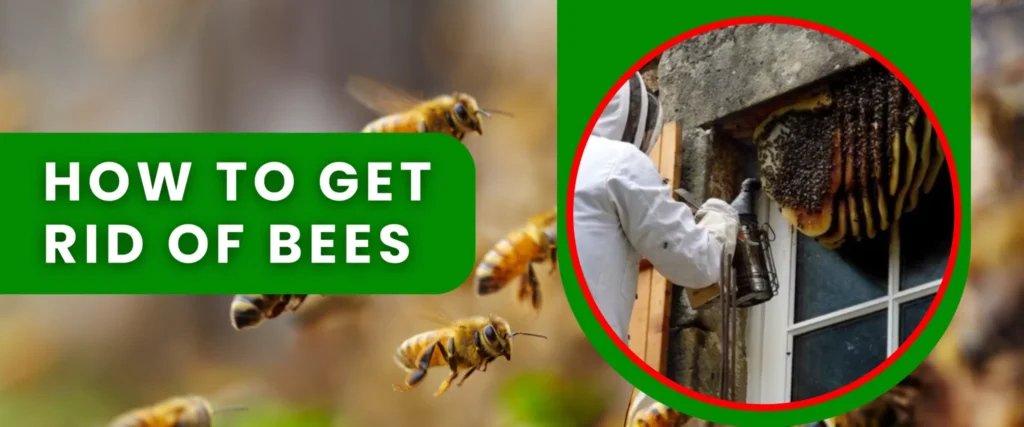
How to Get Rid of Bees

How to Get Rid of Bees Bee nests create problems for homeowners because they live near households. Several people seek solutions to deter bees by protecting their safety. Bees can be extracted using natural or chemical methods. Home or garden owners who detect bees wonder equally about effective bee repellents and techniques to discourage bee activity. A solution for this issue exists in fundamental and practical approaches. Researchers are interested in some of the odors that repel bees. Bees avoid scents containing cabbage or pickle odors, peppermint, and cinnamon. This guide teaches you how to remove outside bees and hive deterrents while explaining natural bee repellents. Our company provides both bee elimination services and the safest bee dissuasion measures. Further information is available in the text that follows.  How to Get Rid of a Bees Nest A hive around your residence presents a significant threat because allergy sufferers face intense danger from bee stings. First, locate the hive. Bees frequently construct their nests by selecting locations beneath roof eaves and cavities within walls and branches of trees. A hive should be extracted during the early morning or late evening hours when bee activity decreases.  The beehive deterrents citrus oil, garlic spray, and bee vinegar effectively convince bees to depart. The scents operate as organic agents that repel bees. Large hives coupled with a tricky spot require contacting a beekeeper or exterminator for proper hive removal.  How to Get Rid of Bees and Wasps Outside Bees and wasps can become a nuisance when they build nests near your home. Bees are essential pollinators, while wasps can be more aggressive and sting repeatedly. To remove them safely, locate their nests and use natural deterrents or call a beekeeper for relocation. For wasp infestations, sealing entry points and using wasp traps can help, but a professional may be needed for severe cases. Spraying a vinegar mixture onto regions where bees congregate is an effective approach to repelling them. A mixture of water and vinegar needs to be made before it is sprayed. Bees show a strong dislike for particularly strong-smelling scents. Everyone knows that mothballs operate as effective bee repellents. Place the repellents along areas where bees usually enter. Bees will be drawn to sugary food to maintain an open garbage attractant by properly closing trash bins. How to Get Rid of Bumble Bees The presence of bumble bees remains beneficial to the environment, although their nests adjacent to houses can become bothersome. Removing bumble bees from their dwelling requires natural citrus spraying near the nesting site. Boiling citrus peels in water creates a natural essence that effectively repels bees. Using cinnamon as a sprinkling agent at the nest location for three consecutive days is a proven method of bee removal. The solution’s fragrance creates an unpleasant odor that drives bumble bees to find different nesting grounds. The methods described provide safe ways to kill bees or prevent them from creating trouble. Contact a service professional when further assistance is necessary. How to Keep Bees Away  Bee populations serve a helpful function when they stay far from human residential spaces. There exist numerous safe biological methods to prevent bees from entering specific areas, but if the problem persists, Exterminators New York can provide professional solutions to safely manage infestations. Use Strong Smells Bees have a strong sense of smell, and several scents function as active bee repellents. Bee repellents include vinegar combined with water or peppermint extract and garlic, as well as cinnamon.  A bee vinegar solution diluted in water will create a burning sensation that bees dislike when sprayed on doors and windows.   Plant Bee-Repelling Plants Greenhouse owners use particular plant species to function as bee-deterring elements. The garden benefits from bee-deterrent plants, including eucalyptus cit, citronella, and mint, because they protect against bees. Remove Food Sources  Bees regularly visit open trash containers and sweet substances. Prioritize the routine practice of covering trash cans while keeping them clean. Use a Beehive Deterrent Fast action should be taken whenever you detect small hive formation. Applying citrus oil or garlic spray to hives can impede bee settlement. When an abnormally large hive exists, a professional should provide bee extermination services. The methods described enable effective bee repulsion to maintain distance from your residence.  Homemade Bee Killer  A homemade bee killer gives you the solution to exterminate bees securely. Here are some easy methods: Apply the methods with caution to protect yourself.  FAQ’s  Is there a safe method to eliminate a beehive? Citrus spray, garlic spray, and bee vinegar are beehive deterrents. The fragrances that bees find offensive cause them to abandon the area. What smells do bees hate? Vinegar, peppermint, garlic, and cinnamon’s intense odors drive bees away. Spraying these smells will create an area that bees avoid. What kills bees instantly? A solution made by mixing water with dish soap can swiftly reduce bees to death. Vinegar spray also works fast. How do I deter bees from my garden? Planting eucalyptus, mint, and citronella serves as natural bee-dissuader plants. Plants possess the natural capability to repel bees from the surrounding area. What does a natural substance work to repel bees? The natural bee-repelling ingredients include cinnamon and vinegar pep,permint, and citrus oil.

Ants

Bug Repellent for Bed: How to Keep Your Sleep Space Pest-Free

Bug Repellent for Bed: How to Keep Your Sleep Space Pest-Free Bed bugs and other pests are unwelcome as they can ruin a good night’s sleep. They’re reddish brown, about the size of an apple seed and can hide in mattresses, bed frames and furniture. Bed bug infestations have increased in the past few years. According to the National Pest Management Association, 97 percent of pest professionals have been treated for bed bugs within the past year. Regularly wash your bedding in hot water and use a bug repellent to keep your bed pest-free. Using a bed bug repellent for the skin can keep them from biting you while you sleep. To add an extra layer of protection, use a plug-in bedbug repeller to keep them away. Do you want to sleep well without worrying about bed bugs? Continue reading to find the top repellents and preventative action! Type of Bed bugs Bed Bugs (Cimex lectularius & Cimex hemipterus) Bed bugs hide in mattresses, bed frames and furniture. [Some bite humans at night, leaving itchy red spots.] To deter them, use bed bug repellent. Dust Mites The tiny pests dwell in mattresses, pillows and carpets. They do not bite but may cause allergies and asthma. Frequent cleaning and allergen-proof coverings can help. Fleas Fleas are tiny, leaping pests that feast on humans and pets. They leave itchy bites and spread rapidly. Clothing bed bug repellent may also help prevent fleas. Carpet Beetles These pests consume fabric, carpets, and upholstery. They don’t bite, but they can destroy household goods. They can be managed with vacuuming and pest sprays. If you want to keep your house pest-free, use natural insect repellent for bed bugs, frequent washing of bedding, and a clean home. Best Bug Repellents For Your Skin Sleep is hard to come by when bed bugs and other pests are present. The best bed bug repellent can help in preventing bed bugs. Here are the best options: Bed Bug Repellent for Skin You can protect yourself from bites by applying a bed bug repellent to your skin. Opt for sprays or creams made using natural ingredients such as tea tree oil and peppermint. Before bedtime, you could try a bed bug-repellent cream for your skin. Insect Repellent for Bed Bugs Certain chemical insect repellents for bed bugs are used to prevent bed bugs. You want sprays that contain DEET or permethrin, for example. These are good for mattresses and bedding. Clothes and Luggage Bed Bug Repellent Bed bugs can hitch a ride on your clothes and bags. Before you pack for your trip, treat your clothes with bed bug repellent. Such a bed bug repellent for luggage can keep them from coming home with you. Natural Repellent for Bed Bugs If you want to avoid chemicals, use one of the natural insect repellents for bed bugs. Lavender, eucalyptus, and neem are some excellent essential oils. You can also scatter diatomaceous earth around your bed. Plug-In Bug Repellent For Bed A plug-in bug-repellent for battle bugs sends out ultrasonic waves to deter pests. They can help some( maybe), but not for everyone. Bed Bug Repellent for Travel If you’re a hotel dweller, travel with bed bug repellent. Spray it on bedding and luggage to prevent taking bugs home. These repellents and routine cleaning can help keep your bed pest-free. Want a peaceful sleep? Mix and match some of these solutions! What Triggers Bed Bug Infestations Travel and Luggage Bed bugs travel easily and spread easily. They lurk in hotels, buses, and trains and cling to luggage and clothes. Taking a bed bug repellent for luggage can protect you from bringing them home. Second-Hand Furniture Purchasing used furniture can introduce Bed Bugs into your home, particularly sofas and mattresses. Always check second-hand items before use. Insect repellent for bed bugs, sprayed on furniture, can add a layer of protection. Cluttered Spaces Bed bugs are fond of hiding in clutter, cracks, and under beds. A messy room makes it easier for those to spread. Regular cleaning combined with a bug repellent for the bed will also keep them away. Close Living Spaces Apartments, dorms and shared housing raise the risk of infestations. Bed bugs can also travel between walls and pipes. This can be used to ensure they do not spread, which is why bed bug repellent for clothes is used. Lack of Prevention The risk of bed bugs is even higher without applying skin topical treatments such as bug repellent to the bed or washing beds regularly. A bed bug device uses a plug-in bug repellant that can help form a barrier. Natural insect repellent for bed bugs to avoid select bed bugs Maintain proper hygiene Clean regularly Check bedding routinely. Tips to Keep Bugs Out of Your Bed Seal Cracks and Gaps They get in tight spots — little cracks of walls, bed frames, furniture. But sealing those gaps can help keep them from spreading. Use Protective Covers A mattress and pillow cover are a great first layer of protection against pests. They keep bugs out and help to see bugs. Keep Your Room Cool Insects prosper in warmer climates. Keeping your room cooler may also kill their activity and make your bed less inviting. Don’t Put Bags or Clothes on the Bed Small pests can hitchhike on clothing and luggage. To prevent infestations, keeping your bags and worn clothes off the bed is also a good idea. Keep Pet Sleeping Areas Clean Bedding for pets can also draw in bugs. Regularly washing their blankets and cleaning their sleeping areas can minimize the risk. These simple steps will ensure your bed stays clean, comfy and bug-free! When to Call a Professional Exterminator At times, bed bugs prove to be difficult to eliminate yourself. However, if you continue to notice bugs after using a bed bug repellent for bed, it is best to call in a Professional Exterminator New York to ensure complete removal and prevent further infestation. Signs You Need Help: Exterminators employ heat treatments and high-grade repellents for bed bugs to eliminate bed bugs entirely. If you are dealing with a severe infestation, do not hesitate to call a professional. FAQ’s Is Vicks VapoRub a repellent against bed bugs? A strong smell is not enough to kill or repel bed bugs, so Vicks is a fool’s errand. What smell do bed bugs hate? Bed bugs do not like lavender, tea tree oil, peppermint, and vinegar. These can help repel

Ants

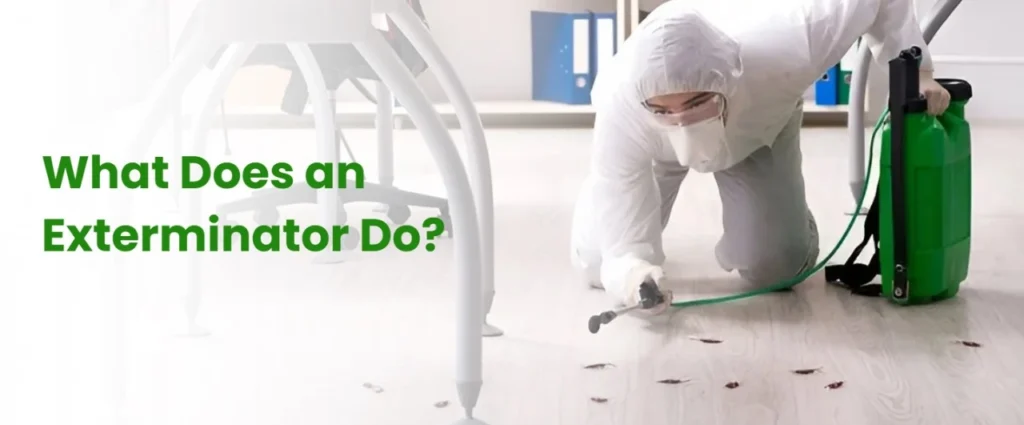
What Does an Exterminator Do? A Look Into Pest Control Services

Pests are a huge problem for homes and businesses. They damage and spread disease and cause an unhealthy environment. Many people look at DIY solutions, but if pests return, it pays to bring in a professional. But exactly what does an exterminator do? How do pest control experts remove the pests from your home, and how does pest control work? Let’s get a bit closer to pro pest control and learn about professional solutions for pest problems to know how our experts keep your homes pest-free. What Does an Exterminator Do? An exterminator is trained to remove pests from your homes and businesses. He looks around the place, detects the pests, and determines how to eliminate them in the best way possible. There are several treatments that an exterminator might use, such as traps, sprays, and chemical solutions. Their main aim is to get rid of the pests as soon as possible. The old-time exterminator, however, would not bother himself with preventing future infestations. Thus, the best professional pest solution is better since they can kill the pests but would also find a means of keeping them out forever. How Does Pest Control Work? Many people ask how pest control works. The procedure begins with inspection. Our pest control professional inspects for any sign of infestation. They search for pest droppings, nests, and entry points. Once the pest problem is detected, they choose the best method of treatment. Pest control professionals use different techniques, including: Unlike exterminators, pest control experts focus on long-term solutions. They help their house owners take measures of prevention against future infestations. What Is Pest Control Treatment? Pest control treatment is the removal or management of pests. The treatment depends on the type of pest and the amount of infestation. Common treatments for controlling pests are: Chemical Treatments Pest control experts employ insecticides and pesticides to kill pests. These chemicals are applied in targeted areas where pests hide. When well-used, they are safe for humans. Biological Control Some pest control firms employ biological methods. This means the application of natural hunters in controlling pests’ populations. For example, ladybugs are hunters of aphids that cause damage to plants. Traps and Baits Professional mouse and rat killers use traps and baits. These are deployed at strategic points to trap the pests without posing harm to human beings and domestic animals. Fumigation Fumigation is performed in cases of major infestations. This technique includes sealing the area and releasing the gas to kill the pests. It is the most common type for termites and bed bugs. What Is the Main Purpose of Pest Control? What Is the Main Purpose of Pest Control? Many homeowners ask this question. The answer is that the key objective is keeping homes and businesses free from pests. Pests can damage properties, spread diseases, and cause an unsafe environment. Pest control helps by: What Are the Uses of Pest Control? Many people ask, What are the uses of pest control? Pest control is significant in homes, businesses, and agriculture. Home Protection Pest control keeps houses bug-free, rats, or other wild creatures free. It helps in controlling diseases like Salmonella and Lyme disease. Business Protection For restaurants, hotels, and offices to be clean, pest control is essential. A pest-free business will bring customer satisfaction. Agriculture Protection Farmers use pest control to protect crops from insects and rodents. Without it, pests can destroy crops and cause food shortages. Why Do We Use Pest Management? There’s the question many ask: Why Do We Use Pest Management? The bottom line is the prevention of an infestation as well as managing populations. Pest management is actually better than extermination because it focuses on long-term solutions. Killing pests and not just terminating them helps stop the recurrence of these pests. Professionals seal all entry points, remove food sources, and provide advice on keeping homes pest-free. Why Choose Best@Pest for Pest Control? The qualified pest control is what Best@Pest boasts of. What we eradicate at Best@Pest are the pests, while preventing their resurgence. Our treatments are safe yet effective in ridding your homes of pests forever. FAQs How often should pest control be done? For the best performance, pest control should be administered every 3-6 months. However, homes with critical infestations may require a higher frequency of treatment. Are pest control tre₹atments safe for pets? Yes, the professional pest control treatments are pet-friendly. They use pet-friendly solutions and instruct on safety measures. Conclusion Pests are indeed a serious concern, but for pro pest control solutions, things are different. Knowing what an exterminator does and how pest control works is important in keeping your house pest-free. If you ever need expert help, trust Best@Pest for safe and effective solutions. Contact us today for professional pest control services!

Ants

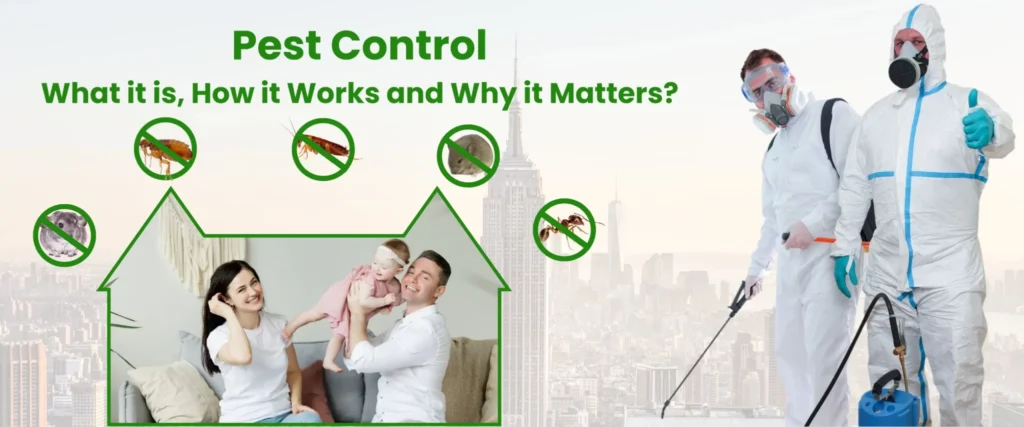
What It Is Pest Control, How It Works, and Why It Matters, How It Works, and Why It Matters

Pests cause big problems in homes and businesses. They cause diseases, destroy property, and make places unsafe. Pest control meaning is quite simple—it’s the process of removing or managing pests to keep spaces clean and safe. It helps prevent infestations and protects people from harmful insects and rodents. What is Pest Control? Pest control doesn’t only consist of removal. There’s also prevention and management, and then there are ways of providing permanent solutions. Treatments differ in respect of each type of pest. Experts adapt their methods accordingly depending on what type of pest infests one and to what extent. In general, the pest control service company looks at areas for pests, finds infestations, and eliminates them through safe methods. Experts use traps, sprays, and treatments to prevent pest problems in their homes. Pest control experts also train homeowners and businesses on how to prevent pests. They will advise on how to seal all entry points, proper waste disposal, and control of moisture in order to stop the pests from coming back. Their aim is to create a pest-free environment that is safe and healthy. How Does Pest Control Work? Pest control varies from pest to pest and severity. Some common methods include: Chemical Pest Control This approach uses pesticides to kill pests. It is very helpful for termites, cockroaches, and ants. Experts apply safe chemicals, so there is no chance of being harmed. Even eco-friendly chemicals are provided in case of environmental damage. Biological Control This method relies on several natural predators to destroy the pest. For example, ladybugs feed on aphids in gardens. It is one of the safest methods of pest control without the death of useful insects. Physical Control This method includes traps, barriers, and nets for trapping or excluding pests. A few of these are: Integrated Pest Management (IPM) This technique incorporates various methods for the long-term control of pests. It is basically a method of prevention and reduction of chemicals. IPM includes the following: Household Pests Pest occurs in different types, and every kind has its specific way of being managed. The common house pests are as follows: 1. Rodents (Rats & Mice) Rodents transmit diseases, rot food, and nibble on electrical cables. They breed extremely fast, making their infestation uncontrollable. The rodents extermination can be done by using traps, baits, and entry point sealings. 2. Cockroaches Cockroaches carry bacteria and asthma allergens. They dwell in dark, damp places and produce offspring instantly. Professional pest control is often the only solution for the complete removal of cockroaches. 3. Termites Termites do severe damage to wooden buildings. Termite control is mostly accomplished through baits, chemicals, and regular check-ups to avoid expensive repair jobs. 4. Bed Bugs Bed bugs are hiding in mattresses, furniture, and clothing. These insects suck human blood and are hard to get rid of without professional treatment that may involve heat treatment or chemical sprays. 5. Mosquitoes Mosquitoes cause malaria, dengue, and Zika virus diseases. Mosquito control requires the removal of standing water and repellents. Benefits of Pest Control Pest control has numerous benefits. It keeps houses clean, maintains health, and saves money. Here are key advantages: Keeps Health Problems Many pests harbor pathogens and cause diseases. Repeated interventions for pest control minimize infections and save families. Keeps Property Safe Termites and rats cause damage to homes and furniture. Pest control stops such threats before serious destruction is made. Food Keeping Safe Food is spoiled by pests; therefore, it is not good to consume. Rats and cockroaches are places where bacteria that cause food poisoning are harbored. It means that by keeping pests away, food becomes fresh and healthy. Allergies and Bites Dust, mites, and cockroaches provoke allergies and asthma attacks. Bedbugs have the ability of inflicting bites and itching the skin. In proper pest control, these risks are minimal, and homes become livable. Living with pests can be stressful. Cockroaches in the kitchen or rats in the attic make people have worries about the future. A pest-free home is a peaceful home. Pest control makes people feel safe and comfortable in their homes. Why Use a Pest Control Service? Most people have been asking, Why use a pest control service? Professional pest control services offer the best expert solutions to pest problems. They know the best ways to remove pests and prevent them from coming back. Benefits of Professional Pest Control What Is the Purpose of Pest Control? The greatest reason for pest control is to protect health, homes, and businesses. Without pest control, pests would cause the spread of diseases, damage buildings, and contaminate food. Maintaining clean and safe spaces necessitates regular pest control. Why Pest Control Matters to Businesses Pest control is very essential in meeting the health standards for businesses, especially food handling businesses. Hotels, restaurants, and hospitals must ensure there are no pests in them as it relates to hygiene and confidence. Why Do We Need to Control Pests? We need to control pests so that problems can be prevented from becoming worse. Pests breed very fast and can easily change a small problem into a large one. Here are some reasons why we need to control pests: What Does Pest Control Actually Do? People often ask, What does pest control actually do? Pest control removes present pests and protects against future invasions. Pest control professionals check for pests through inspections, eliminate them through treatment, and deter them from re-infesting. How to Select the Right Pest Control Service? While choosing the right pest control service, think about the following: Easy Steps to Prevent Pests The following are easy steps to prevent pests: Tightly Close Food Store food in covered bins or airtight containers. Avoid leaving food out for too long. Clean Daily Sweep, dust, and vacuum surfaces daily. Pests are attracted by crumbs and spills. Dispose of Rubbish Remove the rubbish daily. Keep the bins closed so that pests cannot be attracted by them. Seal all Entry Points Look for cracks, holes, and gaps in walls and

Ants

How to Get Rid of Bedbugs at Home

Bed bugs are small insects but give one massive headache. Bugs living in beds, furniture, and cracks prevent one from having a nice night’s sleep. We will be helping you understand how to rid of bedbugs at home by using natural methods and professional interventions. Let’s get down to it! What is a bed bug? Bed Bugs are small insects that feed on human blood. They hide in mattresses, bed frames, and couches during the day. Although not hazardous, the bites of bedbugs can be very itchy and hence uncomfortable. Many people would want to know how to get rid of bed bugs since they are irritating and hence very difficult to remove when there is no plan or strategy. Will the bed bugs just disappear on their own? No, bed bugs don’t just vanish into thin air. They multiply quickly, and even one bed bug can cause an infestation to start. If you’re lucky enough to catch the signs of bed bugs, such as bites or small black dots on your mattress, then you need to act quickly to help prevent them from spreading. How to Identify Bedbugs The best way to get rid of them is first to find them. To do so, check these places: If you are thinking, “How do I get rid of bed bugs fast?”; the first thing would be to find their hiding place. Why do bed bugs like hiding in mattresses? They generally dwell inside the mattress simply because the mattress helps these insects be as close as possible to their food, human beings. Bed bugs find suitable hides in the seams and corners of mattresses from where these emerge at night and have a bite. These Bug Mattress Covers can also retain bed bugs inside them to the effect that you also are not bitten. Disinfecting Bed Bug from Your Home 1. Clean Everything The key formula to get rid of bed bugs is a deep and thorough cleaning session. First, all bedding, curtains, and garments shall be washed in warm hot water. Indeed, bedbugs and their eggs will be killed by heat; if something cannot be washed, put it in a dryer on high heat for 30 minutes. 2. Daily Vacuum Vacuum your house every day mainly around the bed, sofa, and other furniture, too. Note the crack and corner because bed bugs often hide there. Pick up the live bugs and eggs by vacuuming to understand how you may get rid of these bugs fast. 3. Mattress Cover A bed bug mattress cover is a specialized cover put on to keep the bugs inside your mattress. This will prevent bugs from getting out into the bed to bite and prevent cleanup of the mattress in every way. 4. Bed Bug Sprays A bed bug treatment spray may be a quick way to kill them. Sprays can be found that are generally safe for indoor use. As with other treatments for most insects, it’s great to carefully follow the instructions provided. Using sprays seems to be one fast possible way of knowing how to get rid of the bug quickly. Can You Use Home Remedies Against Bed Bugs? If you are looking for how to get rid of bed bugs with home remedies, then you can try some natural solutions; these are safe and very easy to use. 1. Baking Soda Sprinkle baking soda around your bed and other points of concealing; this dries the insects out, hence killing them. Best results may be achieved with its frequent repetition every now and then. 2. Vinegar Another effective home remedy against bed bugs is vinegar. You will be able to kill the bugs instantly by spraying them with vinegar directly. Concentrate your efforts in places where the bugs have been hiding. 3. Essential Oils It is said that lavender oil and tea tree oil can keep bedbugs away. Mix a few drops in water and spray it around your home. It will not kill the bugs but will keep them away. 4. Diatomaceous Earth This is a natural powder and is an effective bed bug killer. Sprinkle it in your home, and it can kill bedbugs by dehydrating them. It is safe for humans and pets. How to Get Rid of Bed Bugs Forever 1. Seal Cracks and Holes Seal all cracks and holes found in walls and furniture too, so as to make it difficult for them to hide. Due to the small size of such areas, closing them shuts off favorite hangouts for bed bugs. 2. Call in Professionals Sometimes, remedies will just not be adequate. Search for ‘bed bug pest control near me‘ or take the professional help provided by Best at Pest to get rid of them once and for all. Our team of experienced specialists knows how to eliminate the bugs using the most modern techniques, which helps the bugs not reappear anytime in the future. 3. Steam Cleaning At a high temperature, the bed bug instantly dies. Steam cleaners may clean mattresses, sofas, and carpets as steam goes deep into cracks and kills bugs and their eggs inside. 4. Apply Bed Bug Killers If ever you wonder, “What is the best bed bug killer?” look at those products approved by the EPA. Those are efficient against both bugs and eggs. Combine this with other methods for longer-term results. How to Get Rid of Bed Bugs in Mattress If you want to get rid of bed bugs in the mattress, here are a few tips: How to Eliminate Bed Bugs Fast Sometimes, you want results now. Here are some of the ways you can eliminate bed bugs in a faster way: If you are thinking, “How do I get rid of bed bugs fast?” put your emphasis on speed and the power of combinations to ensure the best outcome. FAQs Q1: Can bed bugs be eliminated without professional intervention?Sure, you could try home remedies for bedbugs, such as baking soda or vinegar. For permanent results,

Ants

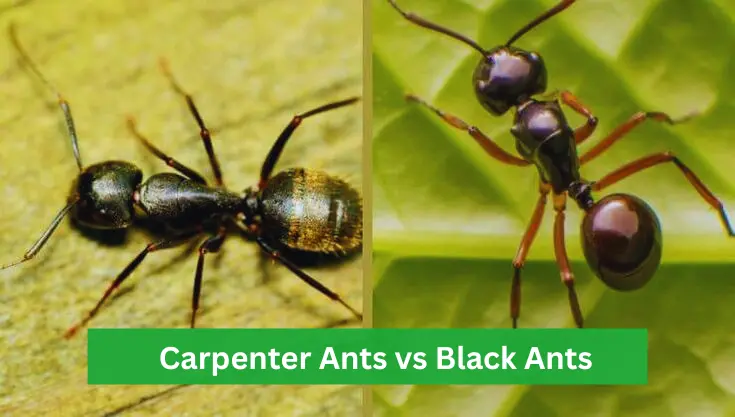
Carpenter Ants vs Black Ants: Size & Identification

Ants are some very common insects that are usually dealt with in homes, as their identification for differentiation was quite important in taking serious measures for their management, especially carpenter ants vs. black ants. Despite much resemblance, there are serious differences in behavior, habitat distribution, and potential consequences upon infestation. This blog provides an in-depth comparison to help beginners understand the difference between carpenter ants and black ants and identify them effectively. Difference Between Carpenter Ants and Black Ants The major difference between carpenter ants and black ants is in their size and nesting habits. Carpenter ants are larger, ranging from 1/2 to 5/8 inches in size, and are known for their ability to excavate wood to build nests. On the other hand, black ants, also called black garden ants, are much smaller, measuring around 1/8 to 1/4 inches, and typically nest outdoors in soil or vegetation. The other difference lies in its behavior. While black ants vs carpenter ants both search for food, carpenter ants cause damage to structural elements by burrowing through wood. Black ants generally do not pose a threat by foraging primarily near plants or at plants. Carpenter Ants Identification Identification is key to any carpenter ant infestation. But what does a carpenter ant look like? These are larger ants compared to the rest of the species, they have a triangular head, bent antennae, and a single-segmented petiole. In seasons of mating, the carpenter ant grows wings, which makes them easily identifiable. Unlike black ants, carpenter ants prefer damp and decaying wood as their nesting site. Carpenter ants can be found when sawdust-like debris is present around the immediate structure of a wooden host. Black Garden Ant vs Carpenter Ant The most salient differences between a black garden ant vs carpenter ant can be discerned in size and behavior. Black garden ants are much smaller and prefer outdoor nesting in soil or beneath stones and pavement. In comparison, carpenter ants attack moistened wood indoors, which can give rise to structural damage. Black garden ants are mostly attracted to sweet substances, such as honeydew, whereas carpenter ants are searching for protein-laden food sources. These nesting and feeding habits increase the relevance of black ant vs carpenter ant identification in pest management. Appearance and Features What Does a Carpenter Ant Look Like? It is one variety of large ant. Its head is triangular with bent antennae, its body is dark-colored hence making it easily recognizable. Most carpenter ants are black, although depending on their species, they may become reddish or brown. What Do Wood Ants Look Like? Smaller, typically reddish-brown, wood ants are most often mistaken for carpenter ants. Unlike carpenter ants, they are not as apt to infest homes and exist primarily outside of them. Black Ants That Bite While most black ants are harmless, some species of black ants that bite can cause mild irritation. However, their bites are not venomous and are generally not harmful to humans. Carpenter Ants Size vs Black Ant Size Size is a critical factor when identifying these ants. Behavior and Impact Do Black Ants Sting? No, black ants do not sting. They depend on their biting ability for defense, though these bites are harmless and rarely painful. Do Big Black Ants Bite? Yes, big black ants, including carpenter ants, can bite. Carpenter ants’ bite could be a little painful owing to their bigger mandibles but is not poisonous. Large Black Ants In House Meaning Seeing large black ants in your house typically indicates an invasion made by carpenter ants. Generally, these carpenter ants attack homes featuring moist and decaying wood, such as basements or attics. Over time, their tunneling can weaken structures, which may be harmful to a building, leading to costly repairs. FAQs Q: Are All Black Ants Carpenter Ants? A: No, not all black ants are carpenter ants. While carpenter ants are predominantly black, other species, such as black garden ants, are significantly smaller and non-destructive. Identifying specific features, like their triangular head and wood-burrowing behavior, can help differentiate carpenter ants from other black ants. Q: How Can I Tell If I Have a Carpenter Ant Infestation? A: Signs of a carpenter’s ant infestation include the presence of large black ants, piles of sawdust-like debris near wooden structures, and hollow-sounding wood when tapped. You may also see winged carpenter ants indoors, especially during their mating season. Q: Can Black Ants and Carpenter Ants Coexist? A: It may well be possible for black ants and carpenter ants to share an environment, as long as their nesting and feeding behaviors are different. However, if both infest your home, it’s important to identify and address each species separately to avoid further issues. Conclusion Understanding the differences between carpenter ants vs black ants is essential for effective pest control and prevention. While carpenter ants are much larger and more destructive, mostly found in wood, black ants are usually quite small, harmless, and prefer outdoor environments. Being aware of ant identification may help home property owners avoid any sort of structural damage and possible situations where urgent measures may already be too late. Take Control of Your Ant Problem Today! Are ants infesting your home, or perhaps some professional advice? Contact BestAtPest today!

Scroll to Top