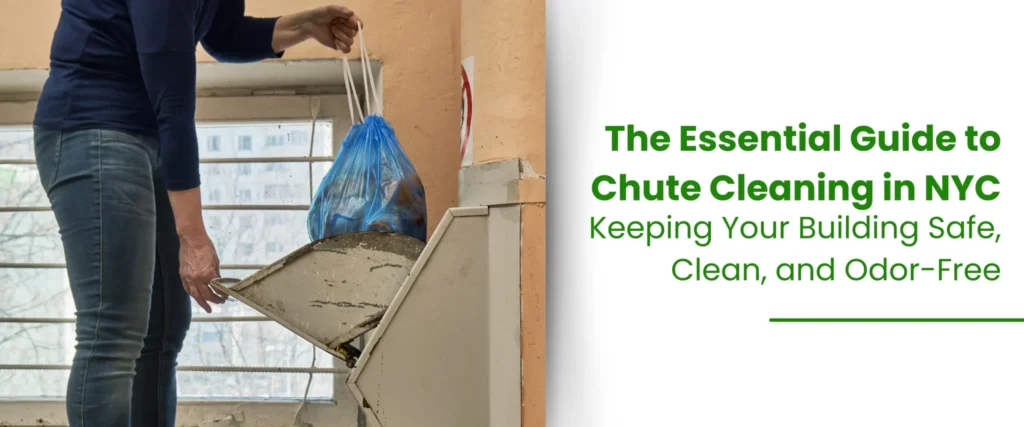
The Essential Guide to Chute Cleaning in NYC
The Essential Guide to Chute Cleaning in NYC: Keeping Your Building Safe, Clean, and Odor-Free Chute cleaning is the process of removing waste, debris, and odors from garbage chutes in residential and commercial buildings. These chutes, often located in common areas, serve as a convenient way to dispose of trash. However, over time, they can become clogged, contaminated, and release unpleasant odors. Regular chute cleaning is essential to maintain a clean, healthy, and safe environment for building occupants. Importance of Chute Cleaning in NYC New York City, with its dense urban landscape and numerous high-rise buildings, presents unique challenges for chute cleaning. The high volume of trash generated in the city, tied with the close proximity of buildings, can lead to rapid accumulation of waste in chutes. This can create unhygienic conditions, attract pests, and even pose health risks. Additionally, the city’s humid climate and frequent rainfall can contribute to the growth of mold and bacteria within the chutes. These microorganisms can produce unpleasant odors and potentially cause respiratory problems for building occupants. Regular chute cleaning is therefore crucial to prevent these issues and ensure the well-being of residents and workers in NYC. What is Chute Cleaning? Chute cleaning involves a multi-step process to ensure the thorough removal of waste, debris, and contaminants from garbage chutes. This process typically includes: Debris Removal: Using specialized equipment, such as hydraulic rods, technicians remove solid waste, food scraps, and other debris from the chute. This may involve breaking up blockages or removing compacted materials. Sanitation: Once the debris is cleared, the chute is thoroughly cleaned and sanitized using powerful cleaning agents. This step helps to eliminate bacteria, viruses, and other harmful microorganisms that can accumulate in the chute. Deodorization: After cleaning, deodorizers are applied to neutralize unpleasant odors and leave the chute smelling fresh. These deodorizers can be natural or synthetic and are chosen based on their effectiveness and safety. Common Types of Chutes New York City buildings feature various types of chutes, each with its own specific characteristics and cleaning requirements. Some common types include: Trash Chutes: These are typically located in residential buildings and are used for disposing of household waste. They are often made of metal or concrete and can be either vertical or horizontal. Garbage Chutes: Similar to trash chutes, garbage chutes are designed for waste disposal. However, they may be larger and more vigorous to accommodate commercial or industrial waste. Compactor Chutes: These chutes are connected to compactor units and are used to compress waste before it is collected. They require specialized cleaning techniques to prevent blockages and ensure proper operation. Why Regular Chute Cleaning is Crucial Health and Hygiene Dirty chutes can pose significant health risks to building occupants. Accumulated waste and debris provide a breeding ground for pests, such as rats, cockroaches, and flies. These pests can carry diseases and contaminate food, leading to health problems. Additionally, the decomposition of organic matter in the chutes can produce unpleasant odors that can cause discomfort and respiratory issues. Fire Safety A major concern with dirty chutes is the risk of fire. Accumulated debris, including food scraps, paper, and other flammable materials, can ignite if exposed to heat or sparks. This can lead to a serious fire that can spread throughout the building, endangering lives and property. Regular chute cleaning is essential to remove these fire hazards and reduce the risk of a fire. Durability of Chute Systems Regular maintenance, including cleaning and inspections, can significantly extend the life of chute systems. By removing debris and preventing blockages, cleaning helps to maintain the structural integrity of the chute and its components. This can reduce the need for costly repairs or replacements in the future. Additionally, regular inspections can identify potential problems early on, allowing for timely maintenance and preventing more serious issues from developing. The Role of Trash Chute Coatings What are Trash Chute Coatings? Trash chute coatings are protective coatings applied to the interior of chutes to enhance their durability and resistance to damage. These coatings can be made of various materials, including epoxy, polyurethane, or ceramic. Benefits of Chute Coating Services Applying a coating to a trash chute offers several advantages: Reduced Odor Absorption: Coatings can create a barrier that prevents odors from penetrating the chute walls, helping to maintain a fresher-smelling environment. Preventing Corrosion: Coatings protect the chute from corrosion, which can occur over time due to moisture and exposure to cleaning chemicals. Enhanced Durability: Coatings can increase the overall durability of the chute, reducing the risk of damage from debris or wear and tear. Easier Cleaning: Coated chutes can be easier to clean, as the coating can prevent debris from adhering to the walls, making it less likely for blockages to form. The Equipment Used in NYC Garbage Chute Cleaning Advanced Cleaning Technology Modern garbage chute cleaning utilizes a variety of advanced equipment to ensure thorough and efficient cleaning: High-Pressure Washing Systems: These systems use powerful water jets to remove debris and grime from the chute walls. The high pressure can help to break up stubborn blockages and sanitize the surface. Sanitizing Agents: Specialized sanitizing agents are used to kill bacteria, viruses, and other harmful microorganisms. These agents are often formulated to be effective against a wide range of pathogens. Deodorization Tools: Deodorization tools, such as foggers or sprayers, are used to distribute deodorizing agents throughout the chute. These tools help to eliminate unpleasant odors and leave the chute smelling fresh. Innovations in Chute Cleaning The field of chute cleaning has seen several recent innovations that have improved the efficiency and effectiveness of the process. Some examples include: Robotic Cleaning Systems: Some companies have developed robotic systems that can navigate and clean chutes autonomously. These systems can reduce the need for manual labor and improve safety. Advanced Cleaning Agents: New cleaning agents have been developed that are more effective at removing stubborn debris and odors while being environmentally friendly. IoT-Enabled Monitoring: Internet of Things (IoT) technology can be used to monitor chute conditions and