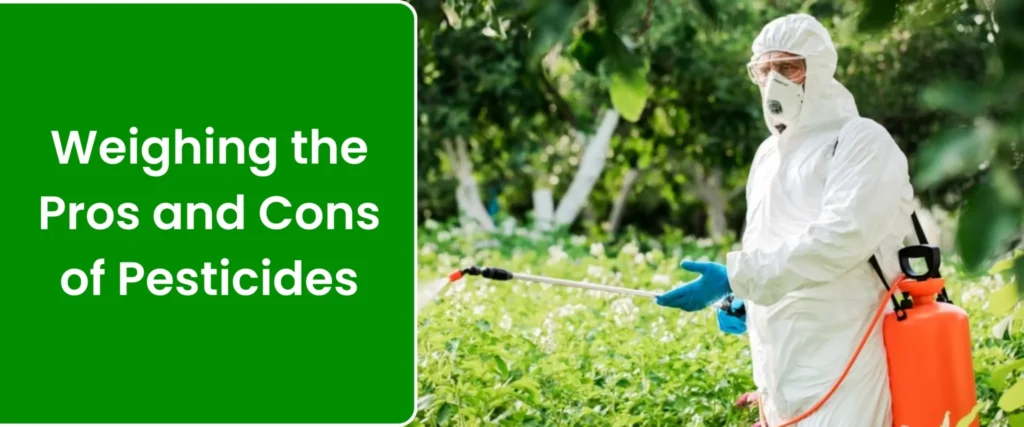
Weighing the Pros and Cons of Pesticides: A Comprehensive Guide for NYC Residents
Weighing the Pros and Cons of Pesticides: A Comprehensive Guide for NYC Residents Living in a bustling metropolis like NYC, you might not think much about the tiny critters that share our urban environment. But from pesky pigeons to persistent ant infestations, insects and other organisms can become unwelcome guests in our homes and gardens. This is where pesticides come in. However, before reaching for the nearest spray bottle, it’s crucial to understand both the benefits and drawbacks of using these chemicals. This guide will equip you with the knowledge you need to make informed decisions about using pesticides in your NYC environment. We’ll delve into the advantages and disadvantages of these products, explore various types of pesticides, and offer insights on related topics like safe application and eco-friendly alternatives. Understanding Pesticides What are Pesticides? Pesticides are a broad category of chemicals designed to eliminate or control unwanted organisms. These organisms can include: Insects (insecticides) Weeds (herbicides) Fungus (fungicides) Rodents (rodenticides) Mites (miticides) The primary purpose of pesticides is to protect our health, property, and valuable resources. For instance, insecticides can safeguard us from mosquito-borne diseases, while herbicides prevent weeds from competing with crops for vital nutrients. Types of Pesticides The world of pesticides encompasses a diverse range of products, each with its specific target and mode of action. Here’s a closer look at some common types: Insecticides: As the name suggests, insecticides target insects. They come in various forms, including sprays, dusts, baits, and gels. Some common types of insecticides include: Organophosphates: These were once widely used but are now restricted due to potential health risks. Pyrethroids: Synthetic versions of a naturally occurring insecticide derived from chrysanthemums. Relatively less toxic to humans than some other options. Carbamates: Another class of insecticides with a shorter lifespan in the environment compared to organophosphates. Neonicotinoids: A newer class that acts systemically within plants, meaning they are absorbed and circulate throughout the plant tissue. The specific type of insecticide you choose will depend on the target insect, application site, and desired level of control. Pros of Using Pesticides Pest Control Efficiency Pesticides offer a powerful tool for controlling a wide range of pests that can threaten our homes, gardens, and agricultural resources. Here are some specific examples: Termites: These silent destroyers can wreak havoc on wooden structures. What pesticide kills termites? Is an important question to answer to protect it from destruction. Pesticides containing fipronil or hexaflumuron are commonly used for termite control due to their effectiveness in eliminating existing colonies and preventing future infestations. Mosquitoes: These insects not only cause itchy bites but also transmit dangerous diseases like malaria, dengue fever, and West Nile virus. Insecticides applied to breeding grounds or used as mosquito repellents can significantly reduce mosquito populations and the risk of disease transmission. Rodents: Rats and mice can spread diseases, contaminate food, and damage property. Rodenticides come in various forms like baits and traps, effectively controlling rodent populations and protecting public health. Increased Agricultural Yield Pesticides play a crucial role in modern agriculture by protecting crops from a variety of pests, including: Insects: Crop-destroying insects like locusts and beetles can devastate entire harvests. Insecticides help ensure healthy crop growth by preventing significant insect damage. Weeds: Weeds compete with crops for water, nutrients, and sunlight, reducing yields. Herbicides effectively control weed growth, allowing crops to thrive and maximize production. Fungi: Fungal diseases can significantly impact crop health and quality. Fungicides help prevent and control these diseases, leading to higher crop yields. By minimizing losses due to pests, pesticides contribute to increased agricultural productivity, ensuring a stable food supply for a growing population. Economic Benefits The use of pesticides translates to economic benefits for both farmers and consumers: Farmers: Reduced crop losses due to pests lead to higher profits for farmers. This allows them to invest in better farming practices and technologies, ultimately contributing to a more sustainable agricultural sector. Consumers: Increased crop yields generally lead to lower food prices for consumers. Additionally, by preventing the spread of crop diseases, pesticides help maintain a stable and affordable food supply. Disease Prevention Pesticides play a vital role in public health by controlling pests that transmit diseases. Mosquitoes, ticks, and fleas can all carry diseases that can be debilitating or even fatal. By effectively controlling these pest populations, pesticides help prevent the spread of these diseases and protect public health. Cons of Using Pesticides Health Risks Despite their benefits, pesticides can pose health risks to humans if not used properly. Some potential health concerns include: Acute exposure: Direct contact with pesticides through inhalation, skin absorption, or ingestion can lead to immediate health problems like respiratory irritation, headaches, dizziness, and nausea. Chronic exposure: Long-term exposure to even low levels of pesticides has been linked to various health problems, including certain cancers, neurological disorders, and birth defects. Environmental Impact Pesticides can have a detrimental impact on the environment: Soil contamination: Pesticides can persist in the soil, harming beneficial organisms like earthworms and soil microbes that are crucial for maintaining soil health. Water pollution: Runoff from treated areas can contaminate water sources with pesticides, posing a threat to aquatic life and potentially impacting drinking water supplies. Non-target species: Pesticides can harm beneficial insects like pollinators (bees, butterflies) and predators that naturally control pest populations. This can disrupt ecosystems and lead to unintended consequences. Pesticide Resistance A significant concern with pesticide use is the development of resistance in pest populations. Over time, repeated exposure to the same pesticide can lead to pests evolving resistance mechanisms, rendering the pesticide ineffective. This necessitates the use of stronger or alternative pesticides, potentially increasing health and environmental risks. Banned Pesticides List: Due to their severe health and environmental impacts, some pesticides have been banned entirely or restricted in use. Examples include: DDT: This once widely used insecticide is now banned due to its persistence in the environment and its harmful effects on wildlife, particularly birds. Neonicotinoids: The use of certain neonicotinoids is being restricted in many countries due to their