Marquee Text
Limited-Time Discount: Save $50 on Your First Service as a New Customer!
Mites

Mites

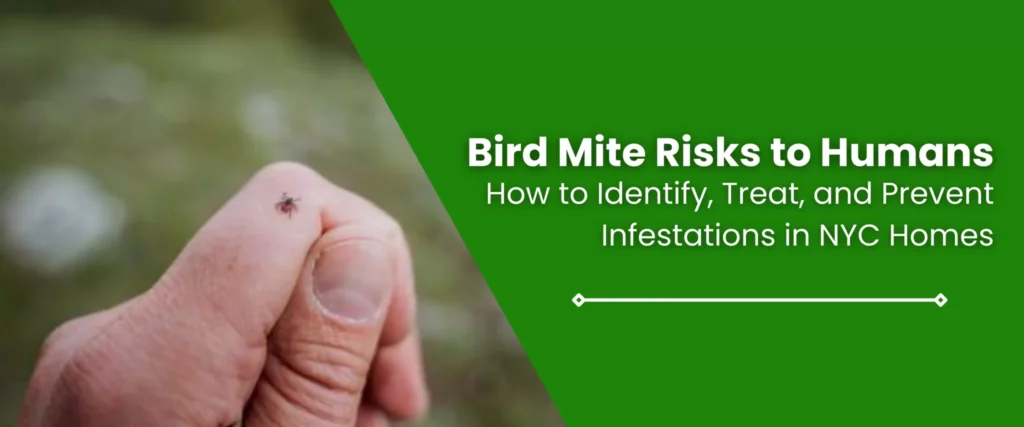
Bird Mite Risks to Humans

Bird Mite Risks to Humans: How to Identify, Treat, and Prevent Infestations in NYC Homes In the bustling metropolis of New York City, where towering skyscrapers and dense population create a unique urban environment, a lesser-known yet significant threat lurks within homes: bird mites. These tiny, parasitic insects, often associated with birds, can infest human dwellings, causing discomfort, skin irritation, and potential health risks.  Bird mites, belonging to the Dermanyssidae family, are parasitic insects that primarily infest birds. These minuscule creatures, typically measuring less than 0.5 millimeters in length, feed on the blood of their avian hosts. While they are typically found in bird nests and roosting sites, they can also migrate indoors, especially during periods of heavy bird activity or when their preferred habitats are disturbed. Bird Mite Risks to Humans Health Risks Bird mite infestations can pose significant health risks to humans, particularly those with sensitive skin or allergies. Common health issues associated with these pests include: Allergic Reactions: Individuals with allergies to mites may experience allergic rhinitis, characterized by symptoms such as sneezing, runny nose, itchy eyes, and congestion. In severe cases, exposure to bird mites can trigger asthma attacks or other respiratory problems. Skin Irritation: Bites from bird mites can cause intense itching, redness, and skin rashes. Scratching can lead to secondary infections, further aggravating the discomfort. Psychological Impact: Living in a home infested with bird mites can be distressing and emotionally taxing. The constant presence of these pests can lead to anxiety, stress, and a sense of unease. Mite Behavior Bird mites are primarily nocturnal, feeding on their avian hosts during the night. However, when their bird populations decline or their habitats are disturbed, they may seek alternative sources of blood, including humans. These mites typically bite at night, often around the face, neck, and upper body. Urban Challenges in NYC The densely populated urban environment of New York City presents unique challenges for dealing with bird mite infestations. Several factors contribute to the increased risk of infestations in metropolitan areas: High Bird Populations: NYC is home to a diverse range of bird species i.e pigeons, many of which find suitable nesting and roosting sites in the city’s buildings and parks. These high bird populations increase the likelihood of mite infestations. Rooftop Nests: Many buildings in NYC have rooftop features that provide ideal nesting sites for birds, such as ledges, ventilation shafts, and satellite dishes. These nests can harbor large populations of bird mites. Apartment Building Structures: The close proximity of apartments in NYC buildings can facilitate the spread of mites from one unit to another, making it difficult to contain infestations. How to Identify Bird Mites Recognizing the signs of a bird mite infestation is crucial for taking timely action. Here are some key indicators for bird mite identification: On Birds: Look for signs of distress, restlessness, and excessive scratching in birds. Examine their feathers for small, reddish-brown mites. In Homes: Pay attention to tiny, reddish-brown specks on bedding, furniture, and walls. You may also notice small, dark spots on light-colored surfaces. On Humans: Look for small, red bumps on your skin, often accompanied by intense itching. These bites are typically found on exposed areas such as the face, neck, and arms. Tiny Black Bugs in House If you’re noticing tiny black bugs in your home, it’s important to accurately identify them to determine the appropriate course of action. While bird mites can appear black under certain conditions, other small insects, such as fleas, carpet beetles, or booklice, may also be present. To differentiate bird mites from other tiny black bugs, consider the following characteristics: Size and Shape: Bird mites are typically smaller than other common household pests and have a more rounded shape. Behavior: Bird mites are often found in areas with bird activity or near potential nesting sites, such as attics, eaves, or chimneys. Bite Marks: If you’re experiencing bites, look for the characteristic red bumps associated with bird mites. Treating Bird Mites on Birds How to Get Rid of Bird Mites on Birds If you have birds in your home or garden and suspect a mite infestation, it’s important to take prompt action to protect your feathered friends. Here’s a step-by-step guide on treatment and prevention: Isolate Infected Birds: Separate the infected birds from healthy ones to prevent the spread of mites. Clean the Aviary or Cage: Thoroughly clean and disinfect the aviary or cage, including perches, feeders, and water dishes. Use a mild detergent solution and a disinfectant approved for use on birds. Treat the Birds: Consult with a veterinarian to determine the most appropriate treatment for your birds. They may recommend specific medications or natural remedies to eliminate mites. Prevent Future Infestations: Regularly clean and disinfect the aviary or cage to prevent mite re-infestation. Monitor your birds for signs of mites and take prompt action if necessary. Chicken Lice Treatment vs. Bird Mite Treatment While chicken lice and bird mites are both parasitic insects, there are some key differences in their treatment: Host Specificity: Chicken lice are specifically adapted to infest chickens, while bird mites can infest a variety of bird species. Treatment Options: The treatments available for chicken lice and bird mites may differ, depending on the specific type of parasite and the affected bird species. Prevention Strategies: Prevention strategies for chicken lice and bird mites may also vary, such as the use of specific poultry medications or the implementation of hygienic practices in the coop. Diatomaceous Earth as a Solution Diatomaceous earth is a natural substance made up of fossilized diatoms, microscopic aquatic organisms. It can be an effective tool for controlling mites, including bird mites. Here’s how diatomaceous earth works: Dehydration: Diatomaceous earth is made up of tiny, sharp particles that can puncture the exoskeletons of insects, leading to dehydration and death. Safe for Birds: When used properly, diatomaceous earth is generally safe for birds. However, it’s important to choose a food-grade product and follow the manufacturer’s instructions. Bird Mite Infestations in Homes How to

Mites

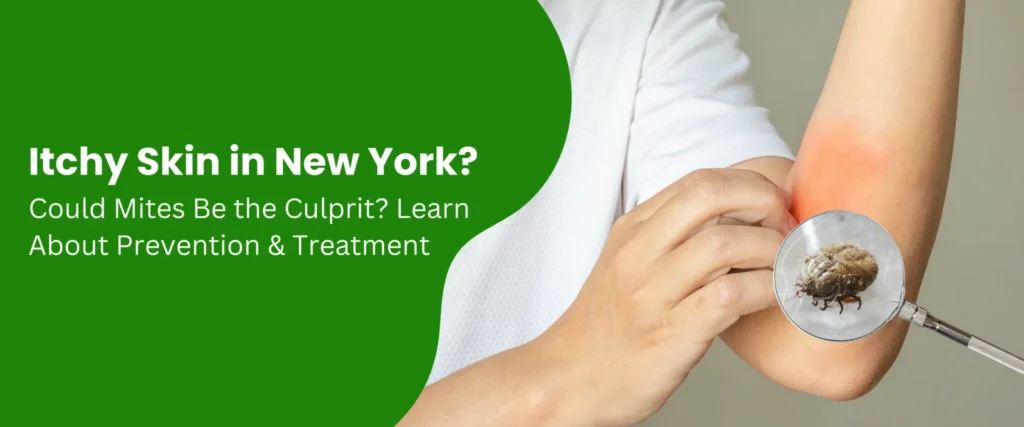
Itchy Skin in New York? Could Mites Be the Culprit? Learn About Prevention & Treatment

Living in New York City, you’re not alone if you’ve ever experienced unexplained itchy skin. While there are many potential causes, tiny houseguests called mites could be the culprit behind your discomfort. Mites in the Big Apple: Big Problems in Small Packages Mites are microscopic arachnids, relatives of spiders and ticks. Several different mite species can thrive in New York environments. While they don’t directly bite humans, their presence can trigger allergic reactions and irritation. Ignoring a mite infestation can lead to more than just itchy skin. These pests can worsen allergies and asthma, impacting your overall comfort and well-being. Let’s delve deeper into the world of mites, specifically focusing on the most common culprit for itchy skin in New York apartments: dust mites. Demystifying Dust Mites One of the most common concerns people have about dust mites is their ability to fly. Fear not! Do Dust Mites Fly? No Way! Despite their name, dust mites lack the wings necessary for flight. They are even too small to actively jump. So how do they move around? Hitching a Ride and Crawling Along Dust mites are tiny hitchhikers. They primarily rely on air currents and clinging to fabrics like clothes, bedding, and furniture to travel. Their microscopic size allows them to crawl on surfaces, but their movement is slow and deliberate. Managing Dust Mite Allergies: Beyond the Bedroom While dust mites thrive in our beds and bedding, their allergens can become airborne and impact us throughout the apartment. Here’s how to manage dust mite allergies beyond just changing your sheets: foods to avoid with dust mite allergy: Believe it or not, some foods share similar proteins with dust mites, triggering a cross-reaction in sensitive individuals. Here are some common culprits: Shrimp and Shellfish: These crustaceans contain proteins similar to those found in dust mites. Certain Cheeses: Aged cheeses like cheddar and parmesan may trigger allergies due to shared proteins. Mealworms and Crickets: These insects are becoming a more common protein source and can mimic dust mite allergies in sensitive people. Dust Mites and Our Furry Friends Our beloved pets can unknowingly harbor dust mites in their fur, contributing to allergy woes. Let’s explore how dust mites affect both us and our furry companions: What Kills Dust Mites on Dogs? The good news: Regular baths with a gentle, veterinarian-approved shampoo can significantly reduce dust mite populations on your dog’s fur. Precautions and Recommendations: Frequency: Consult your vet about the ideal bathing frequency for your dog’s breed and coat type. Over-bathing can dry out their skin. Washing Bedding: Wash your dog’s bed weekly in hot water (at least 55°C or 130°F) to kill dust mites. Vacuuming: Regularly vacuum furniture and carpets, paying attention to areas where your dog spends time. Dust Mite Allergy in Dogs: Just like humans, dogs can also be allergic to dust mites. Here are some signs to watch out for: Excessive Itching: Constant scratching, especially on paws, ears, and face. Skin Irritation: Redness, inflammation, and hair loss in itchy areas. Recurring Skin Infections: Frequent hot spots or bacterial infections on the skin. How to Get Rid of Dust Mites on Cats: Cats are generally good at grooming themselves, but dust mites can still hitch a ride on their fur. Here’s how to combat them: Brushing: Regularly brush your cat with a fine-toothed comb to remove dust mites and dander. Spot Cleaning: Wipe your cat down with a damp cloth (avoiding their eyes and ears) to remove dust and allergens. Cat-Friendly Sprays: Certain veterinarian-approved sprays can help reduce dust mite populations on your cat’s fur. Differences Between Dust Mites and Bed Bugs: Know Your Enemy While itchy skin can be a symptom of both dust mites and bed bugs, these tiny terrors require different approaches for eradication. Here’s a breakdown to help you identify the culprit and banish them from your home: Dust Mites vs Bed Bugs: A Tale of Two Mites Appearance: Dust mites are microscopic, requiring a microscope to see. Bed bugs are reddish-brown, flat, and about the size of an apple seed. Habitat: Dust mites thrive in warm, humid environments, especially bedding, mattresses, and upholstered furniture. Bed bugs, as their name suggests, prefer hiding near beds and furniture where they can feed on human blood at night. Feeding Habits: Dust mites don’t bite humans. They feed on shed skin flakes, and their waste is the primary allergen causing itchy skin. Bed bugs feed on human blood, leaving itchy bites in a line or cluster. Eradicating the Enemy: How to Get Rid of Bed Bugs and Dust Mites Dust Mites: Focus on creating a dry, inhospitable environment. Wash bedding in hot water (at least 55°C or 130°F) weekly. Encase mattresses and pillows in allergen-proof covers. Vacuum carpets and furniture regularly, using a HEPA filter if possible. Consider replacing carpets with hard floors for easier cleaning. Bed Bugs: Due to their blood-sucking nature and resilience, professional pest control is often necessary. However, you can prepare your home by washing bedding in hot water, encasing mattresses and box springs, and sealing cracks and crevices where bed bugs might hide. How to Get Rid of Dust Mites in Couch: A Step-by-Step Guide for Removal Upholstered furniture is prime real estate for dust mites. Here’s how to reclaim your couch: Pre-treatment: Remove cushions and vacuum thoroughly, focusing on crevices and seams. Use the upholstery attachment for a deeper clean. Hot Water Extraction: Consider professional carpet cleaning services that offer hot water extraction specifically designed for upholstery. Baking Soda Power: Sprinkle baking soda on the couch fabric and let it sit for at least 30 minutes to absorb moisture and odors. Thorough Vacuuming: Vacuum the baking soda thoroughly, ensuring you remove all traces. Steam Cleaning: If your couch fabric allows, use a handheld steamer to kill dust mites and remove any remaining allergens. Washing Cushion Covers: If possible, wash cushion covers in hot water (at least 55°C or 130°F). Cleaning Products and Practices: Avoid Harsh Chemicals: Stick to gentle, fragrance-free detergents and

Scroll to Top