Marquee Text
Limited-Time Discount: Save $50 on Your First Service as a New Customer!

Termites

Termite mud tubes on a wall corner showing early signs of termite infestation in a New York home.
Termites

Early Signs of Termites: How to Detect an Infestation Before It’s Too Late

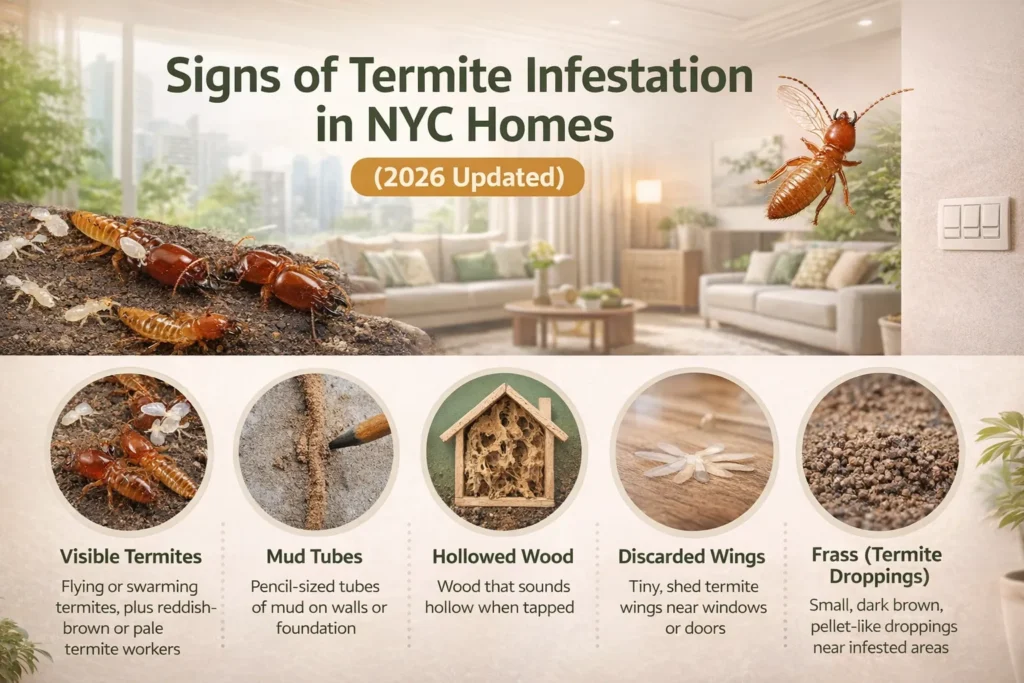
Why Spotting Termites Early Matters Imagine tapping on a wooden door frame and hearing a hollow, papery sound. Or spotting a small pile of wings near your windowsill after a warm evening. These subtle signs may seem harmless, but they could indicate something far more destructive: a termite infestation. Termites are often called “silent destroyers” for a reason. They can chew through wood, flooring, and even wallpaper without being noticed until severe damage is done. In fact, termite damage costs U.S. homeowners billions of dollars every year, damage that is rarely covered by insurance. The good news is that termites almost always leave behind early warning signs. If you know what to look for, you can stop them before they compromise your home’s structure and value. Understanding Termites and Their Behaviour To spot termites, it helps to understand how they live. Termites are social insects that thrive in colonies, often hidden underground, inside walls, or within wooden structures. Different species behave differently: Because each species leaves unique traces, recognising the early signs can help you act quickly and target the right solution. The First Warning Signs You Should Never Ignore The earliest signs of termites are usually visible if you know where to look. Here are the most common red flags that should never be ignored: Flying Termites (Swarmers): One of the clearest signs of an infestation is the presence of winged termites, often called swarmers. These appear in large groups, especially in spring or after rain, and are usually spotted around windows, doors, or light fixtures. Discarded Wings: After mating, swarmers shed their wings. Finding small piles of wings near doors, windows, or on the floor is a strong indicator that a new colony may be settling inside your home. Mud Tubes: Subterranean termites build pencil-thin mud tunnels along foundations, walls, or crawl spaces to protect themselves while travelling. These tubes are one of the most visible and reliable signs of termite activity. Termite Droppings (Frass): Drywood termites leave behind small, pellet-shaped droppings known as frass. These often look like tiny piles of sawdust or sand near wooden structures and are a telltale sign of infestation. Subtle Clues That Often Go Unnoticed Not all termite activity is obvious. In many cases, homeowners mistake early damage for water issues or simple wear and tear. Recognising these less noticeable signs can make all the difference. Hollow or Papery Wood: If you knock on a wooden beam, floorboard, or door frame and it sounds hollow, termites may have eaten through the inside while leaving only a thin outer shell intact. Blistering or Bubbling Paint: Termite activity inside walls can cause paint to bubble or look uneven, similar to water damage. If you notice these changes without a clear water leak, termites could be the cause. Sagging Floors or Sticking Doors and Windows: As termites weaken wood, structures may shift slightly. Floors can begin to sag, and doors or windows may suddenly become harder to open or close. Unexplained Musty Odours: Some infestations produce a faint mouldy or damp smell, especially in hidden areas like basements, crawl spaces, or behind walls. If you can’t trace the source, termites might be at work. How Different Termite Species Leave Different Traces The type of termite in your home often determines the signs you’ll see: Understanding these differences helps in identifying the problem quickly and choosing the right treatment plan. Why Termite Damage Is Easy to Overlook One of the reasons termite infestations cause such costly repairs is that their signs are often mistaken for something else. Bubbling paint, for instance, can look like water damage, while sagging floors may be blamed on humidity or settling foundations. Many homeowners dismiss piles of wings as harmless bugs. This delay allows colonies to grow unchecked, leading to expensive structural repairs. DIY Checks vs. Professional Inspections Homeowners can take a proactive role by doing simple inspections: tapping on wood to listen for hollow sounds, checking around foundations for mud tubes, and looking for discarded wings during swarm season. These quick checks can reveal early warning signs. However, termites are experts at staying hidden. Professionals use tools like moisture meters, infrared cameras, and specialised training to detect activity behind walls and under floors. If you notice any of the warning signs mentioned earlier, it’s usually best to call a licensed pest control company for a thorough inspection. Prevention and Proactive Steps While no home is completely immune to termites, you can significantly lower the risk with preventive steps: Prevention may seem like an extra chore, but it’s far less expensive than repairing termite damage. Conclusion: Protecting Your Home Before It’s Too Late Termites may be silent, but they are never invisible. From discarded wings to bubbling paint and hollow wood, every sign is a warning you shouldn’t ignore. Acting quickly at the first sign of termites can save your home from extensive damage and protect your investment for years to come. If you suspect termites, don’t wait. Check your home today, and if you spot anything unusual, schedule a professional inspection. The sooner you act, the safer your home will be Frequently Asked Questions: 1. How fast can termites cause damage? A large termite colony can cause noticeable damage in as little as three to six months. Left untreated, they can seriously compromise structural safety within a few years. 2. Are flying termites always a sign of infestation? Yes. Swarmers indicate that a colony is mature and reproducing, which means termites are either inside your home or very close by. 3. What do termite droppings look like? Drywood termite frass resembles tiny wood-colored pellets or sawdust. If you find piles of it near wooden furniture or flooring, it’s a strong infestation clue. 4. Can termites live in furniture? Absolutely. Drywood termites are notorious for attacking wooden furniture, picture frames, and hardwood floors.

Close-up of termites on wood illustrating the termite lifecycle and infestation stages in NYC.
Termites

Understanding the Termite Lifecycle in NYC

Termites are more than just a nuisance; they’re silent destroyers that can silently eat away at your property, causing costly damage before you even notice. In New York City, where many homes and buildings are constructed with wood, termites can thrive in the humid environment, making them a serious concern for homeowners and property managers.  Understanding how termites live, grow, and invade your space is the first step in protecting your home from their destructive force. Spotting the signs early and taking action quickly could save you thousands in repairs. Decoding the Termite Lifecycle Understanding how termites grow and develop can help you pinpoint the right time for intervention. Here’s a breakdown of their lifecycle: 1. Egg Stage: The Beginning of the Colony The lifecycle begins when a queen termite lays hundreds or even thousands of eggs, often in the spring. These eggs hatch into larvae within a few weeks. It’s in this early stage that colonies start to grow and expand. By understanding this, you can act quickly when you notice the first signs of infestation. 2. Larvae and Nymph Stages: Growing Up in the Colony The larvae go through several moults before turning into nymphs. The nymphs are crucial because they can develop into one of three castes: workers, soldiers, or reproductives (which we’ll discuss later). The colony depends on the work of these castes to survive and expand. 3. Adult Termites: The Workforce 4. Reproductive Swarming: When Termites Take Flight In NYC, termites typically swarm in late spring and early summer. Swarming is the termites’ way of expanding to new areas, and it’s during this stage that new colonies are formed. Keep an eye out for these swarming termites near windows or doors during this time. Swarming termites are often a sign that it’s time for pest control intervention. Recognising Signs of Termite Infestation Early detection is the key to preventing extensive damage. Here are the telltale signs that termites may have already taken up residence in your property: The Importance of Timely Pest Control Termites can go unnoticed for months or even years, all while feeding on your home’s wooden structure. The longer you wait to address an infestation, the more damage they can do. Here’s why early pest control is so important: Effective Prevention Strategies for NYC Homes Termite prevention is often more cost-effective than dealing with the damage after an infestation. Here are practical tips to keep termites away from your home: What to Do If You Suspect Termites If you notice signs of termite activity, here’s what you should do immediately: Common Myths About Termites in NYC Clearing up some common misconceptions about termites can help prevent unnecessary panic or misunderstanding: Why NYC Is Particularly Vulnerable to Termites New York City’s unique architecture makes it particularly vulnerable to termite infestations. Many older buildings have wooden structures that provide an ideal habitat for termites. The climate in NYC, with its humid summers and wet springs, also creates perfect conditions for termite activity. If you live in an area with older buildings or near wooded areas, you may be at a higher risk for termite infestations. In these cases, it’s even more important to be vigilant about preventative measures. Conclusion: Proactive Measures Save Money and Stress Termites are a serious threat, but with the right knowledge and actions, you can protect your property. By understanding the termite lifecycle, recognising the signs of an infestation early, and taking proactive prevention steps, you can save yourself from costly repairs and stress. Don’t wait until it’s too late, schedule a professional termite inspection today and keep your property safe for years to come. Contact us today for a comprehensive termite inspection and ensure that your home or business remains termite-free! FAQs: 1. How do I know if I have termites in my home? Signs of a termite infestation include hollow-sounding wood, visible mud tubes on foundation walls, discarded wings near windows, and tiny holes in drywall. If you notice any of these, it’s crucial to contact a pest control expert for an inspection. 2. What time of year are termites most active in NYC? Termites in NYC are most active during the warmer months, particularly in spring and early summer when they swarm to mate and form new colonies. This is the ideal time to inspect for potential infestations. 3. Can termites cause damage without me noticing? Yes! Termites are known as “silent destroyers” because they often go unnoticed for long periods. They can chew through wood, weakening the structural integrity of your home, sometimes without visible signs until it’s too late. 4. How quickly can termites damage my home? Termites can cause significant damage in a matter of months, especially if left untreated. They feed on wood continuously, compromising the structure of your property, and the longer they go undetected, the worse the damage can be. 5. What is the best way to prevent termites in NYC? The best way to prevent termites is by scheduling regular inspections, addressing moisture issues around your home, storing firewood away from your foundation, and sealing cracks or gaps in your home’s foundation. Using termite-resistant materials during construction or renovations can also provide added protection. 6. Are termite treatments safe for pets and children? Most modern termite treatments, such as baiting systems and liquid termiticides, are designed to be safe for pets and children when applied correctly. However, it’s important to follow professional recommendations and ensure your home is treated by licensed experts to ensure safety. 7. How much does termite treatment cost in NYC? The cost of termite treatment in NYC varies depending on the severity of the infestation, the size of the property, and the type of treatment needed. On average, treatments can range from $500 to $2,500, but it’s best to get a quote from a professional pest control company for an accurate estimate. 8. Can I treat termites myself, or should I hire a professional? While DIY methods may seem cost-effective, they are often not as

Termite barriers and effective solution
Termites

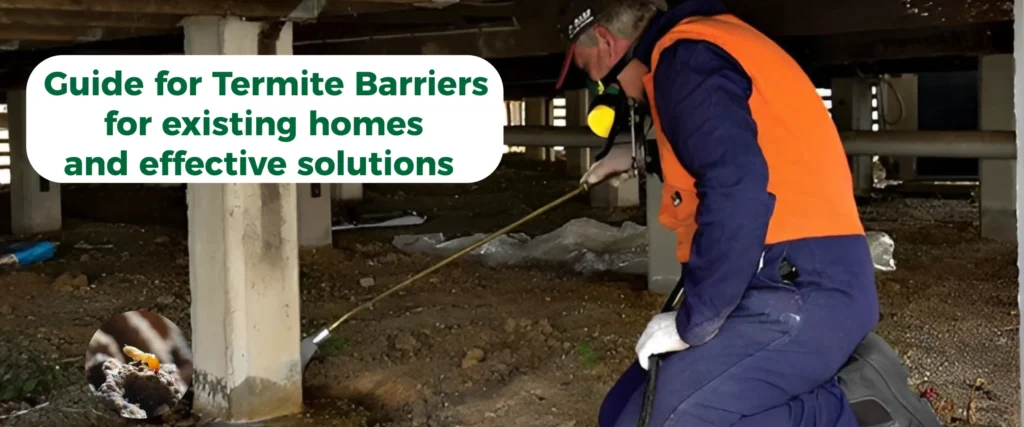
Fortress Guide for Termite Barriers for existing homes and Effective Solutions

Fortress Guide for Termite Barriers for existing homes and Effective Solutions For many American homeowners, termites are a constant worry. These silent destroyers can munch away at the structural integrity of your home for years before you even notice a problem. This blog post will serve as your fortress guide to understanding termite barriers, a crucial element in any homeowner’s termite defense plan. Termite Barriers: Your Home’s Defensive Line When it comes to protecting an existing home from termite damage, termite barriers are still a crucial defensive measure. Here’s how termite barriers can be implemented for an existing home: Chemical Treatments: Professional pest control services can apply liquid termiticides around the perimeter of your home. This creates a chemical barrier that repels or kills termites as they attempt to enter. Regular reapplication may be necessary to maintain effectiveness. Baiting Systems: Installing bait stations strategically around the exterior of your home can help monitor and control termite activity. These stations contain termite attractants combined with a slow-acting toxic substance. Termites feed on the bait and carry it back to their colony, gradually eliminating the infestation. Physical Barriers: Physical barriers, such as metal termite shields or crushed stone barriers, can be installed around vulnerable areas like foundation walls, plumbing penetrations, and crawl spaces. These barriers create obstacles that termites must navigate around, reducing the likelihood of infestation. Sealing Cracks and Gaps: Seal any cracks or gaps in your home’s foundation, walls, and utility entry points. Termites can exploit even tiny openings to gain access to your home, so thorough sealing can help prevent infestations. Regular Inspections: Schedule regular termite inspections by a qualified pest control professional. They can identify early signs of termite activity and recommend appropriate treatment or barrier reinforcement measures. Wood Treatment: Treat wooden structures in and around your home with termite-resistant chemicals or coatings. This can help deter termites from feeding on the wood and reduce the risk of infestation. Moisture Control: Termites are attracted to moisture, so ensure proper drainage around your home’s foundation and fix any leaks promptly. Keeping the soil around your home dry can make it less hospitable to termites. Does Chlorine Kill Termites?: Myth vs. Reality Chlorine, in the form of household bleach, is often a suggested DIY remedy for termite infestations. However, the reality is that bleach is not an effective solution for termite control. Here’s a breakdown: Myth: Chlorine (bleach) kills termites and eliminates the colony. Reality: Bleach can kill termites on direct contact, but that’s a minor victory. Termite colonies reside deep underground (subterranean termites) or within the wood itself (drywood termites). Bleach can’t reach these areas and eliminate the entire colony. Here’s why using bleach for termites is a bad idea: Ineffective for the colony: As mentioned, bleach doesn’t target the source of the problem – the nest. Damages property: Bleach is corrosive and can harm your foundation, pipes, and other structures. Potential health risks: Bleach fumes can be hazardous, and improper handling can cause skin irritation or respiratory problems. Safety Considerations and Proper Application Methods Termite barrier applications, especially those using chemicals, require precautions to ensure the safety of yourself, your family, and pets. Here’s what to keep in mind: Chemical Hazards: Many termite barrier products contain insecticides that can be harmful if mishandled. Always read and follow the manufacturer’s instructions on the product label. Protective Gear: Wear appropriate personal protective equipment (PPE) during application. This may include gloves, eye protection, long-sleeved clothing, and a respirator (depending on the product). Children and Pets: Keep children and pets away from the application area during and after treatment until it has dried according to the label instructions. Ventilation: Ensure proper ventilation during and after application. Open windows and doors to allow fumes to escape. Proper Application Methods for Termite Barriers There are two main types of termite barriers: soil treatments and termite baiting systems. Each has its own application method: Soil Treatment: Professional application is highly recommended: Termite control products can be complex and require proper licensing for application. Trenching: In some cases, a professional may create a trench around the foundation of your home and fill it with the termiticide. Rodding: Alternatively, they may inject the termiticide into the soil around the foundation through small holes drilled at specific intervals. Broadcast application: For some products, a surface application around the foundation may be sufficient. Termite Baiting Systems: Bait stations are placed strategically around the foundation of your home, both inside and outside. These stations contain a slow-acting bait that termites consume and share with others in the colony, ultimately eliminating it. Regular monitoring by a pest control professional is necessary to ensure the effectiveness of the baiting system. Dealing with Termites in Fences: The Outer Line of Defense While termite barriers focus on protecting your home’s foundation, it’s important not to forget your property’s outer perimeters, especially wooden fences. This section will equip you to identify and combat termite threats in your fence: Common signs of termite infestation in fences: Visible Damage: Look for hollowed-out or damaged wood. Termites consume wood from the inside out, leaving a thin veneer of timber or paint on the surface. Mud Tubes: Termites build mud tubes, pencil-sized tunnels made of soil, wood particles, and saliva, to travel between the ground and the wood they’re infesting. These tubes often appear along the exterior of fences. Discarded Wings: After swarming, termites shed their wings. If you notice piles of discarded wings near your fence, it could indicate a termite presence. Frass: Termite droppings, known as frass, resemble small piles of sawdust or wood pellets. You may find them accumulating near the base of your fence or within crevices. Blistering or Bubbling Paint: Termites can cause moisture buildup within the wood, leading to paint that appears blistered or bubbling on the surface. Sagging or Buckling Wood: As termites weaken the structural integrity of wood, fences may start to sag, buckle, or appear uneven. Tapping Sounds: If you tap on wood near the infested area and hear

termite baits NYC Benefits
Termites

Sustainable Pest Control: How Termite Baits Benefit NYC’s Environment

Sustainable Pest Control: How Termite Baits Benefit NYC’s Environment Sustainable pest control refers to the management of pests in a manner that minimizes adverse effects on the environment, human health, and non-target organisms. It aims to control pests using methods that are ecologically sound, economically viable, and socially acceptable. Importance of sustainable pest control in urban environments like NYC In densely populated urban areas like New York City (NYC), pest infestations pose significant challenges. Traditional pest control methods often involve the indiscriminate use of chemical pesticides, which can have adverse effects on human health and the environment. Sustainable pest control methods are crucial in urban environments to mitigate these risks while effectively managing pest populations. Overview of termite infestation issues in NYC Termite infestations are a common problem in NYC, particularly in older buildings with wooden structures. These infestations can cause extensive damage to buildings and infrastructure, leading to costly repairs and structural instability. Understanding Termite Baits Termite bait stations are small, strategically placed containers containing a slow-acting bait that attracts termites. The bait typically contains a cellulose material laced with an insect growth regulator (IGR) that disrupts the termite’s molting process, ultimately leading to the colony’s demise. How termite bait stations work Installation: Pest control professionals install bait stations around the perimeter of a property, focusing on areas where termites are likely to enter. Attraction: The bait stations emit a scent that attracts foraging termites. Feeding: Termites enter the station and consume the bait. Transfer: Worker termites share the bait with other members of the colony, including the queen. Colony Elimination: The IGR in the bait disrupts the molting process, preventing new termites from developing and eventually leading to the colony’s collapse. Comparison with traditional termite control methods Chemical Soil Treatments: Traditional methods involve trenching around a property and applying a chemical barrier designed to kill termites on contact. While effective, these treatments can contaminate soil and pose a risk to pets and beneficial insects. Fumigation:  This method involves sealing a structure and pumping in a toxic gas to kill all termites present. Fumigation is disruptive, requires temporary relocation, and can harm indoor air quality. Addressing common questions: “Do termite bait stations work?” Numerous studies have shown that termite bait stations are effective in eliminating termite colonies when properly installed and maintained. However, their success depends on factors such as the type of termites present and the thoroughness of the baiting process. Effectiveness of Termite Baits How long do termite bait stations take to work? The time it takes for termite bait stations to work can vary depending on the size and activity level of the colony. Typically, it takes 4-8 weeks to see a significant reduction in termite activity. However, complete elimination of the colony may take several months. Regular monitoring by a pest control professional is crucial to assess the effectiveness of the treatment. Comparison with other termite control methods: How long do termite traps take to work? Chemical Soil Treatments:  These treatments can provide a barrier for several years, but their effectiveness diminishes over time, requiring reapplication every few years. Fumigation:  Fumigation offers a quick solution, killing termites within a day or two. However, this method doesn’t address the root cause of the infestation and may not prevent future problems. Installation and Cost Process of termite bait station installation The installation process is relatively simple and non-invasive. A pest control professional will: Conduct a thorough inspection to identify potential termite entry points. Strategically place bait stations around the perimeter of the property, focusing on foundation walls, crawl spaces, and areas with high moisture levels. Secure the bait stations to prevent tampering by children or pets. Factors influencing the cost of installation Number of Bait Stations Required:  The size and layout of the property will determine the number of stations needed. Severity of Infestation:  A larger or more active colony may require additional stations and monitoring visits. Type of Bait Used:  Different bait formulations may have varying costs. Comparison of costs with other termite control methods The initial cost of installing termite bait stations can be slightly higher than some traditional methods. However, there are several factors to consider when comparing costs: Long-Term Effectiveness: Bait stations offer continuous monitoring and control, potentially eliminating the need for repeat treatments compared to soil treatments. Reduced Monitoring Needs: While regular monitoring is essential, bait stations generally require less frequent inspections compared to methods relying on chemical barriers. Minimal Environmental Impact: Reduced chemical use translates to lower disposal costs and less environmental remediation. Here’s a breakdown of a typical cost comparison: Method Initial Cost Recurring Costs Monitoring Needs Environmental Impact Termite Bait Stations Moderate Low Moderate Low Soil Treatment Low-Moderate Moderate-High Low-Moderate Moderate Fumigation High Low None High Overall, while the upfront cost of termite bait stations may be higher, the long-term cost-effectiveness and environmental benefits often outweigh the initial investment. Addressing common questions: “How much does it cost to install termite bait stations?” The cost of installing termite bait stations can vary widely depending on factors such as the size of the property, the severity of the infestation, and the specific products and services offered by pest control companies.  For an accurate quote, it’s best to consult with a licensed pest control professional specializing in termite control using bait stations. Environmental Impact and Sustainability Reduction of chemical usage and environmental harm Termite bait stations significantly reduce the reliance on harsh chemical insecticides. This translates to several environmental benefits: Reduced Soil and Water Contamination: Lower risk of chemical leaching into the soil and groundwater, protecting vital ecosystems. Safer for Beneficial Insects: Minimizes harm to beneficial insects like ladybugs, praying mantises, and spiders that play a crucial role in controlling other pest populations. Improved Air Quality: Eliminates the use of volatile organic compounds (VOCs) often associated with traditional termite control methods, improving indoor and outdoor air quality. Contribution to overall urban ecosystem health Implementing sustainable pest control practices such as termite bait stations can contribute to the overall health and resilience

Termicide treatment
Termites

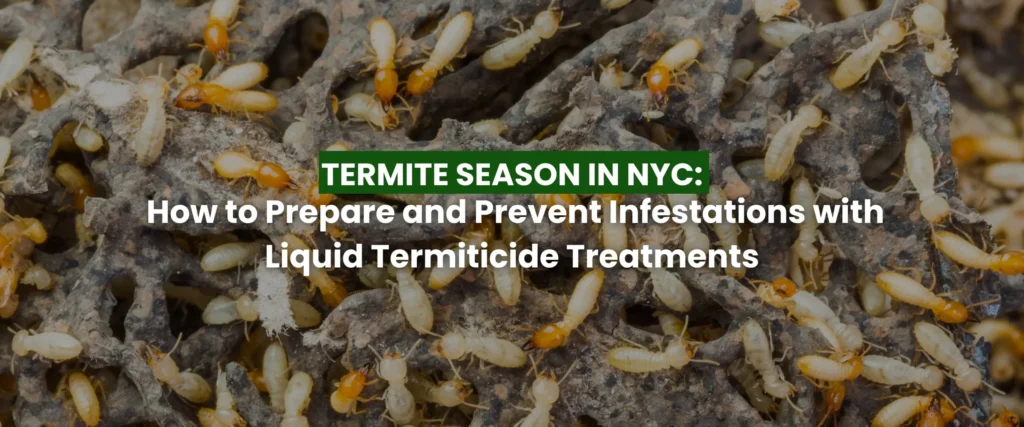
How to Prepare and Prevent Infestations with Insecticide Termiticide

Termite Season in NYC: How to prepare and Prevent Infestation With Liquid Termiticide Treatments Termite season in New York City marks a time of heightened vigilance for homeowners and property managers. These tiny yet destructive pests can cause significant damage if left unchecked. In this blog, we’ll explore the importance of termite prevention and control, focusing on the efficacy of liquid termiticide treatments in safeguarding your property. Understanding Termites A. Overview of Termite Behavior and Habits Termites are small, social insects that play a crucial role in ecosystems by breaking down dead plant material. However, they can also be destructive pests when they invade human structures. Understanding their behavior and habits is essential for effective pest control. 1. Social Structure:  Termites live in colonies with a highly organized social structure. Each colony consists of workers, soldiers, and reproductive individuals (kings and queens). Workers are responsible for foraging, building and maintaining the nest, and feeding other colony members. Soldiers defend the colony against predators. 2. Feeding Habits: Termites primarily feed on cellulose, found in wood and plant material. They can cause significant damage to wooden structures, including buildings, furniture, and trees. Despite their small size, large termite colonies can consume substantial amounts of wood, leading to costly repairs. 3.  Nesting Behavior:  Termites build elaborate nests, often underground or within wooden structures. These nests provide protection from predators, regulate temperature and humidity, and serve as breeding grounds for new colony members. Termite colonies can remain hidden for years, making early detection challenging. B. Common Signs of Termite Infestation Detecting termite infestations early is crucial for minimizing damage and treatment costs. Knowing the common signs of termite activity can help homeowners identify potential problems before they escalate. 1. Mud Tubes Subterranean termites construct mud tubes along surfaces such as walls, foundations, and pipes to provide moisture and protection as they travel between their nest and food sources. These tubes are a clear indication of termite activity and should be promptly addressed. 2. Wood Damage:  Termites feed on wood from the inside out, leaving behind hollowed-out tunnels or galleries. Signs of wood damage may include sagging floors, hollow-sounding timber, or visible tunnels in wooden structures. Pay close attention to areas where wood comes into contact with soil or moisture, as these are prime entry points for termites. 3. Discarded Wings:  During their swarming season, reproductive termites (alates) emerge from the colony to mate and establish new colonies. After mating, alates shed their wings, leaving behind piles of discarded wings near windowsills, light fixtures, or other light sources. Finding discarded wings indoors is a strong indicator of an active termite infestation. 4. Frass: Termite droppings, known as frass, resemble tiny wood pellets and may accumulate near infested areas. Frass is often found in piles or mounds and can indicate the presence of drywood termites. Regularly inspecting potential termite entry points and monitoring for frass can help identify infestations early. C. Importance of early detection and prevention 1. Cost Savings Detecting termites early allows for swift intervention, preventing extensive damage to structures. The cost of repairing termite damage can escalate rapidly if left unchecked, often far exceeding the expenses associated with prevention and early treatment. 2. Structural Integrity:  Termites can compromise the structural integrity of buildings by feeding on wooden elements such as support beams, floors, and walls. Early detection helps preserve the integrity of these structures, ensuring the safety of occupants and preventing costly repairs or even structural failure. 3. Property Value Preservation Termite infestations can significantly diminish the value of properties. Detecting and addressing termite issues promptly can help maintain property values and prevent potential complications during real estate transactions. 4. Peace of Mind: Knowing that your property is free from termite infestations provides peace of mind. Regular inspections and preventive measures offer reassurance that your home or business is protected against the damaging effects of termites. 5. Environmental Impact:  Some methods of termite control involve the use of chemical treatments, which can have environmental implications. Early detection allows for the implementation of less invasive control methods, minimizing the environmental impact while effectively managing termite populations. 6. Long-Term Savings:  Investing in preventive measures, such as installing termite barriers or conducting regular inspections, can save money in the long run by reducing the likelihood of termite infestations and associated repair costs. Liquid Termiticide Treatments  A. What are liquid termiticides? Liquid termiticides are termite control chemicals solution formulated to eradicate and prevent termite infestations in structures. These solutions are applied to the soil around and beneath buildings to create a barrier that termites cannot penetrate. B. How do liquid termiticides work? Liquid termiticides work through several mechanisms. When applied to the soil, they create a protective barrier that either repels termites upon contact or kills them upon ingestion. Additionally, termites that come into contact with the treated soil can transfer the termiticide to other members of their colony, leading to further eradication. C. Advantages and disadvantages of liquid termiticide treatments Advantages: Effective long-term termite control:  Properly applied liquid termiticides can provide protection against termite infestations for several years. Broad-spectrum protection:  Liquid termiticides can target various termite species and other wood-destroying pests. Minimal disruption:  Application of liquid termiticides typically requires minimal disruption to the structure and its occupants. Disadvantages: Environmental concerns:  Some liquid termiticides contain chemicals that can be harmful to the environment and non-target organisms. Professional application required:  Effective application of liquid termiticides often requires specialized equipment and knowledge, necessitating professional intervention. Limited effectiveness against above-ground infestations:  Liquid termiticides are primarily effective against subterranean termites and may not adequately address above-ground infestations. D. Popular liquid termiticide Fipronil: It is a widely recognized liquid termiticide and is highly effective against termites and is transferable within termite colonies. Imidacloprid: Imidacloprid target termites both through contact and ingestion.It is often used for pre-construction termite prevention as well as post-construction treatment. Chlorantraniliprole: Chlorantraniliprole is known for its environmentally friendly profile while still being highly effective against termites. What is the Best Chemical for Termite Control Broad-spectrum activity: The chemical

Strategies for Detection and Prevention From Termite Infestation
Termites

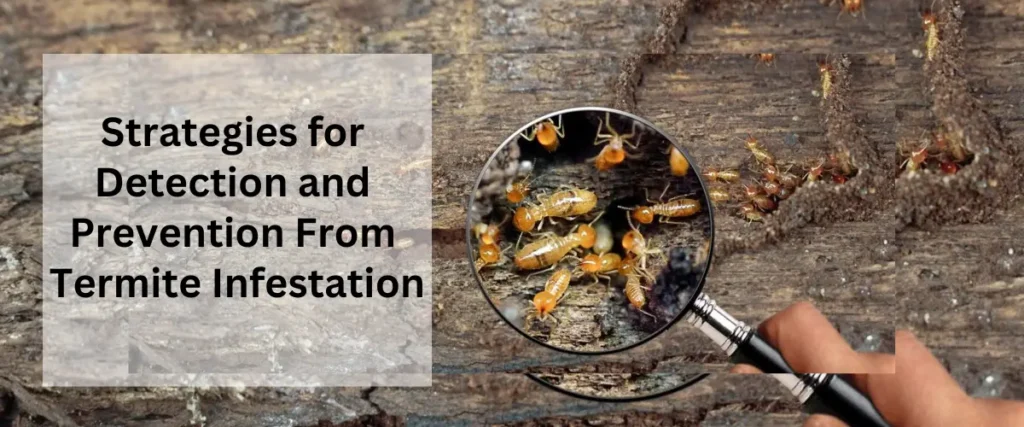
Strategies for Detection and Prevention from Termite Infestation

Strategies for Detection and Prevention From Termite Infestation How Termites cause destruction: Termites are notorious for their destructive capabilities, wreaking havoc on buildings, structures, and even furniture. Here’s how these tiny pests can cause significant damage: Wood Consumption: Termites feed on cellulose, a key component of wood. They tunnel through wooden structures, consuming the material from the inside out. Over time, this relentless feeding can weaken the structural integrity of wooden beams, flooring, furniture, and other components. Hollowing Out: As termites tunnel through wood, they create hollow spaces within the structure. This hollowing weakens the wood, making it more susceptible to collapse or damage from external forces such as wind or pressure. Structural Damage: In severe infestations, termites can cause extensive structural damage to buildings and homes. They may target load-bearing elements like support beams, causing floors, walls, or even entire structures to become unstable and unsafe. Compromised Foundations: Subterranean termites, which nest underground, can target the foundation of a building. By tunneling through the soil and into the foundation, they compromise its stability, leading to structural issues and potential collapse. Damage to Other Materials: While termites primarily target wood, they can also damage other materials containing cellulose, such as cardboard, paper, and certain types of insulation. This can lead to additional problems and losses beyond wooden structures. Costly Repairs: Repairing termite damage can be expensive and time-consuming. Depending on the extent of the infestation and the damage caused, repairs may involve replacing structural elements, treating affected areas with pesticides, and implementing preventive measures to deter future infestations. Hidden Infestations: One of the most insidious aspects of termite damage is that it often goes unnoticed until significant harm has already occurred. Termites can infest hidden areas within walls, floors, and ceilings, making detection challenging until the damage becomes severe. Signs of Termite Infestation: Termite infestations can indeed wreak havoc on buildings and structures, leading to costly damages if left unchecked. Recognizing the signs of termite activity is crucial for early detection and intervention. Here are some common indicators to watch out for: Mud tubes: Subterranean termites, which are common in many regions, build mud tubes to provide moisture and protection as they travel between their nests and a food source. These pencil-sized tubes may be found along walls, foundations, and other surfaces. Wood damage: Termites feed on wood from the inside out, so wood that has been infested by termites may sound hollow when tapped. You may also notice damaged or weakened wood that appears to have been eaten away by termites. Discarded wings: Swarmers, or reproductive termites, will often shed their wings after swarming to establish new colonies. Finding discarded termite wings near windowsills, doors, or other entry points may indicate a termite swarm in the vicinity. Termite droppings: Drywood termites produce tiny fecal pellets that they push out of their galleries. These pellets, which resemble sawdust or coffee grounds, may accumulate in small piles near infested wood. Blisters in wood flooring: Subterranean termites can cause blistering or darkening of wood flooring as they feed and create tunnels beneath the surface. Hollow-sounding timber: When tapping on wood that is infested with termites, it may produce a hollow or papery sound due to the damage caused by the pests. Tunnels in wood: Termites may create tunnels or galleries within wood as they feed and travel through the structure. These tunnels may be visible on the surface of the wood. Sagging or buckling floors: In severe cases of termite infestation, the structural integrity of wood flooring or other wooden components may be compromised, leading to sagging or buckling of the affected areas. Presence of termite swarmers: During the spring or fall, depending on the species, you may observe termite swarmers (winged reproductive termites) emerging in large numbers from colonies to mate and establish new colonies. Finding swarmers indoors or near light sources is a strong indicator of an active termite infestation. If you suspect that you have a termite infestation or notice any of these signs of termite activity in your home or building, it’s crucial to contact a pest control professional for a thorough inspection and appropriate treatment. Early detection and intervention can help prevent extensive damage caused by termites. Termite Inspections: Termite inspections are essential for detecting termite activity and assessing the extent of infestations in homes, buildings, and other structures. Pest control professionals typically use a combination of tools and techniques to conduct thorough termite inspections. Here are some common tools used during termite inspections: Flashlight: A flashlight is a basic tool used to illuminate dark and hard-to-reach areas, such as crawl spaces, attics, basements, and areas under sinks, to look for signs of termite activity. Moisture meter: Termites are attracted to moisture, so a moisture meter is used to detect elevated moisture levels in wood and building materials, which can indicate conditions conducive to termite infestations. Termite detection devices: Various termite detection devices are available, such as acoustic devices that listen for termite activity within wood, and microwave devices that can detect termites through walls and other structures. Termite probes: Termite probes are used to probe and tap wooden surfaces to detect hollowed-out wood and termite tunnels. This helps inspectors identify areas of termite damage that may not be visible on the surface. Boroscope: A boroscope is a flexible, fiber-optic tool that allows inspectors to visually inspect hard-to-reach areas, such as wall voids, behind baseboards, and within plumbing lines, for signs of termite activity. Termite bait stations: Ground termite treatments, specifically designed to target subterranean termites, focus on eliminating colonies nesting in the soil surrounding the structure. By creating a protective barrier or using baiting systems, ground termite treatments provide long-lasting protection against these destructive pests. Drill and probing tools: In some cases, inspectors may need to drill small holes in walls, floors, or other structures to access hidden areas and probe for termite activity. Thermal imaging cameras: Thermal imaging cameras can detect temperature variations in building materials, which may indicate termite activity or moisture problems.

Dry wood termite
Termites

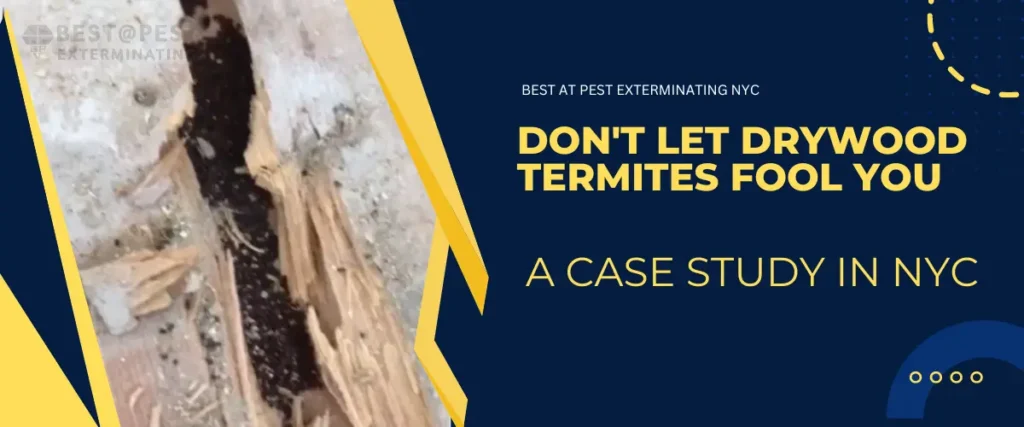
Don’t Let Drywood Termites Fool You: A Case Study in NYC

Don’t Let Drywood Termites Fool You A Case Study in NYC Imagine this: you’ve been diligently treating your property for subterranean termites for years, feeling confident your home is safe. Suddenly, you notice swarms of winged insects – a telltale sign of termites. Panic sets in, but before you call the same exterminator, remember: not all termites are created equal. This case study from Best At Pest Exterminating NYC highlights a crucial lesson: accurate pest identification is key to successful elimination. The Problem: A building in NYC, previously treated for subterranean termites, experienced a new swarm. The building superintendent assumed it was another subterranean infestation and hesitated to disrupt new renovations. The Twist: Our certified entomologist identified drywood termites, a species with different nesting habits and treatment needs. Drywood termites thrive in dry wood, unlike their subterranean counterparts requiring soil contact. The Solution: Following our expert recommendations, the superintendent agreed to a small inspection cut. The cut revealed extensive drywood termite damage, confirming our diagnosis. Targeted treatment was applied to the affected wood, including beams and girders. Damaged wood was replaced, and structural integrity was ensured. The Outcome: The apartment was restored permanently, and the termite infestation was eliminated safely and effectively. Another happy customer gained peace of mind, thanks to accurate identification and expert treatment. Key Takeaways: Not all termite species are the same. Drywood termites require different approaches than their subterranean counterparts. Accurate identification is crucial. Our certified entomologist’s expertise saved the day! Don’t hesitate to seek expert advice. Our team is here to guide you through the process. Don’t let assumptions dictate your actions. Trust professional diagnosis for effective solutions. At Best@Pest Exterminating NYC, we understand the complexities of pest control. Our team of certified professionals uses their expertise to identify and eliminate any pest problem you face, ensuring the safety and well-being of your property and loved ones. Contact Us today for a free consultation and let us help you achieve permanent pest-free peace of mind! https://youtube.com/watch?v=/Pa3-uYKxQ2E?feature=sharehttps://youtube.com/watch?v=/4QdKSg7rvIk?feature=sharehttps://youtube.com/watch?v=/dOw1p5qangw?feature=sharehttps://youtube.com/watch?v=/TF1YptnPGcs?feature=share

Scroll to Top