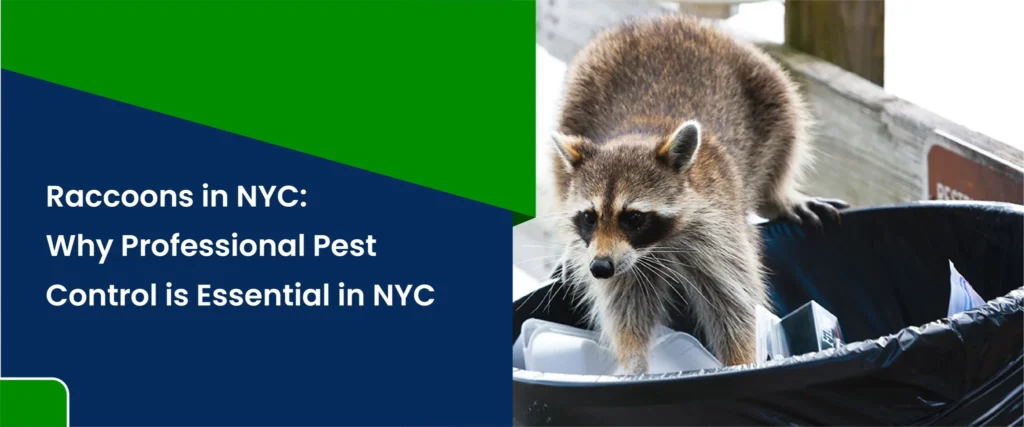
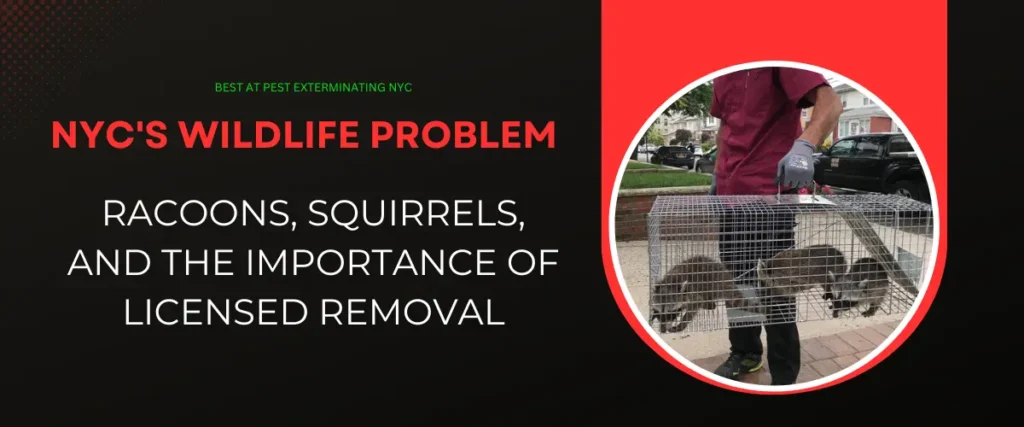
How to Safely Remove Raccoons From Your Attic in NYC
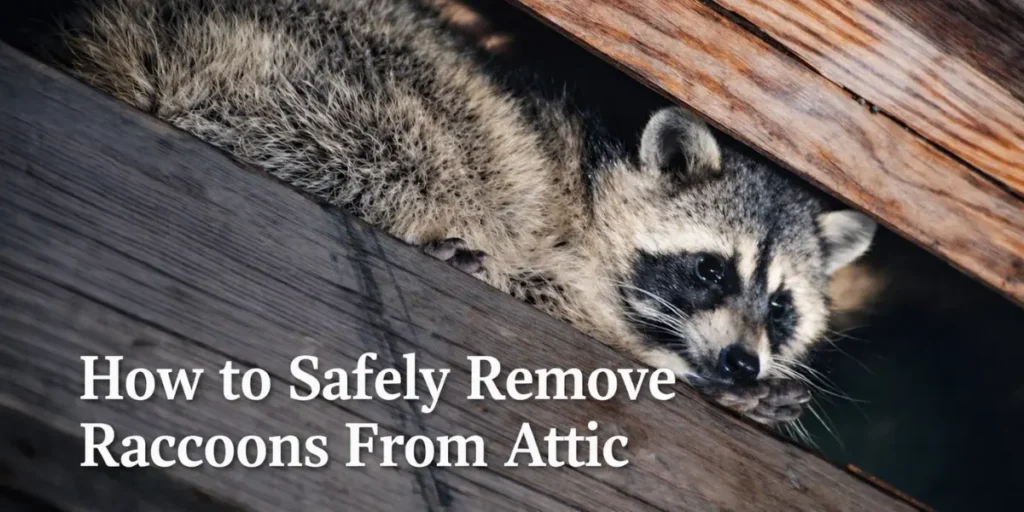
Raccoons in an attic are not just a nuisance; they’re a safety, legal, and structural problem. In New York City, raccoons commonly enter homes through rooflines, soffits, and vents, especially during colder months or nesting season. While it’s tempting to “handle it yourself,” improper removal can put people, pets, and the animals at risk, and may violate state wildlife laws. Safe, humane removal requires the right approach for raccoon control. Why Raccoons Choose NYC Attics NYC homes offer raccoons exactly what they’re looking for: warmth, shelter, and protection from predators. Brownstones, townhomes, and multi-unit buildings often have shared rooflines, fire escapes, and ageing construction that create easy access points. During winter, attics provide warmth; in spring, they become ideal nesting spaces for mothers and babies. Once a raccoon successfully nests in an attic, it often leaves scent markers. These cues make the space attractive for return visits, which is why infestations tend to repeat if the structure isn’t properly secured. Signs You Have Raccoons in Your Attic Raccoons are large and noisy. Common indicators include: Raccoon activity is typically more forceful than squirrels or rodents, which helps identify the problem early before serious structural damage sets in. Why DIY Raccoon Removal Is Risky Removing raccoons yourself can create more problems than it solves. Cornered raccoons may act aggressively, especially when babies are present. Separating a mother from her kits often leads to frantic attempts to re-enter the attic, increasing damage and noise. Most failed DIY attempts don’t remove raccoons at all; they push them deeper into wall cavities or force them to chew new exits. This raises health risks, structural damage, and cleanup costs, while still leaving the infestation unresolved. NYC & New York State Wildlife Laws (What You Must Know) In New York, raccoons are classified as wildlife and are protected under state regulations. Removal must be humane and follow specific rules. Key legal points: Authoritative sources: Professional wildlife operators are trained to comply with these rules and avoid legal issues. When DIY Makes Sense: DIY efforts are useful for prevention, not removal. Appropriate steps include trimming tree branches near roofs, securing trash bins, and reinforcing vents or chimney caps, but only after raccoons are safely removed. Preventive DIY work is most effective once professionals confirm the attic is clear. Attempting these steps while animals are still inside often makes the situation worse. How Professional Raccoon Removal Works in NYC Professional wildlife removal focuses on safety, legality, and long-term prevention. A proper process typically includes: This approach stops repeat infestations rather than just relocating the problem. Why Raccoons Keep Coming Back Without Exclusion Raccoons have strong nesting memory and will return to proven shelter sites for years. Simply removing the animal without sealing all entry points invites repeat infestations, sometimes by different raccoons. In NYC’s interconnected buildings, exclusion is the deciding factor between a one-time fix and a recurring problem. When to Call a Professional: Professional help is necessary as soon as raccoon activity becomes persistent or aggressive. Warning signs include: Waiting during nesting season almost always increases damage and repair costs, as raccoons become more defensive and destructive while protecting their young Conclusion Raccoons in an attic are not a DIY project. In NYC, safe removal requires humane handling, legal compliance, and proper exclusion to prevent repeat entry. Acting early protects your home, avoids legal complications, and ensures the animals are handled responsibly. If you suspect raccoons in your attic, schedule a professional wildlife inspection. A trained expert can remove animals safely, follow New York wildlife laws, and secure your home against future infestations, saving you time, money, and stress. FAQs Is it legal to remove raccoons yourself in NYC?Laws are strict. Improper trapping or relocation can be illegal. Professional removal ensures compliance. What if there are baby raccoons in my attic?This requires humane handling and timing. Removing the mother alone often causes more damage. Are raccoons dangerous to people or pets?They can be aggressive when threatened and may carry parasites or diseases. Will sealing one hole stop raccoons?No. Homes usually have multiple entry points. Comprehensive exclusion is necessary. How long does professional raccoon removal take?Initial removal can be quick, but full prevention includes inspection and exclusion work.