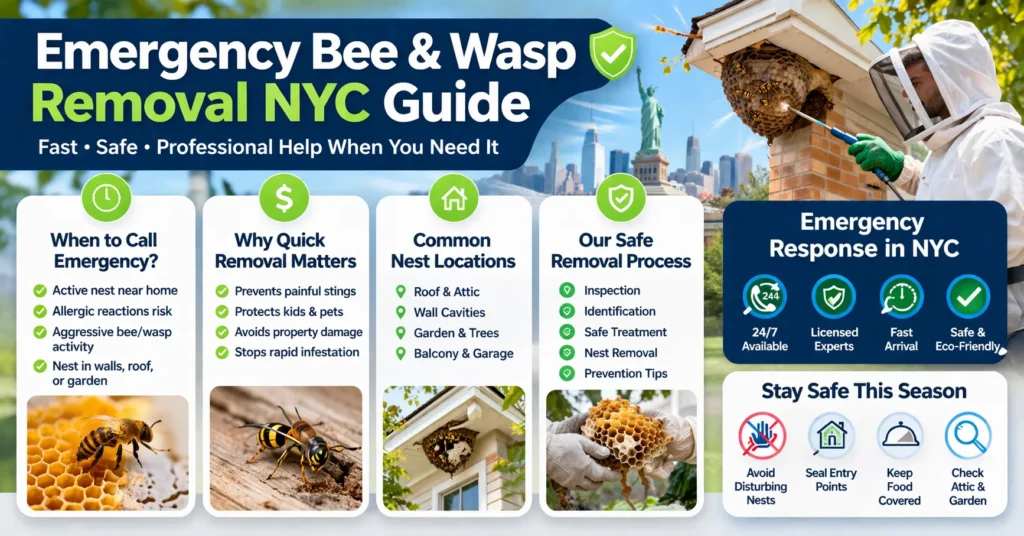
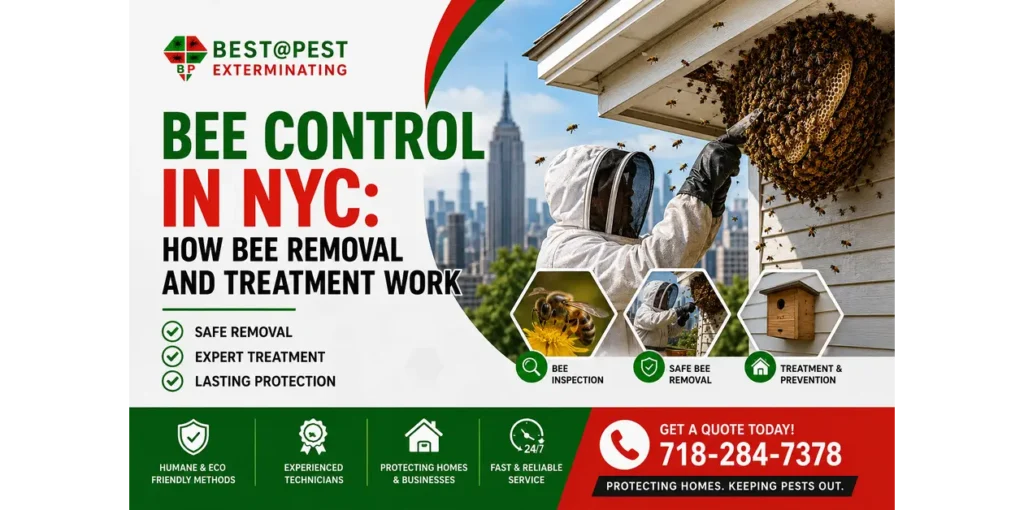
Finding a wasp nest near your home can be stressful. Wasps can become aggressive when they feel threatened, and their stings may cause painful reactions. Many homeowners try to remove nests themselves, but without proper knowledge, the situation can become dangerous.
Learning how to remove wasp nests properly helps you understand the risks, identify the right removal method, and know when professional help is needed. Whether the nest is located under your roof, inside a wall, near a tree, or around your outdoor living area, taking the correct steps is important for protecting your family and property.
At Best@Pest Exterminating, we help homeowners and businesses handle unwanted stinging insects with safe and effective solutions. This guide explains how to identify wasp nests, remove them safely, prevent future infestations, and choose the right professional service.
Understanding Wasp Nests and Why They Become a Problem
Wasps build nests in different areas depending on the species. Some create visible paper-like nests under roof edges, decks, and trees, while others build hidden nests inside walls, underground areas, or small openings around buildings.
During warmer months, wasp activity increases because colonies grow quickly. A small nest can become a larger colony within a short period. The closer a nest is to your home, the higher the chance of accidental encounters.
Common signs of a wasp nest include:
- Increased wasp activity around your property
- Wasps entering and leaving the same opening
- A visible paper-like structure attached to your home
- Buzzing sounds coming from walls or hidden areas
- Aggressive wasp behavior near outdoor spaces
Ignoring a nest usually does not solve the problem. Wasps may continue expanding their colony and create safety concerns for children, pets, employees, and customers.
How to Remove Wasp Nest Safely
Many people search online for how to get rid of wasp nests, but removing a nest requires careful planning. The safest approach depends on the nest location, size, and type of wasp.
Before attempting removal, consider the following steps:
1. Identify the Nest Location
First, locate where wasps are entering and leaving. Observe their activity from a safe distance.
Avoid standing directly below the nest or disturbing it during the day. Wasps are most active when temperatures are warm, and disturbing them can trigger defensive behavior.
2. Choose the Right Time
Wasps are generally less active during cooler evening hours or early morning. Professional exterminators often perform treatments during these periods because fewer wasps are outside the nest.
3. Use Proper Protective Equipment
Never approach an active nest without protection. Wasps can sting multiple times, and protective clothing reduces the risk of injury.
Avoid wearing:
- Short sleeves
- Shorts
- Open shoes
- Strong perfumes that may attract insects
4. Remove the Nest After Treatment
Simply knocking down an active nest is not enough. Remaining wasps may rebuild or continue attacking.
A proper removal process usually includes:
- Treating the colony
- Waiting for activity to stop
- Removing the nest
- Checking nearby areas for additional activity
For larger infestations, hidden nests, or difficult locations, professional assistance is the safest choice.
How to Get Rid of Wasps Around Your Property
Many homeowners want to know how to get rid of wasps because these insects can quickly become a nuisance. The best solution starts with removing attractants and reducing nesting opportunities.
Helpful prevention methods include:
- Seal cracks around windows and doors
- Repair damaged siding and roof gaps
- Keep garbage containers tightly closed
- Remove fallen fruit from yards
- Limit exposed food during outdoor activities
- Inspect outdoor structures regularly
You can also use deterrents for wasps such as removing food sources, using properly placed traps, and maintaining clean outdoor areas. However, deterrents usually help prevent activity but may not eliminate an established colony.
If you already have an active nest, prevention methods alone may not solve the issue.
Why Professional Bee and Wasp Removal Is Often the Better Choice
Many homeowners confuse bees and wasps because both insects can fly and sting. However, they behave differently and require different treatment approaches.
Bees play an important role in pollination, and some species should be carefully relocated instead of eliminated. Wasps, on the other hand, can become aggressive when protecting their nests.
Professional technicians can identify the insect correctly and recommend the safest solution.
A trained expert can provide services such as:
- Nest inspection
- Safe colony treatment
- Bee relocation when possible
- Complete nest removal
- Long-term prevention recommendations
If you need help protecting your property from different pests, Best@Pest Exterminating also provides complete Pest Control nyc solutions for residential and commercial customers.
Understanding Bee Removal and Hive Problems
Bee infestations require a different approach compared with wasp problems. Bees often create hives in wall cavities, trees, chimneys, and other protected areas.
Trying to remove bees without proper knowledge can harm the colony and increase the risk of stings.
Homeowners searching for bee hive removal should first determine whether they are dealing with honey bees, carpenter bees, or another species.
Professional removal focuses on:
- Correct insect identification
- Safe handling methods
- Preventing property damage
- Reducing future nesting risks
A qualified bee removal service can help relocate or remove bees while protecting your home.
Common Bee Problems Around Homes and Businesses
Bees may create problems when they build nests close to human activity. Some common issues include:
- Bees entering wall spaces
- Increased insect activity around gardens
- Damage caused by carpenter bees
- Safety concerns near entrances and outdoor areas
Many property owners search for bee pest control when they notice increased bee activity. The right solution depends on the species and location of the hive.
For homeowners looking for nearby professional assistance, searching for bee pest control near me can help find local experts who understand regional pest behavior.
Professional Solutions for Different Bee Species
Different bees require different removal techniques.
Honey Bee Removal
Honey bees are valuable pollinators, so removal should be handled carefully. Experts often focus on relocation whenever possible.
A professional honey bee removal service can safely address unwanted hives while reducing risks to homeowners.
Carpenter Bee Removal
Carpenter bees can damage wooden structures by creating tunnels for nesting. Over time, repeated activity may weaken wood surfaces.
Professional carpenter bee removal helps protect decks, fences, wooden siding, and other structures.
Complete Bee Control Services
A reliable pest company can provide inspection, treatment, and prevention options. Professional bee control services help property owners manage current problems and reduce future risks.
Best@Pest Exterminating provides specialized Bee Control in NYC solutions designed for residential and commercial properties.
Why Choose a Professional Bee and Wasp Removal Company?
Handling stinging insects requires experience and proper equipment. DIY methods may provide temporary results but can leave hidden colonies behind.
A professional bee removal company offers:
- Accurate pest identification
- Safer removal procedures
- Proper treatment products
- Prevention advice
- Reduced risk of repeated infestations
A trained beehive exterminator understands insect behavior and can choose the right method based on the situation.
Professional services are especially important when nests are:
- Inside walls
- Near electrical systems
- High above ground
- Close to frequently used areas
What Not to Do When Removing Bees or Wasps
Many DIY mistakes can make insect problems worse.
Avoid:
- Burning nests
- Blocking nest entrances immediately
- Spraying random chemicals without identification
- Hitting active nests
- Removing nests during peak activity
People often search how to kill bees, but eliminating insects without proper identification may create unnecessary risks. Some bees should be relocated, while aggressive wasp colonies may require professional removal.
Understanding the difference helps protect both people and beneficial insects.
Preventing Future Wasp and Bee Infestations
After removing a nest, prevention is the next important step.
Homeowners can reduce future problems by:
- Inspecting property areas regularly
- Sealing small openings
- Maintaining outdoor spaces
- Removing old nests
- Scheduling seasonal inspections
Regular maintenance helps identify problems before colonies become established.
If you need additional pest solutions, Best@Pest Exterminating also provides Ant Control Service in nyc, Roach Control Services in nyc, and other pest management options for homes and businesses.
When Should You Call a Professional?
You should consider professional help when:
- The nest is large
- Wasps are aggressive
- Someone in the home has insect allergies
- The nest is inside a wall or structure
- DIY treatments have failed
Professional technicians have the equipment and experience needed to handle difficult infestations safely.
For customers looking for complete solutions, Best@Pest Exterminating provides reliable Removal Services in nyc for different pest-related challenges.
Frequently Asked Questions About Bee and Wasp Removal
How can I safely remove a wasp nest?
The safest method is to identify the nest, avoid disturbing it, use proper protection, and remove it only after the colony has been treated. For large or hidden nests, professional removal is recommended.
What is the best way to get rid of a bee nest?
The best approach depends on the bee species. Some bees require relocation rather than elimination. A professional inspection helps determine the correct solution.
Can I remove bees from my property myself?
DIY removal can be risky because bees may become defensive. Professional technicians have the tools and knowledge needed for safer handling.
How long does wasp nest removal take?
The time depends on the nest size and location. Small visible nests may be handled quickly, while larger or hidden colonies require more detailed treatment.
Are wasps dangerous to homeowners?
Yes. Wasps can sting repeatedly and may become aggressive when protecting their nest. Extra caution is needed around active colonies.
How do I choose the right bee and wasp removal service?
Choose a company with experience, proper training, and knowledge of local pest behavior. A professional inspection ensures the treatment matches your specific problem.
Get Professional Bee and Wasp Removal Help Today
Bee and wasp problems can quickly become a safety concern for your family, employees, and customers. Understanding how to remove wasp nest properly helps you make better decisions and avoid dangerous mistakes.
Best@Pest Exterminating provides professional pest solutions for residential and commercial properties. Whether you need help with wasps, bees, or other unwanted pests, our team is ready to provide safe and effective service.
Contact Best@Pest Exterminating today for reliable pest control solutions and protect your property from unwanted insect problems.