Marquee Text
Limited-Time Discount: Save $50 on Your First Service as a New Customer!

Author name: fidadhothar@gmail.com

Rodents Control

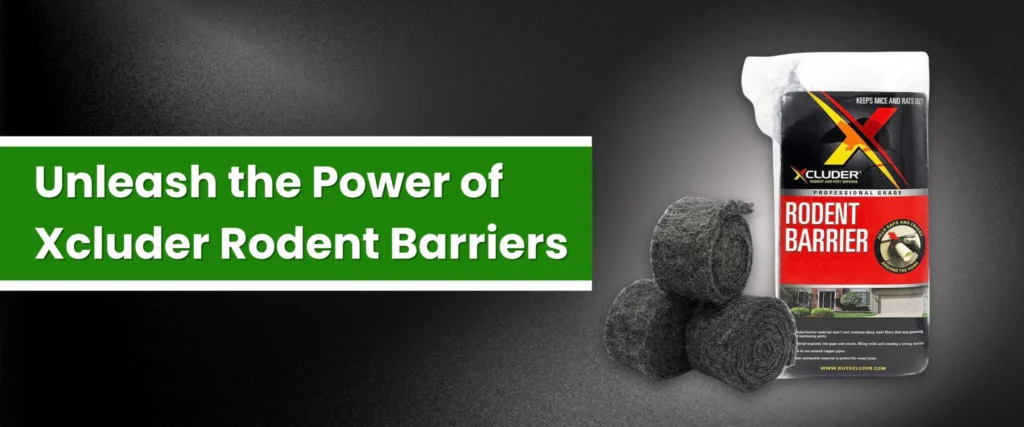
Unleash the Power of Xcluder Rodent Barriers

Ultimate Guide to Rodent Proofing NYC Homes: Unleash the Power of Xcluder Rodent Barriers New York City is struggling with a serious rodent infestation. Due to the city’s crowded conditions, plentiful food, and many places for rodents to hide, these pests are thriving. Mice and rats are especially problematic, causing damage to homes and businesses, contaminating food, and spreading diseases. The prevalence of rodents in NYC can be attributed to several factors: Food availability: The city’s abundance of restaurants, grocery stores, and garbage disposal sites provides a constant food supply for rodents. Urban environment: The dense urban landscape offers numerous hiding places, such as basements, attics, and underground tunnels, where rodents can shelter and breed. Warm climate: New York City’s temperate climate allows rodents to remain active throughout the year, making it easier for them to establish and maintain populations. The rodent problem in NYC has far-reaching implications. Rodents can cause significant property damage by gnawing on wires, insulation, and structural materials. They can also contaminate food supplies, leading to health risks. Additionally, rodents are known to carry and transmit diseases, such as salmonella and hantavirus, posing a threat to public health. Rodent Proofing for Buildings and Apartments Rodent proofing is essential for buildings and apartments in NYC to prevent infestations and mitigate the associated risks. By taking proactive measures to seal entry points and eliminate hiding places, property owners can significantly reduce the likelihood of rodent infestations. Here are some key reasons why rodent proofing is crucial: Property protection: Rodent proofing helps safeguard buildings and apartments from damage caused by rodents, such as gnawed wires, insulation, and structural components. Health and safety: By preventing rodents from entering, rodent proofing helps protect residents from the health risks associated with rodent infestations, including the transmission of diseases. Peace of mind: Knowing that your property is protected from rodents can provide peace of mind and reduce stress. Rodent proofing is particularly important in NYC due to the high prevalence of rodents in the city. By taking proactive steps to seal entry points and eliminate hiding places, property owners can create a more hospitable and healthier living environment. Xcluder Rodent Barrier as the Ultimate Solution Xcluder Rodent Barrier is a revolutionary product that offers a highly effective solution to the rodent problem in NYC. This durable, stainless steel mesh material is designed to prevent rodents from entering buildings and apartments, providing long-lasting rodent control protection. Xcluder offers several key benefits: Superior durability: Xcluder is built to last, resisting rust, corrosion, and even extreme weather conditions. Effective rodent prevention: Its dense mesh structure effectively blocks rodents, preventing them from squeezing through small openings. Versatile applications: Xcluder can be used in various areas, including attics, basements, crawl spaces, and around pipes and cables. Easy installation: With proper tools and guidance, Xcluder can be installed by homeowners or professionals. Understanding the Xcluder Rodent Barrier What is the Xcluder Rodent Barrier? The Xcluder Rodent Barrier is a highly effective and durable solution for preventing rodents from entering your home or business. It’s a stainless steel mesh that is designed to be virtually indestructible, making it a long-lasting investment in rodent control. How Xcluder Rodent and Pest Defense is Effecive  Xcluder’s unique design offers several features that make it a powerful tool for rodent and pest defense: Dense Mesh: The mesh is so dense that it effectively blocks rodents from squeezing through small openings, preventing them from entering your property. Stainless Steel: The stainless steel material ensures that the barrier is resistant to rust, corrosion, and other environmental factors, ensuring its longevity. Flexibility: Xcluder is flexible, allowing it to be easily installed around pipes, cables, and other irregular surfaces. Durability: The barrier is designed to withstand harsh weather conditions and heavy use, making it a reliable solution for long-term rodent control. Benefits of Using Xcluder for Rodent Proofing Effective Rodent Prevention: Xcluder is highly effective at preventing rodents from entering your home or business, protecting your property and belongings from damage. Long-Lasting Protection: The durable stainless steel construction ensures that Xcluder will provide long-lasting protection against rodents. Versatile Applications: Xcluder can be used in various areas, including attics, basements, crawl spaces, and around pipes and cables. Easy Installation: With proper tools and guidance, Xcluder can be installed by homeowners or professionals. Environmentally Friendly: Xcluder is a humane and environmentally friendly solution for rodent control, as it does not harm the rodents but simply prevents them from entering your property. Key Areas to Rodent Proof House Rodent Proof Attic The attic is a common entry point for rodents, especially during colder months. To prevent rodents from accessing your attic: Seal entry points: Inspect your attic for any gaps or holes around vents, chimneys, or roof eaves. Seal these openings with Xcluder or other suitable materials. Remove clutter: Clutter can provide hiding places for rodents. Clear out any unnecessary items in your attic to reduce their potential habitats. Install attic vents with rodent-proof screens: Ensure that your attic vents are equipped with rodent-proof screens to prevent rodents from entering. Rodent Proofing Your House: Doors, Windows, and Foundation Rodents can also enter your home through doors, windows, and foundation cracks. Take the following steps to seal these entry points: Inspect doors and windows: Check for any gaps or cracks around doors and windows. Seal these openings with weatherstripping or caulk. Inspect the foundation: Look for any cracks or gaps in your home’s foundation. Seal these openings with concrete or a suitable sealant. Install door sweeps: Install door sweeps on the bottom of exterior doors to prevent rodents from crawling under. Importance of Rodent-Proof Screen Material for Vents and Chimneys Rodent-proof screen material is essential for vents and chimneys to prevent rodents from entering your home. These materials are specifically designed to block rodents while allowing for proper airflow. Ventilation: Rodent-proof screens allow for adequate ventilation while preventing rodents from entering. Protection: By installing rodent-proof screens on vents and chimneys, you can protect your home from potential damage caused by rodents.

Rodents Control

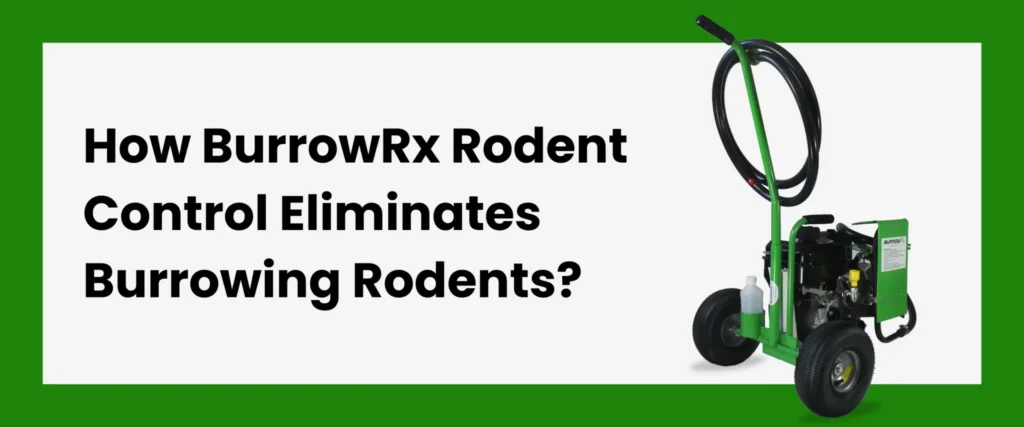
How BurrowRx Rodent Control Eliminates Burrowing Rodents?

How BurrowRx Rodent Control Eliminates Burrowing Rodents?The Ultimate Solution for Managing Burrowing Rodents New York City, a bustling metropolis, faces a persistent challenge: the infestation of burrowing rodents, particularly rats. These pests can cause significant damage to properties, spread diseases, and create unsanitary conditions. The problem is exacerbated by the city’s dense population, abundant food sources, and complex underground infrastructure. The Need for Effective Rodent Control Effective rodent control is essential to protect public health, maintain property values, and preserve the city’s reputation. Traditional methods, such as traps and poisons, often provide temporary relief but may not address the root of the problem. BurrowRx rodent control offers a comprehensive solution specifically designed to eliminate burrowing rodents and prevent future infestations in the unique environment of New York City. Understanding Burrowing Rodents What Are Burrowing Rodents? Burrowing rodents are a group of animals that create subterranean tunnels for shelter, food storage, and breeding. These creatures are adept at digging and can cause significant damage to properties, gardens, and infrastructure. Common types of burrowing rodents include: Rats: Rats are highly adaptable and can be found in various environments, including urban areas, rural settings, and agricultural fields. They are known for their ability to burrow and can cause extensive damage to buildings and structures. Mice: Mice are smaller than rats but can also be a significant problem. They are capable of burrowing and can contaminate food supplies and damage insulation. Voles: Voles are small rodents that often inhabit grassy areas, such as fields and lawns. They can burrow and cause damage to plants and crops. Why Rodent Burrowing is a Problem Rodent burrowing can have numerous negative consequences: Property Damage: Burrowing rodents can weaken foundations, damage insulation, and gnaw through electrical wires, posing serious safety risks. Contamination: Rodents can contaminate food supplies and spread diseases, such as salmonella and hantavirus. Agricultural Damage: Burrowing rodents can cause significant damage to crops and gardens, leading to economic losses. Nuisance: The presence of rodents can be a nuisance and can negatively impact quality of life. The BurrowRx Machine The BurrowRx machine is a revolutionary device designed to eliminate burrowing rodents from properties of all sizes. Unlike traditional methods that rely on traps or poisons, BurrowRx offers a humane and effective solution that targets these pests directly in their burrows. How BurrowRx Works The BurrowRx machine utilizes a combination of sound and vibration technology to disrupt the natural behavior of burrowing rodents. By emitting high-frequency sounds and vibrations into their burrows, the machine creates an environment that is highly unpleasant for these pests. This discomfort forces them to abandon their burrows and seek refuge elsewhere, effectively eliminating the infestation. The process of using BurrowRx for underground rodent management involves the following steps: Identification of Burrows: BurrowRx technicians carefully identify the locations of rodent burrows on the property. Machine Placement: The BurrowRx machine is strategically placed near the identified burrows. Treatment: The machine is activated and begins emitting sound and vibration waves into the burrows. Monitoring: The effectiveness of the treatment is monitored over time, and adjustments may be made as needed. The Importance of CO2 in Rodent Control How CO2 Plays a Role in Controlling Burrowing Rodents The BurrowRx machine incorporates carbon dioxide (CO2) as a key component in its rodent control process. CO2 is a naturally occurring gas that is heavier than air and can effectively displace oxygen in enclosed spaces. This property makes it an ideal agent for eliminating rodents in their burrows. How CO2 Effectively Eliminates Rodents in Their Burrows Without Causing Harm to the Environment When CO2 is introduced into a rodent burrow, it displaces the oxygen, creating a suffocating environment. Rodents are unable to tolerate low oxygen levels and will eventually succumb. Importantly, CO2 is a non-toxic gas that poses no harm to humans, pets, or the environment when used as intended. Advantages of Using CO2 in Rodent Control CO2 offers several advantages over traditional rodent control methods: Non-Toxic: CO2 is a natural gas that is safe for humans and the environment, unlike many chemical-based rodent control products. Effective Against Deep Burrows: CO2’s heavier-than-air nature allows it to penetrate deep into burrows, ensuring that even well-hidden rodents are eliminated. Environmentally Friendly: The use of CO2 for rodent control aligns with environmentally conscious practices and minimizes the risk of unintended harm to wildlife or ecosystems. Long-Term Results: By targeting rodents directly in their burrows, CO2 can provide long-term relief from infestations, reducing the need for ongoing treatments. How to Get Rid of Burrowing Rodents Traditional Methods vs. Modern Solutions Traditional methods for rodent control often involve the use of traps, poisons, or exclusion techniques. While these methods may provide temporary relief, they can have limitations and drawbacks. Traps: Traps can be messy and time-consuming, and they may not be effective against large infestations. Poisons: Poison baits can pose risks to pets, wildlife, and humans if not used properly. Exclusion Techniques: Exclusion methods, such as sealing up entry points, can be difficult to implement and may not address existing infestations. Modern solutions, like BurrowRx, offer more effective and humane alternatives to traditional methods. Why Choose BurrowRx Rodent Control? BurrowRx offers several key benefits: Effectiveness: BurrowRx is highly effective at eliminating burrowing rodents by targeting them directly in their burrows. Environmental Considerations: The use of CO2 in BurrowRx is a non-toxic and environmentally friendly approach to rodent control. Ease of Use: BurrowRx is a simple and easy-to-use solution that requires minimal effort from property owners. Long-Term Results: By addressing the root of the problem, BurrowRx can provide long-term relief from rodent infestations. Types of Rodents Controlled by BurrowRx BurrowRX rodent control is effective against a wide range of burrowing rodents, including: Rats: Both brown rats and black rats, which are common urban pests, can be effectively eliminated using BurrowRx. Mice: House mice and field mice, which can infest homes and businesses, are also susceptible to BurrowRx treatment. Voles: Meadow voles and other voles that burrow in lawns and gardens can be controlled using BurrowRx.

Bed Bug

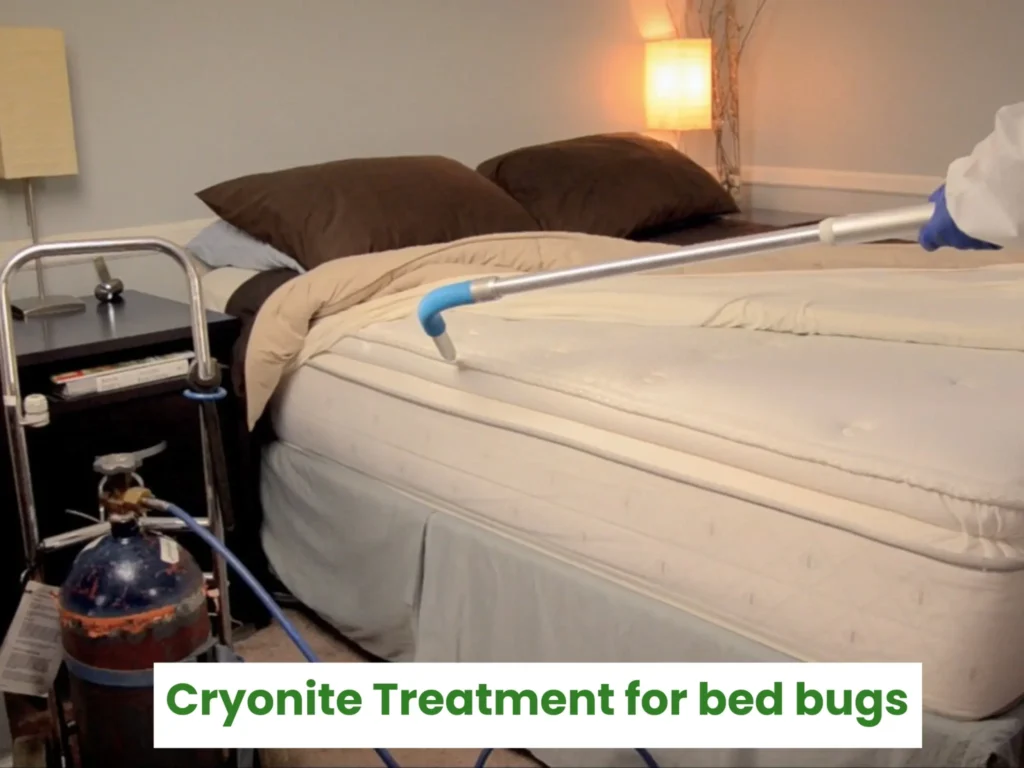
Bed Bug Blues? Cryonite Treatment For Bed Bugs To Rescue!

Bed Bug Blues? Cryonite Treatment For Bed Bugs To Rescue! A New York Minute Solution to an Old Pest Problem Bed bugs, once a nuisance confined to the past, have made a resurgence in recent years, wreaking havoc on homes and hotels worldwide. Their stealthy nature, rapid reproduction, and resistance to traditional pesticides have made them a formidable foe for homeowners and pest control professionals alike. The search for effective and efficient bed bug treatments has become a top priority, and a groundbreaking solution has emerged: Cryonite. Cryonite, a unique form of carbon dioxide, has revolutionized the way bed bugs are eliminated. Unlike traditional pesticides that target adult insects, Cryonite works by freezing the pests instantly. Its extreme cold, reaching temperatures as low as -78°C, disrupts the cellular structure of bed bugs, leading to their demise. This innovative approach offers a number of advantages over conventional methods. Cryonite treatment for bed bugs has gained significant traction in the pest control industry. As homeowners and professionals seek more effective and environmentally friendly options, Cryonite has become a popular choice. Its ability to provide rapid results and minimize disruption to daily life has contributed to its rising popularity. What is Cryonite Treatment? bed bug cryonite treatment is a revolutionary method for eliminating bed bugs using extremely cold carbon dioxide. Unlike traditional pesticides that rely on chemical agents, Cryonite works by physically freezing the pests. The technology utilizes the principle of cryogenic freezing, which involves rapidly cooling a substance to extremely low temperatures. The Science Behind It: The process of freezing kills bed bugs by disrupting their cellular structure. When exposed to Cryonite’s intense cold, the water within the insect’s cells freezes and expands. This expansion causes the cell membranes to rupture, leading to the death of the pest. Cryonite’s effectiveness lies in its ability to target bed bugs at all stages of their life cycle, including eggs, nymphs, and adults. Cryogenic Bed Technology: To ensure thorough and efficient treatment, many pest control professionals employ cryogenic beds. These specialized devices are designed to create a controlled environment where Cryonite can be applied effectively. The bed is typically sealed around the infested area, allowing for the targeted application of Cryonite gas. This approach helps to contain the treatment and minimize the risk of spreading bed bugs to other areas of the home. How Cryonite Treatment Works A Cryonite bed bug treatment typically involves the following steps: Preparation: The area to be treated is thoroughly inspected to identify areas of infestation. Furniture and other items that may harbor bed bugs are moved to facilitate treatment. Cryogenic Bed Setup: A cryogenic bed is placed over the infested area, creating a sealed environment. The bed is secured to prevent the escape of Cryonite gas. Cryonite Application: Cryonite gas is released into the sealed chamber. The gas quickly fills the space, enveloping the bed bugs and other pests. Freezing and Killing: The intense cold of the Cryonite gas instantly freezes the bed bugs, causing their death. Ventilation: Once the treatment is complete, the cryogenic bed is removed, and the area is ventilated to disperse any remaining Cryonite gas. CO2 as a Freezing Agent: CO2 (carbon dioxide) is the primary component of Cryonite. It is a non-toxic gas that is naturally occurring in the atmosphere. When released under high pressure, CO2 undergoes a phase change, transforming from a gas into a dry ice solid. This solid form of CO2 is extremely cold, making it ideal to freeze bedbugs. CO2 bedbug traps are sometimes used in conjunction with Cryonite treatment to capture and eliminate bed bugs before the main treatment begins. Cryonite vs. Traditional Treatments: Cryonite offers several advantages over traditional methods for bed bug control: Effectiveness: Cryonite is highly effective in killing bed bugs at all stages of their life cycle, including eggs. Speed: Cryonite treatment can be completed in a relatively short period, providing quick results. Safety: Cryonite is non-toxic and does not pose a health risk to humans or pets. Environmental Friendliness: Cryonite is considered to be more environmentally friendly than traditional chemical treatments. Minimal Disruption: Cryonite treatment typically requires less preparation and cleanup than traditional methods. Common Myths and Misconceptions Does Freezing Kill Bed Bugs? The short answer is yes, freezing can kill bed bugs. However, it is crucial to understand that not all freezing methods are created equal. DIY freezing attempts, such as placing infested items in a freezer, may not be as effective as professional Cryonite treatment. This is because DIY methods often fail to reach the extremely low temperatures required to kill bed bugs and their eggs. Cryonite vs. DIY Freezing Methods: Professional Cryonite treatment offers several advantages over DIY freezing methods: Temperature Control: Cryonite technology can achieve much lower temperatures than a typical household freezer, ensuring that bed bugs and their eggs are completely eliminated. Uniformity: Cryonite treatment can be applied evenly to the entire infested area, ensuring that no hiding places are missed. Professional Expertise: Pest control professionals have the knowledge and experience to identify and treat bed bug infestations effectively. Equipment: Professional Cryonite treatment utilizes specialized equipment that is designed to deliver the gas efficiently and safely. When to Consider Cryonite Treatment Identifying bed bugs or signs of their presence is essential for determining if treatment is necessary. Look for: Bite marks: Small, red, itchy bites on your skin, often in a zigzag pattern. Bed bug tracks: Dark, squiggly lines on bed sheets or mattresses. Live bed bugs: Small, brown insects that may be found in bed seams, furniture, or other hiding places. Bed bug eggs: Tiny, white eggs that may be found in clusters. Shedding: Shed skins from bed bugs. Best Situations for Cryonite: Cryonite treatment is particularly effective in the following situations: Severe infestations: When there is a large number of bed bugs present. Hidden infestations: When bed bugs are difficult to reach using traditional methods. Resistance to other treatments: If bed bugs have developed resistance to chemical or heat treatments. Environmental concerns: For those who prefer

General

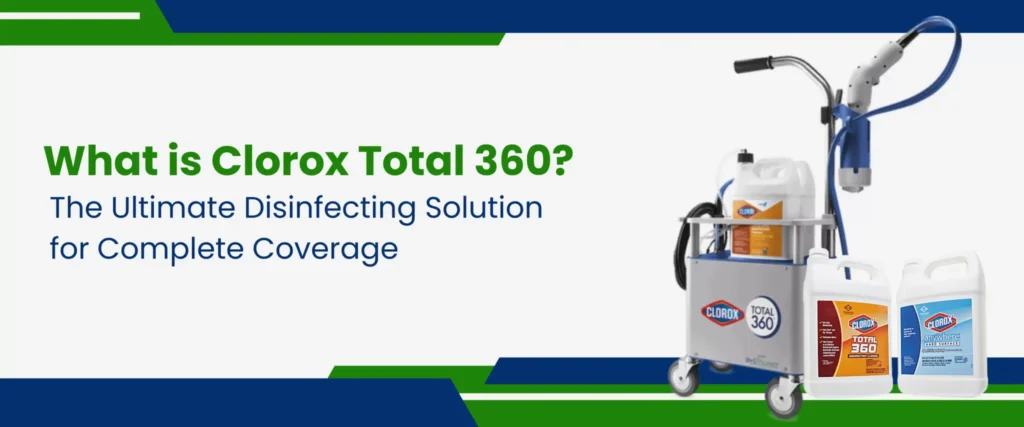
What is Clorox Total 360? The Ultimate Disinfecting Solution

What is Clorox Total 360? The Ultimate Disinfecting Solution for Complete Coverage In today’s world, where health and hygiene are paramount, finding effective and comprehensive disinfection solutions has become more crucial than ever. With the constant threat of germs and viruses, it’s essential to have tools that can thoroughly clean and sanitize our living spaces. One such revolutionary product is Clorox Total 360. Clorox Total 360 is a cutting-edge disinfectant spray designed to provide complete coverage and eliminate a wide range of harmful bacteria and viruses. Its advanced formula and innovative technology make it a reliable choice for maintaining a clean and safe environment. Best@pest Exterminating stands out as the sole provider of Clorox 360 disinfecting services in New York City with latest machine and equipment i.e electrostatic sprayer. Their expertise and commitment to using the latest disinfection techniques position them as a leader in the field of advanced cleaning solutions. Understanding the Clorox Total 360 Disinfectant Cleaner Clorox Total 360 is a potent disinfectant cleaner designed to eliminate a wide range of harmful pathogens. Its powerful formulation, enriched with advanced cleaning agents, ensures thorough disinfection of various surfaces. This product is a trusted choice for maintaining a clean and hygienic environment. Clorox Total 360 Key Features Broad Spectrum Disinfection: Clorox Total 360 effectively kills 99.99% of bacteria and viruses, including influenza A2, MRSA, E. coli, and Salmonella. Versatile Application: Suitable for a variety of hard non-porous surfaces, including countertops, floors, sinks, toilets, and more. Fast-Acting Formula: The disinfectant works quickly, leaving surfaces clean and disinfected in just 10 minutes. Pleasant Scent: Clorox Total 360 features a refreshing scent that leaves a pleasant aroma in your home. Safe for Families: When used as directed, the product is safe for families, including children and pets. Why It Stands Out Clorox Total 360 differentiates itself from other disinfectants on the market due to its: Comprehensive Coverage: The unique 360-degree spray technology ensures thorough disinfection of all surfaces, including hard-to-reach areas. Effective Germ-Killing Power: The powerful formula effectively eliminates a wide range of harmful pathogens, providing superior protection against germs. Versatility: Suitable for a variety of cleaning applications, making it a convenient and efficient choice for households. Fast-Acting Results: The quick-acting formula ensures that surfaces are clean and disinfected in a minimal amount of time. The Technology Behind Clorox 360: The Electrostatic Sprayer The Clorox Electrostatic Sprayer is a cutting-edge piece of equipment that utilizes a process called electrostatic application. This technology involves charging the disinfectant particles, causing them to adhere more effectively to surfaces, even in hard-to-reach areas. This ensures comprehensive coverage and optimal disinfection. How the Clorox 360 Machine Works The Clorox 360 machine operates by: Charging the Disinfectant: The machine charges the disinfectant particles, giving them a positive or negative charge. Electrostatic Attraction: When the charged disinfectant is sprayed, the particles are attracted to the negatively or positively charged surfaces, ensuring even distribution. Comprehensive Coverage: This process allows the disinfectant to wrap around objects and penetrate into crevices, providing complete coverage and effective disinfection. Best@pest Exterminating Expertise Best@pest Exterminating is a leader in utilizing the Clorox Electrostatic Sprayer to offer superior disinfection services in New York City. Their team of experts is skilled in operating this advanced technology, ensuring that the disinfectant is applied effectively and efficiently. By leveraging the power of electrostatic application, Best@pest Exterminating can provide clients with a comprehensive and thorough disinfection solution. Applications of Clorox Total 360 Clorox Total 360 is particularly beneficial in environments where maintaining a high level of cleanliness and hygiene is crucial. Some ideal use cases include: Schools: To disinfect classrooms, common areas, and shared equipment, helping to prevent the spread of germs and illnesses. Healthcare Facilities: To sanitize patient rooms, examination areas, and medical equipment, reducing the risk of infections. Offices: To clean and disinfect workstations, shared spaces, and high-touch surfaces, promoting a healthy and safe working environment. Restaurants and Food Service: To sanitize food preparation areas, dining surfaces, and equipment, ensuring food safety. Gyms and Fitness Centers: To disinfect equipment, locker rooms, and common areas, preventing the transmission of germs. Why Choose Best@pest Exterminating for Clorox 360 Disinfecting Services? BestatpestNYC is the only company in New York City that offers Clorox 360 disinfecting services with electrostatic sprayer. This exclusivity ensures that you have access to the most advanced disinfection technology and expertise available. Long-Term Benefits By choosing BestatpestNYC for your Clorox 360 disinfection needs, you are investing in the long-term health and safety of your space. Their professional services offer numerous benefits, including: Enhanced Safety: Clorox 360 effectively eliminates harmful pathogens, reducing the risk of illness and infection. Increased Efficiency: Best@pest Exterminating expertise and use of the Clorox Electrostatic Sprayer ensure thorough and efficient disinfection. Peace of Mind: Knowing that your space has been disinfected using a powerful and effective solution provides peace of mind. Why Clorox 360 is the Best Choice Clorox Total 360 stands out as the premier disinfectant cleaner due to: Comprehensive Coverage: The electrostatic sprayer ensures thorough disinfection of all surfaces, including hard-to-reach areas. Effective Germ-Killing Power: Clorox Total 360 eliminates a wide range of harmful pathogens, providing superior protection. Versatility: Suitable for a variety of cleaning applications, making it a convenient choice. Fast-Acting Results: The disinfectant works quickly, ensuring surfaces are clean and disinfected in a minimal amount of time. Conclusion Clorox Total 360 is a powerful and versatile disinfectant that offers comprehensive coverage and effective germ elimination. By choosing Best@pest Exterminating for your Clorox 360 disinfecting services, you are investing in the health, safety, and well-being of your space. Contact Best@pest Exterminating today to schedule your Clorox 360 disinfection service and experience the difference.

General

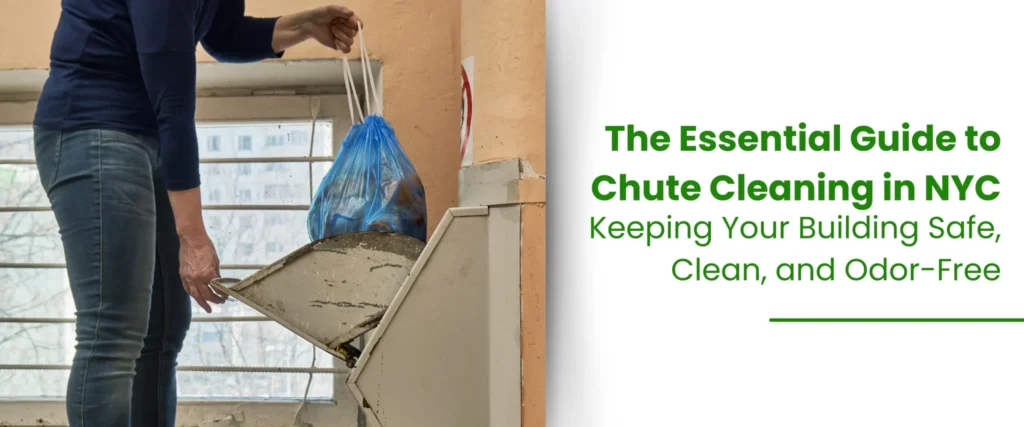
The Essential Guide to Chute Cleaning in NYC

The Essential Guide to Chute Cleaning in NYC: Keeping Your Building Safe, Clean, and Odor-Free Chute cleaning is the process of removing waste, debris, and odors from garbage chutes in residential and commercial buildings. These chutes, often located in common areas, serve as a convenient way to dispose of trash. However, over time, they can become clogged, contaminated, and release unpleasant odors. Regular chute cleaning is essential to maintain a clean, healthy, and safe environment for building occupants. Importance of Chute Cleaning in NYC New York City, with its dense urban landscape and numerous high-rise buildings, presents unique challenges for chute cleaning. The high volume of trash generated in the city, tied with the close proximity of buildings, can lead to rapid accumulation of waste in chutes. This can create unhygienic conditions, attract pests, and even pose health risks. Additionally, the city’s humid climate and frequent rainfall can contribute to the growth of mold and bacteria within the chutes. These microorganisms can produce unpleasant odors and potentially cause respiratory problems for building occupants. Regular chute cleaning is therefore crucial to prevent these issues and ensure the well-being of residents and workers in NYC. What is Chute Cleaning? Chute cleaning involves a multi-step process to ensure the thorough removal of waste, debris, and contaminants from garbage chutes. This process typically includes: Debris Removal: Using specialized equipment, such as hydraulic rods, technicians remove solid waste, food scraps, and other debris from the chute. This may involve breaking up blockages or removing compacted materials. Sanitation: Once the debris is cleared, the chute is thoroughly cleaned and sanitized using powerful cleaning agents. This step helps to eliminate bacteria, viruses, and other harmful microorganisms that can accumulate in the chute. Deodorization: After cleaning, deodorizers are applied to neutralize unpleasant odors and leave the chute smelling fresh. These deodorizers can be natural or synthetic and are chosen based on their effectiveness and safety. Common Types of Chutes New York City buildings feature various types of chutes, each with its own specific characteristics and cleaning requirements. Some common types include: Trash Chutes: These are typically located in residential buildings and are used for disposing of household waste. They are often made of metal or concrete and can be either vertical or horizontal. Garbage Chutes: Similar to trash chutes, garbage chutes are designed for waste disposal. However, they may be larger and more vigorous to accommodate commercial or industrial waste. Compactor Chutes: These chutes are connected to compactor units and are used to compress waste before it is collected. They require specialized cleaning techniques to prevent blockages and ensure proper operation. Why Regular Chute Cleaning is Crucial Health and Hygiene Dirty chutes can pose significant health risks to building occupants. Accumulated waste and debris provide a breeding ground for pests, such as rats, cockroaches, and flies. These pests can carry diseases and contaminate food, leading to health problems. Additionally, the decomposition of organic matter in the chutes can produce unpleasant odors that can cause discomfort and respiratory issues. Fire Safety A major concern with dirty chutes is the risk of fire. Accumulated debris, including food scraps, paper, and other flammable materials, can ignite if exposed to heat or sparks. This can lead to a serious fire that can spread throughout the building, endangering lives and property. Regular chute cleaning is essential to remove these fire hazards and reduce the risk of a fire. Durability of Chute Systems Regular maintenance, including cleaning and inspections, can significantly extend the life of chute systems. By removing debris and preventing blockages, cleaning helps to maintain the structural integrity of the chute and its components. This can reduce the need for costly repairs or replacements in the future. Additionally, regular inspections can identify potential problems early on, allowing for timely maintenance and preventing more serious issues from developing. The Role of Trash Chute Coatings What are Trash Chute Coatings? Trash chute coatings are protective coatings applied to the interior of chutes to enhance their durability and resistance to damage. These coatings can be made of various materials, including epoxy, polyurethane, or ceramic. Benefits of Chute Coating Services Applying a coating to a trash chute offers several advantages: Reduced Odor Absorption: Coatings can create a barrier that prevents odors from penetrating the chute walls, helping to maintain a fresher-smelling environment. Preventing Corrosion: Coatings protect the chute from corrosion, which can occur over time due to moisture and exposure to cleaning chemicals. Enhanced Durability: Coatings can increase the overall durability of the chute, reducing the risk of damage from debris or wear and tear. Easier Cleaning: Coated chutes can be easier to clean, as the coating can prevent debris from adhering to the walls, making it less likely for blockages to form. The Equipment Used in NYC Garbage Chute Cleaning Advanced Cleaning Technology Modern garbage chute cleaning utilizes a variety of advanced equipment to ensure thorough and efficient cleaning: High-Pressure Washing Systems: These systems use powerful water jets to remove debris and grime from the chute walls. The high pressure can help to break up stubborn blockages and sanitize the surface. Sanitizing Agents: Specialized sanitizing agents are used to kill bacteria, viruses, and other harmful microorganisms. These agents are often formulated to be effective against a wide range of pathogens. Deodorization Tools: Deodorization tools, such as foggers or sprayers, are used to distribute deodorizing agents throughout the chute. These tools help to eliminate unpleasant odors and leave the chute smelling fresh. Innovations in Chute Cleaning The field of chute cleaning has seen several recent innovations that have improved the efficiency and effectiveness of the process. Some examples include: Robotic Cleaning Systems: Some companies have developed robotic systems that can navigate and clean chutes autonomously. These systems can reduce the need for manual labor and improve safety. Advanced Cleaning Agents: New cleaning agents have been developed that are more effective at removing stubborn debris and odors while being environmentally friendly. IoT-Enabled Monitoring: Internet of Things (IoT) technology can be used to monitor chute conditions and

Rodents Control

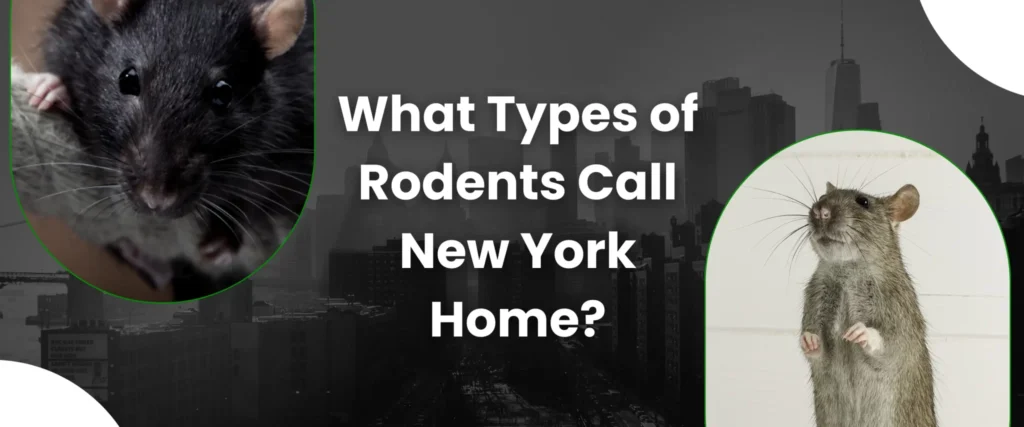
What Types of Rodents Call New York Home?

What Types of Rodents Call New York Home? New York City, a busy metropolis known for its varied population and iconic skyline, also shares its urban landscape with a variety of rodent species. These small, often nocturnal creatures can pose considerable challenges for residents, businesses, and public health officials. Understanding the different types of rodents that call New York home is crucial for effective pest control and prevention. Accurate identification of rodent species is essential for several reasons: Tailored Pest Control: Different rodent species may demonstrate distinct rodent behaviors and preferences for habitats and food sources. Knowing the specific type of rodent infestation allows for targeted pest control measures. Disease Prevention: Some rodents, such as rats, can carry and transmit diseases like salmonella and hantavirus. Identifying the species involved helps in implementing proper disease prevention strategies. Property Damage: Rodents can cause major property damage by gnawing on wires, insulation, and structural materials. Understanding the type of rodent infestation can inform preventative measures to protect buildings and infrastructure. Different Types of Rodents in New York New York City is home to a various range of rodent species, each with its own unique characteristics and behaviors. The most common rodents found in the city include: Rats Norway Rat (Rattus norvegicus): These large, brown rats are one of the most common rodent pests in urban areas. They are adaptable and can thrive in various environments, including sewers, basements, and garbage dumps. Roof Rat (Rattus rattus): Smaller and more agile than Norway rats, roof rats are often found in upper floors of buildings and trees. They are excellent climbers and can enter structures through small openings. Mice House Mouse (Mus musculus): These tiny, gray mice are commonly found in homes, businesses, and other structures. They are highly adaptable and can reproduce rapidly, making infestations difficult to control. Rat Look Alike Animal Voles: These small rodents look like mice but have shorter tails and stouter bodies. They are often found in grassy areas and gardens, where they can cause damage to plants. Muskrats: These semi-aquatic rodents are larger than rats and have a musky odor. They are typically found near water bodies, such as ponds and streams. Are Mice Dangerous? Yes, mice are dangerous, while they may seem harmless but can pose significant health risks to humans. One of the primary concerns is their potential to spread diseases. Mice can contaminate food and water sources with bacteria, viruses, and parasites. Some of the diseases that mice can transmit include: Salmonella: A bacterial infection that can cause food poisoning, leading to symptoms like diarrhea, fever, and abdominal cramps. Hantavirus: A viral infection that can cause respiratory illness, including fever, cough, and shortness of breath. Rat-bite fever: A bacterial infection caused by a bite from a rat or mouse. Symptoms include fever, headache, and muscle pain. In addition to spreading diseases, mice can also cause allergic reactions in some individuals. Their fur, dander, and urine can contain allergens that can cause symptoms like sneezing, runny nose, and itchy eyes. Field Mice in House: Are They Dangerous? Field mice, while typically found in outdoor environments, may occasionally enter into homes in search of food, water, or shelter. While they may not be as common as house mice, they can still pose a threat to residential areas. Behavior When Entering Homes When field mice enter homes, they often seek out warm, isolated places to nest. They may be found in attics, basements, or other areas that provide shelter and protection. Field mice are typically nocturnal and may be more active at night. Specific Dangers Field mice can pose similar health risks to house mice, including: Disease transmission: Field mice can carry and transmit diseases such as hantavirus and salmonella. Property damage: Field mice may gnaw on wires and insulation, potentially causing electrical problems or structural damage. Contamination: Their droppings and urine can contaminate food, surfaces, and insulation, leading to health risks and unpleasant odors. Identifying and Differentiating Rodents Accurate identification of rodent species is crucial for effective pest control. Here are some tips on how to distinguish between different types of rodents: Appearance: Size: Rats are generally larger than mice, with longer bodies and tails. Color: The color of a rodent can provide clues about its species. For example, Norway rats are typically brown, while roof rats may have a darker coat with a white belly. Tail: The tail can be a helpful indicator. Rats have longer tails that are often hairless, while mice have shorter, furrier tails. Body shape: Rats tend to have a more robust build, while mice are typically more slender. Behavior: Activity: Some rodents are more active during the day (diurnal), while others are primarily active at night (nocturnal). Habitat: The location where you see the rodent can provide clues about its species. For example, roof rats are often found in upper floors of buildings and trees, while Norway rats may be more common in basements and sewers. Sounds: Different rodents may produce distinct sounds, such as squeaking, scratching, or gnawing. Visual and Behavioral Clues: Rats vs. Mice: Rats are generally larger than mice and have longer tails. They may also be more likely to gnaw on wires and insulation. Mice are smaller and have shorter tails. They are often found in kitchens and pantries, where they can access food. Voles vs. Mice: Voles are similar in size to mice but have shorter tails and stouter bodies. They are often found in grassy areas and gardens. Muskrats vs. Rats: Muskrats are larger than rats and have a distinctive musky odor. They are typically found near water bodies. Preventing and Managing Rodent Infestations Preventing Rodent Infestations Seal entry points: Inspect your home for any cracks or gaps in the foundation, walls, or roof. Seal these openings with caulk or steel wool to prevent rodents from entering. Eliminate food sources: Store food in airtight containers, especially grains, nuts, and pet food. Clean up crumbs and spills promptly. Remove clutter: Clutter can provide hiding places for rodents.

General

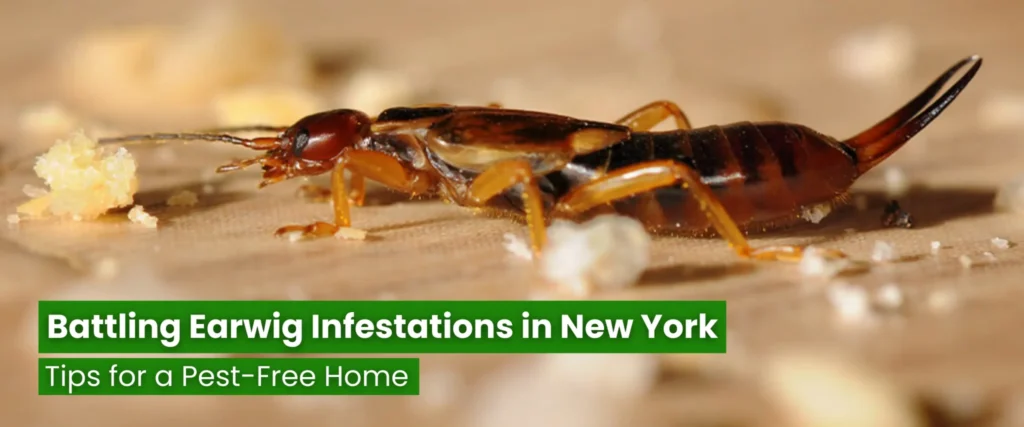
Battling Earwig Infestations in New York

Battling Earwig Infestations in New York: Tips for a Pest-Free Home Earwigs, those small, pincer-tailed insects, are a common nuisance in many parts of the world, including New York City. These creatures, often associated with damp and dark environments, can be particularly bothersome when they invade homes and gardens. While earwigs may not pose a significant health threat to humans, they can be quite annoying and destructive. They are known to damage plants, contaminate food, and create a sense of unease in the home. It is essential to identify and address earwig infestations promptly to prevent further problems. Identifying Earwigs Earwigs are small, nocturnal insects with a distinctive appearance. They have elongated, flattened bodies that are typically brown or black in color. One of their most recognizable features is their pair of pincers on their abdomens. These pincers are used for defense and to capture prey. Comparison with Other Insects: Black bug with 6 legs and antenna: While there are many black insects with six legs and antennae, earwigs can be distinguished by their elongated bodies and pincers. Bugs similar to earwigs: Some insects, such as silverfish and centipedes, may resemble earwigs. However, silverfish have silvery bodies and lack pincers, while centipedes have many more legs. Visual Characteristics of Earwigs: Elongated body: Earwigs have a long, flattened body. Pincer-like cerci: The most distinctive feature of earwigs is their pair of pincers on their abdomens. Dark color: Earwigs are typically brown or black in color. Antennae: They have two long antennae. Why Are They Called Earwigs? The origin of the name “earwig” is somewhat unclear. One popular theory suggests that the name comes from the belief that earwigs crawl into people’s ears. However, there is no scientific evidence to support this claim. Debunking the Myths: Earwigs do not crawl into ears: This is a common myth that has no basis in fact. The name may be derived from old English: Some experts believe that the name “earwig” may be derived from the Old English words “ear” and “wig,” which could mean “ear worm.” What Is an Earwig Infestation? An earwig infestation occurs when a significant number of earwigs invade a home or other structure. These insects are attracted to damp, dark environments, and often seek shelter indoors to escape harsh weather conditions. Signs of an Infestation: Visible earwigs: The most obvious sign of an infestation is seeing earwigs crawling around your home. They are often found in dark, moist areas, such as: Basements Bathrooms Kitchens Under sinks In cracks and crevices Damage to plants: Earwigs can damage plants by feeding on leaves, flowers, and stems. Contaminated food: Earwigs may contaminate food by crawling over it. Are Earwigs Dangerous? While earwigs can be unsightly and annoying, they are generally not dangerous to humans or pets. They do not bite or sting, and they are not known to transmit diseases. Common Myths About Earwigs: Earwigs crawl into ears: This is a common myth, but earwigs are not attracted to ears. Earwigs are poisonous: Earwigs are not poisonous and do not pose a health risk. Earwigs are harmful to pets: Earwigs are not typically harmful to pets, but they can be a nuisance if they invade their bedding or food bowls. What Are Earwigs a Sign Of? Earwigs are often a sign of a favorable environment for these insects. Their presence can indicate: Excess moisture: Earwigs thrive in damp conditions, so their presence may suggest a moisture problem in your home. Organic matter: Earwigs are attracted to decaying organic matter, such as food scraps or plant debris. Shelter: They seek out dark, secluded places to hide during the day. Factors Contributing to Earwig Infestations: Leaky pipes or faucets: These can create damp conditions that attract earwigs. Poor ventilation: Insufficient ventilation can lead to moisture buildup. Overgrown vegetation: Dense vegetation around your home can provide a hiding place for earwigs. Food scraps: Leaving food scraps lying around can attract earwigs. What Attracts Earwigs? Earwigs are attracted to a variety of factors, including: Moisture: They are drawn to damp areas, such as basements, bathrooms, and kitchens. Food: Earwigs are omnivores and will eat a variety of food, including decaying plant matter, insects, and even small pieces of meat. Shelter: They seek out dark, secluded places to hide during the day. Light: Earwigs are attracted to light, especially at night. Reducing the Attractiveness of Your Home to Earwigs: Eliminate moisture sources: Repair leaky pipes and faucets, and improve ventilation in your home. Clean up food scraps: Dispose of food scraps promptly and store food in airtight containers. Remove clutter: Clutter can provide hiding places for earwigs. Trim vegetation: Keep vegetation around your home trimmed to reduce hiding places. Seal cracks and crevices: Seal any cracks or crevices in your home’s exterior to prevent earwigs from entering. Use natural repellents: Some natural repellents, such as diatomaceous earth or peppermint oil, can help deter earwigs. Earwig Season Earwigs are most active in New York during the warmer months, from late spring to early fall. This is when temperatures are ideal for their development and activity. However, infestations can occur throughout the year, especially in homes with favorable conditions for earwigs. Seasonal patterns can significantly affect earwig infestations. During the warmer months, earwigs are more likely to be found outdoors, feeding on plants and seeking shelter in damp, dark places. As temperatures cool down in the fall, earwigs may seek refuge indoors to escape harsh weather conditions. Earwigs vs. Similar Bugs Earwigs vs. Cockroaches: Appearance: Cockroaches are typically larger and have a more flattened body than earwigs. They also have longer antennae. Habitat: Cockroaches are more likely to be found in kitchens and other areas with food sources, while earwigs are often found in damp, dark places. Behavior: Cockroaches are active both day and night, while earwigs are primarily nocturnal. Earwigs vs. Silverfish: Appearance: Silverfish have silvery bodies and lack pincers. They also have longer, more slender antennae. Habitat: Silverfish are often found in damp, dark places, similar to

General

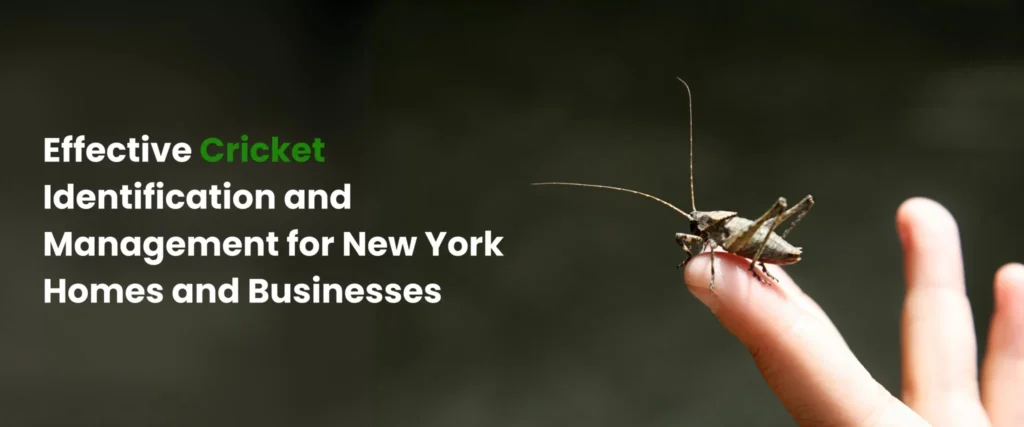
Effective Cricket Identification and Management

Effective Cricket Identification and Management for New York Homes and Businesses New York City, with its bustling energy and towering skyscrapers, is a far cry from the serene countryside. Yet, amidst the urban jungle, a tiny, often overlooked creature thrives: the cricket. These chirping insects have adapted remarkably well to city life, making their presence known in homes, businesses, and other structures. Understanding the nuances of cricket identification is crucial for effective pest management. While many people might dismiss them as harmless, certain cricket species can pose problems. They can damage property, contaminate food, and even trigger allergies.  New York’s diverse ecosystem supports a variety of cricket species. From the common house cricket, known for its incessant chirping, to the less familiar field cricket, these insects have found their niche in both urban and suburban environments. Identifying the specific type of cricket you’re dealing with will help determine the most appropriate control measures. Cricket Identification Crickets, while often dismissed as harmless, can become a nuisance and even cause damage in New York homes and businesses. Accurate identification is the first step to effective control.   Common Crickets in New York Several cricket species commonly inhabit New York’s urban and suburban areas: House Crickets: These are the most common household invaders. They are typically brown or black, with a length of about 3/4 to 1 inch. House crickets are known for their constant chirping, often associated with warm, humid conditions.   Field Crickets: Larger than house crickets, field crickets are often found outdoors but can enter homes in search of warmth. They are typically brown or gray and have a more robust appearance. While they can chirp, their song is less frequent than that of house crickets. Spider Crickets (Camel Crickets): These wingless crickets are often mistaken for spiders due to their long legs. They are typically light brown or gray and have a humped appearance. Unlike other crickets, spider crickets do not chirp.   Cave Crickets: Similar in appearance to spider crickets, cave crickets prefer cool, damp environments. They are often found in basements and crawl spaces.   Visual Differences and Behaviors To accurately identify cricket species, consider these visual cues and behavioral differences: Body shape: House crickets have a more slender body, while field crickets are more robust. Spider and cave crickets have a distinct humped appearance.   Wing length: House and field crickets have wings, while spider and cave crickets do not. Color: House crickets are typically brown or black, while field crickets can vary from brown to gray. Spider and cave crickets are usually light brown or gray. Chirping: House crickets are known for their constant chirping. Field crickets chirp less frequently, and spider and cave crickets do not chirp at all.   Habitat: House crickets prefer warm, dry environments, while field crickets are often found outdoors. Spider and cave crickets thrive in cool, damp conditions. Cricket Life Span While precise data on the lifespan of specific cricket species in New York might be limited, general information can provide valuable insights. Average Lifespan of Common Cricket Types House Crickets: Typically, house crickets have a lifespan of about 3 months under ideal conditions. However, this can vary depending on factors such as temperature, humidity, and food availability. Field Crickets: Similar to house crickets, field crickets also have an average lifespan of around 3 months. However, their life cycle can be shorter due to exposure to outdoor elements and predators. Spider Crickets: While specific data on spider cricket lifespan is scarce, it’s generally believed that they live for a similar duration as house and field crickets. Cave Crickets: Like their counterparts, cave crickets are estimated to have a lifespan of around 3 months. However, their life cycle might be influenced by the specific conditions of their underground habitat. Factors Affecting Cricket Life span Several factors can influence the lifespan of crickets: Temperature: Warmer temperatures tend to accelerate a cricket’s metabolism, potentially shortening its lifespan. Humidity: Proper humidity levels are essential for cricket survival. Excessive dryness or humidity can negatively impact their lifespan. Food Availability: A consistent supply of food is crucial for crickets to thrive and reach their full lifespan potential. Predators: Outdoor crickets face a higher risk of predation, which can significantly reduce their lifespan. Indoor Conditions: Controlled indoor environments can extend a cricket’s lifespan compared to outdoor conditions. Are Black Crickets Poisonous? Black crickets are not poisonous to humans or pets. The color of a cricket does not determine its toxicity. In fact, many cricket species, including common house crickets, can be black or dark brown.   There are several common myths surrounding black crickets: Myth: Black crickets are more dangerous than other crickets. Fact: All cricket species are relatively harmless to humans and pets. The primary concerns with crickets are property damage, contamination of food, and allergic reactions. Myth: Black crickets carry diseases. Fact: While crickets can carry bacteria on their bodies, they are generally not known to transmit diseases to humans or pets. Proper hygiene practices, such as washing hands after handling crickets or areas where they have been present, are essential.   Do Crickets Carry Diseases? While the risk is relatively low, crickets can indeed carry diseases. They can be carriers of bacteria such as E. coli and salmonella. These bacteria can be transferred through their droppings or by direct contact with the cricket itself.   Health risks associated with crickets in homes: Contamination of food: Crickets can crawl on food preparation surfaces and contaminate food with bacteria.   Allergies: Cricket droppings and shed exoskeletons can trigger allergic reactions in some people. Asthma: For individuals with asthma, exposure to cricket allergens can exacerbate symptoms. Psychological distress: A cricket infestation can cause stress and anxiety for homeowners.   Cricket Droppings Cricket droppings are small, dark pellets, often resembling black pepper grains. They are typically found in areas where crickets congregate or hide, such as behind baseboards, in corners, or near food sources.   Recognizing cricket droppings is crucial for identifying an infestation. While seeing the actual crickets can be sporadic, finding their droppings is often a

General

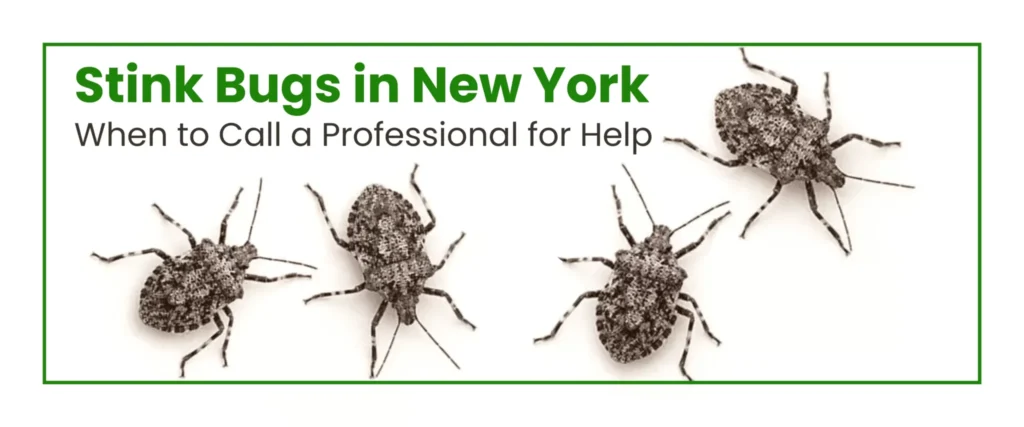
Stink Bugs in New York: When to Call a Professional for Help

Stink Bugs in New York: When to Call a Professional for Help Stink bugs, often a nuisance to homeowners, are shield-shaped insects known for their unpleasant odor when disturbed. Native to Asia, they were introduced to the United States in the late 1990s and have since spread rapidly. New York is among the states heavily impacted by these pests, particularly during autumn when they seek warmer indoor environments to hibernate. Understanding these Pests for New York Residents Understanding stink bugs is crucial for New York residents for several reasons: Property Damage: While they do not bite or pose a health risk, stink bugs can cause damage to crops and ornamental plants. Nuisance Pest: Their tendency to invade homes during colder months can be incredibly frustrating, as they are difficult to eliminate. Prevention and Control: Knowledge about stink bug behavior can help residents prevent infestations and implement effective control measures. What Do Stink Bugs Look Like? Physical Appearance of Stink Bugs Stink bugs are typically about 17 mm long and have a distinctive shield-shaped body. Their color varies from brown to green, often with mottled patterns. They possess a triangular-shaped head with piercing-sucking mouthparts and two pairs of wings. Adult Stink Bugs vs Baby Stink Bugs Adult stink bugs are the ones commonly seen invading homes. They have fully developed wings and a hardened exoskeleton. Baby stink bugs, or nymphs, are smaller and lack wings. They are typically bright green in color and gradually darken as they mature. Nymphs also have a softer exoskeleton compared to adults. Life Cycle of Stink Bugs Stink Bug’s life Stages, from Eggs to Adults Stink bugs undergo a gradual metamorphosis, which means they don’t have a pupal stage like butterflies or moths. Their life cycle consists of three main stages: Egg: Female stink bugs lay their eggs in clusters on the undersides of leaves or stems. The eggs are typically barrel-shaped and change color from green to brown as they mature.   Nymph: Once the eggs hatch, tiny, wingless nymphs emerge. These young stink bugs go through several molting stages as they grow, gradually developing wing pads. Nymphs are often brightly colored, making them stand out against the greenery.   Adult: The final stage is the adult stink bug, recognizable by its shield-shaped body and fully developed wings.   Appearance and Behavior of Baby Stink Bugs Baby stink bugs, also known as nymphs, are small and wingless. They often start out with a bright green color but darken as they mature. Initially, they tend to stay close to the hatched egg cluster, but as they grow, they become more mobile. Nymphs are active feeders and can cause damage to plants. What Do Stink Bugs Eat? Stink bugs are primarily herbivorous insects, with a diet that includes a wide variety of plants, fruits, and vegetables. Their piercing-sucking mouthparts allow them to feed by extracting juices from plants.  They are particularly fond of fruits like apples, peaches, and tomatoes, as well as crops such as soybeans, corn, and peppers. Stink bugs may also feed on ornamental plants and trees, making them a common nuisance in both agricultural fields and home gardens. The feeding behavior of stink bugs is not only limited to consuming plant juices but also involves puncturing the surface of fruits and vegetables, leading to unsightly blemishes and reducing their market value, which makes them particularly troublesome for New York’s diverse agricultural landscape.  Stink bugs can cause significant damage to crops by injecting enzymes into the plant tissues to break them down, which can result in deformities, discoloration, and premature fruit drop. This damage can severely impact the quality and yield of crops, posing a threat to both small-scale gardeners and large agricultural operations. For instance, apples, which are one of New York’s most important crops, are highly susceptible to stink bug damage. The punctures caused by their feeding can lead to “cat-facing,” a condition where the fruit develops scars and becomes unmarketable. What Are Stink Bugs Attracted To? Factors that attract stink bugs to homes and gardens Several factors can attract stink bugs to homes and gardens: Light: Stink bugs are often drawn to artificial light sources, especially at night. Warmth: As temperatures drop, they seek warmer environments, making homes attractive.   Food sources: The presence of nearby plants, fruit trees, or gardens can lure stink bugs. Cracks and crevices: These provide entry points for stink bugs to enter homes.   Seasonal behavior and movement patterns in New York Stink bug behavior in New York is influenced by the seasons: Spring and summer: Stink bugs are primarily outdoors, feeding and reproducing. Autumn: As temperatures cool, they seek sheltered areas for overwintering, often leading to home invasions.   Winter: Stink bugs remain dormant indoors, emerging in spring when temperatures rise.   Can Stink Bugs Fly? Stink bugs flying abilities Stink bugs are capable of flying, which plays a significant role in their ability to spread and invade new areas. Stink bugs have two pairs of wings: the front pair, which is tough and leathery, and the hind pair, which is membranous and used for flight. When stink bugs take off, they lift the front wings to reveal the hind wings, which they use to fly. Although they are not the most agile fliers, stink bugs can cover significant distances in search of food, mates, or shelter. Their flight is often slow and somewhat clumsy, but it allows them to disperse widely, making them difficult to control  as they can easily enter homes through open doors, windows, or cracks. Insects That Look Like Stink Bugs While stink bugs are often easily recognizable, there are a few other insects that can be mistaken for them due to their similar shape or color. Insects that Resemble Stink Bugs Several insect species share similarities with stink bugs in terms of body shape, color, or even odor. These look-alikes can often cause confusion among homeowners. Box elder bug vs stink bug: Both box elder bugs and stink bugs have a similar shield-shaped body and often invade

Ants

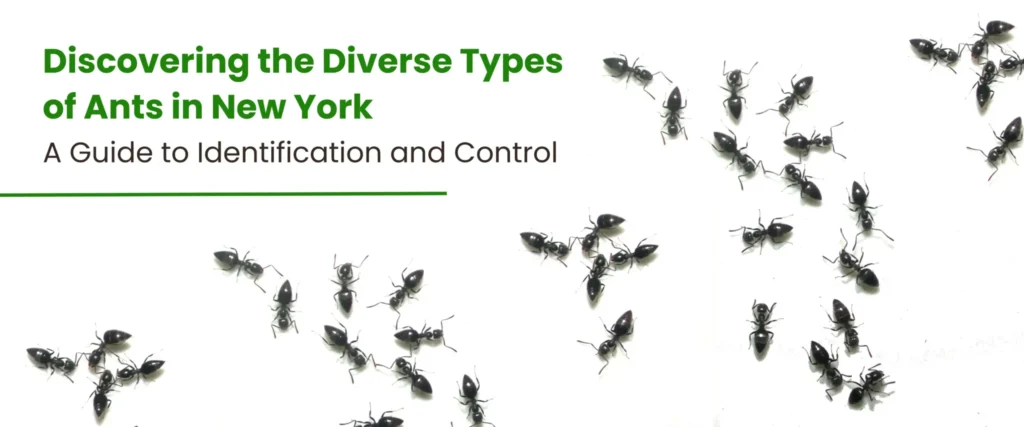
Discovering the Diverse Types of Ants in New York

Discovering the Diverse Types of Ants in New York: A Guide to Identification and Control New York City, a bustling metropolis known for its towering skyscrapers and iconic landmarks, is also home to a hidden world teeming with life: ants. These tiny creatures, often overlooked, play a crucial role in the city’s ecosystem. The city’s diverse habitats, ranging from urban concrete jungles to suburban backyards, support a variety of ant species. From the common odorous house ant to the more aggressive carpenter ant, these tiny creatures have adapted to thrive in the city’s unique environment. Understanding the different types of ants in New York is essential for effective ants control. Each species has its own unique behavior, nesting habits, and vulnerabilities. By identifying the specific ant species invading your space, you can tailor your control methods accordingly. Additionally, recognizing the role ants play in the ecosystem can help you adopt more environmentally friendly pest management strategies.  This guide aims to shed light on the diverse ant species found in New York, helping you identify and control these persistent pests. The Hidden Society: Inside an Ant Colony Ants are highly social insects that live in organized colonies. These colonies can range in size from a few dozen individuals to millions. To understand ants better, it’s essential to know the different types of ants that make up a colony and their specific roles. Types of Ants in a Colony Queen: The cornerstone of the colony, the queen ant is typically larger than other members and is responsible for reproduction. She lays eggs continuously to ensure the colony’s growth. In some species, there can be multiple queens in a colony, while others have only one. Workers: These are sterile female ants that form the bulk of the colony. They perform various tasks based on their age and size. Younger workers often care for the brood (eggs, larvae, pupae), while older workers forage for food, defend the colony, and build and maintain the nest. Males: Also known as drones, male ants have one primary function: to mate with the queen. They are typically winged and emerge from the colony for a short period during the mating season. After mating, they die. Common Types of Ants in New York Tiny Brown Ants: Tiny brown ants are, as the name suggests, small in size, typically measuring less than 3 millimeters. Their color can vary from light brown to dark brown. They often have a distinct segmented body with a narrower waist. While most don’t pose a significant threat to humans, they can be a nuisance due to their ability to invade homes and contaminate food. Typical Habitats and Behaviors Tiny brown ants are adaptable and can be found in various environments, both indoors and outdoors. Common habitats include: Indoors: Kitchens, bathrooms, basements, and wall voids. They are attracted to food crumbs, sugary substances, and moisture. Outdoors: Under rocks, logs, and in soil. They often build nests in areas with high humidity. Common behaviors include: Foraging: They search for food in trails, often following pheromone trails left by other ants. Nesting: They create colonies with a queen, workers, and males. Defense: While most tiny brown ants are not aggressive, some species may bite when disturbed. Common Tiny Brown Ant Species:  While there are many species of tiny brown ants, some of the most common include: Pharaoh ants: These are notorious for infesting buildings, especially hospitals. Thief ants: These ants are often found in kitchens, stealing food from other insects. Pharaoh Ants: A Persistent Pest Pharaoh ants are tiny, typically measuring about 1/16 to 1/8 inch long. Their color ranges from light yellow to reddish-brown, with a darker abdomen. One of their distinguishing features is their almost transparent body, making them difficult to spot. Size: Small, around 1.5-2 mm. Color: Light yellow to reddish-brown with a darker abdomen. Body: Almost transparent. Social Structure: Highly organized colonies with multiple queens. Behavior: Rapidly spread and difficult to eradicate. Common Locations and Challenges Pharaoh ants are notorious for being indoor pests, thriving in warm, humid environments. They are commonly found in: Kitchens: Attracted to food crumbs and spills. Bathrooms: Seek out moisture and warmth. Hospitals: A significant concern due to their ability to spread bacteria. Hotels: Can infest rooms and common areas. Challenges posed by Pharaoh ants include: Rapid Infestation: They multiply quickly and can form multiple colonies within a building. Difficulty in Eradication: Traditional pest control methods often prove ineffective. Contamination: They can contaminate food and spread diseases. Structural Damage: In large numbers, they can cause damage to building materials. Big Ant Species in New York: Carpenter Ants While New York is home to a variety of ant species, the most notable and potentially problematic large ant is the carpenter ant. Carpenter Ants: The Wood-Chewing Giants Carpenter ants are among the largest ant species found in North America and are a common pest in New York. They derive their name from their ability to excavate wood to create their nests. Appearance: Carpenter ants are typically black or reddish-black, though some species can be a combination of both. They are significantly larger than other common ant species, with workers ranging from 1/4 to 1/2 inch long. Nesting Habits: Unlike termites, carpenter ants don’t consume wood; they simply excavate it to create galleries for their nests. They prefer moist wood, such as that found in attics, basements, and window frames. Carpenter ant colonies can be complex and contain multiple queens, leading to rapid population growth. Impact on Homes: Carpenter ants infestation can cause significant structural damage to homes by creating extensive galleries within the wood. Additionally, their presence can be a sign of underlying moisture issues, as they prefer damp wood. Other Large Ant Species (Less Common) While carpenter ants are the most prevalent large ant species in New York, there are other, less common types that might be encountered: Black Carpenter Ants: These ants are similar to the common carpenter ant but are entirely black. Red Carpenter Ants: These ants

Scroll to Top