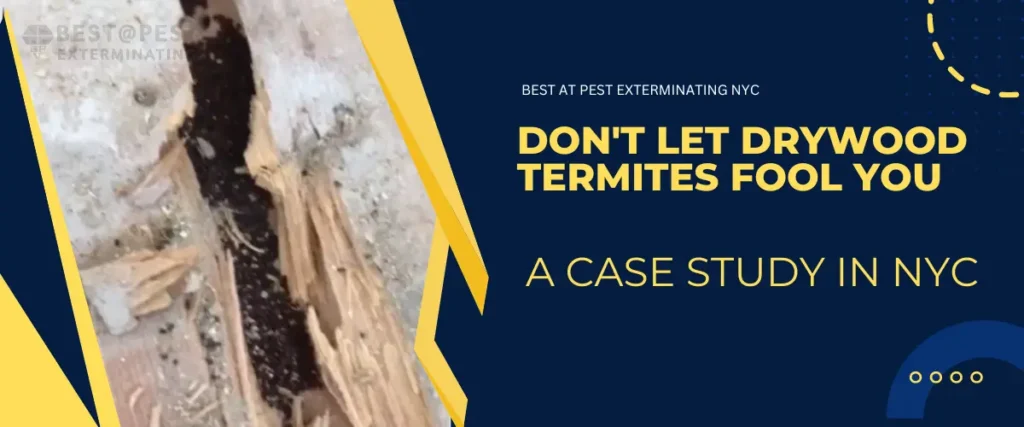
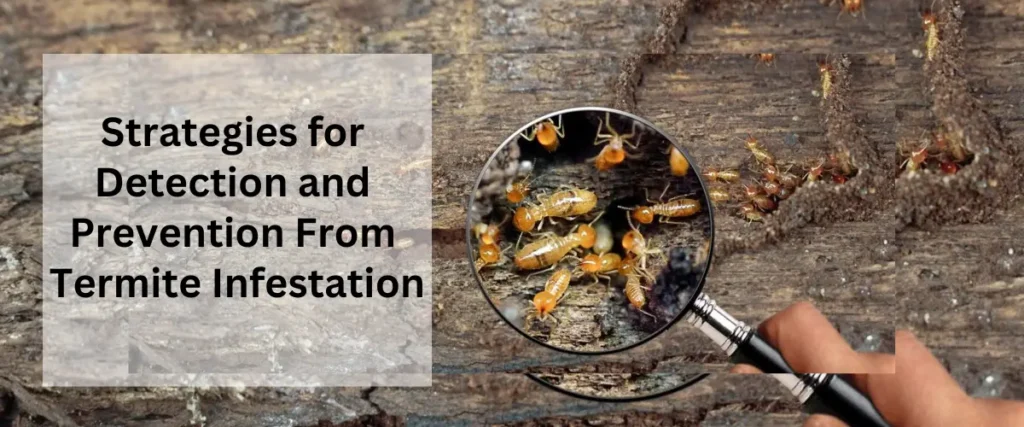
Termites are more than just a nuisance; they’re silent destroyers that can silently eat away at your property, causing costly damage before you even notice. In New York City, where many homes and buildings are constructed with wood, termites can thrive in the humid environment, making them a serious concern for homeowners and property managers.
Understanding how termites live, grow, and invade your space is the first step in protecting your home from their destructive force. Spotting the signs early and taking action quickly could save you thousands in repairs.
Decoding the Termite Lifecycle
Understanding how termites grow and develop can help you pinpoint the right time for intervention. Here’s a breakdown of their lifecycle:
1. Egg Stage: The Beginning of the Colony
The lifecycle begins when a queen termite lays hundreds or even thousands of eggs, often in the spring. These eggs hatch into larvae within a few weeks. It’s in this early stage that colonies start to grow and expand. By understanding this, you can act quickly when you notice the first signs of infestation.
2. Larvae and Nymph Stages: Growing Up in the Colony
The larvae go through several moults before turning into nymphs. The nymphs are crucial because they can develop into one of three castes: workers, soldiers, or reproductives (which we’ll discuss later). The colony depends on the work of these castes to survive and expand.
3. Adult Termites: The Workforce
- Workers: They’re the ones out foraging for food (wood), maintaining the nest, and feeding the rest of the colony.
- Soldiers: Their job is to protect the colony from predators like ants.
- Reproductives: These are the queens and kings, responsible for mating and ensuring the colony continues to grow. The winged termites (alates) leave the colony to swarm and start new colonies.
4. Reproductive Swarming: When Termites Take Flight
In NYC, termites typically swarm in late spring and early summer. Swarming is the termites’ way of expanding to new areas, and it’s during this stage that new colonies are formed. Keep an eye out for these swarming termites near windows or doors during this time. Swarming termites are often a sign that it’s time for pest control intervention.
Recognising Signs of Termite Infestation
Early detection is the key to preventing extensive damage. Here are the telltale signs that termites may have already taken up residence in your property:
- Mud Tubes: Termites build mud tubes to travel between their colony and food source. These tubes are often found on foundation walls or ceilings.
- Discarded Wings: After swarming, you may find piles of discarded wings near windowsills or doors. This is a clear indication that termites are in your home.
- Hollow-Sounding Wood: If you knock on wood and it sounds hollow, termites may have been feasting on the interior.
- Buckling Floors or Walls: As termites chew away at wood, it can cause floors and walls to warp or buckle.
- Tiny Holes in Drywall: If you notice small holes, termites could be entering through them to reach wooden elements.
The Importance of Timely Pest Control
Termites can go unnoticed for months or even years, all while feeding on your home’s wooden structure. The longer you wait to address an infestation, the more damage they can do. Here’s why early pest control is so important:
- Rapid Damage: Termites can destroy the structural integrity of your property in a matter of months, especially if left untreated.
- Costly Repairs: Termite damage can result in expensive repairs that could have been prevented with early intervention. In NYC, repair costs due to termites can be in the thousands, depending on the extent of the damage.
- Prevent Future Infestations: Timely pest control helps ensure that new termites don’t invade. Addressing the problem before it gets out of hand means you’re more likely to keep your home safe long-term.
Effective Prevention Strategies for NYC Homes
Termite prevention is often more cost-effective than dealing with the damage after an infestation. Here are practical tips to keep termites away from your home:
- Regular Inspections: Schedule professional inspections at least once a year. If you live in an area known for termite activity, you may want to increase the frequency.
- Moisture Control: Termites thrive in damp environments. Fix any leaks and ensure that your property is well-ventilated, especially basements and crawl spaces.
- Wood Management: Store firewood away from your house, and remove any old stumps or fallen logs. These are prime attractions for termites.
- Seal Entry Points: Check for and seal any cracks or gaps in your foundation, as termites can squeeze through the tiniest openings.
- Use Termite-Resistant Materials: If you’re building or renovating, consider using termite-resistant materials. This will save you time and money in the long run.
- Chemical Barriers: Consider applying termite-resistant treatments or barriers around your property’s foundation.
What to Do If You Suspect Termites
If you notice signs of termite activity, here’s what you should do immediately:
- Call a Pest Control Professional: Don’t delay. The sooner you get an expert assessment, the better the chances of preventing extensive damage.
- Avoid DIY Solutions: While DIY remedies may seem appealing, they’re rarely effective and can sometimes worsen the issue.
- Choose the Right Treatment: A pest control expert will suggest the best treatment for your situation. Options may include liquid termiticides, baiting systems, or fumigation in severe cases.
Common Myths About Termites in NYC
Clearing up some common misconceptions about termites can help prevent unnecessary panic or misunderstanding:
- Myth #1: Termites Only Live in Wood: While termites feed on wood, they can also survive in other materials such as paper, drywall, and even insulation.
- Myth #2: Termites Are Only a Problem in the Summer: While they are more active during warmer months, termites can infest your property year-round.
- Myth #3: If You Don’t See Termites, You’re Safe: Termites often go unnoticed for long periods. Just because you don’t see them doesn’t mean they’re not there.
Why NYC Is Particularly Vulnerable to Termites
New York City’s unique architecture makes it particularly vulnerable to termite infestations. Many older buildings have wooden structures that provide an ideal habitat for termites. The climate in NYC, with its humid summers and wet springs, also creates perfect conditions for termite activity.
If you live in an area with older buildings or near wooded areas, you may be at a higher risk for termite infestations. In these cases, it’s even more important to be vigilant about preventative measures.
Conclusion: Proactive Measures Save Money and Stress
Termites are a serious threat, but with the right knowledge and actions, you can protect your property. By understanding the termite lifecycle, recognising the signs of an infestation early, and taking proactive prevention steps, you can save yourself from costly repairs and stress.
Don’t wait until it’s too late, schedule a professional termite inspection today and keep your property safe for years to come.
Contact us today for a comprehensive termite inspection and ensure that your home or business remains termite-free!
FAQs:
1. How do I know if I have termites in my home?
Signs of a termite infestation include hollow-sounding wood, visible mud tubes on foundation walls, discarded wings near windows, and tiny holes in drywall. If you notice any of these, it’s crucial to contact a pest control expert for an inspection.
2. What time of year are termites most active in NYC?
Termites in NYC are most active during the warmer months, particularly in spring and early summer when they swarm to mate and form new colonies. This is the ideal time to inspect for potential infestations.
3. Can termites cause damage without me noticing?
Yes! Termites are known as “silent destroyers” because they often go unnoticed for long periods. They can chew through wood, weakening the structural integrity of your home, sometimes without visible signs until it’s too late.
4. How quickly can termites damage my home?
Termites can cause significant damage in a matter of months, especially if left untreated. They feed on wood continuously, compromising the structure of your property, and the longer they go undetected, the worse the damage can be.
5. What is the best way to prevent termites in NYC?
The best way to prevent termites is by scheduling regular inspections, addressing moisture issues around your home, storing firewood away from your foundation, and sealing cracks or gaps in your home’s foundation. Using termite-resistant materials during construction or renovations can also provide added protection.
6. Are termite treatments safe for pets and children?
Most modern termite treatments, such as baiting systems and liquid termiticides, are designed to be safe for pets and children when applied correctly. However, it’s important to follow professional recommendations and ensure your home is treated by licensed experts to ensure safety.
7. How much does termite treatment cost in NYC?
The cost of termite treatment in NYC varies depending on the severity of the infestation, the size of the property, and the type of treatment needed. On average, treatments can range from $500 to $2,500, but it’s best to get a quote from a professional pest control company for an accurate estimate.
8. Can I treat termites myself, or should I hire a professional?
While DIY methods may seem cost-effective, they are often not as effective as professional treatments. Termite control requires specialised knowledge and tools to fully eradicate the infestation. Hiring a licensed pest control expert is the safest and most reliable option.
9. How long does a termite infestation take to develop?
Termites can start damaging your home within a few months of infestation. However, the damage may not be visible for a long time. Regular inspections help catch termite activity early, preventing long-term structural issues.
10. What happens if I ignore a termite infestation?
Ignoring a termite infestation can lead to serious structural damage that may cost thousands of dollars to repair. Over time, termites weaken the wood in your home, which can cause floors to collapse, walls to crack, and support beams to fail. Prompt action is key to preventing this.