Why Spotting Termites Early Matters
Imagine tapping on a wooden door frame and hearing a hollow, papery sound. Or spotting a small pile of wings near your windowsill after a warm evening. These subtle signs may seem harmless, but they could indicate something far more destructive: a termite infestation.
Termites are often called “silent destroyers” for a reason. They can chew through wood, flooring, and even wallpaper without being noticed until severe damage is done. In fact, termite damage costs U.S. homeowners billions of dollars every year, damage that is rarely covered by insurance. The good news is that termites almost always leave behind early warning signs. If you know what to look for, you can stop them before they compromise your home’s structure and value.
Understanding Termites and Their Behaviour
To spot termites, it helps to understand how they live. Termites are social insects that thrive in colonies, often hidden underground, inside walls, or within wooden structures. Different species behave differently:
- Subterranean termites build mud tubes and rely on soil contact for moisture.
- Drywood termites live entirely in dry wood, often within furniture, beams, or hardwood flooring.
- Dampwood termites prefer moist, decaying wood, usually in areas with water leaks or poor ventilation.
Because each species leaves unique traces, recognising the early signs can help you act quickly and target the right solution.
The First Warning Signs You Should Never Ignore
The earliest signs of termites are usually visible if you know where to look. Here are the most common red flags that should never be ignored:
Flying Termites (Swarmers):
One of the clearest signs of an infestation is the presence of winged termites, often called swarmers. These appear in large groups, especially in spring or after rain, and are usually spotted around windows, doors, or light fixtures.
Discarded Wings:
After mating, swarmers shed their wings. Finding small piles of wings near doors, windows, or on the floor is a strong indicator that a new colony may be settling inside your home.
Mud Tubes:
Subterranean termites build pencil-thin mud tunnels along foundations, walls, or crawl spaces to protect themselves while travelling. These tubes are one of the most visible and reliable signs of termite activity.
Termite Droppings (Frass):
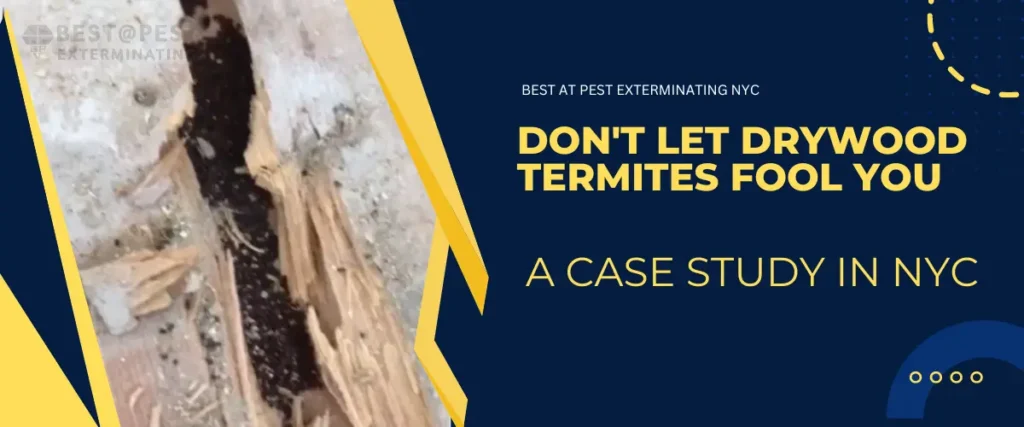
Drywood termites leave behind small, pellet-shaped droppings known as frass. These often look like tiny piles of sawdust or sand near wooden structures and are a telltale sign of infestation.
Subtle Clues That Often Go Unnoticed
Not all termite activity is obvious. In many cases, homeowners mistake early damage for water issues or simple wear and tear. Recognising these less noticeable signs can make all the difference.
Hollow or Papery Wood:
If you knock on a wooden beam, floorboard, or door frame and it sounds hollow, termites may have eaten through the inside while leaving only a thin outer shell intact.
Blistering or Bubbling Paint:
Termite activity inside walls can cause paint to bubble or look uneven, similar to water damage. If you notice these changes without a clear water leak, termites could be the cause.
Sagging Floors or Sticking Doors and Windows:
As termites weaken wood, structures may shift slightly. Floors can begin to sag, and doors or windows may suddenly become harder to open or close.
Unexplained Musty Odours:
Some infestations produce a faint mouldy or damp smell, especially in hidden areas like basements, crawl spaces, or behind walls. If you can’t trace the source, termites might be at work.
How Different Termite Species Leave Different Traces
The type of termite in your home often determines the signs you’ll see:
- Subterranean Termites: Known for building mud tubes and causing moisture-related damage. They typically work from the ground up.
- Drywood Termites: Leave behind frass and small exit holes in wood. They can infest furniture, flooring, and wooden beams.
- Dampwood Termites: Usually found in areas with excessive moisture, such as leaky basements or wood that’s been in contact with soil.
Understanding these differences helps in identifying the problem quickly and choosing the right treatment plan.
Why Termite Damage Is Easy to Overlook
One of the reasons termite infestations cause such costly repairs is that their signs are often mistaken for something else. Bubbling paint, for instance, can look like water damage, while sagging floors may be blamed on humidity or settling foundations. Many homeowners dismiss piles of wings as harmless bugs. This delay allows colonies to grow unchecked, leading to expensive structural repairs.
DIY Checks vs. Professional Inspections
Homeowners can take a proactive role by doing simple inspections: tapping on wood to listen for hollow sounds, checking around foundations for mud tubes, and looking for discarded wings during swarm season. These quick checks can reveal early warning signs.
However, termites are experts at staying hidden. Professionals use tools like moisture meters, infrared cameras, and specialised training to detect activity behind walls and under floors. If you notice any of the warning signs mentioned earlier, it’s usually best to call a licensed pest control company for a thorough inspection.
Prevention and Proactive Steps
While no home is completely immune to termites, you can significantly lower the risk with preventive steps:
- Keep firewood, lumber, and mulch away from your home’s foundation.
- Fix leaky pipes and eliminate moisture buildup around crawl spaces or basements.
- Ensure proper ventilation in attics and under flooring to keep wood dry.
- Seal cracks in foundations and around utility lines to reduce entry points.
- Schedule annual termite inspections, especially if you live in a high-risk area.
Prevention may seem like an extra chore, but it’s far less expensive than repairing termite damage.
Conclusion: Protecting Your Home Before It’s Too Late
Termites may be silent, but they are never invisible. From discarded wings to bubbling paint and hollow wood, every sign is a warning you shouldn’t ignore. Acting quickly at the first sign of termites can save your home from extensive damage and protect your investment for years to come.
If you suspect termites, don’t wait. Check your home today, and if you spot anything unusual, schedule a professional inspection. The sooner you act, the safer your home will be
Frequently Asked Questions:
1. How fast can termites cause damage?
A large termite colony can cause noticeable damage in as little as three to six months. Left untreated, they can seriously compromise structural safety within a few years.
2. Are flying termites always a sign of infestation?
Yes. Swarmers indicate that a colony is mature and reproducing, which means termites are either inside your home or very close by.
3. What do termite droppings look like?
Drywood termite frass resembles tiny wood-colored pellets or sawdust. If you find piles of it near wooden furniture or flooring, it’s a strong infestation clue.
4. Can termites live in furniture?
Absolutely. Drywood termites are notorious for attacking wooden furniture, picture frames, and hardwood floors.