Marquee Text
Limited-Time Discount: Save $50 on Your First Service as a New Customer!

Author name: fidadhothar@gmail.com

cockroach

Understanding and Managing New York Cockroaches

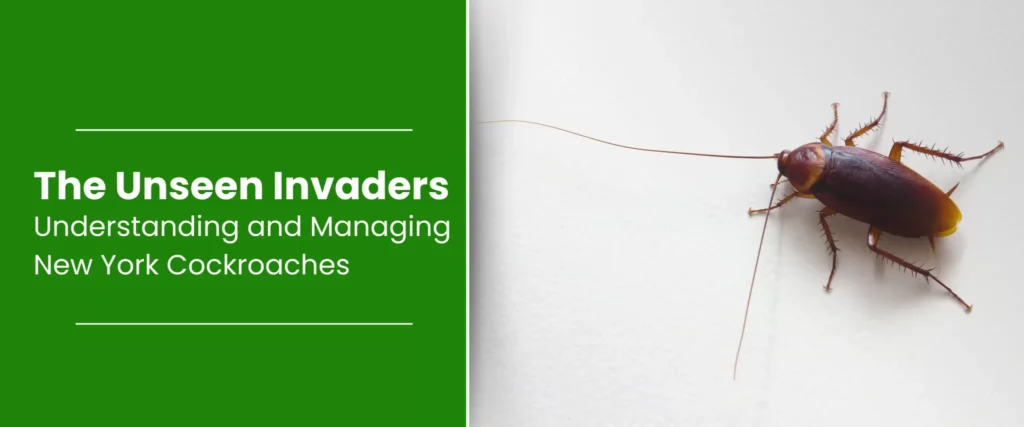
The Unseen Invaders: Understanding and Managing New York Cockroaches The order Blattodea includes cockroaches. These insects originated about 125 and 140 million years ago, during the Jurassic Period. Only 70 species of cockroaches can be found in the United States, out of thousands that exist worldwide. New York City, a bustling metropolis, is not just home to millions of residents but also to an equally vast population of cockroaches.These resilient pests are notorious for thriving in urban environments, particularly in the dense, humid settings that NYC provides.  From the subterranean tunnels of the subway to the high-rise apartments, cockroaches have made every corner of the city their domain. Among the most common species found in New York are the American cockroach, the German cockroach, and the Oriental cockroach, each bringing its own set of challenges to both residents and businesses. Importance of Understanding and Managing Cockroach Infestations in Urban Environments Understanding the behavior and biology of cockroaches is crucial in managing their infestations, especially in a city like New York where the environment is ripe for their proliferation. Cockroaches are not just a nuisance; they pose significant health risks, as they can contaminate food, trigger allergies, and spread diseases.  In densely populated areas, the rapid spread of an infestation can lead to widespread problems, making effective management and prevention strategies essential. By staying informed and proactive, New Yorkers can protect their homes and communities from these unwanted invaders. Understanding Cockroaches Biological Classification of Cockroach Cockroaches, those resilient and often unwelcome inhabitants of our homes, belong to a group of insects with a long evolutionary history. Their classification is as follows:   Kingdom: Animalia (Animals)   Phylum: Arthropoda (Arthropods)   Class: Insecta (Insects)   Order: Blattodea (Cockroaches)   The order Blattodea encompasses a vast diversity of species, many of which are not associated with humans. However, some have adapted remarkably well to our living spaces, becoming notorious pests.  Types of Cockroaches in New York Let’s delve deeper into the three most common cockroach species in New York City: German Cockroach (Blattella germanica) Appearance: Small, light brown body with two dark stripes running from head to wings.   Habits: Primarily found in kitchens and bathrooms, often hiding in cracks and crevices. They are highly adaptable and reproduce rapidly.   Environment: Thrive in warm, humid conditions with access to food and water. American Cockroach (Periplaneta americana) Appearance: Large, reddish-brown body with a yellow band around the thorax. Habits: Often found in basements, sewers, and garbage areas. They are strong fliers and can easily invade homes. Environment: Prefer warm, moist environments but can tolerate a wider range of conditions than German cockroaches. Oriental Cockroach (Blatta orientalis) Appearance: Dark brown to black, oval-shaped body. Females are wingless, while males have short wings.   Habits: Typically found in damp, dark areas like basements and crawl spaces. They are slow-moving and prefer outdoor environments. Environment: Thrive in moist, humid conditions. Comparison of Habits and Environments: Feature German Cockroach American Cockroach Oriental Cockroach Size Small Large Medium Color Light brown Reddish-brown Dark brown to black Habitat Kitchens, bathrooms Basements, sewers Damp, dark areas Activity Primarily nocturnal Active day and night Primarily nocturnal Reproduction Rapid Slower than German Slower than German Cockroach Behavior and Lifecycle Cockroach Lifespan Cockroaches are remarkably resilient creatures with lifespans that can vary significantly based on species, environmental conditions, and available resources. While the average lifespan of a cockroach is around one year, some can live for up to two years.   Factors influencing cockroach longevity include: Species: German cockroaches generally have shorter lifespans than American or Oriental cockroaches.   Temperature: Warmer temperatures accelerate development and shorten lifespan, while cooler temperatures slow down the life cycle. Humidity: High humidity is favorable for cockroach survival and reproduction, leading to longer lifespans. Food availability: Consistent access to food sources can extend a cockroach’s life. Predators and competition: The presence of natural enemies or competing pests can reduce lifespan. Nymphs Roaches Cockroaches undergo incomplete metamorphosis, meaning they hatch from eggs as nymphs and gradually develop into adults without a pupal stage. Nymphs resemble smaller versions of adult cockroaches but lack wings and are often lighter in color.   Nymphs molt several times as they grow, shedding their exoskeleton to accommodate their increasing size. This process can take several months, depending on the species and environmental conditions.   Nymphs play a crucial role in infestations as they represent the next generation of cockroaches. A single female cockroach can produce hundreds of offspring over her lifetime, and a large number of nymphs can quickly lead to an overwhelming infestation. How Far Can a Cockroach Travel in an Hour? Cockroaches are surprisingly agile and can travel considerable distances in a short amount of time. While exact figures vary depending on species and environmental factors, it is estimated that a cockroach can travel up to several meters per minute. In an hour, a cockroach could potentially cover a significant portion of a building. Cockroach mobility is a major factor contributing to the spread of infestations. They can easily move between apartments, offices, and other buildings, carrying harmful bacteria and allergens with them. In urban areas like New York City, where buildings are often interconnected, cockroach infestations can spread rapidly through shared walls, pipes, and other openings. Roach Season and Prevention When Is Roach Season? While cockroaches can be a year-round nuisance, their activity levels tend to fluctuate with the seasons. In New York City, cockroach populations typically peak during the warmer months, from late spring to early fall. This is when conditions are most favorable for their survival and reproduction.   Factors contributing to increased roach populations during warmer months include: Temperature: Warmer temperatures accelerate cockroach development and reproduction.   Humidity: Increased humidity creates ideal breeding conditions for cockroaches. Food availability: Outdoor food sources, such as garbage and food scraps, become more abundant. Roach Prevention Tips Preventing a cockroach infestation is crucial for maintaining a clean and healthy environment. Here are some cockroaches control and prevention tips: Hygiene: Clean up food and drink spills immediately. Wash dishes promptly and store them in a clean,

General

The Hidden Risks of Moth Caterpillars in NYC: What You Need to Know

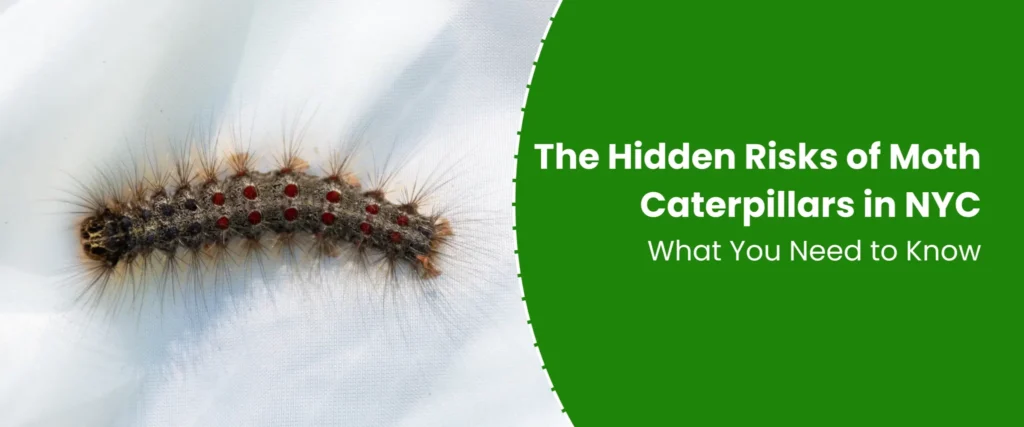
The Hidden Risks of Moth Caterpillars in NYC: What You Need to Know Moths and butterflies lay eggs, which develop into caterpillars. These frequently vividly colored or well-camouflaged animals are renowned for having enormous appetites since they need a lot of leaves to support their quick growth. Moths and butterflies both go through metamorphosis, but it’s the latter that frequently creates caterpillars that could be dangerous to people. Numerous caterpillar species can be found in NYC due to its diverse habitat. These species, which range from the more enigmatic to the well-known fuzzy ones, can be found in gardens, parks, and even metropolitan areas. The green spaces of the city serve as a home to a wide variety of moth species, which in turn produces a diverse population of caterpillars. Significance of Identifying Different Types of Caterpillars Accurate identification of caterpillars is crucial for several reasons: Safety: Some caterpillar species have irritating or venomous hairs that can cause allergic reactions or skin irritations. Pest Control: Knowing the type of caterpillar can help determine the best course of action for managing an infestation. Ecological Balance: Understanding the caterpillar population can contribute to local ecosystem studies and conservation efforts. What is a Moth Caterpillar? Moth caterpillars are the larval stage of moths. Generally, they are cylindrical in shape with segmented bodies. They possess three pairs of true legs on the thorax and several pairs of prolegs on the abdomen. Their head is equipped with strong jaws for chewing, and they have a variety of colors, patterns, and textures to aid in camouflage or defense. Common Species Found in NYC While a comprehensive list of moth caterpillar species in NYC would be extensive, some common examples include: Tussock Moth Caterpillars Distinguishing features: These caterpillars are easily recognizable by their distinctive tufts of hair, often referred to as “tussocks.” They come in various colors and patterns. Risk to humans: While most tussock moth caterpillars are harmless, some species possess irritating hairs that can cause skin rashes, itching, and in rare cases, more severe allergic reactions. Impact on plants: These caterpillars are known to defoliate trees and shrubs, causing damage to ornamental plants and forests. Gypsy Moth Caterpillars Distinguishing features: These caterpillars are typically light gray or brown with darker markings. They are voracious eaters and can quickly defoliate trees. Risk to humans: While not directly harmful to humans, gypsy moth caterpillars pose a significant threat to the environment due to their destructive feeding habits. Impact on plants: Gypsy moths are considered a serious pest as they can completely defoliate trees, impacting forest health and wildlife habitats. Fall Webworm Caterpillars Distinguishing features: These caterpillars are pale yellow or green with darker stripes and create large, unsightly webs that envelop branches. Risk to humans: Fall webworm caterpillars are generally harmless to humans. Impact on plants: While their webs can be unsightly, fall webworms typically do not cause severe damage to healthy trees. However, repeated infestations can weaken trees. Brown Tail Moth Caterpillars Distinguishing features: These caterpillars have brown tails and irritating hairs. Risk to humans: The hairs of brown tail moth caterpillars can cause severe skin rashes, itching, and respiratory problems. Impact on plants: Brown tail moth caterpillars feed on a variety of trees and shrubs, causing defoliation. Life Cycle from Caterpillar to Moth Moth caterpillars undergo a complete metamorphosis. Their life cycle consists of four stages: Egg: The moth lays eggs on suitable host plants. Larva (Caterpillar): The egg hatches into a caterpillar, which feeds and grows rapidly. Pupa: The caterpillar transforms into a pupa, often enclosed in a cocoon or chrysalis. Adult (Moth): The adult moth emerges from the pupa, ready to mate and lay eggs, completing the cycle. Identifying Caterpillars by Color Green Caterpillars Green caterpillars are masters of camouflage, blending seamlessly with their leafy surroundings. Their green hue often serves as a protective mechanism against predators. Are green caterpillars poisonous? The short answer is: it depends. While many green caterpillars are harmless, some species possess defensive mechanisms such as irritating hairs or venomous spines. Therefore, it’s crucial to identify the specific caterpillar before handling it. what do green caterpillars turn into? Monarch caterpillar: This iconic green caterpillar with black stripes transforms into the beautiful monarch butterfly. Swallowtail caterpillar: Many swallowtail caterpillars are green and often have distinctive markings. They metamorphose into various swallowtail butterfly species.   Hornworm: These large, green caterpillars have a distinctive horn-like protrusion at their rear end. They turn into hawk moths.   Black and Yellow Caterpillars Black and yellow is a striking color combination often associated with warning signals in nature. Many caterpillars with this coloration have defense mechanisms to deter predators. Identification tips for black and yellow caterpillars: Look for specific markings, such as stripes, spots, or patterns. Observe the caterpillar’s behavior. Some species may curl up or exhibit defensive postures. Consider the host plant. Certain caterpillars are associated with specific plants. Examples of species and their potential impact on humans: Puss caterpillar: This fuzzy, black and yellow caterpillar has venomous spines that can cause severe pain. Saddleback caterpillar: Another venomous species, this caterpillar has a distinctive brown saddle-shaped mark. Yellowjacket moth caterpillar: While not venomous, the bright colors serve as a warning to potential predators. Black White and Yellow Caterpillars This color combination is often found in caterpillars that mimic the appearance of wasps or bees. Their striking appearance serves as a deterrent for predators. Identification of Black White and Yellow caterpillars: Look for bold stripes or bands of black, white, and yellow. Many species have hairy bodies. Observe the caterpillar’s behavior to determine if it exhibits defensive postures. Species commonly found in NYC: American dagger moth caterpillar: This caterpillar has black, white, and yellow stripes and is often found in urban areas. How to Control Caterpillar Infestations Caterpillar infestations can be a challenge, especially in gardens or on trees where they feed on leaves, potentially causing significant damage. Here are some effective methods to control caterpillar infestations: 1. Manual Removal Handpicking: If the infestation is

General

Are Centipedes Dangerous?

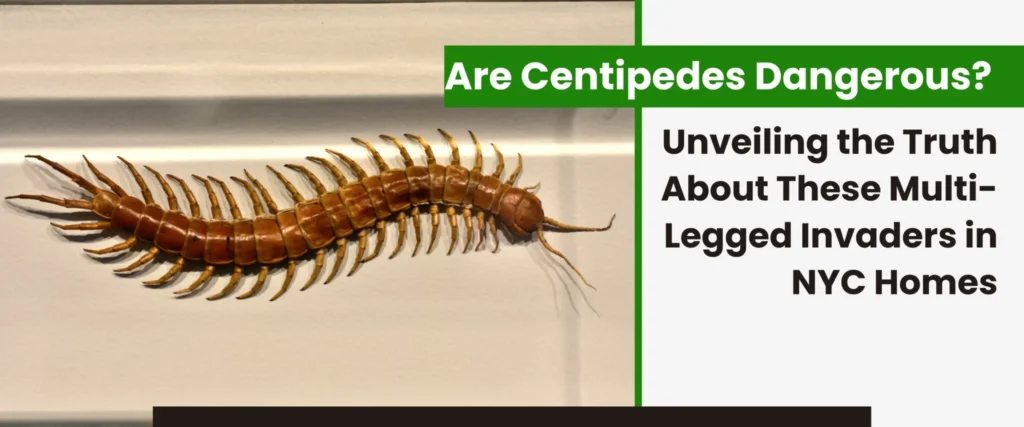
Are Centipedes Dangerous? Unveiling the Truth About These Multi-Legged Invaders in NYC Homes Centipedes, with their numerous legs and often intimidating appearance, can strike fear into the hearts of many homeowners. These elongated, segmented creatures are frequently seen as unwelcome guests, particularly in urban environments like New York City. It’s essential to dispel common misconceptions and understand these arthropods to manage them effectively. For NYC residents, knowledge about centipedes is crucial. These creatures are more prevalent in urban areas than one might think, and understanding their behavior and habits can help prevent infestations and ensure the safety of your home. Understanding Centipedes Centipedes belong to the class Chilopoda, a group of predatory arthropods characterized by their elongated, flattened bodies composed of numerous segments. Each segment typically bears a pair of legs, hence the name “centipede”. They have a distinct head with a pair of antennae, powerful mandibles for capturing prey, and a pair of venomous claws used for defense and immobilizing victims. Centipedes are primarily nocturnal, hunting for insects and other small invertebrates. They are carnivorous and play a crucial role in the ecosystem by controlling populations of pests. Common Types of Centipedes Found in Homes, Especially in NYC While there are thousands of centipede species worldwide, only a few are commonly found in homes, particularly in urban areas like NYC. Following are most  of the common centipedes: House Centipedes: These are the most common indoor centipedes. They are yellowish-gray with long legs and can grow up to an inch or more. House centipedes are primarily beneficial as they prey on other household pests like spiders, cockroaches, and silverfish. Spotted Centipedes: As the name suggests, these centipedes have distinctive spots along their body. They are slightly larger than house centipedes and tend to prefer outdoor environments but may occasionally venture indoors. Garden Centipedes: While not typically indoor dwellers, garden centipedes can sometimes find their way into homes. They are larger than house centipedes and have a more robust appearance. Are Centipedes Dangerous? Addressing the Main Question: Are Centipedes Dangerous to Humans? One of the most common concerns about centipedes is whether they pose a threat to humans. While the idea of a multi-legged creature scurrying around your home can be unsettling, the truth is that most centipedes found in homes are harmless to humans. Centipedes do possess venom, which they use to subdue their prey. However, the venom of most common house centipedes is not potent enough to cause serious harm to humans. A centipede bite might be painful, similar to a bee sting, but it rarely leads to severe symptoms. Differences Between House Centipedes and Other Centipedes It’s essential to differentiate between house centipedes and other centipede species. While house centipedes are generally harmless, some larger outdoor centipedes can deliver a more painful bite. However, encounters with these larger species are rare indoors. House Centipedes: These are the most common indoor centipedes, typically yellowish-gray with long legs. They are beneficial predators for other household pests. Other Centipedes: Some outdoor centipedes can grow significantly larger and have more potent venom. These species are unlikely to be found indoors. Are House Centipedes Poisonous or Harmful While house centipedes are technically venomous, their venom is not considered a significant threat to humans. Their primary purpose for venom is to immobilize their prey, which consists of insects and other small invertebrates. For most people, a house centipede bite will cause only mild discomfort, similar to a bee sting. However, individuals with allergies to insect venom may experience more severe reactions. If you experience severe symptoms after a centipede bite, seek medical attention. Identifying a Centipede Bite Centipedes inject venom through their specialized front legs, which are shaped like pincers. A centipede bite typically appears as two distinct puncture wounds on the skin, often resembling a spider bite. How Do Centipedes Get in the House? Common Entry Points for Centipedes in NYC Homes Centipedes are adept at finding their way into homes, especially in urban environments like NYC. Common entry points include: Cracks and crevices: Small gaps in foundations, walls, and around doors and windows provide easy access. Drains and pipes: Centipedes can climb up drains and pipes to enter homes. Openings around utilities: Gaps around utility lines and vents can serve as entry points. Doors and windows: Unsealed doors and windows can allow centipedes to enter. Environmental Factors that May Contribute to Centipede Infestations Certain environmental conditions can attract centipedes to homes: Moisture: High humidity levels create ideal conditions for centipedes. Leaky pipes, damp basements, and poorly ventilated areas can be particularly attractive. Presence of prey: An abundance of insects like cockroaches, spiders, and silverfish can lure centipedes indoors. Outdoor conditions: Dense vegetation around the home can provide hiding places for centipedes, increasing the likelihood of them entering. What Attracts Centipedes in Homes? Factors that Attract Centipedes to Indoor Environments Centipedes are primarily attracted to homes in search of food and shelter. Key factors include: Food sources: The presence of other insects, such as cockroaches, spiders, and silverfish, provides a food supply for centipedes. Moisture: Damp areas in homes, like basements, bathrooms, and kitchens, create favorable conditions for centipedes. Warmth: During colder months, homes offer a warm refuge for centipedes. Common Areas in Homes Where Centipedes Are Found Centipedes often seek out dark, damp, and secluded areas. Common hiding spots include: Basements and crawl spaces: These areas often have high humidity levels and are prime locations for centipedes. Bathrooms and kitchens: These areas provide moisture and potential food sources. Behind baseboards and appliances: Centipedes can hide in tight spaces. Closets and storage areas: Dark and undisturbed areas can attract centipedes. How to Prevent House Centipedes? Tips and Strategies to Prevent Centipedes from Entering the House Preventing centipedes from entering your home is often more effective than dealing with an infestation. Here are some practical tips: Seal entry points: Examine your home’s exterior for cracks, gaps, and openings around doors, windows, and foundations. Seal these areas with caulk or weatherstripping to prevent centipede

Spider

Unveiling the Joro Spider Invasion: What New Yorkers Need to Know

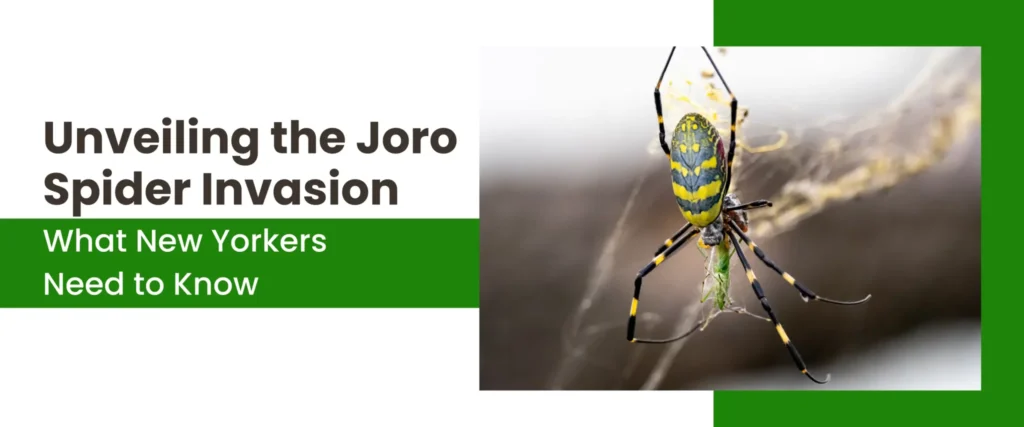
The Joro spider, a large, vibrant arachnid native to East Asia, has been making headlines as it rapidly expands its territory across the United States. What began as a localized phenomenon in the southern states has evolved into a potential nationwide invasion.  With New York City now in the crosshairs of these eight-legged newcomers, it’s crucial to understand what these spiders are, why their presence matters, and how to coexist with them. Importance of Understanding the Presence of Joro Spiders in New York The arrival of Joro spiders in New York signifies a significant ecological shift. These spiders are occasional invader, prolific breeders and highly adaptable, raising concerns about their potential impact on native ecosystems. While they pose no direct threat to humans or pets, their sheer numbers and rapid spread could disrupt the delicate balance of nature. By understanding their behavior, life cycle, and potential benefits or drawbacks, New Yorkers can better prepare for their arrival and mitigate any negative consequences. What are Joro Spiders? The Joro spider, scientifically named Trichonephila clavata, is a striking creature known for its large size and vibrant colors. Females boast a distinctive yellow and black body with elongated legs, while males are significantly smaller and less conspicuous. Native to Japan, China, Korea, and Taiwan, these spiders have been unintentionally introduced to the United States, likely through shipping containers. Scientific Name and Physical Characteristics As mentioned, the scientific name of the Joro spider is Trichonephila clavata. Their most recognizable feature is their striking appearance. Females typically have a leg span of up to four inches, making them quite intimidating to the untrained eye. Their bodies are a mix of bold yellow and black patterns, while their legs are often banded with brown. Males are much smaller, around an inch in body length, and have a more subdued coloration. Natural Habitat and Behavior In their native range, Joro spiders inhabit a variety of habitats, including forests, grasslands, and urban areas. They are skilled weavers, constructing large, golden orb webs to capture prey. These spiders are primarily nocturnal, spending their days resting in the center of their webs. While they are venomous, their bite is generally harmless to humans, comparable to a mild bee sting. Joro spiders are beneficial predators, helping to control populations of insects, including pest species. Joro Spider Life Cycle Facts At the beginning of September, joro spiders reach maturity, mate, lay eggs, and usually expire by the end of November. In a year, a single female Joro spider can lay 400–1,500 eggs. Joro spiders are passive hunters who wait for insects to get entangled in their webs, much like many other orb-weaver spiders. Joro Spiders in New York Presence and Population of Joro Spiders in New York As of now, while there have been no confirmed widespread sightings of Joro spiders in New York, experts believe it’s only a matter of time before they establish a significant presence. Given their rapid spread in other states and their adaptability, it’s highly likely that isolated populations may already exist within the state. Monitoring efforts are crucial to track their movement and distribution accurately. Factors Contributing to Joro Spider’s Establishment in New York Several factors could contribute to the successful establishment of Joro spiders in New York: Climate suitability: New York’s climate, with its warm summers and mild winters, is generally favorable for Joro spiders. Human transportation: Unintentional transport through vehicles, shipping containers, or plants can introduce spiders to new areas. Abundant food sources: A diverse insect population provides ample prey for Joro spiders to thrive. Lack of natural predators: The absence of specific predators that control Joro spider populations in their native range could allow them to flourish. Potential Impact on Local Ecosystems While research is ongoing, potential impacts of Joro spiders on New York’s ecosystems include: Competition with native spider species: Joro spiders could outcompete native spiders for food and territory, leading to population declines. Prey depletion: A surge in Joro spider populations could reduce insect populations, affecting the food chain and ecosystem balance. Impact on pollination: If Joro spiders prey heavily on pollinators, it could have consequences for plant reproduction and biodiversity. Economic implications: Large Joro spider populations could potentially impact agriculture, horticulture, and tourism. Is Joro Spider Poisonous? Examination of the Toxicity of Joro Spiders While all spiders possess venom to subdue their prey, Joro spiders are generally considered harmless to humans. Their venom is not potent enough to cause serious harm, and their fangs are typically too small to penetrate human skin effectively. In most cases, a Joro spider bite would feel similar to a mild bee sting, causing localized pain, redness, and swelling. Potential Risks to Humans and Pets The risk of being bitten by a Joro spider is low, as they are not aggressive and tend to avoid confrontation. However, it’s essential to exercise caution, especially if you have a fear of spiders. For individuals with allergies to insect venom, there might be a heightened risk of an allergic reaction, although this is rare. Pets are also generally safe around Joro spiders. Their size and behavior typically prevent them from becoming targets. Safety Measures and First Aid Tips Avoid provoking the spider: Do not attempt to handle a Joro spider. Keep a safe distance: Admire these creatures from afar. Wear protective clothing: If you must work in areas where Joro spiders are prevalent, wear long sleeves and gloves. If bitten: Wash the area with soap and water, apply a cold compress to reduce swelling, and monitor for any allergic reactions. If symptoms worsen, seek medical attention. How to Kill Joro Spiders While Joro spiders are beneficial insects that help control pest populations, there may be instances where their presence becomes a nuisance or poses a risk to individuals with severe arachnophobia. Effective Methods to Eliminate Joro Spiders Physical removal: Carefully remove the spider and its web using a broom or vacuum cleaner. Release the spider in a distant location if desired. Pesticides: Use insecticides specifically designed for

Bees and Wasps

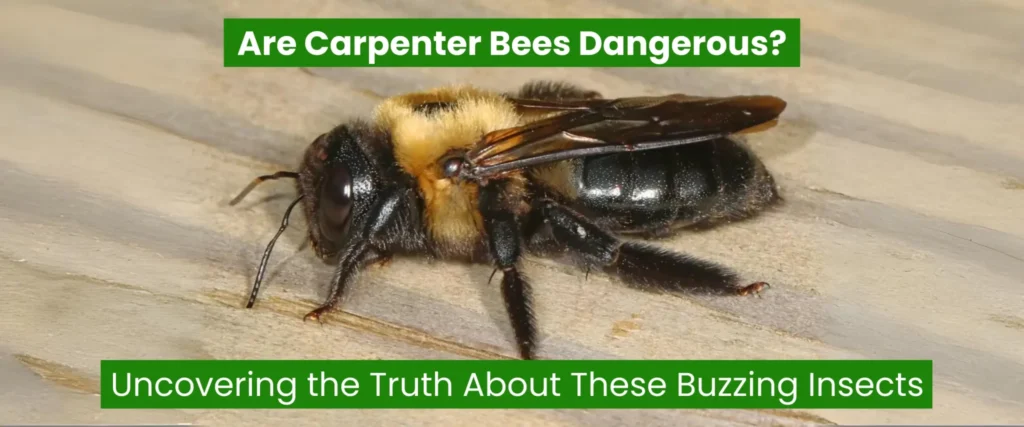
Are Carpenter Bees Dangerous? Uncovering the Truth About Buzzing Insects

Carpenter bees are large, imposing insects often mistaken for bumblebees. However, unlike their fuzzy cousins, carpenter bees have smooth, shiny abdomens. Their name is a testament to their nesting habits: they excavate tunnels in wood to create their homes. While they might seem intimidating, they are generally docile creatures. Understanding these wood-boring insects is crucial for several reasons. Firstly, their nesting activities can cause significant damage to wooden structures like homes, decks, and fences. By recognizing the signs of their presence and understanding their behavior, homeowners can take preventative measures to protect their property. Secondly, while carpenter bees are less aggressive than other stinging insects, it’s essential to know how to interact with them safely. A common question is: Are carpenter bees dangerous? While they can inflict a painful sting if provoked, they are generally not aggressive and prefer to avoid confrontation. However, the real danger lies in the structural damage they can cause to wooden structures. Understanding Carpenter Bees Physical Characteristics Carpenter bees are large, robust insects often mistaken for bumblebees. Size: They are typically larger than honey bees and bumblebees.   Color: Generally black with yellow or white markings on their face (males) or thorax.   Distinctive abdomen: The most noticeable feature is their shiny, hairless black abdomen, unlike the fuzzy abdomens of bumblebees.   Strong bodies: Built for their wood-boring activities, they have sturdy bodies.   Carpenter Bees vs. Other Bees To accurately identify carpenter bees, it’s essential to differentiate them from other bees: Bumblebees: While similar in size, bumblebees have fuzzy bodies, including their abdomens. They are social insects living in colonies, unlike solitary carpenter bees.   Honey bees: Smaller than carpenter bees, honey bees are golden brown with hairy bodies. They live in hives and are crucial pollinators. Common Habitats, Including Carpenter Bees in Attic Carpenter bees prefer to nest in wood. Common habitats include:   Wooden structures: Homes, sheds, decks, and fences.   Trees: Often choosing softwoods like pine or cedar. Dead logs: They may utilize these for nesting. Attics are particularly attractive to carpenter bees due to their sheltered environment and access to wood. They often enter through gaps or cracks in the roof or eaves. Once inside, they create tunnels in the wood framing, causing structural damage.  Behavior and Lifespan Why Do Carpenter Bees Eat Wood? Carpenter bees don’t actually eat wood. The misconception arises from their nesting behavior. These bees chew through wood to create tunnels for their offspring. The wood serves as a protective home for their larvae, not as a food source.   How Do Carpenter Bees Make Holes in Wood? Female carpenter bees have strong mandibles that they use to excavate tunnels in wood. They begin by creating a perfectly round entrance hole, often about the size of a pencil. Once inside, they continue to bore tunnels, creating a series of cells for their eggs.   Lifespan of Carpenter Bees and How Long Do Carpenter Bees Live Without Food? Lifespan: The lifespan of a carpenter bee is typically about one year.   Survival without food: Like other bees, carpenter bees need food, primarily nectar and pollen, to survive. Without a consistent food source, they would not survive for long. Interaction with Humans Are Carpenter Bees Aggressive? Carpenter bees are generally not aggressive. Males, in particular, are known for their territorial behavior, often buzzing around people to intimidate them. However, this behavior is harmless as they lack a stinger. Females are more docile and typically only sting if provoked or handled roughly.   Does Carpenter Bees Sting or Bite? Biting: Carpenter bees do not bite.   Stinging: Only female carpenter bees can sting, and they will usually only do so if they feel threatened or their nest is disturbed.   Are Carpenter Bee Stings Dangerous? While a carpenter bee sting can be painful, it’s typically no more dangerous than a bee sting. However, people with bee allergies should exercise caution.   Do Carpenter Bees Bite or Sting? As mentioned earlier, carpenter bees do not bite. Only female carpenter bees can sting, and they usually only do so as a defensive measure. Prevention and Control How to Keep Carpenter Bees Away Preventing carpenter bees from nesting in your property is often more effective than trying to eliminate them once they’ve moved in. Here are some preventive measures: Seal entry points: Examine your home’s exterior for any cracks or holes where bees might enter. Seal these with caulk or wood filler.   Paint or stain wood: Carpenter bees prefer untreated wood. Painting or staining exposed wood can deter them.   Use synthetic materials: Consider using vinyl, aluminum, or composite materials for outdoor structures.   Maintain good property upkeep: Regularly inspect your property for signs of carpenter bee activity.   Do Carpenter Bee Traps Work? Carpenter bee traps can be effective in reducing the population of carpenter bees in an area. However, they are not a foolproof solution and should be used in conjunction with other prevention methods. Traps typically use a lure to attract bees and then trap them. Safety Concerns Are carpenter bees dangerous to structures? Yes, carpenter bees can cause significant damage to wooden structures. While they don’t consume the wood like termites, their tunneling creates weak points that can compromise the structural integrity of your home or other wooden buildings over time.   Are black bees dangerous? The term “black bee” is too general. There are many types of black bees, including carpenter bees, honey bees, and bumblebees. Some are harmless, while others can sting. To determine if a black bee is dangerous, it’s essential to identify the specific species.   Are black bumble bees dangerous? Black bumble bees are generally not aggressive. Like other bumblebees, they can sting if provoked, but they are typically docile.   Can wood bees sting? The term “wood bee” is often used interchangeably with carpenter bee. As mentioned earlier, only female carpenter bees can sting, and they usually only do so when threatened.   Conclusion Summary of Key Points Carpenter bees are large, solitary insects known for their ability to excavate tunnels in wood. While often mistaken for bumblebees, they have distinct

Mosquito Control

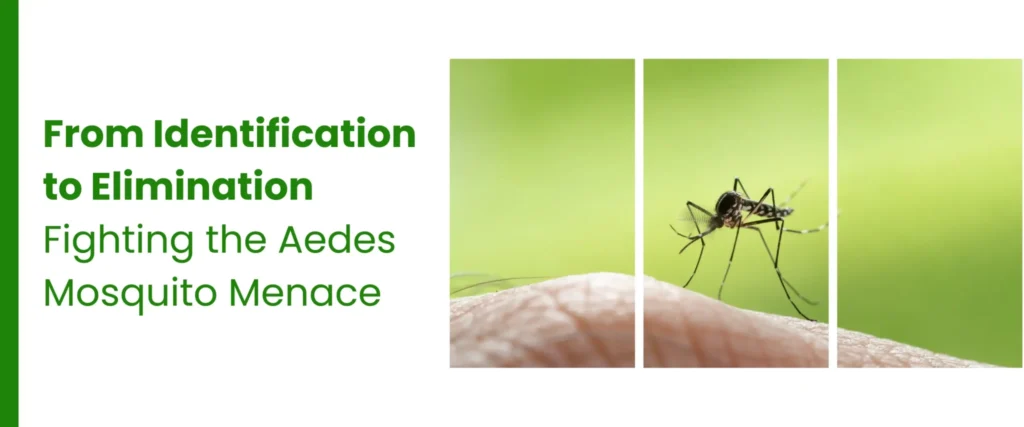
From Identification to Elimination: Fighting the Aedes Mosquito Menace

As the summer season brings warmer weather to New York City, it also heralds the arrival of mosquitoes. Among them, the Aedes mosquito stands out due to its ability to transmit serious diseases like dengue, Zika, and chikungunya. Identifying these mosquitoes season and understanding how to control mosquitoes population is crucial for public health and personal safety. In this blog, we will delve into the distinctive characteristics of Aedes mosquitoes, their life cycle, and effective strategies for preventing their breeding and bites. Aedes Mosquitoes: A Vector for Dangerous Diseases Aedes mosquitoes are notorious for transmitting a range of dangerous viruses, including: Dengue: A viral infection causing flu-like symptoms, severe joint pain, and potentially life-threatening complications. Zika: A virus primarily affecting pregnant women, as it can cause severe birth defects. Chikungunya: A viral disease characterized by fever, joint pain, and muscle pain. The increasing prevalence of these diseases in various parts of the world, coupled with the potential for outbreaks in NYC, underscores the importance of recognizing and controlling Aedes mosquitoes. How to Identify Aedes Mosquito? Physical Characteristics Aedes mosquitoes are relatively small, typically measuring around 4-7 millimeters in length. They are easily recognizable by their distinct black and white markings. One of the most prominent features is a lyre-shaped pattern on their thorax, resembling a musical instrument. Their legs also exhibit alternating bands of black and white. It’s essential to differentiate Aedes mosquitoes from other common mosquito species found in NYC. For instance, Culex mosquitoes, which are more prevalent, have a more uniform brown coloration and lack the distinctive markings of Aedes. Behavioral Traits Unlike many other mosquitoes that are primarily nocturnal, Aedes mosquitoes are notorious for being daytime biters. This aggressive behavior increases the likelihood of human-mosquito contact and consequently, the risk of disease transmission. Furthermore, Aedes mosquitoes have a strong preference for human blood. This specific attraction to humans makes them efficient vectors for diseases, as they are more likely to bite and infect people. Life Cycle of Aedes Aegypti Mosquito Egg Stage Aedes aegypti mosquitoes lay their eggs in small containers that hold water, such as discarded tires, flowerpots, and bottle caps. The eggs are black and tiny, often laid just above the waterline or on dry surfaces that will eventually be flooded. Remarkably, Aedes aegypti eggs can survive long periods of desiccation, hatching when water becomes available, even months or years later. This adaptation contributes significantly to their ability to thrive in urban environments. Larval Stage The egg hatches into a larva, commonly known as a “wriggler.” These small, worm-like creatures live in the water and feed on organic matter. They have breathing tubes at the end of their bodies that they extend to the water’s surface for air. Aedes aegypti larvae prefer clean, stagnant water for their development. Pupal Stage After the larval stage, the mosquito transforms into a pupa, often called a “tumbler” due to its characteristic floating, tumbling motion. During this stage, the mosquito undergoes metamorphosis, developing adult features. The pupa does not feed and is relatively inactive. Adult Stage The adult mosquito emerges from the pupal casing. Females require a blood meal for egg production, while males feed on plant nectar. Aedes aegypti mosquitoes are notorious for their daytime biting habits and preference for human blood. The lifespan of an adult mosquito varies depending on environmental conditions, but it typically ranges from a few weeks to a month. Aedes Mosquito Traps Types of Traps Several types of traps are available to capture Aedes mosquitoes: Oviposition traps: These traps mimic ideal egg-laying sites for female mosquitoes. They often contain water and attractants to lure females to deposit eggs. Sticky traps: These traps use a sticky adhesive to capture mosquitoes that come into contact with the trap. They are often baited with attractants to increase their effectiveness. Carbon dioxide (CO2) traps: These traps emit carbon dioxide, a substance that attracts mosquitoes. They are often used for monitoring mosquito populations but can also be used for control. Fan traps: These traps use a fan to draw mosquitoes into a collection chamber. They are often combined with attractants to increase their efficiency. How Traps Work Mosquito traps utilize various mechanisms to attract and capture mosquitoes: Attractants: Many traps employ attractants such as carbon dioxide, octenol (a human skin scent mimic), or heat to lure mosquitoes. Killing methods: Once mosquitoes are attracted to the trap, they can be captured using sticky adhesives, drowning in water, or being killed by an electric grid. Effectiveness in NYC The effectiveness of mosquito traps can vary depending on factors such as trap type, location, and target mosquito species. While traps can be helpful in reducing local mosquito populations, they are generally not sufficient for large-scale control. Combining traps with other control measures, such as larvicide applications and public awareness campaigns, is often more effective. Recommendations for Best Traps Suited for Urban Environments In urban environments, oviposition traps can be particularly useful for targeting Aedes aegypti, as they often breed in small containers. Sticky traps may also be effective for capturing adult mosquitoes, especially when placed near areas of high human activity. However, it’s essential to consider the specific conditions and target mosquito species when selecting a trap. Consulting with local pest control experts can provide valuable guidance on choosing the most appropriate trap for your needs. How to Prevent Aedes Mosquito Breeding Eliminating Breeding Sites Aedes mosquitoes thrive in stagnant water. Eliminating these breeding grounds is crucial in preventing their population from exploding. Check for containers: Inspect your property for any containers that can hold water, such as old tires, buckets, flowerpots, and discarded items. Tip and cover: Tip over any containers that can hold water and cover those that cannot be removed. Clean gutters: Regularly clean gutters to prevent water accumulation. Repair leaks: Fix leaky faucets, pipes, and air conditioners promptly. Maintain pools: Ensure pools are properly chlorinated and covered when not in use. Household Measures Taking precautions within your home can significantly reduce the risk of Aedes mosquito

Wild life

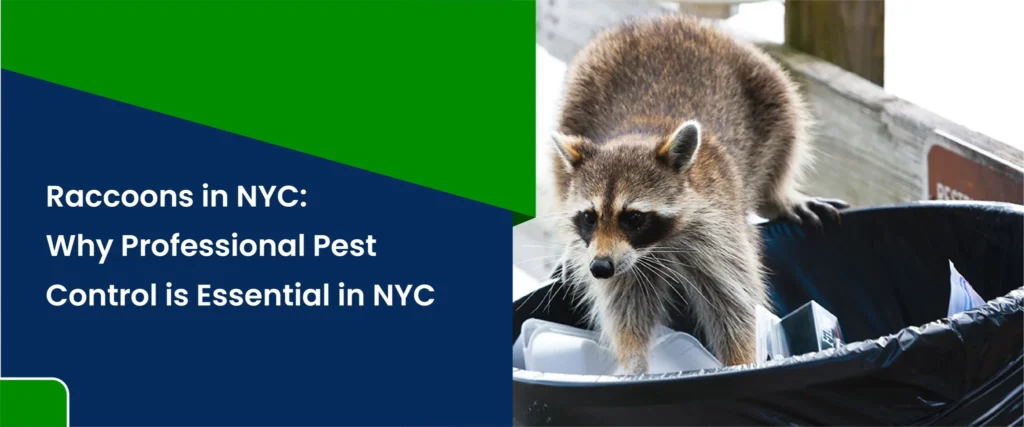
Raccoons in NYC: Why Professional Pest Control is Essential in NYC

Raccoons are a fascinating but potentially problematic part of New York City’s wildlife. Nicknamed “trash pandas” for their fondness for rummaging through garbage, these intelligent and adaptable mammals thrive in the urban jungle. This blog post will explore the world of raccoons in NYC, focusing on why professional pest control is essential for racoon control in New York. Why the Raccoons in New York City are Uncontrolled. Ubiquitous residents: Raccoons in New York City are the most widespread mammal, and is no exception. They can be found in all five boroughs, inhabiting parks, backyards, and even attics. Urban adaptability: NYC’s abundance of food sources, like overflowing trash cans and pet food, coupled with plentiful hiding spots in storm drains, attics, and trees, creates a perfect habitat for raccoons. Thriving population: Due to the lack of natural predators and a steady food supply, raccoon populations in NYC are likely much denser than in natural environments. Natural dispersers: Raccoons are highly adaptable and have a natural tendency to explore new territories. Over time, they gradually migrated from wooded areas into the fringes of human settlements. Urbanization and habitat loss: The growth of New York City provided unintentional havens for raccoons. As forests were cleared for development, raccoons readily adapted to the new urban landscape. Accidental introductions: Some theories suggest that raccoons may have been released by fur traders or escaped from zoos, contributing to the initial NYC population. Raccoon Ecology and Behavior in Urban Settings Typical behaviors: Nocturnal: Raccoons are primarily nocturnal creatures, emerging at dusk to forage for food. However, sightings during the day, especially mothers with young, are not uncommon. Omnivores: Their diet is remarkably diverse, including fruits, nuts, insects, small animals, and, unfortunately, garbage. Their clever hands allow them to pry open containers and raid trash cans. Intelligent and resourceful: Raccoons are known for their problem-solving skills. They can navigate complex environments, open lids, and even manipulate latches. Habitat preferences: Dens: Raccoons seek sheltered areas to raise their young and rest. Attics, chimneys, and hollow trees in parks are prime denning locations. Urban corridors: Green spaces like parks and cemeteries provide travel paths and foraging grounds. Raccoons navigate the city using these green corridors and following waterways. Proximity to humans: Despite being wild animals, raccoons have become accustomed to living alongside humans. The easy availability of food sources in urban environments outweighs the potential risks associated with human interaction. Population densities: Higher than natural environments: The lack of predators and abundant food sources in NYC allows raccoon populations to reach densities far exceeding those found in natural habitats. Fluctuations: Raccoon populations can fluctuate depending on food availability and denning sites. Construction projects can displace them, leading to temporary population shifts in specific areas. How Raccoons Adapt to living in Close Proximity to Humans Nocturnal activity: By being primarily active at night, raccoons minimize contact with humans during the day. Food source exploitation: Raccoons have become adept at exploiting readily available human food sources like garbage cans and pet feeders. Den site selection: They readily utilize human structures like attics and chimneys as denning sites, providing them with shelter and raising opportunities. Boldness and habituation: Over time, raccoons in NYC have become accustomed to human presence. This can lead to them exhibiting bolder behavior in search of food. Raccoon-Human Interactions and Conflicts Raccoons, while interesting creatures, can become unwelcome guests in our homes and neighborhoods. Let’s delve into the conflicts that arise from sharing a city with these resourceful mammals. Common Nuisance Issues Caused by Raccoons in NYC Neighborhoods Property damage: Raccoons in NYC can wreak havoc on attics, chimneys, and crawl spaces while seeking shelter. They tear insulation, chew wires, and leave droppings, causing significant damage. Noise complaints: Their nighttime activities can be disruptive, with scratching, scurrying, and vocalizations disturbing sleep. Messy scavengers: Their relentless search for food leads them to raid trash cans, leaving a trail of garbage and attracting other pests. Pet dangers: Raccoons can pose a threat to pets, especially smaller animals, due to their opportunistic nature. Signs of Rabies in Raccoons Unusual behavior: This is a hallmark sign of rabies in raccoons. Look for behavior that is either extremely aggressive or strangely docile. Aggressive behavior can include hissing, biting, or swiping, while abnormally tame behavior might involve approaching humans or unfamiliar animals without fear. Disorientation and confusion: Rabid raccoons will often appear lost and disoriented. They may walk in circles, stumble, or have trouble moving around. Paralysis: The rabies virus attacks the nervous system, which can lead to paralysis, especially in the hind legs. A rabid raccoon might drag its legs or have difficulty walking. Foaming at the mouth: This is a classic sign of rabies, but it’s not always present. Rabies can cause excessive salivation, and raccoons may foam at the mouth due to an inability to swallow. Seizures: In later stages of rabies, seizures are a common symptom. Daytime activity: Raccoons are typically nocturnal creatures. Seeing a raccoon out and about during the day can be a sign of rabies. How to Get Rid of Raccoons in NYC Importance of Professional Pest Control Services for Managing Raccoon Problems Safe and humane removal: Professionals have the expertise and equipment to safely remove raccoons from your property, minimizing stress on the animal and ensuring human safety. Exclusion and prevention: They can identify entry points and seal them with appropriate materials to prevent future raccoon invasions. Disease mitigation: Trained pest control companies can properly clean and disinfect areas contaminated by raccoon droppings, minimizing the risk of parasite and disease transmission. Experience with local regulations: There may be local regulations regarding wildlife removal. Professionals understand these regulations and ensure all procedures are followed correctly. Risks and Dangers of DIY Raccoon Removal: While some may be tempted to handle a raccoon problem themselves, the risks outweigh the potential benefits: Disease transmission: Attempting to remove a raccoon yourself increases the risk of exposure to parasites and diseases through bites or contact with droppings. Aggressive behavior: Cornered or threatened

Mites

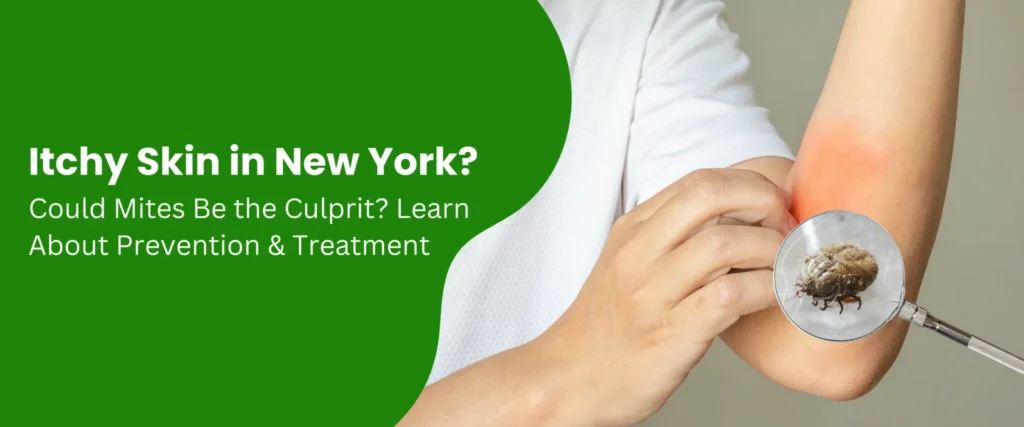
Itchy Skin in New York? Could Mites Be the Culprit? Learn About Prevention & Treatment

Living in New York City, you’re not alone if you’ve ever experienced unexplained itchy skin. While there are many potential causes, tiny houseguests called mites could be the culprit behind your discomfort. Mites in the Big Apple: Big Problems in Small Packages Mites are microscopic arachnids, relatives of spiders and ticks. Several different mite species can thrive in New York environments. While they don’t directly bite humans, their presence can trigger allergic reactions and irritation. Ignoring a mite infestation can lead to more than just itchy skin. These pests can worsen allergies and asthma, impacting your overall comfort and well-being. Let’s delve deeper into the world of mites, specifically focusing on the most common culprit for itchy skin in New York apartments: dust mites. Demystifying Dust Mites One of the most common concerns people have about dust mites is their ability to fly. Fear not! Do Dust Mites Fly? No Way! Despite their name, dust mites lack the wings necessary for flight. They are even too small to actively jump. So how do they move around? Hitching a Ride and Crawling Along Dust mites are tiny hitchhikers. They primarily rely on air currents and clinging to fabrics like clothes, bedding, and furniture to travel. Their microscopic size allows them to crawl on surfaces, but their movement is slow and deliberate. Managing Dust Mite Allergies: Beyond the Bedroom While dust mites thrive in our beds and bedding, their allergens can become airborne and impact us throughout the apartment. Here’s how to manage dust mite allergies beyond just changing your sheets: foods to avoid with dust mite allergy: Believe it or not, some foods share similar proteins with dust mites, triggering a cross-reaction in sensitive individuals. Here are some common culprits: Shrimp and Shellfish: These crustaceans contain proteins similar to those found in dust mites. Certain Cheeses: Aged cheeses like cheddar and parmesan may trigger allergies due to shared proteins. Mealworms and Crickets: These insects are becoming a more common protein source and can mimic dust mite allergies in sensitive people. Dust Mites and Our Furry Friends Our beloved pets can unknowingly harbor dust mites in their fur, contributing to allergy woes. Let’s explore how dust mites affect both us and our furry companions: What Kills Dust Mites on Dogs? The good news: Regular baths with a gentle, veterinarian-approved shampoo can significantly reduce dust mite populations on your dog’s fur. Precautions and Recommendations: Frequency: Consult your vet about the ideal bathing frequency for your dog’s breed and coat type. Over-bathing can dry out their skin. Washing Bedding: Wash your dog’s bed weekly in hot water (at least 55°C or 130°F) to kill dust mites. Vacuuming: Regularly vacuum furniture and carpets, paying attention to areas where your dog spends time. Dust Mite Allergy in Dogs: Just like humans, dogs can also be allergic to dust mites. Here are some signs to watch out for: Excessive Itching: Constant scratching, especially on paws, ears, and face. Skin Irritation: Redness, inflammation, and hair loss in itchy areas. Recurring Skin Infections: Frequent hot spots or bacterial infections on the skin. How to Get Rid of Dust Mites on Cats: Cats are generally good at grooming themselves, but dust mites can still hitch a ride on their fur. Here’s how to combat them: Brushing: Regularly brush your cat with a fine-toothed comb to remove dust mites and dander. Spot Cleaning: Wipe your cat down with a damp cloth (avoiding their eyes and ears) to remove dust and allergens. Cat-Friendly Sprays: Certain veterinarian-approved sprays can help reduce dust mite populations on your cat’s fur. Differences Between Dust Mites and Bed Bugs: Know Your Enemy While itchy skin can be a symptom of both dust mites and bed bugs, these tiny terrors require different approaches for eradication. Here’s a breakdown to help you identify the culprit and banish them from your home: Dust Mites vs Bed Bugs: A Tale of Two Mites Appearance: Dust mites are microscopic, requiring a microscope to see. Bed bugs are reddish-brown, flat, and about the size of an apple seed. Habitat: Dust mites thrive in warm, humid environments, especially bedding, mattresses, and upholstered furniture. Bed bugs, as their name suggests, prefer hiding near beds and furniture where they can feed on human blood at night. Feeding Habits: Dust mites don’t bite humans. They feed on shed skin flakes, and their waste is the primary allergen causing itchy skin. Bed bugs feed on human blood, leaving itchy bites in a line or cluster. Eradicating the Enemy: How to Get Rid of Bed Bugs and Dust Mites Dust Mites: Focus on creating a dry, inhospitable environment. Wash bedding in hot water (at least 55°C or 130°F) weekly. Encase mattresses and pillows in allergen-proof covers. Vacuum carpets and furniture regularly, using a HEPA filter if possible. Consider replacing carpets with hard floors for easier cleaning. Bed Bugs: Due to their blood-sucking nature and resilience, professional pest control is often necessary. However, you can prepare your home by washing bedding in hot water, encasing mattresses and box springs, and sealing cracks and crevices where bed bugs might hide. How to Get Rid of Dust Mites in Couch: A Step-by-Step Guide for Removal Upholstered furniture is prime real estate for dust mites. Here’s how to reclaim your couch: Pre-treatment: Remove cushions and vacuum thoroughly, focusing on crevices and seams. Use the upholstery attachment for a deeper clean. Hot Water Extraction: Consider professional carpet cleaning services that offer hot water extraction specifically designed for upholstery. Baking Soda Power: Sprinkle baking soda on the couch fabric and let it sit for at least 30 minutes to absorb moisture and odors. Thorough Vacuuming: Vacuum the baking soda thoroughly, ensuring you remove all traces. Steam Cleaning: If your couch fabric allows, use a handheld steamer to kill dust mites and remove any remaining allergens. Washing Cushion Covers: If possible, wash cushion covers in hot water (at least 55°C or 130°F). Cleaning Products and Practices: Avoid Harsh Chemicals: Stick to gentle, fragrance-free detergents and

Fleas

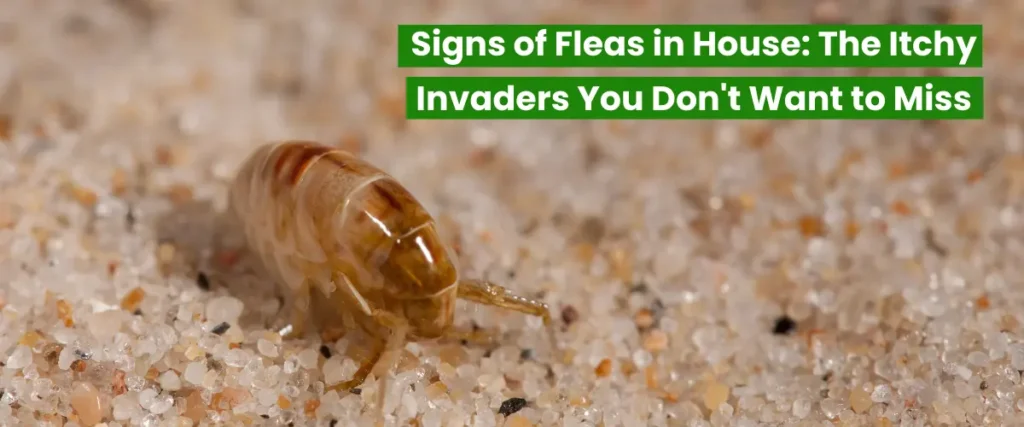
Signs of Fleas in House: The Itchy Invaders You Don’t Want to Miss

Fleas are tiny, wingless parasites that thrive on the blood of warm-blooded animals. While they primarily target pets like dogs and cats, flea infestations can easily spread to your home, causing discomfort and irritation for everyone. Early detection is crucial to prevent a full-blown infestation and the associated health risks  The Itchy Impact of Fleas Fleas aren’t just a nuisance; their bites can cause intense itching, redness, and even allergic reactions in pets and humans. Additionally, fleas can transmit diseases like tapeworms, posing a health risk for your furry friends. Furthermore, a flea infestation can leave your home feeling dirty and unhygienic. Why Early Detection Matters Fleas reproduce rapidly, and a small number can quickly turn into a large, difficult-to-control problem. By identifying the signs of fleas in house early on, you can take swift action to eradicate the fleas before they take over your house. Mythbusters: Debunking Flea Misconceptions There are many misconceptions surrounding fleas. Here are a few to clear up: Myth: Fleas only live on pets. (Fact): Fleas can survive for weeks off a host, living in carpets, furniture, and bedding. Myth: You can’t see fleas with the naked eye. (Fact): While adult fleas are small, they are visible to the human eye. Myth: Only dirty homes get fleas. (Fact): Fleas can infest even the cleanest homes brought in by pets or wildlife. What Causes a Flea Infestation? Understanding the Flea Life Cycle To effectively combat fleas, it helps to understand their life cycle. Fleas go through 03 stages:  Flea Eggs: Tiny (around 0.5mm), white, oval-shaped eggs, often found in clusters near pet bedding or carpets. Flea Larvae: Worm-like, translucent creatures, around 2-3mm long, feeding on organic debris and flea feces.  Adult Fleas: Reddish-brown, wingless insects, around 2-3mm long, with jumping ability.  Sources of a Flea Infestation Pets: The most common source of indoor flea infestations are pets that spend time outdoors or come into contact with other flea-infested animals. Wildlife: Rodents, raccoons, and other wild animals can introduce fleas into your home through openings or crawl spaces. Second-hand furniture: Used furniture, especially pet beds or throws, may harbor flea eggs or pupae. Environmental Factors Warm and humid conditions favor flea development. Flea eggs and larvae thrive in areas with high moisture content, such as damp basements, poorly ventilated rooms, and under carpets. How Do You Know If You Have a Flea Infestation? The key to tackling a flea problem lies in recognizing the signs early on. Here’s a breakdown of the common symptoms and tell-tale signs of a flea infestation: Physical Signs: Flea Bites: Both humans and pets can suffer from flea bites. These typically appear as small, red bumps, often clustered together in straight lines or patches. The bites can be very itchy and irritating. Flea Dirt: This is flea feces, and it looks like tiny black specks, resembling pepper flakes. Often found on your pet’s fur, bedding, or carpeting. To confirm it’s flea dirt, dampen a white paper towel and rub it on the specks. If the specks turn reddish-brown, it’s flea dirt (crushed flea blood). Spotting Adult Fleas: While small (around 2-3mm), adult fleas are visible to the naked eye. They are reddish-brown, wingless insects that jump quickly when disturbed. Parting your pet’s fur, especially around the base of the tail, neck, and behind the ears, might reveal live fleas. Behavioral Signs: Increased Scratching and Grooming: Excessive scratching, biting, and chewing at the fur are classic signs of flea irritation in pets. You might also notice hair loss in areas where your pet scratches frequently. Irritability and Restlessness: Pets with fleas often become agitated and restless due to the constant itching and discomfort. They might exhibit more frequent licking, scooting on the floor, and difficulty sleeping. Signs of Flea Infestation in House Fleas don’t just live on pets; they can establish themselves in your home environment as well. Look out for these signs within your house: Fleas in Carpets and Rugs: Fleas are attracted to dark, damp areas, and carpets and rugs provide the perfect breeding ground. Fleas might jump onto your ankles or legs as you walk on infested carpets. Fleas in Pet Bedding and Furniture: Your pet’s favorite spots like beds, throws, and furniture, are prime targets for fleas. Regularly check these areas for adult fleas, flea dirt, or flea eggs (tiny white ovals). Fleas in Cracks and Crevices: Fleas can hide in cracks in floors, baseboards, along walls, and under furniture. These areas provide a safe haven for fleas to lay eggs and develop. Tools for Detection: Flea Combs: Running a fine-toothed flea comb through your pet’s fur can trap adult fleas. Look for signs of flea dirt or live fleas on the comb. White Sock Test: Put on white socks and walk around barefoot on suspect areas like carpets or furniture. Fleas are attracted to movement and might jump onto your socks, making them easier to spot. Signs of Fleas in House Without Pets Believe it or not, fleas can establish themselves in a home even without resident pets. Here’s how: Previous Occupants: If your home had flea-infested pets in the past, flea eggs or pupae might have remained dormant in carpets, furniture, or cracks. When conditions are favorable (warm, humid), these eggs can hatch, leading to a new flea infestation. Wildlife Visitors: Rodents, raccoons, squirrels, and other wildlife can carry fleas into your home through openings or crawl spaces. Even brief encounters with these animals can introduce fleas into your house. Visitors’ Pets: If friends or family bring their flea-infested pets over, fleas can easily jump off their fur and establish themselves in your home environment. Signs to Watch Out For: In a pet-free home, keep an eye out for these indicators of a potential flea infestation: Unexplained Bites on Humans: Flea bites are not specific to pets, and humans can be bitten as well. If you experience itchy, red bumps, particularly clustered around your ankles, legs, or arms, it could be a sign of fleas. Fleas

Mosquito Control

Why Knowing When is Mosquito Season in New York Matters

Understanding when is mosquito season in New York isn’t just about avoiding itchy bites. Mosquitoes can also transmit diseases, making awareness of their peak activity crucial. In New York, mosquito season generally runs from late April to October. However, this timeframe can fluctuate slightly depending on a few key factors. Typical Start and End Dates General timeframe: As mentioned earlier, mosquito season in New York typically stretches from late April to October. This coincides with warmer temperatures and increased rainfall, creating ideal conditions for mosquito breeding and activity. Variations within the season: Even within this timeframe, mosquito activity can fluctuate. Early springs with temperatures consistently above 50°F (10°C) can trigger an earlier emergence. Conversely, colder falls can delay the decline in mosquito populations. Local variations: Mosquito activity can also vary depending on specific locations within New York. Areas with more standing water sources like ponds, wetlands, or clogged gutters might experience higher mosquito populations throughout the season. Factors Affecting Mosquito Season: Temperature: Temperature plays a critical role. Mosquitoes are cold-blooded insects, meaning their activity level is directly tied to ambient temperature. Once temperatures consistently surpass 50°F (10°C), expect to see an increase in mosquito activity. Conversely, cooler temperatures slow down their metabolism and limit their biting behavior. Rainfall: Mosquitoes lay their eggs in stagnant water sources. Periods of heavy rainfall can create temporary breeding grounds in puddles, clogged gutters, or containers left outdoors. This can lead to population surges and extend the overall mosquito season. Conversely, dry periods can limit breeding and reduce mosquito activity. Climate Change: Unfortunately, climate change is a factor influencing mosquito season. Rising global temperatures can lead to earlier springs and warmer falls, extending the period suitable for mosquito activity. Additionally, milder winters may allow some mosquito populations to survive longer, potentially leading to year-round presence in certain areas. When Does Mosquito Season End in New York? While the official “end” of mosquito season in New York is generally marked by late October, the exact timing can vary depending on several factors: Temperature: As with the start of the season, temperature plays a crucial role in their retreat. The first consistent frosts, typically occurring in late October or November, signal the arrival of colder weather that significantly reduces mosquito activity. As temperatures dip below 50°F (10°C), mosquito metabolism slows down, and many adult mosquitoes die off. Rainfall Patterns: Extended periods of dry weather towards the end of summer can limit mosquito breeding and accelerate the decline in their populations. Conversely, late-season rainfall events can create temporary breeding grounds and prolong their activity. Local Factors: Microclimates within specific locations can influence the end of mosquito season. Urban areas with a higher concentration of heat-retaining surfaces like asphalt might experience slightly extended mosquito activity compared to rural areas. Average End Dates and Variations: Based on historical weather patterns, you can expect mosquito season to wind down in: Late October: This is the most common scenario with consistent cool nights and the first frosts. Early November: Particularly dry autumns can see a significant reduction in mosquito activity by early November. Mid-November (or Later): Unusually warm falls with late frosts might extend mosquito activity into mid-November, especially in urban areas. Mosquito-Borne Diseases in New York While the itchy welts from mosquito bites are certainly annoying, a more significant concern is the potential transmission of diseases. Here’s an overview of some mosquito-borne diseases in New York: Mosquito-Borne Diseases: West Nile Virus (WNV): This is the most common mosquito-borne illness in New York. WNV can cause flu-like symptoms, but in severe cases, it can lead to meningitis or encephalitis (inflammation of the brain or spinal cord). Eastern Equine Encephalitis (EEE): This is a rare but serious mosquito-borne disease that can cause inflammation of the brain. Symptoms can range from mild fever to seizures and coma. La Crosse encephalitis (LAC): Another mosquito-borne disease that primarily affects children, causing fever, headache, nausea, and vomiting. In severe cases, it can lead to seizures or coma. Are Mosquito Larvae Dangerous? While adult mosquitoes are the ones responsible for those itchy bites and potential disease transmission, let’s take a closer look at their life cycle, specifically the larval stage. The Mosquito Life Cycle: Mosquitoes undergo a complete metamorphosis, meaning they go through four distinct stages: egg, larva, pupa, and adult. The larval stage is aquatic, meaning they live in water. Eggs: Female mosquitoes lay their eggs in or near stagnant water sources. Larvae: Once hatched, mosquito larvae spend most of their time feeding and developing in the water. They are easily identified by their elongated, wiggling bodies and lack of wings. Pupae: After several molts, the larva transforms into a pupa, a non-feeding stage where metamorphosis into an adult mosquito takes place. Adult: The pupa emerges from the water as a flying adult mosquito, ready to mate and lay eggs, continuing the cycle. Potential Dangers of Mosquito Larvae: While mosquito larvae themselves don’t bite or transmit diseases, their presence indicates a suitable breeding ground for adult mosquitoes. Here’s why controlling mosquito larvae is crucial: Increased Mosquito Population: Uncontrolled larval populations can lead to a surge in adult mosquito numbers, increasing the risk of bites and potential disease transmission. Habitat for Other Pests: Stagnant water with mosquito larvae can also attract other unwanted insects, creating a breeding ground for a variety of pests. Preventative Measures to Control Mosquito Larvae: The good news is that you can take steps to prevent mosquito larvae from developing in your surroundings: Eliminate Stagnant Water Sources: This is the key! Regularly empty any containers that hold water, such as birdbaths, tires, or clogged gutters. Even a small amount of water can be enough for mosquito larvae to breed. Keep Gutters Clean: Clogged gutters can collect rainwater and become prime breeding grounds for mosquitoes. Ensure proper drainage around your property. Introduce Mosquito-Eating Fish: Fish like goldfish or mosquito fish can help control mosquito larvae populations in ponds or water features. By taking these measures, you can significantly reduce the number of adult mosquitoes

Scroll to Top