Marquee Text
Limited-Time Discount: Save $50 on Your First Service as a New Customer!

Author name: fidadhothar@gmail.com

General

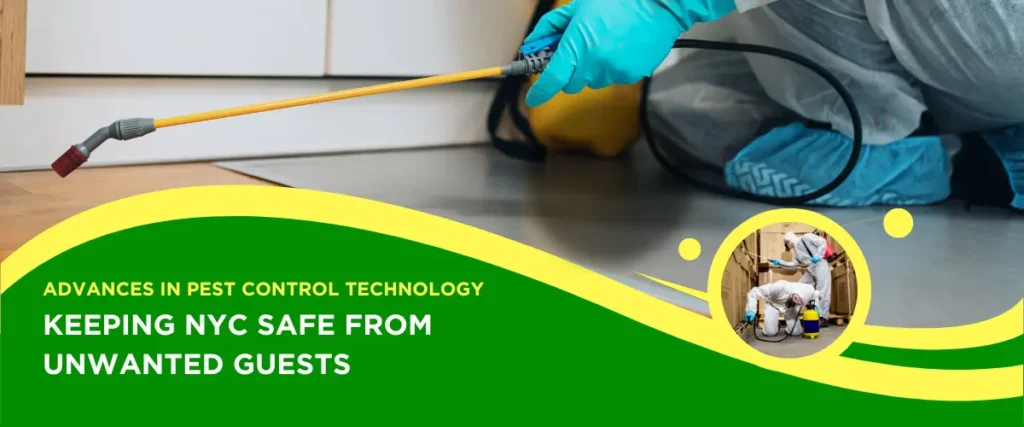
Advances in Pest Control Technology: Keeping NYC Safe From Unwanted Guests

Advances in Pest Control Technology: Keeping NYC Safe From Unwanted Guests Imagine a New York City without the constant battle against unwanted critters. From pesky pigeons to persistent roaches, pests can wreak havoc on our homes, businesses, and even our food supply. Effective pest control is crucial for maintaining a healthy and vibrant city like NYC. The good news? Modern pest control technology is revolutionizing the way we manage and monitor pest populations in NYC. This blog will explore the exciting advancements that are making our city a less hospitable environment for unwanted guests. Understanding Pest Control Technology What is pest control technology? In essence, pest control technology refers to any tools or methods used to manage and control unwanted pests. This can encompass a wide range of techniques, from traditional chemical sprays to cutting-edge solutions like drones and gene editing. Evolution:  NYC has a long history of battling pests. Early methods relied on basic tools like traps and repellents. The invention of chemical pesticides in the 20th century revolutionized pest control, but concerns about environmental impact and pest resistance have led to a renewed focus on safer and more targeted approaches. This is where high-tech solutions are taking center stage. Importance:  There are several reasons why advanced pest control technology is essential in NYC: Safety: Newer technologies often involve less reliance on harsh chemicals, making pest control safer for people, pets, and the environment. Precision: Advanced tools allow for targeted pest control, minimizing collateral damage to beneficial insects. Efficiency: Drones and other tech-driven solutions can monitor large areas quickly and efficiently, leading to faster detection and treatment. Sustainability: Technologies like biological control agents and gene editing offer long-term, sustainable solutions to pest problems. Monitor Pest Control: Modern Techniques for a Pest-Free NYC We’ve discussed the importance of modern pest control technology, but how do we actually track and manage these unwanted visitors? Enter pest monitoring systems, a critical first step in any effective pest control strategy. What is Pest Monitoring? Definition and Purpose: Pest monitoring is the ongoing process of identifying the presence, activity, and abundance of pests in a specific area. Techniques and Tools: This proactive approach uses various tools to gather data on pest populations. Traditional methods include: Traps: Sticky traps, bait traps, and snap traps capture and identify pests. Pheromone Lures: Attract specific types of pests, allowing for targeted monitoring. Benefits: Regular pest monitoring helps prevent full-blown infestations by providing: Early Detection: Catching pest problems early allows for quicker and more effective treatment. Targeted Control: Identifies the specific pest species, enabling focused treatment methods. Cost-Effectiveness: Prevents unnecessary use of pesticides by pinpointing areas requiring treatment. Modern Pest Detection Technologies: Tools for a Smarter NYC Now, let’s explore the exciting world of pest monitoring systems. These high-tech tools are revolutionizing how we monitor pests in NYC: Use of IoT Devices: Tiny, internet-connected devices placed strategically around buildings can detect pest activity through: Motion Sensors: Detect movement, indicating potential pest presence. Temperature and Humidity Sensors: Monitor conditions attractive to specific pests. CO2 Sensors: Elevated CO2 levels can indicate increased pest activity. Sensors and Cameras: Advanced systems use: Acoustic Sensors: Detect the sounds of specific pests, like rodents scratching. Thermal Cameras: Identify pests even in dark areas. By combining traditional techniques with modern monitoring systems, we can create a smarter and more effective approach to pest control in NYC. The Pest Detective: Unveiling the Heroes of NYC’s Pest Control Modern technology is a game-changer in pest control, but behind the scenes, there’s another crucial element: the pest control professional. These highly skilled individuals, often referred to as “pest detectives,” are essential for keeping NYC pest-free. Professionals in Pest Control: Role and Expertise: Pest control professionals are trained experts in identifying, managing, and controlling pests. They possess a deep understanding of pest biology, behavior, and the latest technologies for effective control. Training and Tools: To become a licensed pest control professional in NYC, individuals undergo rigorous training covering: Pest Identification: Learning to distinguish different pest species and their signs. Safe and Effective Pest Control Methods: Utilizing various techniques, including chemical, biological, and mechanical controls. Regulations and Laws: Staying up-to-date on relevant laws and safety protocols for pest control practices. Modern pest detectives also utilize high-tech tools like: Digital Monitoring Systems: Analyze real-time data on pest activity for targeted control. Thermal Imaging Cameras: Detect hidden pests in walls and crawl spaces. Advanced Insecticides and Baits: Utilize specialized products for specific pests with minimal environmental impact. Understanding the Enemy: Pests vs. Pathogens Now, let’s differentiate between two common foes: pests and pathogens. Pests: Living organisms, often insects, rodents, or birds, that can damage property, spread diseases, or contaminate food. Pathogens: Microscopic organisms like bacteria, viruses, or fungi that cause diseases in humans, animals, or plants. Key Differences: Feature Pest Pathogen Nature Multicellular organisms (insects, rodents) Single-celled or simple organisms (bacteria, viruses) Impact Physical damage, contaminate food Cause diseases Control Methods Traps, insecticides, exclusion methods Antibiotics, antivirals, vaccines By understanding these distinctions, we appreciate the diverse threats posed by unwanted organisms and the specialized approaches needed to manage them. Future of Pest Control Technology: A Glimpse into NYC’s Pest-Free Tomorrow We’ve explored the exciting world of modern pest control technology and the vital role of professionals in keeping NYC safe. But what does the future hold? Let’s delve into the cutting-edge advancements that will redefine pest control in our city. Emerging Trends: A Look Ahead The future of pest control is brimming with innovative technologies: Gene Editing: Scientists are exploring the possibility of editing the genes of pest populations, making them resistant to reproduction or susceptible to specific control methods. Artificial Intelligence (AI): AI-powered systems will analyze pest monitoring data, predict outbreaks, and recommend targeted control strategies. Microbots and Nanobots: These tiny robots could be deployed to deliver precise treatments directly to pest habitats or even carry microscopic traps. Sustainability and Eco-Friendly Solutions: The future of pest control prioritizes environmental responsibility: Biopesticides: Derived from natural sources like bacteria or plants, these offer

Bees and Wasps

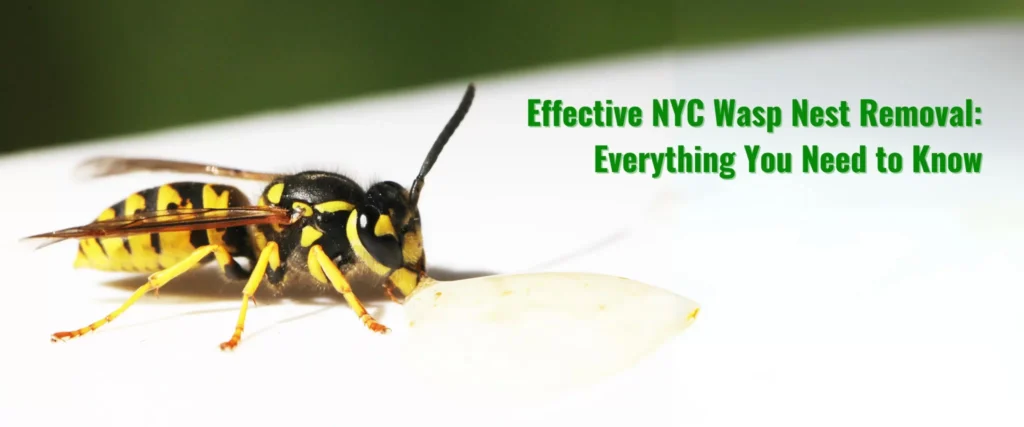
Effective NYC Wasp Nest Removal: Everything You Need to Know

Effective NYC Wasp Nest Removal: Everything You Need to Know Ever been enjoying a picnic in Central Park when a squadron of wasps decides your lunch spread is theirs? Or maybe you’ve heard the menacing buzz of a wasp nest lurking in your fire escape. Wasp encounters are a common experience in NYC, and dealing with a nest on your property can be a real stinger (pun intended!). Safe and effective wasp nest removal is crucial in NYC. This blog will guide you through everything you need to know, from identifying a wasp nest to choosing the best removal method and preventing future infestations. Whether you’re a seasoned New Yorker or a recent transplant, this guide to NYC wasp nest removal will help you keep your home and yard wasp-free. Understanding Wasps How Many Types Of Wasps Are There? While there are over 30,000 identified wasp species worldwide, you’ll likely encounter a few common types in NYC. Here’s a quick rundown: Paper Wasps: These beneficial wasps build exposed, papery nests under eaves or overhangs. They’re generally less aggressive than other wasps unless their nest is disturbed. Bald-faced Hornets: These large wasps construct impressive, football-shaped nests in trees and shrubs. Though intimidating, they typically only attack if threatened. Yellow jackets: These social wasps are the familiar black and yellow buzzing insects you see around picnics. They build their nests underground or in cavities within walls. Unlike some wasps, yellow jackets can sting repeatedly. Yellow Jackets and Wasps Are yellow jackets a type of wasp? The ultimate answer to this question is Yes. They belong to the Vespidae family, which also includes hornets. Here’s a breakdown of their similarities and differences: Similarities: Both have black and yellow markings. Both live in social colonies with a queen and worker wasps. Both have stingers and will use them to defend their nests or themselves. Differences: Appearance: Yellow jackets are smaller than hornets. Bald-faced hornets have a distinctive white face, while paper wasps are slender with long legs. Nesting: Yellow jackets build underground nests, while paper wasps build exposed nests and bald-faced hornets build aerial nests. Aggression: Yellow jackets are generally more aggressive than paper wasps and bald-faced hornets, especially when defending their nest. Wasp Behavior and Life Cycle Does Wasps Die After They Sting? Unlike honeybees, a wasp’s barbed stinger doesn’t detach after stinging. This allows them to sting repeatedly, injecting venom each time. So, no, wasps don’t die after stinging you. How To Keep Wasps From Building Nests? An ounce of prevention is worth a pound of cure (and a potential sting!). Here are some tips to keep wasps from setting up shop in your NYC home: Minimize Food and Drink Sources: Wasps are attracted to sugary drinks and leftover food scraps. Keep outdoor eating areas clean, dispose of garbage properly, and cover your drinks with lids when outside. Seal Up Potential Nesting Sites: Inspect your eaves, porches, and other outdoor areas for cracks or gaps. These are prime real estate for wasps looking to build a nest. Seal openings with caulk or weather stripping. Discourage Existing Wasps: Hang fake wasp nests around your property. Wasps are territorial and avoid building near existing colonies (even fake ones!). You can also try placing bowls of a solution of apple cider vinegar mixed with a few drops of dish soap near potential nesting areas. The scent may deter wasps. Seasonal Tips for NYC: Spring Cleaning: Early spring is prime time for queen wasps to scout for nesting sites. This is the perfect time to inspect your property and seal up potential entry points. Fall Nest Removal: By fall, wasp nests are likely at their largest. If you discover a nest, it’s best to call a professional for safe removal. Don’t attempt to tackle it yourself, especially in the colder months when wasps become more aggressive. NYC Wasp Nest Removal DIY vs. Professional Removal Removing a wasp nest yourself might seem tempting, but it’s important to weigh the risks and benefits: DIY Removal: Pros: Potentially cheaper (though improper removal can lead to property damage or medical bills). Cons: Danger of Stings: Disturbing a nest can provoke an attack, leading to multiple stings. Incomplete Removal: Leaving behind even a small part of the nest can attract remaining wasps. Improper Disposal: Improper disposal of the nest can put you or others at risk. Professional Removal: Pros: Safety First: Trained professionals have the proper equipment and protective gear to remove the nest safely. Guaranteed Removal: They ensure the entire nest is removed, eliminating the wasp problem. Peace of Mind: You can relax knowing the job is done correctly. The Importance of Hiring Professionals: While DIY removal may seem like a cost-saving measure, the risks far outweigh the potential benefits. Professional NYC wasp nest removal experts are trained and equipped to handle the situation safely and effectively. Steps in Professional Wasp Nest Removal Here’s a general outline of what a professional wasp removal service might do: Inspection: The professional will identify the type of wasp and locate the nest. Preparation: The area around the nest will be secured to minimize exposure to people and pets. Removal: Depending on the situation, different removal methods might be used, such as insecticides or physical removal. Disposal: The nest will be safely removed and disposed of. Prevention: The professional can recommend steps to prevent future wasp infestations. Safety Precautions: Professionals prioritize safety during the process. This may involve wearing protective suits, using specialized equipment, and applying insecticides in a controlled manner. Conclusion Understanding wasps, their behavior, and how to prevent them from nesting on your property is key to keeping your NYC home wasp-free. By following the prevention tips outlined above, you can minimize the risk of encountering these stinging insects. Benefits of Professional Removal However, if you discover a wasp nest, don’t attempt to remove it yourself. Professional NYC wasp nest removal services offer a safe and effective solution. They have the expertise and equipment to handle the situation without putting yourself

Property Management

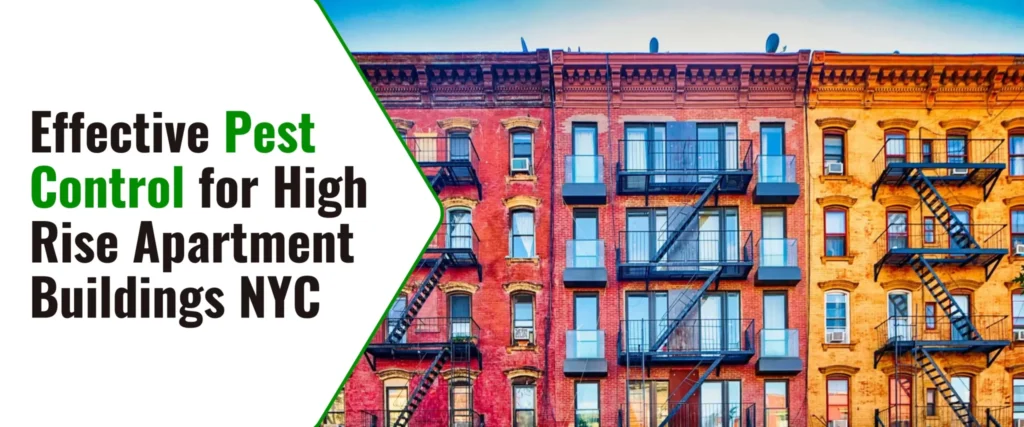
Effective Pest Control for High Rise Apartment Buildings NYC

Conquering Creepy Crawlies: Effective Pest Control for High Rise Apartment Buildings NYC The Vertical Jungle: NYC’s High Rise Landscape New York City boasts a dazzling skyline dominated by towering high-rise apartment buildings. These multi-unit structures offer stunning views and convenient living, but they also present unique challenges, especially when it comes to unwanted guests – pests. Why Effective Pest Control Matters in High Rise Apartments Living in close quarters with hundreds of other residents creates an attractive environment for pests. Food crumbs, overflowing garbage chutes, and even potted plants can provide sustenance for these unwelcome visitors. Unchecked pest infestations can quickly become a nightmare, affecting the health, safety, and comfort of residents. Diseases, allergies, and property damage are just some of the potential consequences of a pest problem left unaddressed. Property management is mandatory to conquer your fortress. Our Focus: Professional Extermination and Integrated Pest Management (IPM) This blog dives deep into the world of pest control for NYC’s high-rise apartments. We’ll explore the advantages of professional pest extermination services and delve into the principles of Integrated Pest Management (IPM). IPM is a comprehensive approach that combines various strategies to control pests, focusing on prevention, monitoring, and targeted interventions for long-term success. The Unique Challenges of Pest Control in High Rise Apartment Buildings A Maze of Metal and Glass: Structural Complexities High rise buildings present a complex environment for pest control. Unlike single-family homes, these structures offer numerous entry points for pests, including: Shared walls and floors: Pests can easily travel between units through cracks, crevices, and shared ventilation systems. Garbage disposal systems: Chutes and compactors can harbor pests and create attractive entry points. Exterior building features: Cracks around windows, pipes, and balconies can provide access for pests. NYC’s Unwanted Guests: Common High-Rise Pests The bustling city life of NYC attracts a variety of pests, including: Cockroaches: These resilient creatures thrive in warm, humid environments and can quickly establish themselves in kitchens and bathrooms. Rodents: Mice and rats are notorious for squeezing through small openings and can spread diseases and cause property damage. Bed bugs: These blood-sucking insects can infest furniture and bedding, making sleep a nightmare for residents. Ants: Different species of ants, attracted by food crumbs and moisture, can become a nuisance in high-rise apartments. Pest Highways: How They Migrate and Infest Multiple Units Pests are adept at navigating their way through high-rise buildings. Here’s how infestations can quickly spread: Shared Utilities: Plumbing and electrical chases can act as superhighways for pests to travel between floors. Garbage Chutes: Overstuffed or unclean chutes can attract pests and allow them to move between units. Cracks and Crevices: Even small openings in walls and floors can provide access for pests to explore and infest new areas. Pest Control In Apartment Building: Essential Strategies Living in a high-rise apartment in NYC offers undeniable perks, but it also comes with the responsibility of keeping unwanted pests at bay. Here’s a breakdown of essential strategies to conquer creepy crawlies and ensure a pest-free living environment: Early Detection is Key: Regular Inspections and Monitoring Don’t wait for a full-blown infestation! Regular inspections and monitoring are crucial for apartment building pest control to detect pest activity. Here’s how to be proactive: Visual Inspections: Regularly check for signs of pests like droppings, shed skin, or unusual activity around garbage areas. Resident Communication: Encourage residents to report any pest sightings promptly to building management. Professional Monitoring: Consider engaging a pest control company to conduct periodic inspections using tools like traps and electronic monitors. Cleanliness is King: Importance of Maintaining Sanitation Pests are attracted to food sources and clutter. Maintaining a clean and sanitary environment is vital for deterring them: Proper Waste Management: Ensure garbage disposal areas are clean and free of spills. Encourage residents to properly dispose of food waste in sealed containers. Keep it Dry: Address any moisture issues like leaky pipes or condensation, as these create ideal breeding grounds for pests like roaches and millipedes. Cleanliness Campaign: Promote resident awareness about the importance of keeping their apartments clean and free of food debris. Building a Fortress: Sealing Entry Points and Maintaining Building Integrity High-rise structures offer numerous potential entry points for pests. Here’s how to fortify your defenses: Seal the Cracks: Regularly inspect and seal cracks around windows, doors, pipes, and utility access points. Door Sweeps and Screens: Ensure proper door sweeps are installed at building entrances and individual apartments. Repair or replace damaged window screens. Garbage Chute Maintenance: Maintain a clean and well-functioning garbage disposal system. Address any issues with overflowing chutes or malfunctioning compactors promptly. Professional Help When Needed: Extermination for Tall Buildings in NYC While preventative measures are crucial, professional intervention may be necessary for active infestations. Here’s why hiring a professional exterminator is beneficial: Expertise and Licensing: Licensed exterminators possess the knowledge and tools to identify specific pests and implement targeted treatment plans. Safe and Effective Solutions: Professionals use EPA-registered pest control products that are safe for residents and pets when applied correctly. Experience with High-Rises: NYC exterminators are familiar with the unique challenges of high-rise buildings and can develop comprehensive strategies for effective pest control. The Power of Professionals: Extermination Methods Used in High-Rise Buildings Professional exterminators utilize a variety of methods depending on the type of pest and the severity of the infestation: Insecticides and Baits: Targeted application of EPA-approved insecticides and baits can eliminate existing pest populations and deter future activity. Trapping: Strategic placement of traps can be used to capture and monitor pest activity. Exclusion Techniques: Professionals may use methods like caulking and weather stripping to seal potential entry points. Understanding the Enemy: Integrated Pest Management (IPM) Explained What is IPM? We’ll delve into the world of Integrated Pest Management (IPM), a comprehensive approach to pest control that emphasizes prevention, monitoring, and targeted interventions. The Principles of IPM: Discover the core principles of IPM, including identifying the pest, understanding its life cycle, and implementing a multi-pronged approach for long-term control. Taking Control: Implementing IPM in Your High-Rise

Pigeons in New York
Pigeons

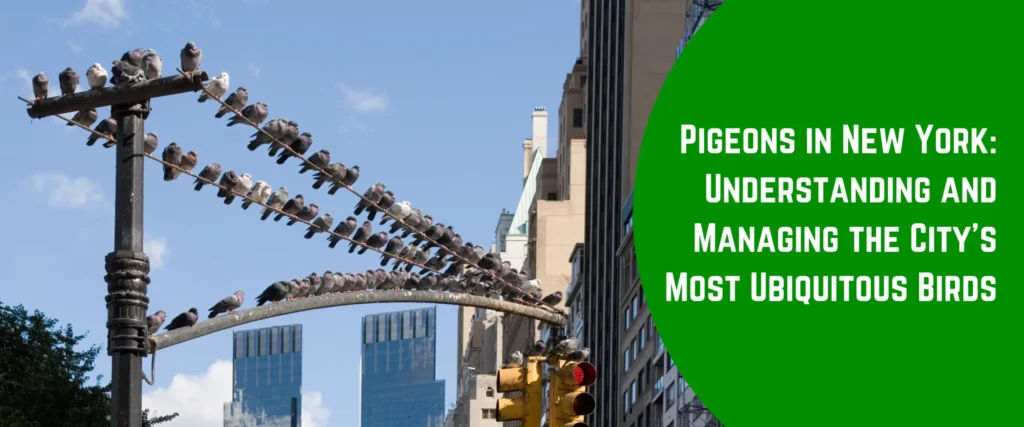
Pigeons in New York: Managing the City’s Most Ubiquitous Birds

Pigeons in New York: Understanding and Managing the City’s Most Ubiquitous Birds New York City, the Big Apple, a concrete jungle teeming with life – and pigeons. These plump, grey birds are as ubiquitous as yellow cabs and steaming hot dogs. Whether strutting across sidewalks with an air of entitlement or perched on building ledges surveying the bustling streets below, pigeons are undeniably a part of the NYC experience. But just how many of these feathered residents are there? And what makes the city such a prime spot for pigeons to thrive? This blog dives deep into the world of pigeons in New York City. We’ll explore: The Prevalence of Pigeons in New York:  How many pigeons call the city home? We’ll explore estimates, dissect the factors contributing to their population boom, and delve into any recent studies that shed light on their numbers. How many pigeons are in New York? The Big Apple’s Big Flock Counting pigeons in a city that never sleeps is no easy feat. Estimates vary widely, with some claiming there’s roughly one pigeon per New Yorker (that would put the population around a staggering 8.5 million!). However, more grounded estimations suggest a population somewhere in the range of half a million. Factors contributing to the large pigeon population. So, what has made New York City such a haven for pigeons? Here’s a breakdown of some key factors: Abundant Food Sources: From overflowing trash cans to scattered crumbs from street vendors, the city offers a constant smorgasbord for pigeons. Unlike their wild counter parts who rely on foraging for seeds and berries, NYC pigeons have a year-round buffet at their disposal. Ideal Nesting Sites: The urban landscape provides an abundance of nooks and crannies perfect for pigeon nests. Ledges, fire escapes, and building parapets all offer prime real estate for raising young. Limited Predators: With a scarcity of natural predators in the city, pigeon populations face minimal threats. This allows them to reproduce and thrive with minimal challenges. Beyond the Boroughs’ Beaks: Pigeons And Other  Common Birds NYC While pigeons reign supreme in terms of sheer numbers, New York City’s skies are far from a one-bird show. A surprising variety of avian neighbors share the urban ecosystem with our feathered friends. Here’s a look at some of the other common birds you might spot soaring through the concrete canyons: The Noisy Neighbor: The Blue Jay, a vibrant blue bird with a distinctive crest, is known for its loud calls and bold personality. Unlike pigeons, they’re primarily insectivores, feasting on beetles, acorns, and even small reptiles. A Splash of Color: The Northern Cardinal, with its bright red plumage, brings a touch of the tropics to the city. These territorial songbirds are more selective with their food choices, favoring seeds, berries, and insects. The Melodious Migrant: The American Robin, a harbinger of spring with its reddish-orange breast, graces the city during the warmer months. Primarily ground foragers, these birds feed on worms, insects, and fruits. Pigeon vs. Neighbors: A Tale of Two Habits While pigeons are happy to scavenge for scraps, their fellow avian residents exhibit more diverse feeding strategies. Blue Jays, for instance, are adept at caching food, hiding acorns and seeds to retrieve later. Cardinals are skilled seed-crackers, using their strong beaks to break open tough shells. Robins, on the other hand, are excellent earthworm hunters, probing the ground with their sharp beaks. Habitat preferences also differ. Pigeons thrive in the built environment, while cardinals favor parks and gardens with dense foliage. Robins can be found in a variety of habitats, from parks to backyards, while blue jays are often spotted in wooded areas within the city. City Limits and Cooing Rights: The Legalities of Pigeon Control in NYC Living alongside pigeons can be a mixed bag. While some find them charming, others view them as a nuisance. So, what are the rules regarding pigeon control in the Big Apple? Off Limits: First and foremost, is it illegal to kill pigeons in NYC? Yes, it’s illegal to intentionally kill pigeons within New York City limits. This applies to all methods, from shooting to poisoning. The city enforces a ban on harming pigeons due to concerns about cruelty and potential health risks associated with dead birds. Humane Measures Only: The focus in NYC is on humane population control methods. This might involve trapping pigeons with special one-way doors and then relocating them to designated areas outside the city. Another approach involves deterring pigeons from nesting on buildings by installing special netting or spikes. All such measures should be taken by professional pest control. Beyond the Law: Ethical Considerations and Creative Solutions The legalities surrounding pigeon control raise ethical considerations. Many people believe that pigeons, as living creatures, deserve a humane approach to population management. This has led to the exploration of alternative solutions. One approach involves modifying human behavior. Efforts to reduce littering and secure trash cans can make the city less attractive to pigeons seeking food scraps. Additionally, educating the public about feeding pigeons can discourage this practice, ultimately limiting their access to easy meals. When the Wind Gets Chilly: Where do NYC Pigeons Go in the Winter As the leaves change color and a nip hits the air, New Yorkers bundle up for the coming winter. But what about the city’s feathered residents – the ubiquitous pigeons? Do they pack their tiny beaks and head south for warmer weather? Surprisingly, pigeons in New York City are not migratory birds. Unlike their Canadian cousins who head south for balmier climates, NYC pigeons are tough cookies who stick around all year. Here’s how they manage to survive the colder months: Urban Oasis: The city itself provides a surprisingly warm microclimate compared to surrounding areas. Buildings and streets absorb heat during the day, releasing it slowly at night, offering some protection from the harshest winter chills. Feathered Insulation: Pigeons have a thick layer of down feathers that provide excellent insulation, keeping them warm even in freezing temperatures.

Summer Bugs in House NYC
Property Management

Summer Bugs in House: How to Keep Them Out and Why They Invade

Summer Bugs in House: How to Keep Them Out and Why They Invade As temperatures rise and the days grow longer, many of us look forward to enjoying the warmth and sunshine of summer. However, with the pleasant weather comes an unwelcome side effect: an invasion of bugs in our homes. Bugs are an inevitable part of summer, but they don’t have to ruin your indoor comfort. By understanding their behavior and taking proactive steps, you can enjoy a bug-free home. This blog will guide you through why bugs invade during summer, identify common pests, and provide practical solutions to keep them out and eliminate those that manage to get in. Why Do We Experience Bugs In House During Summer? Heat and Moisture During summer, the outdoor heat drives many bugs inside in search of cooler, more humid environments. Many bugs thrive in high humidity, making your home an attractive destination if it’s cooler and more humid than the outdoors. For instance, cockroaches and silverfish are particularly drawn to damp, cool areas like basements and bathrooms. Food Sources Summer often means more food preparation and outdoor dining, which can lead to more crumbs and spills. These food remnants are a feast for bugs. Ants are particularly drawn to sugary substances, while flies are attracted to decaying organic matter. Mosquitoes, on the other hand, are drawn to stagnant water and can breed rapidly if given the opportunity. Common Summer Bugs Ants: Tiny and industrious, they form long trails to and from food sources. Mosquitoes: carry diseases and are notorious for their itchy bites. Flies: Quick breeders that can spread bacteria. Bedbugs: Thrive in warm climates and travel easily, often found in hotels and homes. Wasps: Can become aggressive and are attracted to sugary foods. Common Summer Bugs Found in Houses Ants Ants are small but can become a significant nuisance due to their numbers and persistence. They enter homes searching for food and water, forming visible trails as they march to and from food sources. Mosquitoes Mosquitoes are more than just an annoyance; they are most active during dawn and dusk and are attracted to stagnant water where they lay their eggs.They can carry diseases like West Nile Virus and Zika Virus. Flies House flies can breed rapidly and are attracted to decaying food and waste. They can contaminate food and surfaces with bacteria. Bedbugs These small, reddish-brown insects hide in cracks and crevices during the day and come out at night to feed on blood. Bedbugs are often found in mattresses, bed frames, and furniture, and their bites can cause itchy welts. Wasps Wasps are attracted to sweet foods and can be very aggressive. They often build nests in sheltered areas like eaves, attics, and garages. How to Keep Bugs Out of House in Summer Use Screens Installing and maintaining window and door screens is one of the most effective ways to keep bugs out. Regularly check for and repair any holes or tears. Seal Entry Points Inspect your home for gaps and cracks around doors, windows, and the foundation. Use caulk or weather stripping to seal these entry points, preventing bugs from sneaking in. Proper Waste Management Keep your kitchen clean and dispose garbage regularly. Use sealed containers to store food and ensure your trash cans have tight-fitting lids. Reduce Standing Water Eliminate standing water in and around your home to prevent mosquitoes from breeding. This includes emptying plant saucers, cleaning gutters, and covering or draining pools and birdbaths. How to Get Rid of Summer Bugs In House  Natural Remedies Ants: Clean surfaces with a vinegar and water solution to deter ants. Placing cucumber peels, cinnamon, or mint leaves near entry points can also help. Mosquitoes: Use essential oils like lavender, peppermint, and eucalyptus to repel mosquitoes naturally. Flies: Create a homemade fly trap with apple cider vinegar and a few drops of dish soap. The vinegar attracts flies, and the soap breaks the surface tension, causing them to drown. Bedbugs: Wash bedding and clothing at high temperatures and use a vacuum to clean mattresses, bed frames, and surrounding areas. Encase mattresses and box springs in protective covers. Wasps: Mix water and dish soap in a spray bottle and spray wasp nests from a safe distance. The soap solution will suffocate them. Chemical Treatments For severe infestations, consider using chemical treatments. Always follow the manufacturer’s instructions and consider professional pest control services for safe and effective application. Preventative Measures for Future Summers Regular Maintenance Perform regular inspections and maintenance on your home. Fix any damage promptly, and ensure your home’s exterior is well-maintained to prevent bugs from finding entry points. Cleanliness A clean home is less attractive to bugs. Regularly clean floors, counters, and other surfaces to remove food residues and crumbs. Vacuum frequently and dispose of garbage regularly. Landscaping Tips Maintain your yard to reduce bug habitats. Trim bushes and trees, mow the lawn regularly, and keep compost and garbage areas away from the house. Consider planting bug-repellent plants like lavender, marigold, and rosemary around your home. Conclusion Dealing with summer bugs in the house can be challenging, but with the right knowledge and preventive measures, you can keep your home comfortable and bug-free. From understanding why bugs invade to implementing effective strategies to keep them out, this comprehensive guide has covered all the essential aspects. Remember to: Regularly maintain your home to seal off entry points. Keep your living spaces clean and free of food residues. Use natural or chemical treatments as needed to tackle existing infestations. Take preventative measures to minimize future invasions. Frequently Asked Questions (FAQ) Q: What are some natural remedies to repel ants? A: Natural remedies to repel ants include using a mixture of vinegar and water to clean surfaces, placing cucumber peels, cinnamon, or mint leaves near entry points, and using essential oils like peppermint or tea tree oil. Q: How can I prevent mosquitoes from breeding around my home? A: To prevent mosquitoes from breeding, eliminate standing water in birdbaths,

Effective Pest Control for Warehouses and Storage Facilities in NYC
Property Management

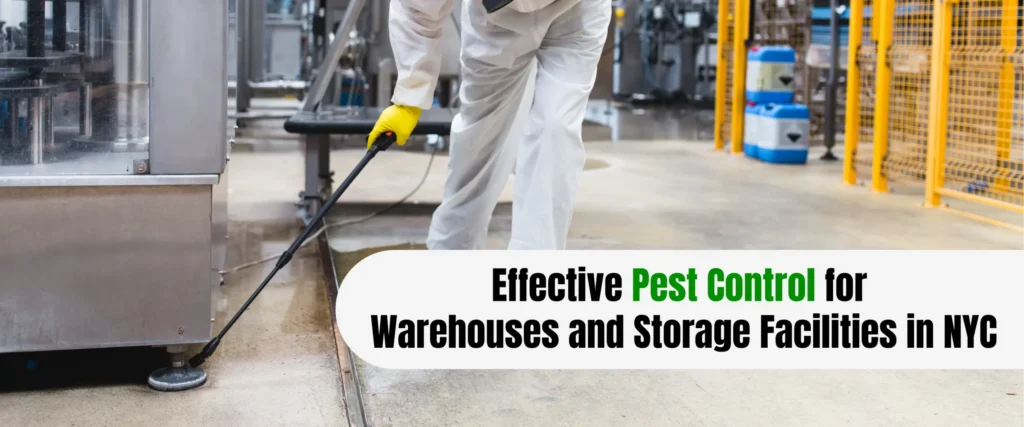
Effective Pest Control for Warehouses and Storage Facilities in NYC

Ultimate Guide to Effective Pest Control for Warehouses and Storage Facilities in NYC Keeping your NYC warehouse or storage facility pest-free is crucial for several reasons. This guide will equip you with the knowledge and strategies to achieve a pest-free environment. Importance of Pest Control in NYC Warehouses and Storage Facilities Pests in NYC warehouses can damage inventory, contaminate products, and pose health risks to employees. Rodents can chew through electrical wires, causing fires. Insects can leave behind droppings and shed skin, triggering allergies and asthma. A pest infestation can also lead to negative publicity and government penalties. Common Pests in NYC Warehouses and Storage Facilities Protecting your NYC warehouse or storage facility from pests is essential. Here’s a detailed breakdown of the most common invaders you might encounter and the problems they bring: Rodents: Mice and Rats NYC’s Rodent All-Stars: Norway rats and house mice are the most common warehouse rodent residents in NYC. Signs of Rodent Activity: Keep an eye out for droppings, which look like dark pellets or capsules. Gnaw marks on food packaging, electrical wires, and even building materials are telltale signs. Rodents also leave grease trails along walls as they travel established routes. At night, you might hear squeaking or scratching noises coming from their hidden dens. The Damage They Do: Rodents are destructive chewers, causing damage to inventory, electrical wiring, and the building itself. They can also spread diseases like hantavirus and leptospirosis through their droppings and urine. Insects: A Creepy Crawly Crew NYC warehouses provide a buffet for various insects seeking shelter and food sources. Here are some of the most common: Cockroaches: These resilient pests are notorious for spreading bacteria and triggering allergies and asthma. Look for live or dead roaches, shed skin, and droppings. Beetles: Flour beetles, Indian meal moths, rice weevils, and sawtoothed grain beetles are particularly problematic in warehouses storing food products. Signs of infestation include the presence of adult insects, larvae, and shed exoskeletons. Ants: Always on the lookout for crumbs and spills, ants can contaminate food and become a nuisance. Moths: Fabric-loving moths like webbing clothes moths can wreak havoc on stored textiles and clothing. Look for webbing, live moths, or holes in fabrics. Other Urban Pests: Sharing Your Space Uninvited While less common than rodents and insects, birds and other wildlife can also find their way into warehouses, causing problems: Birds: Finding a way in through open doors or damaged screens, birds can leave behind droppings that pose health risks. They might also build nests in rafters or high shelves, creating a nuisance and potentially damaging the building structure. Wildlife: Depending on your location in NYC, you might encounter raccoons, squirrels, or even bats. These animals can cause property damage and pose health risks through bites or droppings. Warehouse Pest Management Strategies for NYC Keeping a pest-free warehouse in NYC requires a multi-pronged approach. Here’s a detailed breakdown of essential strategies to outsmart those unwanted visitors: Regular Inspections and Pest Monitoring (Warehouse Pest Management) Proactive is the key! Conduct regular inspections of your warehouse, looking for signs of pest activity like droppings, gnaw marks, shed skin, or live insects. Utilize strategically placed traps and monitors. These act as early warning systems, allowing you to detect a potential infestation before it explodes. Sanitation and Hygiene: Keeping Your NYC Warehouse Sparkling Clean Cleanliness is key: Create a pest-unfriendly environment by maintaining a clean and clutter-free warehouse. Regularly sweep floors, remove debris, and eliminate potential food sources for pests. Storage solutions: Store food items in sealed containers, preferably raised off the ground to deter rodents. Waste not, want not: Implement a regular schedule for garbage removal to eliminate food scraps that attract pests. Pay close attention to proper bin maintenance – overflowing or dirty bins become prime real estate for pests. NYC twist: Since NYC has a higher density of people and potential food sources for pests compared to other locations, emphasize the importance of stricter sanitation practices in your warehouse. Effective Storage and Waste Management Techniques: Warehousing Like a Pro Smart storage: Store food off the ground on pallets or shelves to make cleaning easier and deter rodents. Recycling and composting: While these practices are great for the environment, they can also attract pests if not managed properly. Ensure proper bin maintenance and keep them away from walls to prevent them from becoming harborage areas for insects and rodents. Structural Modifications and Exclusion Methods: Sealing Your Fortress Seal the cracks: Pests are excellent at finding tiny entry points. Regularly inspect your warehouse for cracks, gaps, and holes around pipes, windows, and doors. Seal these openings with caulk, steel wool, or other appropriate materials to prevent unwanted guests. Doorways are crucial: Install weather stripping around exterior doors to create a tight seal and deter pests from entering. Window warriors: Repair damaged screens and windows to prevent flying insects and birds from entering. Effective Warehouse Rodent Control in NYC: Battling the Borough’s Burrowers Rodents are a significant concern in NYC warehouses. Here’s how to keep them at bay: Spot the signs: Be vigilant for droppings, gnaw marks on packaging and wires, and grease trails along walls. These are all telltale signs of rodent activity. Traps and baits: Use tamper-proof bait stations containing rodenticides approved for use in NYC. Strategically place snap traps in areas with high rodent activity. Remember: Always follow safety guidelines and local regulations regarding rodenticide use. Safe and compliant: Only use EPA-approved rodenticides and strictly adhere to all label instructions. Secure bait stations to prevent access by children and pets. Securing Entry Points in Old and New Buildings: A Multi-Building Approach Whether your warehouse is a historic brick building or a modern facility, sealing entry points is crucial: Focus on vulnerable areas: Pay particular attention to gaps around pipes, utility lines, and around doors and windows, regardless of the building’s age. Choosing the right materials: Use caulk, steel wool, or other appropriate materials to effectively seal these entry points and keep pests out. Advanced Pest Control

Pest Control for Restaurants
Property Management

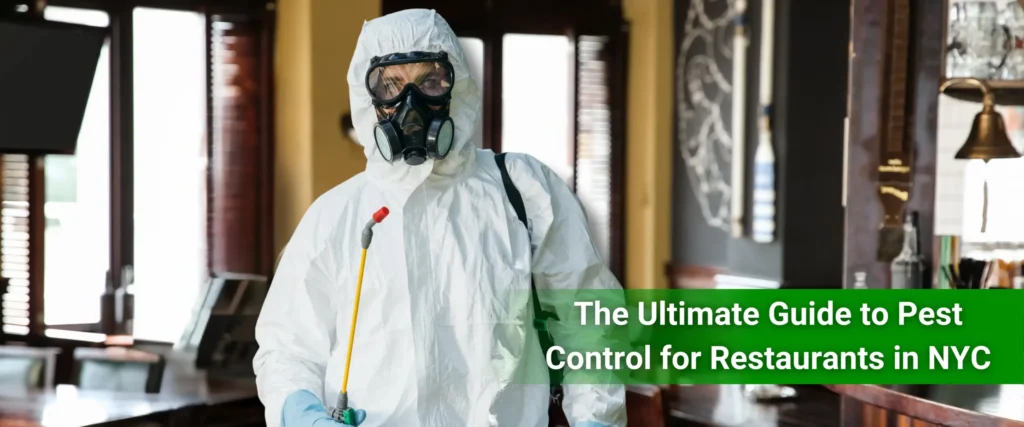
The Ultimate Guide to Pest Control for Restaurants in NYC

The Ultimate Guide to Pest Control for Restaurants in NYC In the bustling world of New York City restaurants, there’s one enemy every business owner dreads: pests. A pest-free environment isn’t just a nicety – it’s a critical factor for success. This guide provides comprehensive information on pest control for NYC restaurants, helping you maintain a clean, healthy, and thriving establishment. Why Pest Control is Essential for NYC Restaurants New York City is a haven for food – and unfortunately, that can also attract unwanted guests. Restaurants, with their constant supply of food scraps and warm environments, are particularly susceptible to pest infestations. From scurrying cockroaches to disease-carrying rodents, even a minor pest problem can have disastrous consequences. Here’s why pest control is a non-negotiable for NYC restaurants: Health Inspections: The New York City Department of Health and Mental Hygiene conducts surprise inspections, and a single pest sighting can lead to a failing grade. This not only tarnishes your reputation but can also force closures until the infestation is addressed. Customer Satisfaction: The sight of a roach or a buzzing fly can send shivers down a diner’s spine. A pest-free environment ensures a pleasant dining experience, keeping customers happy and returning for more. Overall Business Success: Negative online reviews about pest sightings can cripple a restaurant’s reputation. Maintaining a clean and pest-free environment protects your investment and paves the way for long-term success. NYC’s Unwanted Guests: Common Restaurant Pests Knowing your enemy is half the battle. Here are some of the most common pests that plague NYC restaurants: Rodents: Rats and mice are notorious for squeezing through tiny cracks and seeking out food sources. They can contaminate food with droppings and bacteria, posing a serious health risk. Cockroaches: These resilient insects can survive in various environments and spread diseases like dysentery and salmonella. Their presence is a major red flag during health inspections. Flies: Fruit flies, houseflies, and drain flies are not only annoying but can also transmit bacteria from unsanitary areas to food prep surfaces. Stored Product Pests: Weevils, moths, and beetles can infest dry goods like flour, grains, and cereals, causing product spoilage and financial losses. The Price of Neglect: Consequences of Pest Infestations Ignoring a pest problem is a recipe for disaster. Here are the potential consequences of pest infestations in NYC restaurants: Health Risks: Pests can contaminate food with harmful bacteria, leading to foodborne illnesses among customers and staff. Fines: The NYC Department of Health can impose hefty fines for violations related to pest infestations. Legal Issues: Customers who become sick after dining at your establishment may file lawsuits. Reputational Damage: News of a pest infestation can spread quickly, damaging your restaurant’s reputation and driving away customers. By taking proactive measures with pest control, you can prevent these costly and damaging consequences.  Choosing the Right Restaurant Pest Control Company in NYC When a cockroach scurries across your kitchen floor, or you hear the telltale skittering of mice in the walls, finding a reliable pest control company becomes a top priority. But with a vast array of options in NYC, selecting the right partner can feel like navigating a maze. Here’s how to find reputable restaurant pest control companies that effectively addresses your needs and keeps your establishment pest-free: Certifications and Licenses: Ensure the company holds valid licenses from the New York State Department of Environmental Conservation (NYSDEC) and adheres to Integrated Pest Management (IPM) principles. Food Service Industry Experience: Choose a company with a proven track record in the restaurant industry. They should understand the unique challenges restaurants face and be familiar with regulations specific to food service establishments. Customer Reviews and Testimonials: Research online reviews and ask for references. Positive feedback from satisfied restaurant owners is a strong indicator of the company’s effectiveness. Beyond one-time treatments, ongoing pest management programs are crucial:  These programs involve regular inspections, targeted treatments, and ongoing monitoring to prevent future infestations. Look for companies that offer customized programs tailored to your specific needs and pest concerns. Restaurant Insect Control Strategies: Prevention is Key The best defense against pests is a proactive approach. Here are some essential strategies for keeping insects at bay in your NYC restaurant: Proper Food Storage: Store all food items in airtight containers, off the floor, and away from walls to eliminate potential harborage areas for pests. Waste Management: Dispose of food scraps and waste promptly. Use sealed trash cans and ensure they are emptied regularly to prevent overflowing bins that attract pests. Cleaning and Maintenance: Maintain a clean and sanitized environment. Regularly clean floors, counters, and behind appliances to eliminate food debris and potential hiding spots for insects. Insect Traps and Baits: Strategically place insect traps and baits in areas prone to pest activity. Monitor these traps regularly and replace them as needed. Staff Training is Essential:  Educate your staff on proper sanitation practices, food storage procedures, and early signs of pest activity. Empower them to report any pest sightings immediately. What type of pesticides can you use in a restaurant? Keeping your NYC restaurant pest-free is essential, but navigating the legalities and safety concerns surrounding pesticide use can be confusing. This section clarifies the regulations, application procedures, and best practices for using pesticides in your establishment. Understanding the Rules of the Game: NYC restaurants operate under a strict regulatory environment when it comes to pesticide use. Here’s a breakdown of the key points: Limited Application: The use of pesticides in food service establishments is heavily restricted. In most cases, restaurant owners cannot personally apply pesticides. Focus on Prevention: The emphasis is on preventative measures like proper sanitation, food storage, and ongoing monitoring for pest activity. Pesticide use should be a last resort. Licensed Professionals Only: Only certified commercial pesticide applicators can apply pesticides in a food service establishment. These professionals have the knowledge and training to handle pesticides safely and effectively, minimizing risks to food and customer health. Who Can Apply Pesticides In A Food Service Establishment? Since restaurant owners are generally prohibited from

Seasonal Pest Control
Eco-Friendly Pest Control

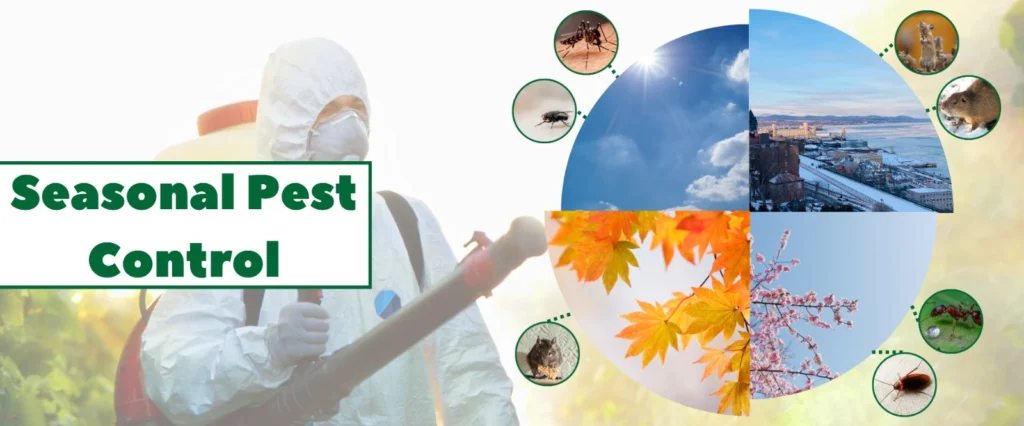
Essential Seasonal Pest Control Tips for NYC Homeowners

Essential Seasonal Pest Control Tips for NYC Homeowners Living in a vibrant city like NYC has its perks, but it also comes with unwelcome guests – pests. From ants to cockroaches and even the occasional rodent, these intruders can wreak havoc on your home, spreading disease, damaging property, and disrupting your peace of mind. Here’s why a proactive approach to pest control is crucial for NYC homeowners: Health Risks: Pests can carry and transmit a variety of diseases, some of which can be serious. Rodents, for example, can transmit diseases like hantavirus and leptospirosis, while cockroaches can trigger allergies and asthma. Property Damage: Rodents with their sharp teeth can gnaw on wires, furniture, and insulation, leading to costly repairs. Some insects, like termites, can cause structural damage by burrowing through wood. Nuisance: Let’s face it, no one enjoys sharing their living space with creepy crawlies. Pests can be unsightly, unsettling, and disrupt your enjoyment of your home. NYC’s Seasonal Pest Parade: Challenges Throughout the Year New York City’s distinct seasons bring unique challenges when it comes to pest control. Here’s a breakdown of the year and the specific pest threats to watch out for: Spring: As the weather warms, overwintering pests like cockroaches and ants become more active, seeking food and water indoors. This is also the time when mice and rats become more prolific breeders. Summer: Hot, humid summers create perfect breeding grounds for mosquitoes, flies, and other moisture-loving insects. Additionally, increased outdoor activity can lead to accidental introductions of ticks and fleas into your home. Fall: As the temperatures drop, pests like spiders and rodents seek warm shelter indoors, making this a prime time for increased activity. Winter: While some cold-blooded pests become less active, winter can also see an influx of mice and rats seeking warmth as their natural habitats dwindle. Conquering the Seasons: Essential Pest Control Strategies With this understanding of NYC’s seasonal pest challenges, we can now delve into the heart of this blog: developing a strategic plan to keep pests at bay throughout the year. We’ll explore specific tactics for each season, from preventative measures to effective elimination techniques, empowering you to create a pest-free haven in your NYC home. Spring Pest Prevention in NYC: Keep Your Home a Heaven Spring brings warmer weather, blooming flowers, and unfortunately, a resurgence of unwanted guests – pests! As New Yorkers, we know these critters can be a real nuisance. This guide will equip you with the knowledge and strategies to keep your home pest-free this spring. Identifying Common Spring Pests Ants: These tiny but persistent insects emerge in droves searching for food sources. Warmer weather and melting snow can expose hidden crumbs and attract them indoors. Termites: Spring is prime swarming season for these wood-destroying insects. Moisture from spring rains can activate their nesting sites, and they may seek new territories near your foundation. Rodents (Mice & Rats): As the winter chill subsides, these resourceful rodents become more active, searching for food and nesting sites. Your cozy apartment might seem like the perfect haven! Why Spring Makes Pests Prevalent Warmer Temperatures: Increased warmth awakens many pests from dormancy and triggers breeding activity. Melting Snow: Spring thaws can reveal hidden food sources for pests and expose potential entry points around your foundation. Increased Moisture: Spring rains create damp environments ideal for breeding and attracting moisture-loving pests like roaches and millipedes. Prevention Tips: Take Control This Spring Sealing Entry Points: This is your first line of defense! Inspect windows, doors, foundations, and utility lines for cracks, gaps, or holes. Caulk any openings and replace damaged weather stripping to prevent unwanted visitors. Regular Inspection of Home and Garden: Be a pest detective! Regularly check for signs of infestation like droppings, gnaw marks, or unusual trails. In your garden, remove debris piles, trim overgrown branches away from your house, and address any standing water sources like clogged gutters. Natural Deterrents and Barriers: Utilize natural repellents strategically. Peppermint oil can deter ants, while bay leaves might discourage roaches. Diatomaceous earth, a natural powder, can act as a physical barrier for crawling insects. Professional Pest Control Services: When DIY Isn’t Enough Sometimes, DIY methods aren’t sufficient. Here’s why calling a professional pest control service can be your best bet: Expertise: Licensed professionals have the knowledge and experience to identify specific pests and implement targeted treatment plans. Safe and Effective Solutions: They use professional-grade products that are safe for your family and pets while effectively eliminating pests. Long-Term Prevention: Professional companies can identify and address the root causes of pest problems, preventing future infestations. Summer Pest Management Strategies: Keep Your Oasis Pest-Free Summer beckons us outdoors with warm sunshine, barbecues, and evenings spent enjoying the fresh air. Unfortunately, these pleasant moments can be marred by unwelcome guests – summer pests! From buzzing flies to stinging wasps, these critters can turn your outdoor haven into a battleground. But fear not, with the right strategies, you can reclaim your summer paradise. Common Summer Pests: Uninvited Guests at Your Doorstep Mosquitoes: These notorious bloodsuckers thrive in warm, humid conditions, making summer their prime time. They not only leave itchy bites but can also transmit diseases. Flies: Fruit flies, houseflies, and gnats find summer a breeding bonanza, attracted to food scraps, spills, and garbage. Their presence can be unsanitary and downright annoying. Wasps & Bees: While both play a vital role in the ecosystem, their stings can be painful and even life-threatening for those with allergies. Summer is peak season for their activity, especially around sugary drinks and flowering plants. Other Insects: From ants on the prowl for crumbs to beetles seeking shelter, summer brings an increase in various insects that can become a nuisance. Why Summer Brings a Surge in Pest Activity Warm Temperatures: Increased heat fuels insect metabolism and reproduction, leading to population booms. Humidity: Mosquitoes and other moisture-loving pests thrive in humid environments, making summer ideal for them. Food & Water Abundance: Summer barbecues, picnics, and overflowing trash cans create a smorgasbord for

Household pests in NYC
Eco-Friendly Pest Control

Your Guide to Conquer General Household Pests in NYC

Big City, Tiny Critters: Your Guide to Conquer General Household Pests in NYC Living in a vibrant metropolis like New York City comes with undeniable perks. But alongside the hustle and bustle can creep in some unwelcome guests – household pests. From scuttling roaches to midnight snacking mice, these tiny intruders can disrupt your peace of mind and even pose health risks. Don’t let these creepy crawlies take over your apartment! This guide equips you with the knowledge and strategies to keep your NYC home pest-free. Most Common Bugs in NYC Apartments Cockroaches Cockroaches are one of the most notorious pests in NYC. They thrive in warm, moist environments and are typically found in kitchens and bathrooms. Common cockroach species include the American cockroach, German cockroach, and Oriental cockroach. They can contaminate food, trigger allergies, and spread diseases. Bed Bugs Bed bugs are small, reddish-brown insects that feed on human blood. They are most active at night and can be found in mattresses, bed frames, and furniture. Bed bugs are known for their itchy bites and can be difficult to eradicate once they infest a home. Ants Ants are common in NYC apartments, particularly in the warmer months. Species like the pavement ant and the odorous house ant are often seen. They enter homes in search of food and can be a persistent problem if not addressed promptly. Rodents Rodents, including mice and rats, are a significant concern in NYC. They can cause structural damage, contaminate food, and spread diseases. Rodents are adept at finding entry points into buildings and can reproduce quickly, making infestations challenging to control. General Signs of Pest Infestation Visual Signs       Droppings: Pest droppings are a clear sign of an infestation. The size and shape of droppings can help identify the pest.         Damage to Structures or Belongings: Gnaw marks, holes in walls, chewed wires, and damaged furniture are indicative of pest activity.         Nests: Rodents and insects often build nests in hidden areas, such as inside walls, attics, or basements. Auditory Signs         Noises Within Walls or Under Floors: Scratching, squeaking, or scurrying sounds can indicate the presence of rodents or larger insects moving around. Sensory Signs         Unusual Smells: A strong, musty odor can be a sign of a pest infestation, particularly from rodents or cockroaches. Battling Back: Prevention and Management Strategies Don’t wait for a full-blown infestation! Here’s a two-pronged approach to keep pests at bay: Natural Allies: Indoor Plants for Insect Repellent Nature offers a helping hand! Certain plants have properties that deter pests. Consider incorporating these into your décor: Basil: The fragrant leaves repel flies and mosquitoes. Lavender: The scent discourages moths and some flies. Mint: The strong aroma repels ants and some other crawling insects. Best Practices for Incorporating These Plants into Your Home Place these plants in areas where pests are likely to enter, such as near windows, doorways, and kitchens. Regularly prune and care for the plants to ensure they remain healthy and effective. Placement Strategies for Maximum Effectiveness Strategically position the plants in pest-prone areas. For instance, place lavender near sleeping areas to ward off mosquitoes, and basil in the kitchen to keep flies away. A Multi-Faceted Approach: Natural and Chemical Solutions Natural Remedies: For mild infestations, try these DIY solutions: Diatomaceous Earth: This powder dehydrates insects with its abrasive texture. Peppermint Spray: Mix peppermint oil with water to deter ants and roaches. Borax Traps: Combine borax with sugar to create an attractive yet fatal bait for ants and roaches. Chemical Treatments: For severe infestations or persistent problems, consider professional help. A licensed pest control company can assess the situation and recommend the most effective treatment plan, while ensuring safety and proper application of chemicals. Keeping Your Home a Pest-Free Paradise Even after tackling an infestation, vigilance is key to prevent future problems: Routine Inspections: Regularly check for signs of pests, especially in high-risk areas like kitchens, bathrooms, and behind furniture. Long-Term Strategies: Seal cracks and crevices in walls and around pipes. Store food in airtight containers. Empty trash cans regularly and keep them clean. Address any moisture issues like leaky faucets or condensation. By following these tips and creating a pest-unfriendly environment, you can enjoy a peaceful and healthy home, free from unwanted creepy crawlies. Conclusion Effective pest management is essential for a healthy, comfortable home. By being proactive and utilizing natural methods like indoor plants, you can prevent and control pest infestations. Regular maintenance and early detection are key to maintaining a pest-free environment. FAQs Commonly Asked Questions About Pest Infestations and Their Management What should I do if I find droppings in my home? Identify the type of pest and clean the area thoroughly. Set traps or use natural remedies and consider calling a professional if the problem persists. How can I prevent bed bugs when traveling? Inspect hotel rooms for signs of bed bugs, keep luggage off the floor, and wash clothing immediately upon returning home. Are natural pest control methods effective? Yes, many natural methods can be highly effective, especially when combined with good housekeeping practices and regular maintenance. When should I call a professional pest control service? Call a professional if you have a severe infestation, repeated issues, or if natural and DIY methods are not working.

Termite barriers and effective solution
Termites

Fortress Guide for Termite Barriers for existing homes and Effective Solutions

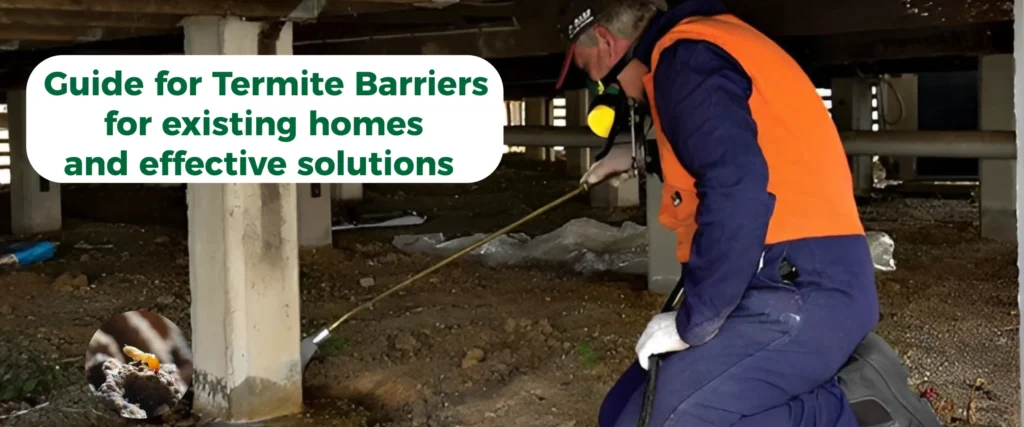
Fortress Guide for Termite Barriers for existing homes and Effective Solutions For many American homeowners, termites are a constant worry. These silent destroyers can munch away at the structural integrity of your home for years before you even notice a problem. This blog post will serve as your fortress guide to understanding termite barriers, a crucial element in any homeowner’s termite defense plan. Termite Barriers: Your Home’s Defensive Line When it comes to protecting an existing home from termite damage, termite barriers are still a crucial defensive measure. Here’s how termite barriers can be implemented for an existing home: Chemical Treatments: Professional pest control services can apply liquid termiticides around the perimeter of your home. This creates a chemical barrier that repels or kills termites as they attempt to enter. Regular reapplication may be necessary to maintain effectiveness. Baiting Systems: Installing bait stations strategically around the exterior of your home can help monitor and control termite activity. These stations contain termite attractants combined with a slow-acting toxic substance. Termites feed on the bait and carry it back to their colony, gradually eliminating the infestation. Physical Barriers: Physical barriers, such as metal termite shields or crushed stone barriers, can be installed around vulnerable areas like foundation walls, plumbing penetrations, and crawl spaces. These barriers create obstacles that termites must navigate around, reducing the likelihood of infestation. Sealing Cracks and Gaps: Seal any cracks or gaps in your home’s foundation, walls, and utility entry points. Termites can exploit even tiny openings to gain access to your home, so thorough sealing can help prevent infestations. Regular Inspections: Schedule regular termite inspections by a qualified pest control professional. They can identify early signs of termite activity and recommend appropriate treatment or barrier reinforcement measures. Wood Treatment: Treat wooden structures in and around your home with termite-resistant chemicals or coatings. This can help deter termites from feeding on the wood and reduce the risk of infestation. Moisture Control: Termites are attracted to moisture, so ensure proper drainage around your home’s foundation and fix any leaks promptly. Keeping the soil around your home dry can make it less hospitable to termites. Does Chlorine Kill Termites?: Myth vs. Reality Chlorine, in the form of household bleach, is often a suggested DIY remedy for termite infestations. However, the reality is that bleach is not an effective solution for termite control. Here’s a breakdown: Myth: Chlorine (bleach) kills termites and eliminates the colony. Reality: Bleach can kill termites on direct contact, but that’s a minor victory. Termite colonies reside deep underground (subterranean termites) or within the wood itself (drywood termites). Bleach can’t reach these areas and eliminate the entire colony. Here’s why using bleach for termites is a bad idea: Ineffective for the colony: As mentioned, bleach doesn’t target the source of the problem – the nest. Damages property: Bleach is corrosive and can harm your foundation, pipes, and other structures. Potential health risks: Bleach fumes can be hazardous, and improper handling can cause skin irritation or respiratory problems. Safety Considerations and Proper Application Methods Termite barrier applications, especially those using chemicals, require precautions to ensure the safety of yourself, your family, and pets. Here’s what to keep in mind: Chemical Hazards: Many termite barrier products contain insecticides that can be harmful if mishandled. Always read and follow the manufacturer’s instructions on the product label. Protective Gear: Wear appropriate personal protective equipment (PPE) during application. This may include gloves, eye protection, long-sleeved clothing, and a respirator (depending on the product). Children and Pets: Keep children and pets away from the application area during and after treatment until it has dried according to the label instructions. Ventilation: Ensure proper ventilation during and after application. Open windows and doors to allow fumes to escape. Proper Application Methods for Termite Barriers There are two main types of termite barriers: soil treatments and termite baiting systems. Each has its own application method: Soil Treatment: Professional application is highly recommended: Termite control products can be complex and require proper licensing for application. Trenching: In some cases, a professional may create a trench around the foundation of your home and fill it with the termiticide. Rodding: Alternatively, they may inject the termiticide into the soil around the foundation through small holes drilled at specific intervals. Broadcast application: For some products, a surface application around the foundation may be sufficient. Termite Baiting Systems: Bait stations are placed strategically around the foundation of your home, both inside and outside. These stations contain a slow-acting bait that termites consume and share with others in the colony, ultimately eliminating it. Regular monitoring by a pest control professional is necessary to ensure the effectiveness of the baiting system. Dealing with Termites in Fences: The Outer Line of Defense While termite barriers focus on protecting your home’s foundation, it’s important not to forget your property’s outer perimeters, especially wooden fences. This section will equip you to identify and combat termite threats in your fence: Common signs of termite infestation in fences: Visible Damage: Look for hollowed-out or damaged wood. Termites consume wood from the inside out, leaving a thin veneer of timber or paint on the surface. Mud Tubes: Termites build mud tubes, pencil-sized tunnels made of soil, wood particles, and saliva, to travel between the ground and the wood they’re infesting. These tubes often appear along the exterior of fences. Discarded Wings: After swarming, termites shed their wings. If you notice piles of discarded wings near your fence, it could indicate a termite presence. Frass: Termite droppings, known as frass, resemble small piles of sawdust or wood pellets. You may find them accumulating near the base of your fence or within crevices. Blistering or Bubbling Paint: Termites can cause moisture buildup within the wood, leading to paint that appears blistered or bubbling on the surface. Sagging or Buckling Wood: As termites weaken the structural integrity of wood, fences may start to sag, buckle, or appear uneven. Tapping Sounds: If you tap on wood near the infested area and hear

Scroll to Top