Marquee Text
Limited-Time Discount: Save $50 on Your First Service as a New Customer!

Author name: temp_user

pest control solutions
Uncategorized

Top Pest Control Solutions for Homes and Businesses in 2026

Start with smart prevention, it cuts pests and costs Prevention is the lock on the front door. Treatment is the clean up after a break in. Do both, but start with the basics so infestations don’t get a head start. A good plan also lowers the pest control cost over time. That matters in NYC, where shared walls and busy trash areas can feed repeat problems. Find entry points and fix moisture first Most pests don’t “move in”, they slip in. Seal gaps around baseboards, radiator pipes, and cable lines. Add door sweeps that touch the threshold, and fix bent screens. In brownstones, check cellar windows and sidewalk doors. In offices and restaurants, inspect pipe chases under sinks and behind dishwashers. Moisture is the magnet. Leaks and damp basements drive roaches, ants, flies, and rodents because they all need water. High humidity also softens paper and wood, which becomes easy nesting material. Fix dripping traps, sweating pipes, and slow drain lines. Run a dehumidifier where it makes sense, and keep storage off the floor. Clutter control matters in small apartments. Cardboard stacks and crowded closets give pests safe hiding spots. Swap cardboard for sealed plastic bins, and leave a small gap from walls for easier inspection. Weekly checklist for owners or managers: If you manage multiple units, share simple guidance with tenants. Consistent habits support residential pest control across the whole building. For help building a home-focused plan, se Residential Pest Control Solutions in NY. Sanitation routines that work in kitchens, breakrooms, and trash areas Clean doesn’t mean spotless, it means not feeding pests. Store food in sealed containers, including pet food. Wipe crumbs daily in breakrooms, and clean under microwaves and fridges weekly. In commercial kitchens, remove grease film from splash zones and behind equipment. Grease is slow food that keeps roaches coming back. Trash timing is a real control step. Tie bags tightly, use bin liners, and take garbage out before it sits overnight. Rinse bottles and cans, then bag recycling. In restaurants, keep dumpster lids closed, and place dumpsters away from doors when possible. Two common mistakes cause repeat infestations: Keep routines simple and steady. That’s the backbone of home pest control and it’s just as important in a busy office. Top pest control solutions for the pests New Yorkers face most Once prevention is in place, choose targeted treatments that match the pest. Many DIY steps are fine for early activity. When you see spread, daytime sightings, or repeated returns, it’s time for professional pest control. A solid provider should inspect, explain risks, and set follow ups. For a broader view of options, start with NYC Comprehensive Pest Control Services. Safety note: keep kids and pets away from treated areas until products are dry and the label allows re-entry. In food spaces, protect prep surfaces, follow label directions, and never spray dishes or utensils. Roaches and ants, use baits, crack and crevice work, and follow up Baits beat panic sprays for most NYC roach and ant issues. Gel baits work when placed in tiny dots where pests travel, not smeared everywhere. In kitchens, focus on hinges, toe kicks, pipe openings, and the wall gap behind stoves. Bait stations help in child or pet areas because they reduce contact. Pros often add dust in voids (like wall gaps and behind outlets) and use targeted crack and crevice sprays where needed. Foggers fail because they don’t reach hiding spots, and they can scatter roaches into new rooms. If you see ants marching to one spot, do this: wipe the trail with soap and water, then place bait near the path. If you see roaches in daylight, do this: stop spraying aerosols, reduce clutter, and schedule service. What to expect in the first 7 days: Rodents, combine exclusion with traps and monitoring Traps are safer and more controlled than loose poison. Snap traps work well in homes when placed along walls and behind appliances. In commercial spaces, multi-catch traps can handle higher traffic. Monitoring stations help track movement patterns and measure progress. Sealing matters more than poison because mice and rats keep entering. Close gaps around utility lines, basement doors, and broken vents. In multifamily buildings, rodent issues can be building-wide. Shared walls and trash rooms let problems bounce between units. If you find droppings near food storage, do this: move food into sealed bins, clean with gloves, then set traps that night. To reduce risk around kids and pets, place traps in locked stations or behind heavy appliances, and never leave bait blocks accessible. This is the core of rodent control that lasts. Bed bugs, use a plan that blends heat, targeted products, and prep Bed bugs aren’t a surface problem, they’re a hiding problem. Start with inspection of beds, headboards, baseboards, and seating seams. Interceptors under bed legs help confirm activity and track progress. Steam can kill bugs on contact in seams and cracks, but it takes slow passes and care. Heat treatments can be effective when done correctly, and encasements keep mattresses and box springs from becoming long-term shelters. Residual products may be used carefully in cracks and crevices, not on bedding. Prep list: What not to do: don’t move loose items through halls or to friends’ homes, it spreads the problem. Follow up checks often happen within 10 to 14 days because eggs can hatch after the first visit. When the problem is confirmed, bed bug treatment is rarely a one-and-done job. Termites, choose the right termite treatment for the structure Termites work quietly, so small signs matter. Watch for mud tubes on foundation walls, hollow-sounding wood, and blistered paint. Swarmers near windows in spring are a warning, even if you don’t see damage yet. Bait systems attract termites to stations, then reduce the colony over time. Liquid barrier treatments create a treated zone around or under the structure to stop entry. The best fit depends on the building type, soil access, and where activity is found. If you spot mud tubes, do this:

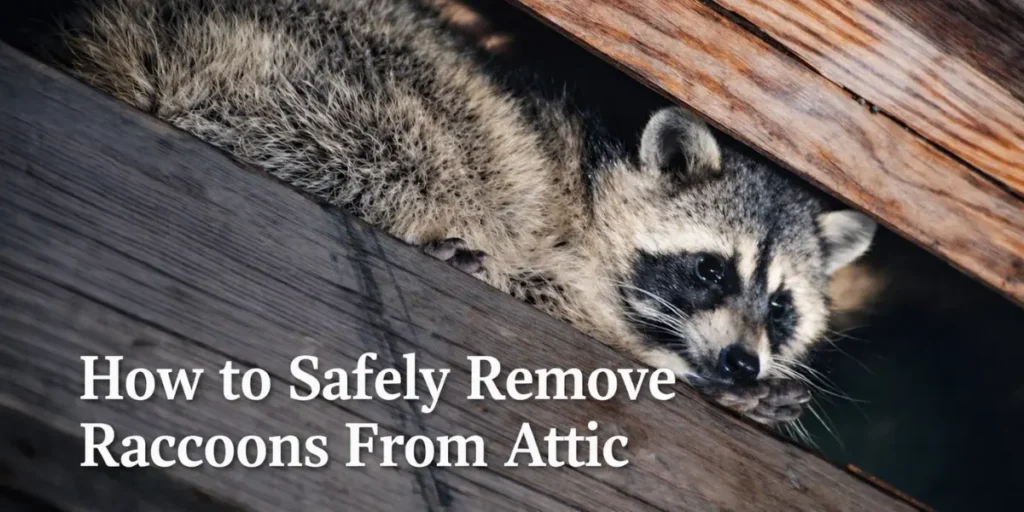
A Raccoon hiding in Attic indicating safe Raccoon Removal in NYC.
Wild life

How to Safely Remove Raccoons From Your Attic in NYC

Raccoons in an attic are not just a nuisance; they’re a safety, legal, and structural problem. In New York City, raccoons commonly enter homes through rooflines, soffits, and vents, especially during colder months or nesting season. While it’s tempting to “handle it yourself,” improper removal can put people, pets, and the animals at risk, and may violate state wildlife laws. Safe, humane removal requires the right approach for raccoon control. Why Raccoons Choose NYC Attics NYC homes offer raccoons exactly what they’re looking for: warmth, shelter, and protection from predators. Brownstones, townhomes, and multi-unit buildings often have shared rooflines, fire escapes, and ageing construction that create easy access points. During winter, attics provide warmth; in spring, they become ideal nesting spaces for mothers and babies. Once a raccoon successfully nests in an attic, it often leaves scent markers. These cues make the space attractive for return visits, which is why infestations tend to repeat if the structure isn’t properly secured. Signs You Have Raccoons in Your Attic Raccoons are large and noisy. Common indicators include: Raccoon activity is typically more forceful than squirrels or rodents, which helps identify the problem early before serious structural damage sets in. Why DIY Raccoon Removal Is Risky Removing raccoons yourself can create more problems than it solves. Cornered raccoons may act aggressively, especially when babies are present. Separating a mother from her kits often leads to frantic attempts to re-enter the attic, increasing damage and noise. Most failed DIY attempts don’t remove raccoons at all; they push them deeper into wall cavities or force them to chew new exits. This raises health risks, structural damage, and cleanup costs, while still leaving the infestation unresolved. NYC & New York State Wildlife Laws (What You Must Know) In New York, raccoons are classified as wildlife and are protected under state regulations. Removal must be humane and follow specific rules. Key legal points: Authoritative sources: Professional wildlife operators are trained to comply with these rules and avoid legal issues. When DIY Makes Sense: DIY efforts are useful for prevention, not removal. Appropriate steps include trimming tree branches near roofs, securing trash bins, and reinforcing vents or chimney caps, but only after raccoons are safely removed. Preventive DIY work is most effective once professionals confirm the attic is clear. Attempting these steps while animals are still inside often makes the situation worse. How Professional Raccoon Removal Works in NYC Professional wildlife removal focuses on safety, legality, and long-term prevention. A proper process typically includes: This approach stops repeat infestations rather than just relocating the problem. Why Raccoons Keep Coming Back Without Exclusion Raccoons have strong nesting memory and will return to proven shelter sites for years. Simply removing the animal without sealing all entry points invites repeat infestations, sometimes by different raccoons. In NYC’s interconnected buildings, exclusion is the deciding factor between a one-time fix and a recurring problem. When to Call a Professional: Professional help is necessary as soon as raccoon activity becomes persistent or aggressive. Warning signs include: Waiting during nesting season almost always increases damage and repair costs, as raccoons become more defensive and destructive while protecting their young Conclusion Raccoons in an attic are not a DIY project. In NYC, safe removal requires humane handling, legal compliance, and proper exclusion to prevent repeat entry. Acting early protects your home, avoids legal complications, and ensures the animals are handled responsibly. If you suspect raccoons in your attic, schedule a professional wildlife inspection. A trained expert can remove animals safely, follow New York wildlife laws, and secure your home against future infestations, saving you time, money, and stress. FAQs Is it legal to remove raccoons yourself in NYC?Laws are strict. Improper trapping or relocation can be illegal. Professional removal ensures compliance. What if there are baby raccoons in my attic?This requires humane handling and timing. Removing the mother alone often causes more damage. Are raccoons dangerous to people or pets?They can be aggressive when threatened and may carry parasites or diseases. Will sealing one hole stop raccoons?No. Homes usually have multiple entry points. Comprehensive exclusion is necessary. How long does professional raccoon removal take?Initial removal can be quick, but full prevention includes inspection and exclusion work.

NYC wildlife removal image showing raccoons, bats, and a skunk near a house, common urban wildlife problems in New York City.
Wild life

NYC Wildlife Pests (Raccoons, Squirrels, Possums) & What You Can Do About It

Living in New York City means sharing space, sometimes unwillingly, with wildlife. Raccoons on rooftops, squirrels in attics, and possums under decks aren’t signs of neglect; they’re a side effect of dense housing, ageing buildings, and green pockets woven into the city. These animals are smart, adaptable, and persistent. The trick is knowing what you can realistically do yourself, and when it’s time to bring in professionals. Why Wildlife Targets NYC Homes Urban wildlife isn’t wandering randomly. NYC buildings offer warmth, shelter, and reliable food. Brownstones, townhomes, and multi-unit buildings often have shared roofs, utility gaps, fire escapes, and trees close enough to act like ladders. Seasonal pressure adds fuel: winter pushes animals indoors, while spring brings nesting and babies, which dramatically increases activity and damage. The Most Common NYC Wildlife Pests Raccoons Raccoons are powerful climbers and problem-solvers. They tear into rooflines, soffits, and attic vents. Once inside, they destroy insulation, damage wood, and create strong odours from droppings and nesting material. If babies are present, adults can become aggressive when disturbed. Squirrels Squirrels are smaller but more destructive over time. They chew constantly, wood, wiring, ductwork, because their teeth never stop growing. Scratching or scampering sounds during early morning hours are classic signs. Left alone, squirrels can turn attics into fire hazards. Possums Possums usually stay under decks, porches, or crawl spaces rather than attics. They’re less destructive structurally, but their droppings, parasites, and tendency to return make them a recurring nuisance near trash storage areas. Risks You Shouldn’t Ignore Wildlife infestations are more than noise problems. Common risks include: The longer animals remain, the harder and more expensive removal becomes. What You Can Try Yourself (DIY Measures) DIY steps can help reduce activity or prevent new entry, but they rarely solve an active infestation. You can try: These steps work best as preventative maintenance, not removal. If animals are nesting, DIY often pushes them deeper into the structure or encourages them to find another way back in. Why DIY Often Fails in NYC New York homes aren’t isolated structures. Shared walls, connected rooflines, and hidden utility pathways mean animals can enter from places you can’t access. Blocking one hole often leads to another opening elsewhere, out of sight and harder to fix. Repellents or noise without proper exclusion can trap animals inside walls or separate mothers from their young, making the situation worse and sometimes illegal. When Professional Wildlife Removal Makes Sense Professional wildlife removal focuses on humane removal, legal compliance, and long-term prevention. It typically includes: Local regulations protect certain species, and improper removal can lead to fines or repeated infestations. Professionals understand nesting seasons and the quirks of urban structures. Conclusion Wildlife issues in NYC homes escalate fast. Raccoons, squirrels, and possums exploit small gaps, shared structures, and seasonal pressure to move indoors. DIY steps can reduce attraction, but active infestations usually require humane removal and proper exclusion to stop repeat entry. Acting early limits damage and protects your home. Hearing noises or seeing wildlife damage? Book a professional wildlife inspection to remove animals safely, seal entry points, and prevent the problem from coming back. Early action saves time, money, and peace of mind. FAQs 1) Is it legal to remove wildlife on my own? Laws vary by species and season. Many animals are protected, especially during nesting. Improper removal can be illegal and make the situation worse. 2) Why do animals keep coming back after I block a hole? Urban homes often have multiple hidden entry points. Sealing one without addressing the rest usually redirects animals rather than stopping them. 3) Are repellents and ultrasonic devices effective? They may discourage animals briefly, but wildlife adapts quickly. These tools are best for prevention, not active infestations. 4) What if there are babies in my attic? This requires careful, humane handling. Separating mothers from young can cause damage, odors, and legal issues. 5) How long does professional wildlife removal take? Initial removal can be quick, but full resolution includes exclusion and prevention work. The goal is long-term control, not a temporary fix. 6) Will wildlife damage stop immediately after removal? Noise usually stops right away, but repairs and exclusion are essential to prevent new animals from exploiting the same weaknesses. 7) How can I prevent wildlife problems in the future? Regular inspections, trimming overhanging branches, securing trash, and maintaining vents and rooflines are the most effective long-term steps.

Close-up of bed bugs on mattress fabric showing why bed bug infestations in NYC apartments are difficult to eliminate
Bed Bug

Why NYC Bed Bugs Are So Hard to Kill? And What Actually Works

Bed bugs in NYC are a different kind of challenge. They spread quickly through busy transit, dense housing, and shared walls, then hide deep in seams and cracks where sprays can’t reach. Even clean apartments can develop bed bugs because the source is often previous tenants, neighboring units, hotels, rideshares, or laundry facilities. Once inside, bed bugs survive longer than most people expect and can stay hidden for weeks without feeding. That’s why “just spraying” or tossing a mattress rarely solves the problem. Core reasons they persist in NYC Bed bugs don’t disappear because you’re doing something wrong, they stick around because they’re biologically and structurally designed to survive, especially in cities like New York. 1. Why Bed Bugs Are So Hard to Kill Bed bugs didn’t become “difficult” by chance. Over decades, they evolved resistance to many standard insecticides, developed strong survival strategies, and learned to hide in places people rarely inspect. In a high-density city, these traits allow them to spread long before anyone notices. Key survival advantages Bed bugs don’t need constant blood meals or accessible food sources, they just need a place to hide, and NYC apartments are full of them. 2. NYC Conditions That Make Bed Bugs Worse Bed bugs can appear in any city, but certain NYC realities keep them in circulation.Crowded housing, shared laundry rooms, frequent move-ins, and heavy travel traffic mean bed bugs get reintroduced constantly, so even if one apartment clears an infestation, a new one may arrive months later. Urban pressures that fuel repeat infestations In NYC, bed bug control isn’t just about elimination, it’s about breaking the reinfestation cycle. 3. Why DIY Bed Bug Treatments Fail in NYC Apartments Most DIY methods don’t fail because people use them incorrectly, they fail because bed bugs are built to outlast them. Over-the-counter sprays can kill exposed bugs, but they rarely reach eggs deep in cracks, seams, electrical outlets, floor gaps, and furniture joints. Bed bugs also tend to hide where pesticides can’t safely be applied, making simple “spray and wait” approaches unreliable. Common reasons DIY attempts fall short: DIY efforts often delay the problem rather than solve it, which gives bed bugs more time to spread through hallways, risers, and shared walls, especially in multi-unit NYC buildings. 4. Bed Bug Biology: How Their Survival Works Against You Understanding how bed bugs live and reproduce explains why they linger despite cleaning and spraying. Bed bugs don’t need much to survive, and their biology gives them multiple “backup systems” that keep populations alive even after treatments. Survival traits that matter during treatment: Biology isn’t the enemy, misalignment between biology and treatment is.If treatments don’t account for eggs, heat thresholds, and reinfestation pathways, bed bugs return even after multiple service visits. 5. What Actually Works Against NYC Bed Bugs Bed bug control works when it reaches all life stages and matches how they actually live in NYC apartments and high-rise buildings. In practice, that usually means a planned treatment program, not one-off spraying. Evidence-based methods that work in NYC: These tools are most effective when used by licensed bed bug professionals who understand resistance patterns, temperature thresholds, and where infestations typically hide in NYC-style buildings. What professional exterminators add: The goal isn’t just to kill visible bugs once; it’s to interrupt reproduction, prevent spread, and reduce the chance of the problem starting over. 6. When Professional Bed Bug Pest Control Makes Sense in NYC Not every bite or bug requires a full building response, but there are clear points where professional help is the most realistic option, especially in dense NYC housing. You usually need a professional when: What a good NYC bed bug service focuses on In New York, professional bed bug control is less about “stronger chemicals” and more about systematic inspection, correct treatment, and coordinated follow-up, especially in larger buildings. Conclusion: NYC bed bugs are hard to eliminate because of how they’re built and how the city is built. Resistance to common pesticides, tough eggs, long survival times, and dense multi-unit housing all work in their favor. Real progress comes when treatment targets eggs, nymphs, and adults, reaches the places bed bugs actually hide, and accounts for reinfestation risks from neighboring units and regular city movement. DIY efforts can help reduce activity, but in most NYC apartments and high-rises, long-term control is more realistic with professional bed bug pest control, backed by inspection, the right tools, and structured follow-ups. If you’re dealing with repeat bed bug issues or building-wide activity, scheduling a detailed inspection with a bed bug specialist like Best At Pest Extermination in NYC is a practical next step to understand the real extent of the problem and what it will take to resolve it. FAQS: 1. Why do bed bugs keep coming back even after treatment? Eggs may survive early treatments, and bugs can reenter from neighbors, shared walls, or new travel exposure. Follow-ups are essential. 2. Do I really need a professional exterminator for bed bugs in NYC? In small, early infestations, careful DIY steps can help. But once bed bugs are established, present in multiple rooms, or spreading in a building, professional treatment is usually the only reliable way to eliminate them and reduce the chance of them returning. 3. Do bed bugs become immune to pesticides? Yes. Many NYC populations show pyrethroid resistance, meaning over-the-counter sprays kill fewer bugs than expected. 4. Does heat treatment kill bed bug eggs? Yes, lethal heat above ~118°F (48°C) kills all life stages, but only if temperatures reach deep into furniture and wall gaps. 5. Do bed bugs spread through walls in NYC buildings? They can. Bed bugs move through wall voids, risers, baseboard gaps, hallways, and shared utility pathways, especially in high-rises. 6. Is throwing away mattresses helpful? Not usually. The mattress isn’t the whole infestation, bugs hide in frames, outlets, cracks, and furniture joints. Encasing is more effective. 7. How long can bed bugs live without feeding? Months. Dormancy allows bed bugs to wait out incomplete

Natural spider prevention methods for keeping spiders out of a home during winter using safe pest control solutions
Spider

Natural ways to keep spiders out of your house in Winter

Cold weather encourages us to seal up our homes, run the heater, and enjoy time indoors, but that same warmth draws spiders looking for shelter and dependable food sources. Seeing one spider may not bother you, but spotting them repeatedly in bedrooms, basements, or bathrooms often feels like you’ve lost control of your space. That frustration grows when you want to avoid chemical sprays yet still keep your home comfortable and spider-free. The good news is that natural prevention works, and winter is the best time to make these habits stick. Most homes don’t need harsh products; they just need consistency, small repairs, and scent-based deterrents that make spiders think twice about staying. We’ll walk you through those steps and help you decide when it’s time to call in a professional for deeper support. Why Spiders Come Indoors in Winter Spiders don’t wander inside simply to escape cold air,  they look for warmth, humidity, and hidden places where insects gather. Basements, attics, laundry rooms, and cluttered corners offer moisture and darkness, which together form the perfect winter habitat. If insects survive indoors, spiders naturally follow because their food source is available year-round. Typical winter spider attractors include: Spiders also take advantage of small openings many people miss, so even a home that feels sealed can offer them an easy path inside. Scent-Based Natural Repellents Spiders Avoid Strong natural scents overwhelm how spiders sense their surroundings, making your home less appealing without harming them. Peppermint oil remains the most dependable option because its intensity lingers, especially in corners and along baseboards. Mixing warm water, a few drops of peppermint oil, and mild soap helps refresh high-risk areas every couple of weeks without buildup. Other essential oils spiders tend to avoid: These scents can be used in diffusers or lightly applied to cotton pads placed in concealed corners. When refreshed regularly, they encourage spiders to stay elsewhere. DIY Sprays That Support Natural Prevention Homemade sprays give you flexibility to reapply without worrying about chemical residue, especially in rooms where children or pets spend time. A simple mix of white vinegar and water works near baseboards and around window sills, where spiders often map their entry routes. The acidity disrupts scent trails that attract insects, removing the incentive for spiders to remain. Useful places to apply natural sprays: Consistency matters more than strength. Light, repeated applications guide spiders away instead of forcing them out suddenly. Houseplants That Help Reduce Spider Interest Some plants naturally emit aromas that make certain rooms less appealing to spiders. Lavender and mint offer strong scents that linger whether alive or dried, while eucalyptus helps in moisture-heavy rooms such as bathrooms or laundry areas. These plants don’t eliminate spiders by themselves, but they reduce the insects that spiders follow indoors. Helpful spider-deterring plants to keep in mind: Choosing plant placement based on airflow and humidity helps spread the scent and maintain effectiveness through winter. Habits That Make Your Home Less Appealing to Spiders Cleaning isn’t just about removing webs; it disrupts egg sacs, eliminates insects, and removes the sheltered spaces spiders depend on. Short weekly vacuum sessions around corners and under furniture limit the chance of unnoticed web building. Replacing cardboard boxes with plastic storage bins reduces hidden pockets where moisture and insects gather. Habits that discourage spiders throughout the season: Once their food and hiding spots disappear, most spiders move on voluntarily or never settle in the first place. Entry Points to Seal Before or During Winter Natural deterrents work best when spiders can’t easily enter in the first place. Caulking window frames, replacing worn weatherstripping, and using door draft stoppers strengthen your home’s boundary without major expense. These fixes also reduce heat loss, meaning prevention and energy savings go hand-in-hand. Often overlooked entry points include: Sealing these areas won’t guarantee spiders never enter, but it gives your prevention methods real support. Natural Barriers That Complement Scent-Based Prevention Diatomaceous earth is a powder made from fossilised algae that dehydrates pests crossing it, making certain areas less attractive. It’s best used in basements, crawl spaces, and behind large appliances where pets and children rarely go. Sticky traps don’t stop spiders alone, but they help you locate where activity is strongest so you know where to focus. Where natural barriers work best: These methods don’t act as a cure, but they make prevention more precise. If DIY Fails: When to Consider Professional Spider Control Some homes continue attracting spiders despite steady cleaning, sealing, and scent use,  especially older houses or homes near heavy vegetation. In those cases, book a professional inspection that can help identify structural vulnerabilities that DIY routines can’t reach. This isn’t a defeat; it’s just recognising when guidance makes your efforts more effective. Professionals can support DIY in key ways: Many services offer inspection-only visits, giving you clarity without immediately resorting to chemicals. Local or Situational Insight Homes near wooded areas, parkland, or water sources often face higher winter spider activity because outdoor populations survive well through warmer months. When frost sets in, the contrast between indoor and outdoor temperatures pushes spiders to search for stable shelter. If that describes your area, start prevention so that you can make a noticeable difference in winter. Conclusion Keeping spiders out in winter depends less on chasing spiders individually and more on changing the environment they seek. Natural scents, consistent cleaning, and sealing gaps discourage activity long before spiders settle in. These habits take time, but once established, they reduce sightings season after season, without relying on harsh chemicals. If winter spiders keep returning despite your efforts, it’s time to call a professional inspection that can uncover hidden issues and help you build a focused prevention plan. Sometimes taking that next step is the quickest way to restore peace of mind and make your home a place spiders rarely choose to stay. FAQs Why do spiders show up more in winter? They seek warmth, steady humidity, and insects that survive indoors. Do natural scents really work against spiders? They

Hand holding magnifying glass inspecting bed bugs on mattress in a New York City apartment bedroom.
Bed Bug

How to Tell If You Have Bed Bugs in Your NYC Apartment

When you live in a New York City apartment, the hardest part isn’t panic, it’s uncertainty. A few itchy bumps can send your brain sprinting, but bed bug bites alone aren’t a reliable diagnosis, and guessing can waste weeks. The goal is simple: learn what evidence actually looks like, where to check, and what to do next without making the problem bigger. The fastest way to know: look for physical evidence, not just bites Bed bugs leave a paper trail, and that trail matters more than your skin reaction. Authoritative guidance consistently points to live bed bugs, shed skins (cast skins), eggs and eggshells, and fecal spots as the more reliable signs of an infestation than bite patterns.  Here are the signs that count, and what they usually look like in real apartments: If you find one of these, treat it like a signal to keep inspecting until you confirm with a live bug or multiple signs in the same area.  Where to check first in an apartment (the “NYC layout” approach) Bed bugs tend to hide close to where people sleep or lounge, and NYC guidance notes they commonly hide in mattresses (especially seams) and box springs, plus cracks and crevices in nearby furniture and walls. NYC Government+1 Start with the bed, because it’s the highest-probability zone: Then expand outward like a careful spiral. In NYC apartments, upholstered furniture often sits close to beds, so couch seams and the space between cushions are common second stops, along with drawer joints, and even electrical outlets or gaps around trim if you’re seeing signs beyond the bed area.  How to do a bed bug self inspection without wrecking your apartment A good self inspection is slow, bright, and boring in other words, exactly what bed bugs hate. Use a flashlight, take your time, and focus on seams, corners, and tight folds where bugs cluster and leave fecal staining or shed skins. EPA+1 Two habits make early detection much easier in small NYC spaces: If you’re tempted to spray random pesticides from a hardware store, pause. NYC public health guidance emphasizes safe, label-directed pesticide use, and bed bugs are famously good at surviving sloppy chemical attempts.  NYC-specific realities: what to do if you suspect bedbugs in a building New York City treats bedbugs as a housing condition that owners are legally required to address; NYC Health notes bedbugs are a Class B violation and describes tenant rights and correction expectations. That matters because bed bugs aren’t just a “you” problem in multi-unit buildings, they can move through walls, shared furniture pathways, and cluttered common areas. If you find credible signs, the practical sequence is: One more NYC detail people miss: property owners are required to disclose bed bug infestation history dating back one year to new tenants via a disclosure form (this shows up through HPD and the state form). If you recently moved and suspects started immediately, that document can add useful context. Breakdown: bed bugs vs “look-alikes” (and why bites confuse everyone) In NYC, a lot of “bedbugs vs bed bugs” anxiety is really “bites vs proof.” Skin reactions vary wildly, and some people don’t react much at all, which is why bites aren’t a solid test.  Here’s the calmer way to separate common confusions: If you’re stuck between “maybe” and “probably,” aim your effort at confirming physical evidence. The EPA’s bed bug guidance is a solid reference for what to look for and why those signs matter.  Conclusion Bed bugs are easiest to confirm with evidence, not itchiness. Start at mattress seams and the box spring, then expand to nearby furniture. Look for reddish stains, dark fecal spots, shed skins, eggs, and live bugs. If you suspect bed bugs, don’t wait for the problem to spread into walls, couches, and neighboring units. Book a bed bug inspection in NYC so you can confirm what’s going on and get a treatment plan that actually matches the severity without wasting money on guesswork. FAQs 1) Do bed bug bites mean I definitely have bed bugs? Not necessarily. Reactions vary by person, and bites alone aren’t considered a reliable sign compared to finding live bugs, fecal spots, shed skins, or eggs.  2) What do bed bug fecal spots look like? Often like tiny dark dots that can bleed into fabric like a marker, especially on mattress seams or sheets.  3) Where do bed bugs hide in an apartment? Common hiding places include mattress seams, box springs, and cracks/crevices in bed frames and nearby furniture, plus other tight gaps near where people sleep or lounge. 4) How do I check my mattress seams for bed bugs? Use a flashlight and inspect stitching, piping, tags, and corners slowly. You’re looking for dark spotting, shed skins, eggs/eggshells, or live bugs.  5) Can bed bugs live in couches in NYC apartments? Yes. Upholstered furniture seams and cushion gaps are common spots to inspect, especially if you nap or lounge there regularly.  6) Should I report bed bugs to my landlord in NYC, or call 311 first? NYC guidance points tenants to notify the property owner/manager, and if the condition isn’t addressed, to file a complaint or call 311.  7) What’s the NYC bed bug disclosure form I keep hearing about? HPD notes that New York State law requires owners to disclose a building’s bed bug infestation history for the prior year to new tenants using a bed bug disclosure form. 

Pest Control

Why Your NYC Building Still Has Pests After Spray?

You finally booked the exterminator. They sprayed. You aired out the place. And then… you spot a roach in the bathroom, a mouse darting behind the stove, or fresh bed bug bites that make you question reality. In New York City, this is painfully common because in a multi-unit building, “spray” is usually just one small piece of the puzzle. NYC health guidance is blunt about what actually stops pests from coming back: remove their food, water, shelter, and pathways and fix building conditions like leaks, cracks/holes, and clutter. Spray kills some pests, but it doesn’t fix the building Pests don’t live in your apartment because they love your vibe. They’re there because the building offers: NYC explicitly tells residents to report the conditions that attract pests like leaks and cracks/holes, and escalate via 311 if management won’t fix them.  So if your building still has pests after spray, it’s often because the habitat stayed intact. 9 Reasons NYC pests come back after extermination 1) Your unit got treated, but the building didn’t In NYC, infestations often bounce between apartments through shared walls, pipe chases, hallways, and trash areas. Treating one unit can become whack-a-mole unless the building coordinates inspections and fixes. 2) Entry points weren’t sealed (the #1 “silent failure”) If gaps stay open, pests treat your apartment like a subway stop. NYC materials on building pest-proofing emphasize sealing holes and cracks, door sweeps, and sealing around pipes, risers, gas lines, and electrical lines. 3) Leaks and moisture stayed unresolved Roaches and mice don’t just want food, they want water. NYC guidance repeatedly calls out fixing leaks and moisture problems as core to preventing reinfestation.  4) “Spray-only” is the wrong method for many NYC pests For example, NYC pest guidance warns against foggers and bombs and emphasizes safer, targeted approaches. And NYC’s pest-proofing guidance highlights cockroach bait gels/traps as a standard recommendation in IPM-style work. 5) Eggs and hidden harborages survived A treatment may knock down what’s visible, but pests hide in cracks, behind appliances, wall voids, and under sinks. Without sealing + follow-up, survivors repopulate. 6) Prep wasn’t done (or couldn’t be done) Many treatments depend on access: under-sink cabinets cleared, stove pulled out, clutter reduced. In real NYC apartments, “move everything” is often unrealistic, so the plan needs to adapt (more visits, targeted baits, sealing work). 7) No monitoring + no follow-up visit A legit program checks progress. IPM programs rely on a cycle of inspect → identify → monitor → evaluate → respond, not a one-and-done spray.  8) Overuse of pesticides can backfire NYC warns that pesticides can create health risks and linger on surfaces if misused.The goal is less routine pesticide use, more targeted control. 9) Food and trash access didn’t change NYC specifically recommends storing food in sealed containers and keeping garbage sealed/removed daily as part of keeping pests from returning.  What you should expect after a treatment (and when it’s a red flag) It’s not unusual for residents to still notice pests after the first visit, especially in buildings with shared infestations and structural gaps. Red flags that suggest the plan is failing (not just “in progress”): Pest-specific reality checks (NYC edition) Roaches (especially German roaches) Why roaches return: water access + tiny gaps + neighbouring units + wrong method.NYC’s building materials specifically recommend cockroach bait gels/traps plus sealing and leak repair as core moves.  What works better than “spray-only”: Mice and rats Why mice and rats return: entry points + trash access + exterior issues.NYC pest-proofing guidance calls out door sweeps and sealing holes/cracks and notes how small gaps can be enough for rodents.  What actually moves the needle: Bed bugs Bed bugs are their own boss level. NYC guidance says to expect at least two treatment visits and a third follow-up to confirm elimination, and foggers/bug bombs are not effective for bed bugs. If your landlord isn’t responding, NYC guidance points residents to 311/HPD complaints pathways. The NYC building checklist that actually prevents reinfestation For tenants (what you can control) For landlords/managers (what must happen building-wide) NYC also tells residents: if management doesn’t fix the conditions that attract pests, call 311.  The long-term solution: IPM (Integrated Pest Management) If you want pests gone for good, you want IPM, a strategy that treats the building like a system. At its core, IPM is a cycle of:inspect → identify → monitor → evaluate → choose the right control method, while reducing reliance on routine pesticide applications. In NYC apartments, that typically means: Conclusion Spraying can knock pests down but in NYC buildings, it rarely knocks them out. When roaches, mice, or bed bugs keep showing up after treatment, the real issue is usually the building environment: gaps they can enter through, moisture they can drink, and hiding places they can breed in. Until those conditions are fixed and the work is coordinated across units, pests will keep treating your building like a 24/7 buffet with free housing. If you are still seeing pests after a spray? Book an inspection and we’ll identify exactly where they’re coming from, seal key entry points, and build a treatment plan that actually holds. FAQs: 1) Why am I still seeing pests after the building was sprayed? Because spray doesn’t remove the root causes entry points, moisture/leaks, food access, and pests moving between units. NYC guidance emphasizes fixing conditions like cracks/holes and leaks alongside treatment. 2) How long after pest control is it normal to see roaches or bugs? A short period of sightings can happen as pests move through treated areas. But if you’re still seeing frequent activity after the first week especially in kitchens/bathrooms you likely need follow-up + sealing + moisture control, not just more spray. 3) Can my neighbors cause my apartment to keep getting pests? Yes. In NYC multi-unit buildings, pests travel through shared walls, pipe chases, risers, hallways, and utility openings. Treating one unit without building-wide coordination often leads to reinfestation. 4) Why doesn’t “spray-only” pest control work long term? Spray

Pest Control

NYC Neighbourhood Guide: How Pest Pressure Differs Between Boroughs

New York has always lived with uninvited tenants. Rats travel the subway lines like regular commuters, roaches thrive in ageing buildings, and bed bugs move between apartments with unsettling ease. But pests don’t pressure all corners of the city equally. Each borough creates its own ecological profile based on building age, population density, sanitation habits, and available food sources. Residents aren’t just curious. They want to know whether their street, building, or borough sits on the hotter side of the infestation spectrum and what they can actually do about it. We’ll break down why pest issues differ across New York and how each borough earns its particular reputation. Why Pest Pressure Varies Across the City Pests respond to conditions rather than street names. A cockroach population expands because there’s food waste and moisture. Rodents flourish when old foundations offer gaps and dark tunnels. Bed bugs spread because human density gives them mobility. Across the five boroughs, the following forces shape pest behavior: These conditions don’t distribute evenly. That’s why some boroughs wrestle with specific species while others deal with different threats. Manhattan: Density Favors Roaches and Rodents Manhattan squeezes commercial towers, pre-war apartments, restaurant clusters, and subway arteries together. That combination rewards insects and rodents that thrive indoors. Typical complaints involve cockroaches in restaurants or apartment risers and rat activity around transit hubs. A mix of constant take-out waste and infrastructure makes sanitation difficult. Residents often assume pests reflect unclean habits, but most problems come from building structure rather than housekeeping. When infestations persist, the triggers usually include: People moving into older walk-ups sometimes expect a quick DIY fix, then discover roaches or mice traveling through wall cavities shared across multiple floors. Brooklyn: Old Housing Meets Rising Population Brooklyn’s building stock creates a different puzzle. Areas like Williamsburg and Bushwick combine renovated lofts with structures more than a century old. Every time a new restaurant appears on a block, waste density goes up. Rodents are common in neighborhoods with heavy nightlife and restaurant traffic. Roaches and bed bugs follow population churn shared walls give them highways, and frequent moving spreads insects between units. Basement apartments also introduce moisture that supports silverfish and ants. Even when tenants stay clean, the building ecosystem keeps pressure high. Queens: Suburban Layout, Mixed Pressures Queens presents a hybrid landscape, dense zones like Jackson Heights and quieter areas like Bayside. Pest activity shifts with building closeness. Where multi-unit housing dominates, cockroaches and bed bugs show up because they transfer easily between apartments. In more suburban pockets, rodents replace roaches because outdoor trash and yard-based food sources play a bigger role. A typical pattern: This borough demonstrates how urban design shapes the species. The Bronx: Sanitation and Structural Challenges The Bronx consistently reports some of the highest rat and rodent visibility. The explanation isn’t mystery or myth. Neighborhoods with complex multi-building clusters allow rodents to move through basements, courtyards, and alleys unnoticed. Restaurants add predictable waste, and older buildings often struggle with sealing foundations. Even when landlords treat one structure, the infestation may shift next door. That’s why renters sometimes feel like they’re fighting a mobile army. Public housing complexes have another barrier, coordinating extermination across dozens of units takes planning and cooperation. When scheduling fails, reproduction outpaces control. Staten Island: Wildlife Pressure More Than Urban Insects Staten Island doesn’t fight Midtown-level roach pressure. Instead, its green edges attract raccoons, squirrels, and mice. Lower density slows cockroach movement between homes, and mass transit corridors don’t push rats into underground networks. Moisture and wooded space encourage outdoor pests more than indoor infestations. Residents who move from Manhattan sometimes assume they’ve escaped pressure entirely, then discover that suburban wildlife creates its own headaches. People living near parks or water edges often report: It’s not a restaurant-waste ecosystem, it’s a habitat ecosystem. Comparing Borough-Level Pressures Each borough invites a different blend of headaches: The comparison isn’t subjective. Population turnover, waste cycles, and infrastructure create predictable outcomes. It’s the same reason certain avenues battle rats every summer while another block sees nothing. When Local Prevention Works, And When It Doesn’t Sealing gaps, controlling moisture, and limiting food sources always help. But in multi-unit buildings, individual prevention runs into reality. A tenant can spotless-clean their kitchen and still inherit roaches from a neighbor.Professional intervention becomes sensible when: Pros use inspection methods homeowners don’t see from tracking burrow networks to identifying plumbing chases that feed roaches. Conclusion: Pest pressure in New York isn’t random. Each borough provides a different microbial, structural, and behavioral environment. Pests simply exploit what humans build. Knowing how infestations differ gives residents leverage. You understand why certain apartments struggle more than others, how waste cycles push rodents to particular blocks, and why some boroughs breed bed bug spread while others see outdoor wildlife instead. What matters is recognizing when local fixes are enough and when professional intervention stops a problem from becoming a building-wide storyline. If a pest issue continues after reasonable prevention, talk to a licensed pest management professional and Book Pest Control Inspection. They know how to map pathways within the building, identify sources, and control spread before weekly sightings become a seasonal routine. FAQs Are rats really worse in Manhattan than other boroughs? Rodent visibility tends to spike around dense commercial corridors and transit points, which places Manhattan at the top of reported sightings. Why do roaches come back after cleaning? They travel through plumbing voids, wall chases, and risers. Clean kitchens help, but structural gaps matter more. Do bed bugs favor certain boroughs? They favor turnover. Anywhere people move frequently, Brooklyn and Queens included becomes fertile territory. Does Staten Island escape pest problems? Not entirely. Insects decrease, wildlife increases. Can trash patterns really change pest activity? Yes. Waste piled outside restaurants creates predictable feeding schedules for rodents. Is DIY pest control enough in multi-unit buildings? Sometimes. But when pests migrate between walls, only coordinated treatment stops the cycle. How fast do pest populations rebound? Warm summers and stable food sources can restart colonies in

Modern NYC apartment kitchen and living room with mouse and rat highlighting common rodent entry points in city apartments
Rodents Control

Top 10 Rodent Proofing Tips for NYC Apartments

New York City apartments are a unique challenge when it comes to rodent prevention. High population density, older buildings, shared walls, and proximity to trash areas create ideal conditions for rats and mice to thrive. During winter and holiday seasons, rodent activity tends to increase as pests seek warmth and accessible food. However, rodent infestations can be prevented with strategic, proactive measures. We’ll explore the top 10 rodent-proofing tips for NYC apartments, providing actionable advice for renters, homeowners, and property managers to safeguard their living spaces. Reference: NYC Department of Health, Rodent Information  1. Seal Entry Points Around Doors and Windows Rodents can enter through surprisingly small gaps — even a hole as small as ¼ inch can allow mice to squeeze in. Ensuring doors and windows are properly sealed is one of the simplest yet most effective steps in rodent prevention. Steps to rodent-proof doors and windows: Even modern apartments benefit from this preventive step, as rodents can exploit tiny vulnerabilities unnoticed. 2. Inspect and Repair Cracks in Walls and Baseboards Older NYC apartments often have cracks in walls, gaps around baseboards, or holes near plumbing and wiring. Rodents exploit these small openings to access living spaces. Actionable steps: The University of Minnesota Extension highlights that rodents often remain close to hiding areas but can spread rapidly if initial gaps are left unsealed. 3. Keep Food Stored Properly Rodents are motivated primarily by accessible food. Improper food storage inside apartments can turn a minor rodent attempt into a recurring infestation. Key steps for food management: Even a few spilled cereal pieces or an open bag of flour can be enough to draw rodents into your apartment. 4. Manage Trash and Recycling Carefully Shared trash areas in NYC apartment buildings can be a rodent magnet. Even if your unit is clean, nearby communal areas may harbour pests that can find their way inside. Tips for effective trash management: Proper trash management reduces the scent trails rodents follow, which is a primary method they use to locate food sources. 5. Maintain Clean and Clutter-Free Spaces Clutter provides rodents with hiding spots and makes it harder to notice early signs of infestation. Apartment storage areas often accumulate cardboard boxes, unused furniture, or piles of clothing all ideal for rodents. Practical steps: A clean, organized apartment not only discourages rodents but also makes inspections easier. 6. Monitor and Maintain Appliances and Plumbing Rodents often travel along pipes and behind appliances, using these areas as entryways and pathways to food and shelter. Preventive measures include: The EPA notes that rodents are drawn to areas with food and water, making appliance and plumbing maintenance essential. 7. Check and Protect Laundry and Utility Areas Shared laundry rooms, basements, and utility closets in NYC apartments are common rodent entry points. Steps to rodent-proof these spaces: Rodent-proofing these hidden areas significantly reduces the chance of pests reaching living spaces. 8. Regularly Inspect Shared Walls and Ceilings In multi-unit buildings, rodents can travel through shared walls, ceilings, and plumbing chases. Inspection tips: Early detection prevents minor issues from becoming widespread apartment-wide infestations. 9. Maintain Outdoor Access Points Fire escapes, balconies, and vents can serve as rodent entryways if not properly maintained. Prevention steps: Even small outdoor gaps can compromise indoor prevention efforts. 10. Know Early Signs and Take Action Quickly Prompt recognition of rodent activity is essential to stopping infestations before they escalate. Signs to watch for: Tracking sightings and documenting early signs allows you to act decisively before a minor problem becomes serious. Common Mistakes NYC Renters Make Even conscientious tenants often make mistakes that undermine rodent-proofing efforts: Awareness of these mistakes helps ensure preventive measures are fully effective. Conclusion Preventing rodent infestations in NYC apartments requires awareness, strategic habits, and early action. From sealing entry points and managing food to monitoring shared walls and common spaces, every step contributes to a safer, pest-free environment. By applying these 10 rodent-proofing tips, tenants and homeowners can protect their apartments year-round. Holiday travel or busy city life can increase rodent activity, but early prevention reduces risk. If you notice signs of rodents or simply want guidance for your NYC apartment, contact us for professional advice and inspection. FAQs: 

NYC apartment interior showing common household pests including rat, cockroach, and mosquito highlighting pest control costs in New York City
Pest Control

How Much Does Pest Control Cost in NYC?

If you’re trying to figure out how much pest control costs in NYC, chances are you’re already dealing with a problem, or trying to avoid one from getting worse. What makes this search frustrating is that New York City pricing often feels vague, inconsistent, or much higher than expected. That confusion usually comes from not understanding how pest control pricing actually works in dense, multi-unit buildings. We’ll explains what pest control really costs in NYC, why prices vary so much, and how to tell what level of service makes sense for your situation. The Short Answer: Average Pest Control Cost in NYC Pest control in New York City generally costs more than the national average. For most apartments and small residential properties, pricing falls into a predictable range once you factor in follow-ups and building conditions. Typical NYC pest control costs look like this: Service Type Typical NYC Cost Range Inspection / initial assessment $75 – $150 One-time pest control visit $150 – $400 Monthly pest control service $75 – $150 per month Quarterly service plan $200 – $500 per quarter Severe or specialized infestations $400 – $1,200+ These prices assume professional treatment, not limited spray-only visits. Why Pest Control Costs More in NYC New York City presents challenges that don’t exist in less dense areas. Apartments share walls, plumbing, and utility lines, which allows pests to move freely between units. Even a clean apartment can be affected if surrounding conditions aren’t addressed. Pricing reflects: In NYC, pest control is rarely about treating one isolated space. What Actually Determines Pest Control Pricing Many people assume apartment size is the main factor. In reality, it plays a smaller role than expected. The biggest cost drivers are biological and structural. Pricing is influenced by: A small apartment with a serious infestation can cost more to treat than a larger space with minor activity. Pest Control Cost in NYC by Pest Type Most people searching for pest control costs are dealing with a specific pest. Pricing varies significantly because different pests require different strategies, timelines, and levels of labor. Here are realistic NYC price ranges for common pest problems in apartments and homes: Pest Type Typical NYC Cost Range Why Costs Vary Ant control $150 – $300 Colony size, entry points, repeat visits Cockroach control $150 – $400 Species, reproduction rate, follow-ups Rodent control (mice/rats) $250 – $600+ Trapping, monitoring, exclusion work Bed bug treatment $750 – $2,500+ Prep, unit size, number of visits Spider control $125 – $250 Interior vs exterior treatment Flea/tick treatment $200 – $500 Pet involvement, life cycle disruption Mosquito control $100 – $300 per visit Yard size, seasonal frequency These figures reflect NYC conditions, not national averages. Multi-unit buildings and reinfestation risk often push costs toward the higher end. Why Pest Type Matters So Much in NYC Not all pests behave the same, and extermination pricing reflects that. Ants and spiders are often surface-level issues that respond quickly to treatment. Roaches and rodents are persistent urban pests that travel through walls and pipes, making follow-up essential. Bed bugs are in a category of their own. They require extensive preparation, multiple treatments, and careful monitoring, which is why they are consistently the most expensive pest to eliminate in New York City. Understanding cost by pest type helps avoid two common mistakes: overpaying for simple problems and under-treating serious ones. One-Time Pest Control vs Ongoing Service A one-time visit is often the least expensive option upfront and can work for early or isolated problems. The downside is that in NYC, pests often return from neighboring units or hidden harborages. Ongoing service spreads cost over time while addressing infestations in stages. Monthly or quarterly plans include monitoring and follow-ups, which often prevents repeated one-time charges. In dense buildings, this approach is usually more cost-effective long term. What Professional Pest Control Includes Professional pest control is more than spraying baseboards. A proper service begins with inspection and identification. Exterminators assess pest type, nesting areas, and contributing conditions. Treatment typically includes targeted application, monitoring, and follow-ups. Many services also provide prevention guidance, which plays a major role in keeping pests from returning. Why DIY Pest Control Often Costs More Over Time DIY pest control seems cheaper because the upfront cost is low. In NYC, it often leads to repeated spending. Store-bought sprays and foggers may reduce visible activity but rarely address breeding cycles or hidden nests. Some products push pests deeper into walls or into neighboring units, making infestations harder to control. Professional pricing reflects the reality that pests must be eliminated systematically, not temporarily suppressed. NYC Housing, Landlords, and Responsibility In many NYC rental situations, landlords are responsible for pest control, especially when infestations affect habitability or multiple units. The NYC Department of Health outlines pest management expectations for residential buildings, which influences how services are structured and billed. This matters because building-wide issues often require coordinated treatment. Paying for individual service without addressing shared sources can lead to recurring costs.Reference: NYC Department of Health – Pests & Housing Standards  How Many Visits Does Pest Control Usually Take? Light infestations may improve after one visit, but most NYC pest problems require follow-ups. Roaches, rodents, and bed bugs rarely resolve completely without multiple treatments. Timelines depend on pest biology, access, sanitation conditions, and cooperation from neighboring units. Professionals plan for these realities rather than promising instant results. How to Tell If a Pest Control Quote Is Fair A fair quote explains what’s included, how many visits are expected, and what happens if activity continues. Vague pricing, flat rates for all pests, or guarantees without inspection are red flags. Clear pricing protects you from both overpaying and under-treating the problem. Conclusion Pest control costs in NYC vary because pest problems vary. Dense housing, shared infrastructure, and reinfestation risk make one-size-fits-all pricing unrealistic. When you understand what drives cost, and how pest type changes everything, you can make informed decisions and avoid paying repeatedly for incomplete solutions. The right service doesn’t just remove pests;

Scroll to Top