1. Introduction
Every spring and summer, New Yorkers report the buzzing of intruders hovering about their houses, parks, balconies, and even within their walls.
You may think your first reaction is to disable wasps or bees with homemade remedies, but not so fast. DIY bee and wasp removal can lead to painful stings and legal repercussions, particularly with protected honeybees. The best approach is to make the right decision depending on the situation at hand.
In this guide, we will address the most common questions New Yorkers have concerning wasps and bees, and answer them with professionally verified facts, from identification, risks, NYC legal issues, and why professional bee removal services are the safest option.
2. Common Bee & Wasp Species in NYC
New York City is home to numerous species of both bees and wasps. While some help improve our environment, some pose significant threats. Understanding the differences is crucial when determining how to manage an infestation.
- Honey Bees:

Honey bees are small, fuzzy, gold and brown with black stripes. They’re naturally gentle and only sting when provoked. They are protected pollinators that play a crucial role in agriculture and the ecosystem. Honey bee removal in NYC often requires relocation rather than extermination, and is performed by specialized beekeepers.
If you spot bees clustering around a tree or fence, you may be witnessing a swarm, a natural phenomenon known as a relocation event. This process is not overly dangerous; however, it requires the expertise of safe bee relocation professionals in NYC to handle the colony’s movement in a humane manner.
- Bumblebees:

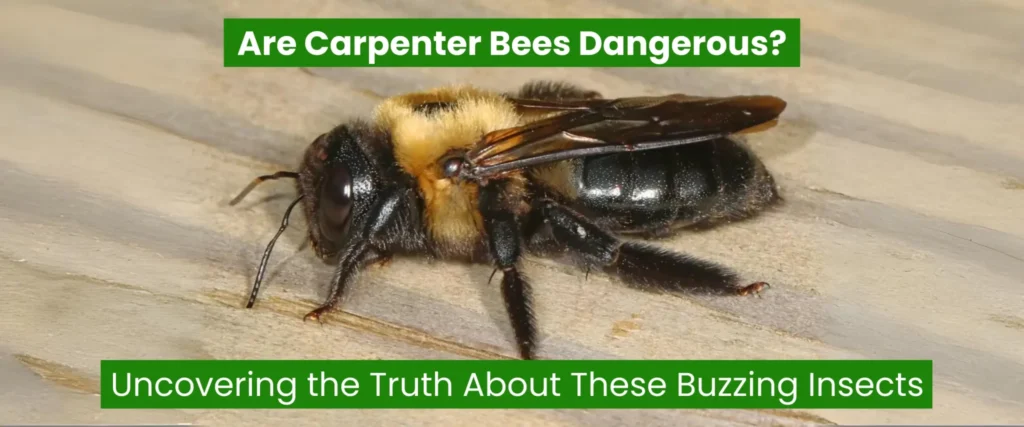
These chunky fuzzy critters are often misidentified as aggressive wasps due to their size. Fortunately, they are gentle giants. Bumblebees rarely sting and are beneficial pollinators. Unlike hives, they most often rest on the ground or in old rodent burrows.
- Yellowjackets:

Yellowjackets are a real problem.
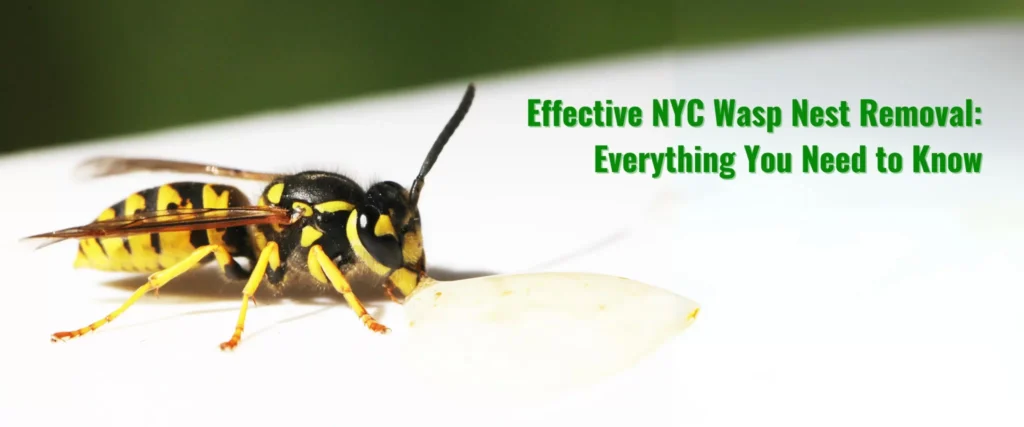
Sleek, black and yellow, and aggressive, they are a type of wasp that often nests underground or in wall voids. Unlike bees, yellowjackets can reproduce and are particularly active near food, waste, and sugary beverages. Parks, barbecues, and patios are therefore typical hotspots.
When it comes to managing an infestation of yellowjackets, particularly a concealed one, your first focus should be on removing the yellowjacket nest in NYC. Always seek professional assistance.
- Paper Wasps:

Less aggressive than yellowjackets are paper wasps. Recognizable by their narrow waists and brownish-yellow colour with markings, they build umbrella-shaped nests beneath ledges, balconies, and roof eaves. Paper wasps, unlike yellowjackets, defend their nests even if they aren’t as hostile. Professionals should do their removal through paper wasp extermination in NYC.
- Bald-Faced Hornets:

Bald Faced hornets are the most violent of the group. Black with white faces, these hornets are pretty significant.In addition, hornets build football-shaped paper nests in trees or on buildings, filling them with their colony. Their stings rank among the most venomous, and they often attack in swarms. For safety, call hornet control services in NYC at the first sign of these fierce flyers.
3. How to Identify a Nest on Your Property?
Not all nests are easy to spot. Bees or wasps build some nests behind vents and walls, hide them in attics, while others hang their nests from the branches and leaves of trees. Knowing where to look can make a difference and help find it quickly before the situation worsens.
Typical Nest Locations
• Under eaves, ledges, or porches: Common for paper wasps and hornets.
• Yellowjackets and bees are common visitors to attics and wall voids.
• Tree branches or shrubbery: Frequently used by hornets and bees during swarming.
• Underground or abandoned rodent burrows: A favourite for yellowjackets.
Hearing buzzing sounds in a wall might mean there’s an internal nest, which in turn, would indicate you require emergency professional help to prevent structural damage or complete infestations.
Differences Between Beehives and Wasp Nests
• Bee hives: Made of wax, look like layered combs, and usually house thousands of bees.
• Wasp nests: Paper-like in texture, built from chewed wood, and vary from umbrella shapes to large, enclosed structures.
Telltale Activity Signs
• Repeated bee or wasp traffic to one location
• Buzzing sounds near windows, vents, or walls
• Visually identifying a hanging nest.
• Increased insect presence near food or trash
After recognizing these signs, it is crucial to plan your next actions very carefully.
4. Dangers of DIY Bee & Wasp Removal
With an abundance of “guaranteed” DIY wasp traps and sprays readily available on numerous shelves, it might be enticing to solve the issue on your own. However, particularly in a city as congested as New York, shortcut methods pose tremendous risks.
- Stinging Insects and Allergic Reactions:
Unlike bees, wasps and hornets can sting multiple times. Stings from wasps can result in swelling and, for specific individuals, lead to anaphylaxis, particularly if they are allergic to bee stings. Even if someone does not have allergies, they can still suffer from multiple stings during a failed DIY attempt.
- Incomplete Removal Risks:
Just because an individual can see a few wasps on the surface does not mean the entire nest has been destroyed. DIY sprays often do not penetrate deeply enough to eliminate the whole colony, resulting in more aggressive behaviour and larger infestations later on.
- Wasp Sprays Misuse:
Your family, pets, and plants are all at risk when using over-the-counter wasp sprays due to their toxic chemicals. Also, the colony may attack en masse because the spray agitated them.
- Legal Aspects Concerning Honey Bees:
NYC has laws concerning honey bee protection, which are essential to note. Beekeeping, relocating, or extermination can lead to significant legal trouble. Licensed professionals specializing in pest control and bee removal can legally relocate a displaced colony without resorting to extermination methods.
5. Why Professional Removal Is the Safe Option
The most crucial takeaway here is that it’s best not to go solo. It does not matter if you are handling furious hornets or buzzing honey bees, attempting to do NYC pest control for bees.
- Correct Identification of Species:
Professionals can differentiate between closely related species, such as yellowjackets and honeybees, and apply the correct intervention, whether it be extermination or relocation.
- Use of Appropriate Tools and Precautions:
Fully licensed technicians are equipped with high-level protective gear, full body suits, and controlled application tools. They follow strict safety measures and maintain protocols that limit exposure to hazards for people, pets, and property.
- Humane and Green Approaches:
For bees in particular, eco-friendly pest control solutions in NYC include hive vacuuming, smoking, or relocation to urban gardens and farms, which are safe and sustainable for the environment.
- Preservation of Structures:
Untrained removal efforts can cause significant damage by punching holes into walls or destroying portions of the roof. Professionals carefully extract nests, repair damage, and restore affected areas to prevent re-entry.
6. Expected Outcomes from Professional Services for Bees and Wasps
Professionals in offering bee removal and wasp extermination services in NYC seek to protect homes, health, and the environment. It goes beyond just insect removal; it is an integrated approach encompassing multiple layers.
- Initial Inspection and Evaluation
Every removal process begins with inspection, which follows a defined set of steps. First, specialists evaluate:
• Insects type: bee, wasp, hornet or yellowjacket.
• The nest’s size and location.
• Activity status of the colony.
- Custom Removal or Extermination Strategy
After confirming the type and location of the infestation, a tailored removal plan is formulated. For instance:
• Bees need to be carefully removed and transferred to approved secure habitats using a vacuum cleaner.
• Because of their aggressive behaviour, wasps and hornets usually require strategic chemical application to the nest for removal to prevent triggering a swarm.
Many companies offer NYC emergency and same-day services, which are essential for homes with children, pets, or other family members with allergies.
- Prevention Protocols and Continued Support
Professional removal services include:
• Sealing vents and gaps, eaves and holes in siding that serve as entry points.
• Providing instructions to eliminate future infestations, such as food waste outdoors.
• Optional maintenance or seasonal inspections to ensure ongoing protection.
With professional pest control services, such as bee exterminators near me, you’re not just resolving a single incident; you’re also fortifying your home against future pest infestations.
7. Prevention Tips for Bee & Wasp Nesting
Preventing infestation is far easier—and less expensive— than removal. With NYC’s rooftop spaces and densely packed buildings, they can rapidly create nests. These are practical and straightforward methods for preventing infestations.
Seal Points of Entry
Bees and wasps favour small, protected locations as hiding places:
- Gaps around windows and doors.
- Cracks in the foundation.
- Openings around vents and pipes.
- Loose soffits or boards.
Also, be sure to check under decks, in sheds, and around attic vents, as these areas are prime real estate for nesting insects.
Manage Food and Trash Outdoors
Nothing attracts yellowjackets more quickly than outdoor food and sugary beverages. Here’s how to keep them at bay:
- Put trash in closed containers with snug covers.
- Clean up spills and BBQ scraps, as well as crumbs, right away.
- Avoid leaving fruits and dry pet food uncovered.
Even better, try to plant naturally repellent citronella, peppermint, or eucalyptus scents that wasps heavily despise.
Pre-season Nest Removal
Look at your property in late winter or early spring for old, inactive nests. Removing them ensures a no-return visit for the queen. While bees tend not to reuse their hives, wasps and hornets often return to the general area repeatedly.
Early inspections done by professionals help prevent issues from buzzing into full-blown emergencies.
Consider Your Clothing Choices and Scents Outdoors
Your choice of clothing or fragrance could invite these insects. Steer Clear Of:
• Bold floral designs
• Strong perfumes or body sprays
• Rapid, erratic motions when insects are around
Making minor adjustments to your daily routine can significantly reduce your likelihood of being bitten outside.
8. Legal & Environmental Considerations
Are bees protected within the boundaries of NYC? The answer is yes.
Failing to recognize the risks can lead to legal trouble, as well as a number of unpleasant consequences.
Honeybees are essential for pollination and are supported by local and state laws. New York City has policies that encourage urban beekeeping, making it illegal to harm these bees.
If a honey bee colony established residence on your property, there are legal stipulations. You cannot simply eradicate them; instead, you must seek the services of qualified beekeepers in NYC who are licensed to remove them safely.
NYC’s Urban Beekeeping Initiatives
Rooftop beekeeping and co-ops have become very popular, and there are hundreds of toored hives around the city. These initiatives bolster local farming and sustainability. You can call an expert equipped with postseason certification and ensure you’re not working against these initiatives.
Some pest control companies work in cooperation, relocating the hives instead of destroying them, which serves the twin purpose of saving bees while protecting your home.
Importance of Certified Pest Control
An eco-friendly pest control professional in NYC ensures that the treatment methods used will not damage the ecological systems. Additionally, they are trained to observe and adhere to legal and ethical obligations related to the subject.
Certified pest control professionals interned on:
• Application of regulated and bee-safe pesticides.
• Prevention of nearby hives or gardens from being contaminated.
• Teach homeowners on safe pest management techniques for bees
In essence, “doing it right” means acting within the law while adhering to best environmental practices.
9. Concluding Remarks: React Quickly, Be Cautious
Never take the presence of bees or wasps lightly when they’re buzzing behind drywall or swarming near a balcony in an urban environment like New York City. The potential for injury, property damage, legal ramifications, and slip-ups all factor into making DIY removal a risky endeavour.
To avoid getting stung, schedule routine inspections and contact professionals as soon as you begin to hear buzzing or spot nests.
Frequently Asked Questions
1. What is the difference between a wasp and a bee invasion?
Observing their behaviour will provide you with insights into their distinguishing features. Bees are softer, fuzzier, and frequently seen in big groups. Wasps are sleek, very aggressive, and hover aggressively around food while defending their nests. Nests vary as well: bees create wax combs, while wasps create paper-like nests.
2. Are honey bees protected animals under NYC laws?
Yes, honey bees are a protected species, and killing them is not permitted. If there is a honey bee infestation, it is necessary to engage a specialized bee removal service in NYC for safe relocation, working with beekeepers.
3. What steps should I take if I am stung by a bee?
Try to steer clear of the area and seek professional help immediately, especially for pest control services related to bees and wasps in NYC. If you have an epinephrine auto-injector, carry it with you and alert professionals about your allergy so they can safely handle its removal.
4. Is it safe to use wasp spray?
Not really. A DIY approach is dangerous as it may fail to remove the entire nest, trigger a wasp swarm, or expose individuals to harmful chemicals. Living near others, as is common in NYC, could pose risks to neighbours or pets, which is concerning.
5. How soon should I respond if I notice a nest?
Responding instantly is recommended. The colonies can increase in numbers rapidly, and delaying may cause a greater risk. For faster access to services, self-searching for a local bee exterminator or a NYC wasp nest removal specialist helps.