Marquee Text
Limited-Time Discount: Save $50 on Your First Service as a New Customer!
Household pests in NYC
Eco-Friendly Pest Control

Your Guide to Conquer General Household Pests in NYC

Big City, Tiny Critters: Your Guide to Conquer General Household Pests in NYC Living in a vibrant metropolis like New York City comes with undeniable perks. But alongside the hustle and bustle can creep in some unwelcome guests – household pests. From scuttling roaches to midnight snacking mice, these tiny intruders can disrupt your peace of mind and even pose health risks. Don’t let these creepy crawlies take over your apartment! This guide equips you with the knowledge and strategies to keep your NYC home pest-free. Most Common Bugs in NYC Apartments Cockroaches Cockroaches are one of the most notorious pests in NYC. They thrive in warm, moist environments and are typically found in kitchens and bathrooms. Common cockroach species include the American cockroach, German cockroach, and Oriental cockroach. They can contaminate food, trigger allergies, and spread diseases. Bed Bugs Bed bugs are small, reddish-brown insects that feed on human blood. They are most active at night and can be found in mattresses, bed frames, and furniture. Bed bugs are known for their itchy bites and can be difficult to eradicate once they infest a home. Ants Ants are common in NYC apartments, particularly in the warmer months. Species like the pavement ant and the odorous house ant are often seen. They enter homes in search of food and can be a persistent problem if not addressed promptly. Rodents Rodents, including mice and rats, are a significant concern in NYC. They can cause structural damage, contaminate food, and spread diseases. Rodents are adept at finding entry points into buildings and can reproduce quickly, making infestations challenging to control. General Signs of Pest Infestation Visual Signs       Droppings: Pest droppings are a clear sign of an infestation. The size and shape of droppings can help identify the pest.         Damage to Structures or Belongings: Gnaw marks, holes in walls, chewed wires, and damaged furniture are indicative of pest activity.         Nests: Rodents and insects often build nests in hidden areas, such as inside walls, attics, or basements. Auditory Signs         Noises Within Walls or Under Floors: Scratching, squeaking, or scurrying sounds can indicate the presence of rodents or larger insects moving around. Sensory Signs         Unusual Smells: A strong, musty odor can be a sign of a pest infestation, particularly from rodents or cockroaches. Battling Back: Prevention and Management Strategies Don’t wait for a full-blown infestation! Here’s a two-pronged approach to keep pests at bay: Natural Allies: Indoor Plants for Insect Repellent Nature offers a helping hand! Certain plants have properties that deter pests. Consider incorporating these into your décor: Basil: The fragrant leaves repel flies and mosquitoes. Lavender: The scent discourages moths and some flies. Mint: The strong aroma repels ants and some other crawling insects. Best Practices for Incorporating These Plants into Your Home Place these plants in areas where pests are likely to enter, such as near windows, doorways, and kitchens. Regularly prune and care for the plants to ensure they remain healthy and effective. Placement Strategies for Maximum Effectiveness Strategically position the plants in pest-prone areas. For instance, place lavender near sleeping areas to ward off mosquitoes, and basil in the kitchen to keep flies away. A Multi-Faceted Approach: Natural and Chemical Solutions Natural Remedies: For mild infestations, try these DIY solutions: Diatomaceous Earth: This powder dehydrates insects with its abrasive texture. Peppermint Spray: Mix peppermint oil with water to deter ants and roaches. Borax Traps: Combine borax with sugar to create an attractive yet fatal bait for ants and roaches. Chemical Treatments: For severe infestations or persistent problems, consider professional help. A licensed pest control company can assess the situation and recommend the most effective treatment plan, while ensuring safety and proper application of chemicals. Keeping Your Home a Pest-Free Paradise Even after tackling an infestation, vigilance is key to prevent future problems: Routine Inspections: Regularly check for signs of pests, especially in high-risk areas like kitchens, bathrooms, and behind furniture. Long-Term Strategies: Seal cracks and crevices in walls and around pipes. Store food in airtight containers. Empty trash cans regularly and keep them clean. Address any moisture issues like leaky faucets or condensation. By following these tips and creating a pest-unfriendly environment, you can enjoy a peaceful and healthy home, free from unwanted creepy crawlies. Conclusion Effective pest management is essential for a healthy, comfortable home. By being proactive and utilizing natural methods like indoor plants, you can prevent and control pest infestations. Regular maintenance and early detection are key to maintaining a pest-free environment. FAQs Commonly Asked Questions About Pest Infestations and Their Management What should I do if I find droppings in my home? Identify the type of pest and clean the area thoroughly. Set traps or use natural remedies and consider calling a professional if the problem persists. How can I prevent bed bugs when traveling? Inspect hotel rooms for signs of bed bugs, keep luggage off the floor, and wash clothing immediately upon returning home. Are natural pest control methods effective? Yes, many natural methods can be highly effective, especially when combined with good housekeeping practices and regular maintenance. When should I call a professional pest control service? Call a professional if you have a severe infestation, repeated issues, or if natural and DIY methods are not working.

Termite barriers and effective solution
Termites

Fortress Guide for Termite Barriers for existing homes and Effective Solutions

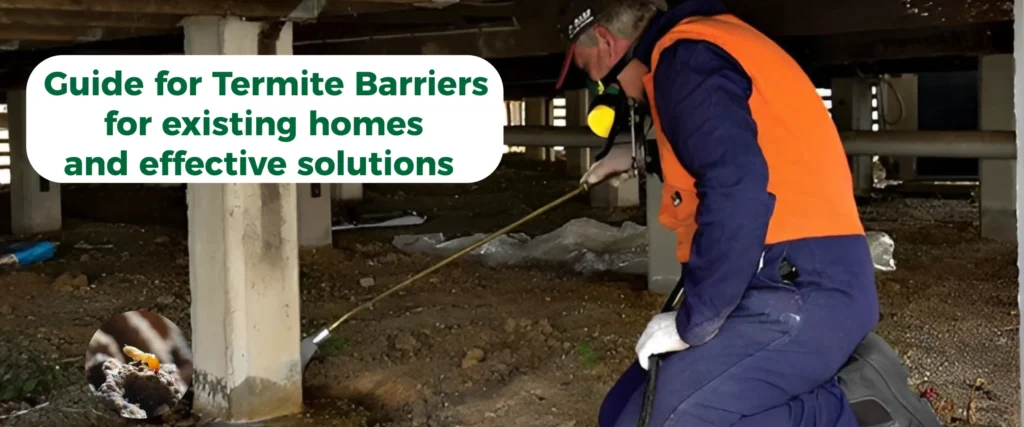
Fortress Guide for Termite Barriers for existing homes and Effective Solutions For many American homeowners, termites are a constant worry. These silent destroyers can munch away at the structural integrity of your home for years before you even notice a problem. This blog post will serve as your fortress guide to understanding termite barriers, a crucial element in any homeowner’s termite defense plan. Termite Barriers: Your Home’s Defensive Line When it comes to protecting an existing home from termite damage, termite barriers are still a crucial defensive measure. Here’s how termite barriers can be implemented for an existing home: Chemical Treatments: Professional pest control services can apply liquid termiticides around the perimeter of your home. This creates a chemical barrier that repels or kills termites as they attempt to enter. Regular reapplication may be necessary to maintain effectiveness. Baiting Systems: Installing bait stations strategically around the exterior of your home can help monitor and control termite activity. These stations contain termite attractants combined with a slow-acting toxic substance. Termites feed on the bait and carry it back to their colony, gradually eliminating the infestation. Physical Barriers: Physical barriers, such as metal termite shields or crushed stone barriers, can be installed around vulnerable areas like foundation walls, plumbing penetrations, and crawl spaces. These barriers create obstacles that termites must navigate around, reducing the likelihood of infestation. Sealing Cracks and Gaps: Seal any cracks or gaps in your home’s foundation, walls, and utility entry points. Termites can exploit even tiny openings to gain access to your home, so thorough sealing can help prevent infestations. Regular Inspections: Schedule regular termite inspections by a qualified pest control professional. They can identify early signs of termite activity and recommend appropriate treatment or barrier reinforcement measures. Wood Treatment: Treat wooden structures in and around your home with termite-resistant chemicals or coatings. This can help deter termites from feeding on the wood and reduce the risk of infestation. Moisture Control: Termites are attracted to moisture, so ensure proper drainage around your home’s foundation and fix any leaks promptly. Keeping the soil around your home dry can make it less hospitable to termites. Does Chlorine Kill Termites?: Myth vs. Reality Chlorine, in the form of household bleach, is often a suggested DIY remedy for termite infestations. However, the reality is that bleach is not an effective solution for termite control. Here’s a breakdown: Myth: Chlorine (bleach) kills termites and eliminates the colony. Reality: Bleach can kill termites on direct contact, but that’s a minor victory. Termite colonies reside deep underground (subterranean termites) or within the wood itself (drywood termites). Bleach can’t reach these areas and eliminate the entire colony. Here’s why using bleach for termites is a bad idea: Ineffective for the colony: As mentioned, bleach doesn’t target the source of the problem – the nest. Damages property: Bleach is corrosive and can harm your foundation, pipes, and other structures. Potential health risks: Bleach fumes can be hazardous, and improper handling can cause skin irritation or respiratory problems. Safety Considerations and Proper Application Methods Termite barrier applications, especially those using chemicals, require precautions to ensure the safety of yourself, your family, and pets. Here’s what to keep in mind: Chemical Hazards: Many termite barrier products contain insecticides that can be harmful if mishandled. Always read and follow the manufacturer’s instructions on the product label. Protective Gear: Wear appropriate personal protective equipment (PPE) during application. This may include gloves, eye protection, long-sleeved clothing, and a respirator (depending on the product). Children and Pets: Keep children and pets away from the application area during and after treatment until it has dried according to the label instructions. Ventilation: Ensure proper ventilation during and after application. Open windows and doors to allow fumes to escape. Proper Application Methods for Termite Barriers There are two main types of termite barriers: soil treatments and termite baiting systems. Each has its own application method: Soil Treatment: Professional application is highly recommended: Termite control products can be complex and require proper licensing for application. Trenching: In some cases, a professional may create a trench around the foundation of your home and fill it with the termiticide. Rodding: Alternatively, they may inject the termiticide into the soil around the foundation through small holes drilled at specific intervals. Broadcast application: For some products, a surface application around the foundation may be sufficient. Termite Baiting Systems: Bait stations are placed strategically around the foundation of your home, both inside and outside. These stations contain a slow-acting bait that termites consume and share with others in the colony, ultimately eliminating it. Regular monitoring by a pest control professional is necessary to ensure the effectiveness of the baiting system. Dealing with Termites in Fences: The Outer Line of Defense While termite barriers focus on protecting your home’s foundation, it’s important not to forget your property’s outer perimeters, especially wooden fences. This section will equip you to identify and combat termite threats in your fence: Common signs of termite infestation in fences: Visible Damage: Look for hollowed-out or damaged wood. Termites consume wood from the inside out, leaving a thin veneer of timber or paint on the surface. Mud Tubes: Termites build mud tubes, pencil-sized tunnels made of soil, wood particles, and saliva, to travel between the ground and the wood they’re infesting. These tubes often appear along the exterior of fences. Discarded Wings: After swarming, termites shed their wings. If you notice piles of discarded wings near your fence, it could indicate a termite presence. Frass: Termite droppings, known as frass, resemble small piles of sawdust or wood pellets. You may find them accumulating near the base of your fence or within crevices. Blistering or Bubbling Paint: Termites can cause moisture buildup within the wood, leading to paint that appears blistered or bubbling on the surface. Sagging or Buckling Wood: As termites weaken the structural integrity of wood, fences may start to sag, buckle, or appear uneven. Tapping Sounds: If you tap on wood near the infested area and hear

Prevention from Backyard Insects
Eco-Friendly Pest Control

Buggin’ Out in Your Backyard: Spot the Enemy & Save Your Blooms!

Buggin’ Out in Your Backyard: Spot the Enemy & Save Your Blooms! Imagine your perfect backyard retreat – a vibrant oasis where colorful flowers sway gently in the breeze, attracting butterflies and hummingbirds. But wait! Tiny uninvited guests have arrived, munching on your precious blooms and leaving them wilted and lifeless. Don’t let these pesky critters turn your backyard paradise into a battleground! Backyards across the USA teem with a diverse population of insects. While some, like ladybugs and honeybees, are beneficial pollinators, others are notorious flower foes. Understanding these backyard insects is crucial for maintaining a healthy and flourishing garden. Exploring Backyard Insects What Constitutes Backyard Insects? Your backyard is a bustling ecosystem teeming with a variety of creepy crawlies. This menagerie includes beetles, aphids, flies, caterpillars, butterflies, and many more. Some are transient visitors, while others take up permanent residence. By understanding the types of insects inhabiting your backyard, you can make informed decisions about their management. Role of Insects in the Ecosystem Insects play a vital role in a healthy ecosystem. Pollinators like bees and butterflies ensure the reproduction of flowering plants, including many of your favorite garden varieties. Other insects contribute by breaking down organic matter, returning nutrients to the soil, and controlling pest populations. Significance of Identifying Backyard Insects Not all backyard insects are detrimental to your garden. In fact, many beneficial insects help keep pest populations in check. Knowing how to distinguish between the good guys and the bad guys is essential for implementing targeted pest control methods that avoid harming helpful insects. Common Pests on Flowers Understanding Flower Pests Certain insects specifically target flowers, wreaking havoc on your prized blooms. These flower pests can damage leaves, devour buds, and suck the sap from your plants, leaving them weakened and susceptible to diseases. Most Common Pests Found on Flowers Aphids: These tiny, soft-bodied insects come in various colors and often cluster on the undersides of leaves. They pierce plant tissue and suck sap, causing stunted growth, wilting, and deformed leaves. Thrips: These slender, winged insects are barely visible to the naked eye. They feed on flower petals and leaves, leaving behind silvery patches and distorted growth. Beetles: Several beetle species can damage flowers. Japanese beetles skeletonize leaves, while flower scarabs feast on buds and petals. Caterpillars: The larval stage of butterflies and moths, caterpillars can be quite destructive. They munch on leaves and flowers, leaving large holes in their wake. Identification Tips: Look for specific physical characteristics like size, shape, color, and wing patterns to identify each pest. Additionally, observe their feeding habits and the type of damage they cause to your plants. Damage Caused by Each Pest: Each pest has its own unique way of harming your flowers. Understanding the specific damage allows you to identify the culprit and take appropriate action. The Enigmatic Tiny White Bugs Have you ever spotted a flurry of white movement on your precious plants? Don’t panic! These tiny white invaders are likely common flower pests, but identifying the exact culprit is crucial for taking effective action. Identifying Tiny White Bugs Several insect villains can masquerade as minuscule white menaces in your garden. Here’s a guide to unmask the most frequent offenders: Mealybugs: These soft-bodied insects look like plump cotton swabs clinging to leaves and stems. They’re covered in a white, waxy coating that protects them from predators but makes them easy to spot. Whiteflies: These gnat-sized insects with white wings resemble tiny white moths. They flutter around in clouds when disturbed and love to suck the sap from the underside of leaves. Aphids: We mentioned aphids earlier, but they can also appear white or pale yellow, depending on the species. Look for them clustered on new growth or the undersides of leaves. Understanding Their Behavior and Impact on Plants Tiny white bugs are all bad news for your backyard blooms. They share a common love for feasting on plant sap, which weakens your plants and stunts their growth. Here’s how they cause damage: Sap Sucking: These pests pierce plant tissues with their needle-like mouthparts and suck out vital fluids. This disrupts the plant’s ability to transport nutrients and can lead to stunted growth, wilting, and yellowing leaves. Honeydew Havoc: As they feed, many tiny white bugs excrete a sugary substance called honeydew. This sticky mess not only attracts ants but also promotes the growth of sooty mold, a black fungus that further weakens plants by blocking sunlight. Protecting Your Backyard Garden Now that you’ve identified the enemy, it’s time to defend your floral haven! Here’s a multi-pronged approach to keeping flower pests at bay: Prevention Techniques for Flower Pests An ounce of prevention is worth a pound of cure, especially when it comes to pesky bugs. Here are some proactive measures you can take to discourage flower pests from setting up shop in your garden: Cultural Practices: Choose resistant varieties: Select plants known for their natural pest resistance. Your local nursery can advise you on suitable options for your area. Proper planting: Provide adequate spacing for air circulation and sunlight penetration. Overcrowding creates a damp environment that attracts pests. Watering wisely: Avoid overwatering, which can weaken plants and make them more susceptible to pests. Water deeply at the base of the plant rather than overhead watering. Natural Predators:  Ladybugs, lacewings, and minute pirate bugs are natural enemies of many flower pests. Attract these beneficial insects by planting flowers with flat blooms like dill, fennel, and yarrow, which provide them with pollen and nectar. Organic Remedies: Soap spray: For a mild infestation, insecticidal soap spray made with fatty acids can be an effective option. It works by suffocating the soft bodies of insects like aphids and mealybugs. A professional pest exterminator will make sure to coat the undersides of leaves where pests often hide. Margosa oil spray: Margosa oil, a naturally occurring oil extracted from the margosa tree, can be effective against a variety of pests, including whiteflies and aphids. Follow label directions for dilution and application.

Guide to become a cockroach controller
cockroach

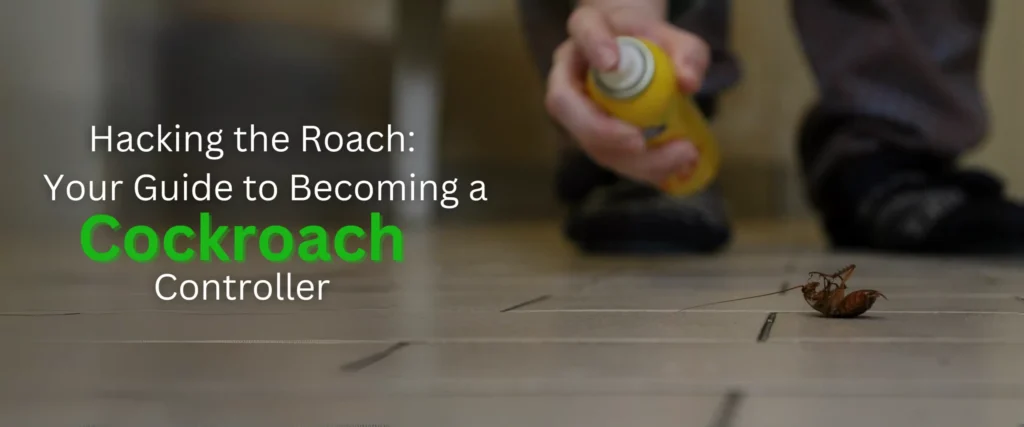
Hacking the Roach: Your Guide to Becoming a Cockroach Controller in NYC

Hacking the Roach: Your Guide to Becoming a Cockroach Controller in NYC New Yorkers are no strangers to unwelcome guests – but roaches take the cake (or should we say, the crumb?). These resilient insects thrive in our densely populated city, their adaptability making them a constant challenge for homeowners and property managers. Behind NYC’s persistent roach problem, explore factors like: Urban living conditions: Cramped apartments, shared walls, and easy access to food and water create a roach paradise. Climate: NYC’s warm, humid summers provide ideal breeding grounds for roaches. Travelers: Roaches can hitchhike on luggage or deliveries, introducing new populations to buildings. Importance of Effective Cockroach Control in NYC Beyond the creepy factor, roaches pose significant health risks. They can trigger allergies and asthma, and spread bacteria through their droppings and shed skin. Effective cockroach control becomes crucial for protecting your health and maintaining a sanitary environment. Identifying the Enemy: How to Locate a Roach Nest in Your NYC Home Signs of Cockroach Activity: The first step to eliminating roaches is uncovering their secret lairs. Here’s what to watch out for: Sightings: Seeing live roaches, especially during the day (when they typically hide), is a clear sign of an infestation. Droppings: Small, dark specks resembling pepper granules indicate roach activity. Exoskeletons: Empty roach casings signal prior molting and a potential breeding population. Odor: A musty smell can sometimes be a sign of a nearby roach nest. Common Hiding Spots for NYC Roaches: Knowing where roaches like to dwell helps target your search. Here are their favorite NYC hideouts: Warm, moist areas: Kitchens and bathrooms, especially behind appliances, under sinks, and around pipes. Cracks and crevices: Inspect baseboards, wall cavities, and behind furniture. Dark corners: Behind cabinets, under the refrigerator, and in pantries. DIY Methods for Locating Nests in Your NYC Apartment: While calling a professional exterminator is often the recommended course of action, there are DIY methods you can try to identify a nest: Flashlight Patrol: Shine a flashlight at night in suspected hiding spots. Roaches scatter when disturbed. Flour Trick: Sprinkle a thin layer of flour around potential entry points. Roach activity will disrupt the flour line, revealing their paths. Sticky Traps: Place sticky traps in strategic locations to catch roaches and potentially track their origin. The Battle Plan: Cockroach Prevention Methods A well-prepared battlefield is the key to victory. Here’s how to make your NYC apartment a roach-repelling fortress: Sanitation Practices: Cleanliness is key: Crumbs, spills, and dirty dishes are a roach buffet. Wipe down surfaces regularly, sweep floors daily (especially under appliances), and don’t let dirty dishes pile up. Trash Removal: Empty your trash can frequently and use a tight-fitting lid. Roaches love a good garbage feast. Recycling Right: Rinse out recyclables before storing them, and don’t let them pile up for long periods. Pet Food Management: Don’t leave pet food bowls out overnight. Clean up any spills immediately. Seal Cracks and Crevices: NYC apartments can be riddled with tiny entry points for roaches. Here’s how to seal them up: Caulk It Up: Seal cracks around pipes, baseboards, under sinks, and around windows and doors with a good caulk. Fix Leaks: Dripping faucets and leaky pipes create moisture, attracting roaches. Get them fixed promptly. Screen It: Cover vents and drains with mesh screens to prevent roaches from entering. Reduce Access to Food and Water Sources: Cockroaches need sustenance – take that away, and they’ll move on. Here’s how: Store Food Properly: Keep food in sealed containers or the refrigerator. Don’t leave open boxes of cereal or bags of chips on the counter. Clean Up Spills: Don’t let spills sit. Wipe them up immediately to remove moisture that attracts roaches. Natural Remedies and Repellents (Limited Effectiveness): Some natural solutions may use as home remedy to control cockroaches having a temporary deterrent effect, but they shouldn’t be your primary line of defense: Bay Leaves: The strong scent is said to repel roaches. Place them in cabinets and drawers. (Note: Efficacy is not fully proven) Essential Oils: Peppermint and citrus oils may deter roaches. However, the effects are mild and need frequent reapplication. Diatomaceous Earth: This powder can dehydrate roaches, but its effectiveness is limited and can irritate lungs. Use with caution, especially in homes with pets. Taking Action: Cockroach Control Measures If you’ve spotted roaches, don’t despair! Here’s how to take back your NYC apartment: DIY Approaches: For a small infestation, consider these options: Home Remedies and Baits: Boric Acid: This powder can be sprinkled in cracks and crevices where roaches frequent.  DIY Bait Traps: Mix sugar and boric acid in a shallow dish. Cockroaches will be attracted to the sugar and ingest the boric acid, which is lethal to them.  Over-the-counter Roach Baits: These are readily available and offer a more controlled approach than DIY options. Professional Pest Control Services: For a large infestation or recurring problem, professional help is the best course of action. A licensed exterminator will inspect your apartment to identify the type of cockroach and the extent of the infestation. They will develop a customized treatment plan that may involve baits, sprays, or other methods. Follow-up treatments may be necessary to ensure complete eradication. Common Treatments and Chemicals Used: Insecticides: Professional exterminators use a variety of EPA-registered insecticides to target roaches. Gels and Baits: These are often used as part of a long-term control strategy. Desiccants: These dry out roaches, killing them. Aftermath: Dealing with Cockroaches Post-Treatment The battle might be won, but the war isn’t over yet. Here’s how to handle the aftermath of your NYC roach treatment: Understanding Cockroach Behavior After Pest Control: Don’t be surprised if you see more roaches in the initial days after treatment. This is because: Flushed Out: The treatment may force roaches out of hiding, making them more visible. Dying Struggle: Poisoned roaches may become disoriented and wander around before succumbing. What to Do If You Spot More Cockroaches: Don’t Panic: Seeing a few roaches after treatment is normal. Inform Your Exterminator: If you see significant activity after the initial timeframe specified by your exterminator, contact them for a follow-up visit. Maintain Sanitation: Keep cleaning up crumbs and spills, and store food properly. This reduces the appeal of your NYC apartment

The Vital Role of Home Pest Assessment
Property Management

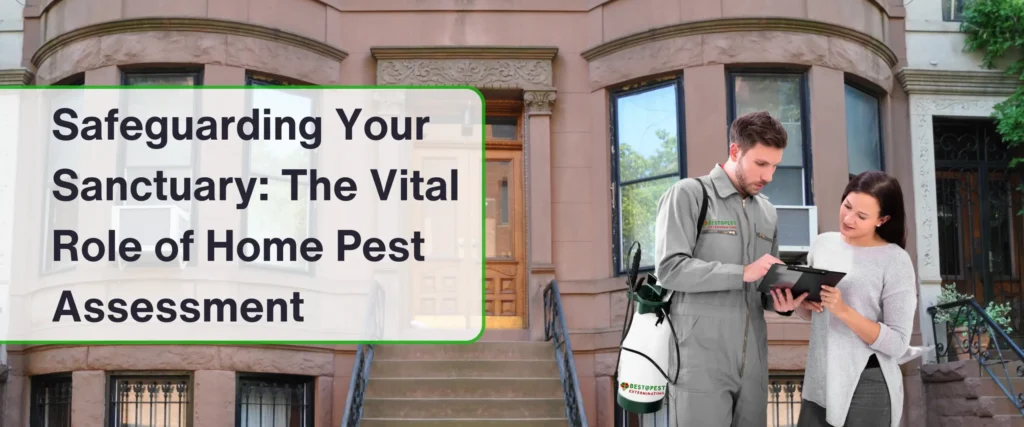
Safeguarding Your Sanctuary: The Vital Role of Home Pest Assessment

Safeguarding Your Sanctuary: The Vital Role of Home Pest Assessment Sharing your home with loved ones is a joy, but what about creepy crawlies and furry freeloaders? Pests can quickly turn your haven into a hassle. But before you grab the bug spray, take a deep breath. A home pest assessment can be your secret weapon in the fight for a pest-free paradise. This blog post will be your guide to understanding home pest assessments. We’ll explore the world of DIY inspections and the benefits of calling in a professional. We’ll equip you with the knowledge to identify potential pest problems and empower you to take control of your home environment. Benefits of a Home Pest Assessment: Keeping Your Castle Creature-Free A home pest assessment offers a wealth of advantages that go beyond simply identifying creepy crawlies. Here’s how pest control for property inspections can benefit you: Prevention of Property Damage: Early Detection, Early Intervention:  Pests, like termites and rodents, can wreak havoc on your property if left unchecked. A professional assessment can uncover these hidden threats before they cause significant structural damage. Think of it as catching a small leak before it becomes a flood in your walls! Identifying Vulnerable Areas:  A trained inspector can pinpoint weaknesses in your home’s exterior that might be attractive entry points for pests. This allows you to seal cracks, trim overgrown vegetation, and address potential problems before they become expensive repairs. Protection of Health and Well-Being: Curbing Allergens and Diseases:  Many pests, like cockroaches and dust mites, can trigger allergies and asthma attacks. A pest assessment can help identify the culprits and recommend steps to eliminate them, creating a healthier living environment for you and your family. Preventing the Spread of Pathogens:  Rodents and some insects can carry harmful bacteria and diseases. A professional assessment can minimize the risk of these pathogens entering your home, protecting your family’s health. Cost Savings in the Long Run: Proactive Approach Saves Money:  Catching a pest infestation early means smaller problems and easier solutions. This translates to lower treatment costs compared to waiting until the issue becomes a full-blown nightmare. Avoiding Expensive Repairs:  As mentioned earlier, preventing pest damage to your property can save you significant money on repairs down the line. A small investment in a pest assessment can prevent a much larger expense later. Peace of Mind for Homeowners: Living Pest-Free:  There’s nothing quite like the peace of mind that comes with knowing your home is free of unwanted guests. A thorough assessment and any necessary treatment will ensure a pest-free environment, allowing you to relax and enjoy your home. Informed Decisions:  A professional assessment provides a clear picture of the pest situation in your home. This empowers you to make informed decisions about treatment options and prevention strategies. Conducting a Home Pest Assessment: Keeping Your Castle Critter-Free Your home is your castle, and unwanted pests can quickly turn that castle into a creepy crawly warzone. But fear not, with the knowledge to conduct a thorough home pest assessment you can reclaim your domain. DIY methods for initial assessment: Not every pest problem requires a professional. Here’s how to be your own pest detective: Become a Sherlock of Signs:  Inspect your home for clues left by unwanted guests. Droppings, chewed wires, shed skin, and even strange noises can all be indicators of a pest infestation. Seal the Cracks:  Check for entry points around your foundation, windows, doors, and utility lines. Even tiny gaps can be an open invitation for pests. Inspect the Pantry:  Pantry pests love dry goods. Look for signs of activity in your stored food, like gnaw marks on packaging or little crumb trails. Hiring professional pest control services: Sometimes, a DIY approach isn’t enough. Here’s when to call in the pest control pros: The Infestation is Out of Control:  If you’re dealing with a large or persistent infestation, professional help is the most effective way to eradicate the problem. Identifying the Culprit is a Mystery:  Not all pests are easily identifiable. Professionals have the expertise to diagnose the specific pest and recommend the most targeted treatment plan. Peace of Mind is Priceless:  For some homeowners, the knowledge that a professional has assessed and treated their home is worth the investment. Factors to consider when choosing a pest control provider: Not all pest control companies are created equal. Here’s how to find the perfect partner in pest elimination: Licensing and Insurance:  Make sure the company is licensed and insured in your area. Experience and Expertise:  Look for a company with experience dealing with the specific type of pest you’re facing. Treatment Methods:  Ask about the company’s treatment methods and ensure they prioritize safety for your family and pets. Importance of regular inspections: An ounce of prevention is worth a pound of cure (or should we say, a pound of poison!). Here’s why regular inspections are key: Early Detection is Key:  Catching a pest problem early can prevent a full-blown infestation and save you money on treatment costs. Maintaining a Pest-Free Zone:  Regular inspections help identify and address potential entry points before they become pest highways. Peace of Mind Pays Off:  Knowing your home is protected from unwanted critters can give you peace of mind and allow you to relax and enjoy your castle. Common Signs of Unwanted Guests Our homes are meant to be sanctuaries, but unwanted visitors can quickly turn that feeling upside down. Pests, from creepy crawlies to furry scroungers, can not only be unsettling but also cause damage and spread disease. Here’s a guide to some common pests and the telltale signs of their presence: Rodents: Masters of Making Themselves at Home Droppings:  Be on the lookout for small, pellet-shaped droppings, especially in areas like cupboards, pantries, and behind furniture. Gnaw Marks:  Rodents love to chew. Check for gnaw marks on food packaging, furniture legs, wires, and even walls. Scratching Noises:  As nocturnal creatures, rats and mice tend to be most active at night. If you hear scratching or

Mosquito-Proofing Your Home and Yard
Mosquito Control

Expert Tips for Mosquito-Proofing Your Home and Yard in New York State

Expert Tips for Mosquito-Proofing Your Home and Yard in New York State Mosquitoes are not just annoying pests; they can also pose serious health risks by transmitting diseases such as West Nile virus, Zika virus, and Eastern Equine Encephalitis (EEE). In New York State, where mosquito activity can be particularly high during the warmer months, it’s essential to take proactive measures to mosquito-proof your home and yard. Here are some expert tips for controlling mosquitoes and minimizing their presence in your outdoor spaces. Understanding Mosquito Control: How to Control Mosquitoes in Your Yard: Controlling mosquitoes in New York City requires some specific strategies due to the urban environment. Here are some methods tailored to NYC: Remove Stagnant Water: Urban areas like NYC have plenty of opportunities for stagnant water to accumulate, such as in drainage ditches, potholes, and even discarded containers. Regularly check for and eliminate any sources of stagnant water around your property. Keep Gutters Clean: Gutters can easily become clogged with leaves and debris, creating pools of standing water where mosquitoes breed. clean out your gutters regularly to prevent this. Use Mosquito Dunks: Place mosquito dunks in areas where water tends to collect, such as flower pot saucers, bird baths, and drainage trays for air conditioning units. Maintain Landscaping: Trim bushes, shrubs, and grass regularly to reduce resting spots for mosquitoes during the day. Install Screens: Ensure screens on windows and doors to prevent mosquitoes from entering your home. Check for any holes or tears in the screens and repair them promptly. Use Mosquito-Repellent Plants: Consider planting mosquito-repellent plants like citronella, lavender, and marigolds in your yard or on your balcony. Utilize Mosquito Traps: Mosquito traps can be effective in urban areas. Place them strategically around your yard or balcony to capture and kill adult mosquitoes. Apply Insect Repellent: When spending time outdoors, especially in parks or near green spaces, use insect repellent containing DEET, picaridin, or oil of lemon eucalyptus. Report Standing Water: If you notice standing water in public areas like parks or sidewalks, report it to the appropriate city authorities so they can take action to eliminate the breeding grounds. Coordinate with Neighbors: Mosquito control efforts are most effective when coordinated with neighbors. Encourage others in your community to take similar measures to reduce the overall mosquito population. Does Mosquito Control Work? While various methods of mosquito control exist, their effectiveness can vary depending on factors such as mosquito species, environmental conditions, and the extent of the infestation. While some methods, like chemical sprays, can provide temporary relief, others, such as biological control agents like Bacillus thuringiensis (BTI), can offer longer-term solutions. Ultimately, the most effective approach to mosquito control often involves a combination of techniques tailored to the specific needs of your property. Pest Control for Mosquitoes: Can Pest Control Get Rid of Mosquitoes? Professional pest control services can be highly effective in reducing mosquito populations on your property. Pest control technicians can conduct a thorough inspection of your home and yard to identify potential mosquito breeding sites and implement targeted treatments to eliminate existing mosquitoes and prevent future infestations. Additionally, they may recommend ongoing maintenance treatments to ensure long-term protection against mosquitoes and other pests. Combining DIY and Professional Pest Control Methods: While professional pest control services can provide comprehensive mosquito control, there are also steps you can take on your own to minimize mosquito activity. In addition to eliminating standing water and using repellents, consider landscaping modifications such as trimming overgrown vegetation and installing fans to create airflow that discourages mosquitoes from settling in your yard. By combining DIY efforts with professional pest control treatments, you can create a layered defense against mosquitoes. Managing Mosquitoes in Specific Areas: How to Control Mosquitoes in a Pond: Ponds and other water features can provide ideal breeding grounds for mosquitoes if not properly maintained. To control mosquitoes in a pond, it’s essential to regularly remove debris and vegetation that could provide breeding sites for mosquitoes. Additionally, consider introducing mosquito-eating fish such as Gambusia affinis (mosquito fish) or using larvicides to target mosquito larvae without harming other aquatic life. Tips for Controlling Mosquito Larvae in a Pond: To effectively control mosquito larvae in a pond, it’s important to understand the mosquito life cycle and target larvae during their vulnerable stages. Biological control agents like BTI can be applied directly to the water to kill mosquito larvae before they mature into biting adults. Additionally, physical barriers such as mosquito nets or floating row covers can prevent adult mosquitoes from laying eggs in the water. Mosquito and Tick Control: A Comprehensive Approach: Does mosquito and tick control work? Mosquitoes and tick control share similarities in several ways: Preventive Measures: Both require similar preventive measures to minimize their populations. These measures include eliminating standing water for mosquitoes and keeping grass trimmed and bushes pruned to reduce tick habitat. Chemical Treatments: Insecticides and acaricides (chemicals that kill ticks) are used to control both mosquitoes and ticks. These chemicals are often applied to outdoor areas where these pests are prevalent. Public Awareness and Education: Both mosquito and tick control efforts often rely on public awareness campaigns to educate people about the risks associated with these pests and how to prevent bites and infestations. Environmental Management: Both mosquitoes and ticks are influenced by environmental factors such as temperature, humidity, and vegetation. Environmental management strategies, such as habitat modification and biological control methods, can be employed to reduce their populations. Health Concerns: Mosquitoes and ticks are vectors for various diseases, including malaria, Zika virus, Lyme disease, and Rocky Mountain spotted fever. Controlling their populations is essential for public health and safety. Eliminating Mosquito Breeding Sites: How to Identify and Destroy Mosquito Breeding Places: Mosquitoes can breed in surprisingly small amounts of water, so it’s essential to identify and eliminate potential breeding sites around your home and yard. Common breeding sites include clogged gutters, birdbaths, and even bottle caps left lying in the yard. By regularly inspecting your property and removing standing water,

termite baits NYC Benefits
Termites

Sustainable Pest Control: How Termite Baits Benefit NYC’s Environment

Sustainable Pest Control: How Termite Baits Benefit NYC’s Environment Sustainable pest control refers to the management of pests in a manner that minimizes adverse effects on the environment, human health, and non-target organisms. It aims to control pests using methods that are ecologically sound, economically viable, and socially acceptable. Importance of sustainable pest control in urban environments like NYC In densely populated urban areas like New York City (NYC), pest infestations pose significant challenges. Traditional pest control methods often involve the indiscriminate use of chemical pesticides, which can have adverse effects on human health and the environment. Sustainable pest control methods are crucial in urban environments to mitigate these risks while effectively managing pest populations. Overview of termite infestation issues in NYC Termite infestations are a common problem in NYC, particularly in older buildings with wooden structures. These infestations can cause extensive damage to buildings and infrastructure, leading to costly repairs and structural instability. Understanding Termite Baits Termite bait stations are small, strategically placed containers containing a slow-acting bait that attracts termites. The bait typically contains a cellulose material laced with an insect growth regulator (IGR) that disrupts the termite’s molting process, ultimately leading to the colony’s demise. How termite bait stations work Installation: Pest control professionals install bait stations around the perimeter of a property, focusing on areas where termites are likely to enter. Attraction: The bait stations emit a scent that attracts foraging termites. Feeding: Termites enter the station and consume the bait. Transfer: Worker termites share the bait with other members of the colony, including the queen. Colony Elimination: The IGR in the bait disrupts the molting process, preventing new termites from developing and eventually leading to the colony’s collapse. Comparison with traditional termite control methods Chemical Soil Treatments: Traditional methods involve trenching around a property and applying a chemical barrier designed to kill termites on contact. While effective, these treatments can contaminate soil and pose a risk to pets and beneficial insects. Fumigation:  This method involves sealing a structure and pumping in a toxic gas to kill all termites present. Fumigation is disruptive, requires temporary relocation, and can harm indoor air quality. Addressing common questions: “Do termite bait stations work?” Numerous studies have shown that termite bait stations are effective in eliminating termite colonies when properly installed and maintained. However, their success depends on factors such as the type of termites present and the thoroughness of the baiting process. Effectiveness of Termite Baits How long do termite bait stations take to work? The time it takes for termite bait stations to work can vary depending on the size and activity level of the colony. Typically, it takes 4-8 weeks to see a significant reduction in termite activity. However, complete elimination of the colony may take several months. Regular monitoring by a pest control professional is crucial to assess the effectiveness of the treatment. Comparison with other termite control methods: How long do termite traps take to work? Chemical Soil Treatments:  These treatments can provide a barrier for several years, but their effectiveness diminishes over time, requiring reapplication every few years. Fumigation:  Fumigation offers a quick solution, killing termites within a day or two. However, this method doesn’t address the root cause of the infestation and may not prevent future problems. Installation and Cost Process of termite bait station installation The installation process is relatively simple and non-invasive. A pest control professional will: Conduct a thorough inspection to identify potential termite entry points. Strategically place bait stations around the perimeter of the property, focusing on foundation walls, crawl spaces, and areas with high moisture levels. Secure the bait stations to prevent tampering by children or pets. Factors influencing the cost of installation Number of Bait Stations Required:  The size and layout of the property will determine the number of stations needed. Severity of Infestation:  A larger or more active colony may require additional stations and monitoring visits. Type of Bait Used:  Different bait formulations may have varying costs. Comparison of costs with other termite control methods The initial cost of installing termite bait stations can be slightly higher than some traditional methods. However, there are several factors to consider when comparing costs: Long-Term Effectiveness: Bait stations offer continuous monitoring and control, potentially eliminating the need for repeat treatments compared to soil treatments. Reduced Monitoring Needs: While regular monitoring is essential, bait stations generally require less frequent inspections compared to methods relying on chemical barriers. Minimal Environmental Impact: Reduced chemical use translates to lower disposal costs and less environmental remediation. Here’s a breakdown of a typical cost comparison: Method Initial Cost Recurring Costs Monitoring Needs Environmental Impact Termite Bait Stations Moderate Low Moderate Low Soil Treatment Low-Moderate Moderate-High Low-Moderate Moderate Fumigation High Low None High Overall, while the upfront cost of termite bait stations may be higher, the long-term cost-effectiveness and environmental benefits often outweigh the initial investment. Addressing common questions: “How much does it cost to install termite bait stations?” The cost of installing termite bait stations can vary widely depending on factors such as the size of the property, the severity of the infestation, and the specific products and services offered by pest control companies.  For an accurate quote, it’s best to consult with a licensed pest control professional specializing in termite control using bait stations. Environmental Impact and Sustainability Reduction of chemical usage and environmental harm Termite bait stations significantly reduce the reliance on harsh chemical insecticides. This translates to several environmental benefits: Reduced Soil and Water Contamination: Lower risk of chemical leaching into the soil and groundwater, protecting vital ecosystems. Safer for Beneficial Insects: Minimizes harm to beneficial insects like ladybugs, praying mantises, and spiders that play a crucial role in controlling other pest populations. Improved Air Quality: Eliminates the use of volatile organic compounds (VOCs) often associated with traditional termite control methods, improving indoor and outdoor air quality. Contribution to overall urban ecosystem health Implementing sustainable pest control practices such as termite bait stations can contribute to the overall health and resilience

Termicide treatment
Termites

How to Prepare and Prevent Infestations with Insecticide Termiticide

Termite Season in NYC: How to prepare and Prevent Infestation With Liquid Termiticide Treatments Termite season in New York City marks a time of heightened vigilance for homeowners and property managers. These tiny yet destructive pests can cause significant damage if left unchecked. In this blog, we’ll explore the importance of termite prevention and control, focusing on the efficacy of liquid termiticide treatments in safeguarding your property. Understanding Termites A. Overview of Termite Behavior and Habits Termites are small, social insects that play a crucial role in ecosystems by breaking down dead plant material. However, they can also be destructive pests when they invade human structures. Understanding their behavior and habits is essential for effective pest control. 1. Social Structure:  Termites live in colonies with a highly organized social structure. Each colony consists of workers, soldiers, and reproductive individuals (kings and queens). Workers are responsible for foraging, building and maintaining the nest, and feeding other colony members. Soldiers defend the colony against predators. 2. Feeding Habits: Termites primarily feed on cellulose, found in wood and plant material. They can cause significant damage to wooden structures, including buildings, furniture, and trees. Despite their small size, large termite colonies can consume substantial amounts of wood, leading to costly repairs. 3.  Nesting Behavior:  Termites build elaborate nests, often underground or within wooden structures. These nests provide protection from predators, regulate temperature and humidity, and serve as breeding grounds for new colony members. Termite colonies can remain hidden for years, making early detection challenging. B. Common Signs of Termite Infestation Detecting termite infestations early is crucial for minimizing damage and treatment costs. Knowing the common signs of termite activity can help homeowners identify potential problems before they escalate. 1. Mud Tubes Subterranean termites construct mud tubes along surfaces such as walls, foundations, and pipes to provide moisture and protection as they travel between their nest and food sources. These tubes are a clear indication of termite activity and should be promptly addressed. 2. Wood Damage:  Termites feed on wood from the inside out, leaving behind hollowed-out tunnels or galleries. Signs of wood damage may include sagging floors, hollow-sounding timber, or visible tunnels in wooden structures. Pay close attention to areas where wood comes into contact with soil or moisture, as these are prime entry points for termites. 3. Discarded Wings:  During their swarming season, reproductive termites (alates) emerge from the colony to mate and establish new colonies. After mating, alates shed their wings, leaving behind piles of discarded wings near windowsills, light fixtures, or other light sources. Finding discarded wings indoors is a strong indicator of an active termite infestation. 4. Frass: Termite droppings, known as frass, resemble tiny wood pellets and may accumulate near infested areas. Frass is often found in piles or mounds and can indicate the presence of drywood termites. Regularly inspecting potential termite entry points and monitoring for frass can help identify infestations early. C. Importance of early detection and prevention 1. Cost Savings Detecting termites early allows for swift intervention, preventing extensive damage to structures. The cost of repairing termite damage can escalate rapidly if left unchecked, often far exceeding the expenses associated with prevention and early treatment. 2. Structural Integrity:  Termites can compromise the structural integrity of buildings by feeding on wooden elements such as support beams, floors, and walls. Early detection helps preserve the integrity of these structures, ensuring the safety of occupants and preventing costly repairs or even structural failure. 3. Property Value Preservation Termite infestations can significantly diminish the value of properties. Detecting and addressing termite issues promptly can help maintain property values and prevent potential complications during real estate transactions. 4. Peace of Mind: Knowing that your property is free from termite infestations provides peace of mind. Regular inspections and preventive measures offer reassurance that your home or business is protected against the damaging effects of termites. 5. Environmental Impact:  Some methods of termite control involve the use of chemical treatments, which can have environmental implications. Early detection allows for the implementation of less invasive control methods, minimizing the environmental impact while effectively managing termite populations. 6. Long-Term Savings:  Investing in preventive measures, such as installing termite barriers or conducting regular inspections, can save money in the long run by reducing the likelihood of termite infestations and associated repair costs. Liquid Termiticide Treatments  A. What are liquid termiticides? Liquid termiticides are termite control chemicals solution formulated to eradicate and prevent termite infestations in structures. These solutions are applied to the soil around and beneath buildings to create a barrier that termites cannot penetrate. B. How do liquid termiticides work? Liquid termiticides work through several mechanisms. When applied to the soil, they create a protective barrier that either repels termites upon contact or kills them upon ingestion. Additionally, termites that come into contact with the treated soil can transfer the termiticide to other members of their colony, leading to further eradication. C. Advantages and disadvantages of liquid termiticide treatments Advantages: Effective long-term termite control:  Properly applied liquid termiticides can provide protection against termite infestations for several years. Broad-spectrum protection:  Liquid termiticides can target various termite species and other wood-destroying pests. Minimal disruption:  Application of liquid termiticides typically requires minimal disruption to the structure and its occupants. Disadvantages: Environmental concerns:  Some liquid termiticides contain chemicals that can be harmful to the environment and non-target organisms. Professional application required:  Effective application of liquid termiticides often requires specialized equipment and knowledge, necessitating professional intervention. Limited effectiveness against above-ground infestations:  Liquid termiticides are primarily effective against subterranean termites and may not adequately address above-ground infestations. D. Popular liquid termiticide Fipronil: It is a widely recognized liquid termiticide and is highly effective against termites and is transferable within termite colonies. Imidacloprid: Imidacloprid target termites both through contact and ingestion.It is often used for pre-construction termite prevention as well as post-construction treatment. Chlorantraniliprole: Chlorantraniliprole is known for its environmentally friendly profile while still being highly effective against termites. What is the Best Chemical for Termite Control Broad-spectrum activity: The chemical

How to stop lantern fly
fly control

How to stop spotted lanternfly, an Unchecked Invader in New York City?

How to stop spotted lanternfly, an Unchecked Invader in New York City? In the bustling urban landscape of New York City, a quiet invasion is taking place, one that threatens not only the city’s green spaces but also its agricultural and economic well-being. The culprit? The spotted lanternfly, an invasive insect species in New York that has rapidly spread throughout the northeastern United States in recent years. As these pests establish themselves in New York City, it becomes increasingly urgent to explore effective strategies for pest control and mitigation. Understanding the Enemy: The Spotted Lanternfly The spotted lanternfly, or Lycorma delicatula, is a striking insect native to parts of Asia, including China, India, and Vietnam. Its distinctive appearance, characterized by wings with red, black, and white markings, makes it easily recognizable. However, it is not the insect’s appearance but its voracious appetite that poses the greatest threat. Spotted lanternfly is the bug that is killing trees, with a particular affinity for the tree of heaven (Ailanthus altissima). This invasive tree species were introduced in North America in the 18th century, serves as a preferred host for spotted lanternflies, providing both sustenance and shelter for their populations. However, these pests are not limited to one plant species; they have been known to feed on over 70 different types of plants, including fruit trees, ornamental plants, and agricultural crops. Imagine a vibrant red insect with black spots, about an inch long. That’s the spotted lanternfly. They go through a fascinating life cycle, starting as eggs laid on tree bark that survive harsh winters. In spring, they hatch as gray nymphs that transform into winged adults by late summer. These adults can be found on wide variety of plants, with a particular fondness for the tree of heaven, another invasive species in NYC. A Threat to Agriculture? The spotted lanternfly is an invasive species, meaning they are not native to the area and can cause ecological or economic harm. These flashy flies feed on the sap of over 70 different plant species. While they don’t kill the plants they feed and weaken them and leave behind a sticky substance called honeydew that promotes the growth of mold. This can harm valuable agricultural crops like grapes, apples, and hops. How Spotted Lanternflies Impact NYC As spotted lanternflies proliferate in NYC, their impact on local ecosystems and agriculture becomes increasingly apparent. These insects not only damage host plants by feeding on their sap but also excrete honeydew, a sugary substance that promotes the growth of mold and attracts other pests. This can lead to the decline of vegetation in parks, gardens, and urban green spaces, disrupting the delicate balance of local ecosystems. Economic Implications The economic implications of the spotted lanternfly invasion are significant. In addition to the costs associated with managing and controlling these pests, agricultural industries face potential losses due to damage to crops such as grapes, apples, and hops. For a city like New York, where agriculture plays a crucial role in supporting local economies and providing fresh produce to residents, the threat posed by spotted lanternflies cannot be ignored. The Battle Lines are Drawn: Current Measures and Challenges Current Measures Efforts to control the spread of spotted lanternflies in New York City are underway, but significant challenges remain. Existing measures include the deployment of traps, insecticides, and biological control agents, as well as public awareness campaigns to educate residents about the importance of early detection and reporting and professional pest control. However, the sheer scale of the infestation and the resilience of these pests present obstacles to effective control. Challenges One of the key challenges is the rapid rate of reproduction exhibited by spotted lanternflies. Females can lay hundreds of eggs in their lifetimes, and their ability to spread over long distances via wind, human activity, and transportation networks makes containment efforts difficult. Additionally, the lack of natural predators and the adaptability of spotted lanternflies to urban environments further complicate control strategies. How to stop spotted lanternfly? Despite these challenges, there is hope for combating spotted lanternflies in New York City through a combination of strategies. Early detection and monitoring programs are essential for identifying and containing infestations before they escalate. Citizen involvement can play a crucial role in lanternfly eradication. Integrated pest management (IPM): Integrated pest management (IPM) techniques offer another avenue for controlling spotted lanternflies while minimizing environmental impact. This approach involves the coordinated use of various control methods, including biological control agents, cultural practices, and targeted insecticide applications. By harnessing the natural enemies of spotted lanternflies, such as parasitic wasps and predatory insects, IPM strategies can help suppress their populations without relying solely on chemical interventions. Spotted Lanternfly Management: Preventing the pest’s spread is the first strategy in the management plan for Spotted Lanternflies. As populations of spotted lanternflies in New York are expected to grow, holding off on the infestation will provide you crucial time to create the management tools you need to carry out an effective IPM plan. Traps As the spotted lanternfly climbs the tree trunk, traps can be used to catch them. To catch the nymphs as they emerge from the egg masses, it is best to place the traps before early May. The presence of spotted lanternflies on the tree cannot be totally eliminated by a trap, despite the fact that it may catch a lot of insects. The tree canopy may have held several egg masses, and the adult can fly into the higher branches. Sticky Band Traps Sticky band traps around the trunk can work well, but they need to be used with a barrier to keep helpful insects and animals out of the trap, including birds. A piece of vinyl window screening can be positioned above the sticky band to assist accidental captures of other insects and birds, fixed with push pins at the top, and flared out at the bottom. Circle Traps The trunk of a circular trap is surrounded by screening, which forces ascending spotted lanternflies into

Maintaining an Integrated Pest Management Program can lower pest control cost
Eco-Friendly Pest Control

Maintaining an Integrated Pest Management Program can lower pest control cost

Maintaining an Integrated Pest Management Program can lower pest control cost Integrated Pest Management (IPM) stands as a beacon of sustainable pest control practices, emphasizing prevention, monitoring, and control techniques while minimizing harm to the environment and human health. In the United States, where property ownership is widespread, understanding and implementing effective IPM strategies are crucial for maintaining healthy living spaces. In this comprehensive guide, we delve into the nuances of IPM, its importance for property management, and how to implement it effectively. Maintaining An Integrated Pest Management Program: A. Key Principles of IPM Maintaining An Integrated Pest Management (IPM) is a holistic approach to manage pests in agriculture and other settings while minimizing the impact on the environment and health. Here are the key principles: Monitoring and Identification:  Regular monitoring of pest populations and their impact on crops or structures is essential. Accurate identification of pests and beneficial organisms helps in determining appropriate management strategies. Prevention:  Preventing pest problems is preferable to controlling them. This involves implementing practices such as use of pest-resistant varieties, crop rotation, proper sanitation, and maintenance of a healthy environment. Cultural Control:  Cultural practices like adjusting planting dates, spacing, and irrigation can help reduce pest populations or make crops less susceptible to damage. Mechanical and Physical Control:  Physical methods such as trapping, barriers, and manual removal can be used to reduce pest without relying solely on chemical interventions. Biological Control:  Utilizing natural exterminators, such as parasites, predators, and pathogens to control pest populations. This can involve introducing beneficial organisms or conserving existing populations through habitat management. Chemical Control:  If necessary, pesticides are used as a last resort and are selected and applied in a manner that minimizes risks to health and the environment. This includes using selective pesticides, applying them at the right time and in the right manner, and rotating among different chemical classes to prevent resistance. Integration and Decision-Making:  Combining multiple control tactics in a coordinated manner to achieve effective and sustainable pest management. Decisions are based on thorough knowledge of pest biology, ecology, and the local environment. Economic and Environmental Considerations:  Evaluating the economic costs and benefits of different management options, including the long-term consequences for the environment and human health. B. Benefits of Implementing IPM for Property Owners Environmental Sustainability:  By reducing chemical pesticides and promoting natural pest control methods, IPM contributes to a healthier ecosystem. Cost-Effectiveness:  Although initial setup costs may be higher, long-term savings are significant due to reduced pesticide use and fewer pest-related damages. Reduced Reliance on Pesticides:  IPM reduces the need for frequent pesticide applications, thereby minimizing pesticide residues in the environment and potential health risks to humans and animals. Components of an Integrated Pest Management Program Pest Monitoring System: Purpose:  The main goal of a pest monitoring system is to detect and assess pest populations accurately and in a timely manner. Methods:  Monitoring methods vary depending on the pest and the environment but commonly include visual inspections, traps, pheromone traps, sticky traps, and using various monitoring tools like sweep nets in agricultural settings. Frequency:  Monitoring should be conducted regularly throughout the growing season or as per the specific requirements of the environment to detect changes in pest populations and assess the effectiveness of control measures. Benefits:  Early detection allows for timely intervention, preventing pest outbreaks and minimizing the need for extensive control measures. Pest Exclusion: Purpose:  Pest exclusion aims to prevent pests from entering the area or environment where they can cause damage. Methods:  Physical barriers such as screens, nets, fences, and caulking are commonly used to exclude pests from buildings, greenhouses, and other structures. For agricultural settings, row covers and barriers can be employed to protect crops from pests. Maintenance:  Regular maintenance and inspection of exclusion measures are crucial to ensure their effectiveness over time. Benefits:  By preventing pests from entering the target area, the need for control measures inside the area is reduced, minimizing potential damage and the use of pesticides. Biological Pest Control Methods: Purpose:  Biological control involves using natural enemies of pests to control pest populations. Methods:  This can include introducing predators, parasites, or pathogens that attack the pest directly or indirectly disrupt its life cycle. Conservation of existing natural enemies through habitat manipulation and planting of companion plants that attract beneficial insects are also part of biological control strategies. Compatibility:  Biological control methods are compatible with other IPM components and can be integrated into pest management programs. Benefits:  Biological control is often sustainable, reduces reliance on pesticides, and minimizes harm to non-target organisms and the environment. Chemical Control as a Last Resort: Purpose:  Chemical control involves the judicious use of pesticides as a last resort when other IPM methods are insufficient to manage pest populations effectively. Criteria for Use:  Pesticides are selected based on factors such as their efficacy against the target pest, their impact on non-target organisms and the environment, and their compatibility with other control methods. Application:  Pesticides are applied according to label instructions, taking into account factors such as timing, dosage, and application method to maximize effectiveness and minimize risks. Monitoring and Evaluation:  The use of chemical control is monitored closely, and its effectiveness is evaluated to determine if alternative or additional control measures are necessary. Risk Mitigation:  Measures are taken to minimize the risk of pesticide exposure to humans, animals, and the environment through proper handling, storage, and disposal. Implementing Integrated Pest Management for Your Property A. Assessing the Pest Situation on Your Property Begin by conducting a thorough inspection of your property to identify any existing pest problems. Look for signs of pest activity such as droppings, damage to structures or plants, nests, or tracks. Take note of any potential risk factors that may contribute to pest infestations, such as food sources, water sources, entry points, and shelter. Consider both indoor and outdoor areas of your property, as pests can inhabit various environments. B. Developing a Customized IPM Plan Based on your assessment, design a tailored IPM plan that addresses the specific pest issues identified.

Scroll to Top