Stink Bugs in New York: When to Call a Professional for Help
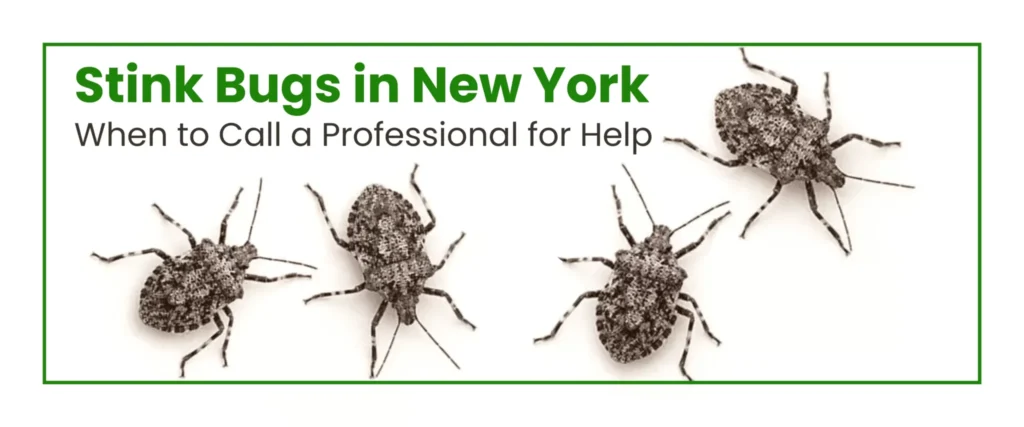
Stink Bugs in New York: When to Call a Professional for Help Stink bugs, often a nuisance to homeowners, are shield-shaped insects known for their unpleasant odor when disturbed. Native to Asia, they were introduced to the United States in the late 1990s and have since spread rapidly. New York is among the states heavily impacted by these pests, particularly during autumn when they seek warmer indoor environments to hibernate. Understanding these Pests for New York Residents Understanding stink bugs is crucial for New York residents for several reasons: Property Damage: While they do not bite or pose a health risk, stink bugs can cause damage to crops and ornamental plants. Nuisance Pest: Their tendency to invade homes during colder months can be incredibly frustrating, as they are difficult to eliminate. Prevention and Control: Knowledge about stink bug behavior can help residents prevent infestations and implement effective control measures. What Do Stink Bugs Look Like? Physical Appearance of Stink Bugs Stink bugs are typically about 17 mm long and have a distinctive shield-shaped body. Their color varies from brown to green, often with mottled patterns. They possess a triangular-shaped head with piercing-sucking mouthparts and two pairs of wings. Adult Stink Bugs vs Baby Stink Bugs Adult stink bugs are the ones commonly seen invading homes. They have fully developed wings and a hardened exoskeleton. Baby stink bugs, or nymphs, are smaller and lack wings. They are typically bright green in color and gradually darken as they mature. Nymphs also have a softer exoskeleton compared to adults. Life Cycle of Stink Bugs Stink Bug’s life Stages, from Eggs to Adults Stink bugs undergo a gradual metamorphosis, which means they don’t have a pupal stage like butterflies or moths. Their life cycle consists of three main stages: Egg: Female stink bugs lay their eggs in clusters on the undersides of leaves or stems. The eggs are typically barrel-shaped and change color from green to brown as they mature. Nymph: Once the eggs hatch, tiny, wingless nymphs emerge. These young stink bugs go through several molting stages as they grow, gradually developing wing pads. Nymphs are often brightly colored, making them stand out against the greenery. Adult: The final stage is the adult stink bug, recognizable by its shield-shaped body and fully developed wings. Appearance and Behavior of Baby Stink Bugs Baby stink bugs, also known as nymphs, are small and wingless. They often start out with a bright green color but darken as they mature. Initially, they tend to stay close to the hatched egg cluster, but as they grow, they become more mobile. Nymphs are active feeders and can cause damage to plants. What Do Stink Bugs Eat? Stink bugs are primarily herbivorous insects, with a diet that includes a wide variety of plants, fruits, and vegetables. Their piercing-sucking mouthparts allow them to feed by extracting juices from plants. They are particularly fond of fruits like apples, peaches, and tomatoes, as well as crops such as soybeans, corn, and peppers. Stink bugs may also feed on ornamental plants and trees, making them a common nuisance in both agricultural fields and home gardens. The feeding behavior of stink bugs is not only limited to consuming plant juices but also involves puncturing the surface of fruits and vegetables, leading to unsightly blemishes and reducing their market value, which makes them particularly troublesome for New York’s diverse agricultural landscape. Stink bugs can cause significant damage to crops by injecting enzymes into the plant tissues to break them down, which can result in deformities, discoloration, and premature fruit drop. This damage can severely impact the quality and yield of crops, posing a threat to both small-scale gardeners and large agricultural operations. For instance, apples, which are one of New York’s most important crops, are highly susceptible to stink bug damage. The punctures caused by their feeding can lead to “cat-facing,” a condition where the fruit develops scars and becomes unmarketable. What Are Stink Bugs Attracted To? Factors that attract stink bugs to homes and gardens Several factors can attract stink bugs to homes and gardens: Light: Stink bugs are often drawn to artificial light sources, especially at night. Warmth: As temperatures drop, they seek warmer environments, making homes attractive. Food sources: The presence of nearby plants, fruit trees, or gardens can lure stink bugs. Cracks and crevices: These provide entry points for stink bugs to enter homes. Seasonal behavior and movement patterns in New York Stink bug behavior in New York is influenced by the seasons: Spring and summer: Stink bugs are primarily outdoors, feeding and reproducing. Autumn: As temperatures cool, they seek sheltered areas for overwintering, often leading to home invasions. Winter: Stink bugs remain dormant indoors, emerging in spring when temperatures rise. Can Stink Bugs Fly? Stink bugs flying abilities Stink bugs are capable of flying, which plays a significant role in their ability to spread and invade new areas. Stink bugs have two pairs of wings: the front pair, which is tough and leathery, and the hind pair, which is membranous and used for flight. When stink bugs take off, they lift the front wings to reveal the hind wings, which they use to fly. Although they are not the most agile fliers, stink bugs can cover significant distances in search of food, mates, or shelter. Their flight is often slow and somewhat clumsy, but it allows them to disperse widely, making them difficult to control as they can easily enter homes through open doors, windows, or cracks. Insects That Look Like Stink Bugs While stink bugs are often easily recognizable, there are a few other insects that can be mistaken for them due to their similar shape or color. Insects that Resemble Stink Bugs Several insect species share similarities with stink bugs in terms of body shape, color, or even odor. These look-alikes can often cause confusion among homeowners. Box elder bug vs stink bug: Both box elder bugs and stink bugs have a similar shield-shaped body and often invade