Marquee Text
Limited-Time Discount: Save $50 on Your First Service as a New Customer!
Fleas

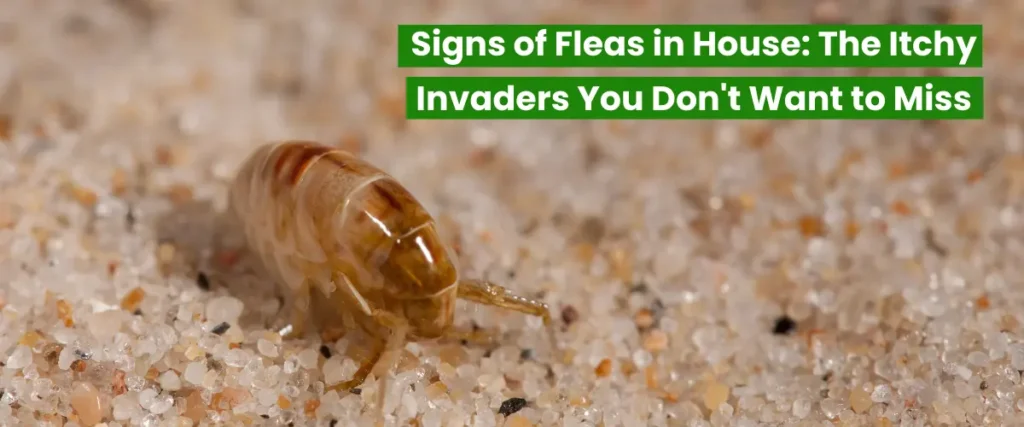
Signs of Fleas in House: The Itchy Invaders You Don’t Want to Miss

Fleas are tiny, wingless parasites that thrive on the blood of warm-blooded animals. While they primarily target pets like dogs and cats, flea infestations can easily spread to your home, causing discomfort and irritation for everyone. Early detection is crucial to prevent a full-blown infestation and the associated health risks  The Itchy Impact of Fleas Fleas aren’t just a nuisance; their bites can cause intense itching, redness, and even allergic reactions in pets and humans. Additionally, fleas can transmit diseases like tapeworms, posing a health risk for your furry friends. Furthermore, a flea infestation can leave your home feeling dirty and unhygienic. Why Early Detection Matters Fleas reproduce rapidly, and a small number can quickly turn into a large, difficult-to-control problem. By identifying the signs of fleas in house early on, you can take swift action to eradicate the fleas before they take over your house. Mythbusters: Debunking Flea Misconceptions There are many misconceptions surrounding fleas. Here are a few to clear up: Myth: Fleas only live on pets. (Fact): Fleas can survive for weeks off a host, living in carpets, furniture, and bedding. Myth: You can’t see fleas with the naked eye. (Fact): While adult fleas are small, they are visible to the human eye. Myth: Only dirty homes get fleas. (Fact): Fleas can infest even the cleanest homes brought in by pets or wildlife. What Causes a Flea Infestation? Understanding the Flea Life Cycle To effectively combat fleas, it helps to understand their life cycle. Fleas go through 03 stages:  Flea Eggs: Tiny (around 0.5mm), white, oval-shaped eggs, often found in clusters near pet bedding or carpets. Flea Larvae: Worm-like, translucent creatures, around 2-3mm long, feeding on organic debris and flea feces.  Adult Fleas: Reddish-brown, wingless insects, around 2-3mm long, with jumping ability.  Sources of a Flea Infestation Pets: The most common source of indoor flea infestations are pets that spend time outdoors or come into contact with other flea-infested animals. Wildlife: Rodents, raccoons, and other wild animals can introduce fleas into your home through openings or crawl spaces. Second-hand furniture: Used furniture, especially pet beds or throws, may harbor flea eggs or pupae. Environmental Factors Warm and humid conditions favor flea development. Flea eggs and larvae thrive in areas with high moisture content, such as damp basements, poorly ventilated rooms, and under carpets. How Do You Know If You Have a Flea Infestation? The key to tackling a flea problem lies in recognizing the signs early on. Here’s a breakdown of the common symptoms and tell-tale signs of a flea infestation: Physical Signs: Flea Bites: Both humans and pets can suffer from flea bites. These typically appear as small, red bumps, often clustered together in straight lines or patches. The bites can be very itchy and irritating. Flea Dirt: This is flea feces, and it looks like tiny black specks, resembling pepper flakes. Often found on your pet’s fur, bedding, or carpeting. To confirm it’s flea dirt, dampen a white paper towel and rub it on the specks. If the specks turn reddish-brown, it’s flea dirt (crushed flea blood). Spotting Adult Fleas: While small (around 2-3mm), adult fleas are visible to the naked eye. They are reddish-brown, wingless insects that jump quickly when disturbed. Parting your pet’s fur, especially around the base of the tail, neck, and behind the ears, might reveal live fleas. Behavioral Signs: Increased Scratching and Grooming: Excessive scratching, biting, and chewing at the fur are classic signs of flea irritation in pets. You might also notice hair loss in areas where your pet scratches frequently. Irritability and Restlessness: Pets with fleas often become agitated and restless due to the constant itching and discomfort. They might exhibit more frequent licking, scooting on the floor, and difficulty sleeping. Signs of Flea Infestation in House Fleas don’t just live on pets; they can establish themselves in your home environment as well. Look out for these signs within your house: Fleas in Carpets and Rugs: Fleas are attracted to dark, damp areas, and carpets and rugs provide the perfect breeding ground. Fleas might jump onto your ankles or legs as you walk on infested carpets. Fleas in Pet Bedding and Furniture: Your pet’s favorite spots like beds, throws, and furniture, are prime targets for fleas. Regularly check these areas for adult fleas, flea dirt, or flea eggs (tiny white ovals). Fleas in Cracks and Crevices: Fleas can hide in cracks in floors, baseboards, along walls, and under furniture. These areas provide a safe haven for fleas to lay eggs and develop. Tools for Detection: Flea Combs: Running a fine-toothed flea comb through your pet’s fur can trap adult fleas. Look for signs of flea dirt or live fleas on the comb. White Sock Test: Put on white socks and walk around barefoot on suspect areas like carpets or furniture. Fleas are attracted to movement and might jump onto your socks, making them easier to spot. Signs of Fleas in House Without Pets Believe it or not, fleas can establish themselves in a home even without resident pets. Here’s how: Previous Occupants: If your home had flea-infested pets in the past, flea eggs or pupae might have remained dormant in carpets, furniture, or cracks. When conditions are favorable (warm, humid), these eggs can hatch, leading to a new flea infestation. Wildlife Visitors: Rodents, raccoons, squirrels, and other wildlife can carry fleas into your home through openings or crawl spaces. Even brief encounters with these animals can introduce fleas into your house. Visitors’ Pets: If friends or family bring their flea-infested pets over, fleas can easily jump off their fur and establish themselves in your home environment. Signs to Watch Out For: In a pet-free home, keep an eye out for these indicators of a potential flea infestation: Unexplained Bites on Humans: Flea bites are not specific to pets, and humans can be bitten as well. If you experience itchy, red bumps, particularly clustered around your ankles, legs, or arms, it could be a sign of fleas. Fleas
Mosquito Control

Why Knowing When is Mosquito Season in New York Matters

Understanding when is mosquito season in New York isn’t just about avoiding itchy bites. Mosquitoes can also transmit diseases, making awareness of their peak activity crucial. In New York, mosquito season generally runs from late April to October. However, this timeframe can fluctuate slightly depending on a few key factors. Typical Start and End Dates General timeframe: As mentioned earlier, mosquito season in New York typically stretches from late April to October. This coincides with warmer temperatures and increased rainfall, creating ideal conditions for mosquito breeding and activity. Variations within the season: Even within this timeframe, mosquito activity can fluctuate. Early springs with temperatures consistently above 50°F (10°C) can trigger an earlier emergence. Conversely, colder falls can delay the decline in mosquito populations. Local variations: Mosquito activity can also vary depending on specific locations within New York. Areas with more standing water sources like ponds, wetlands, or clogged gutters might experience higher mosquito populations throughout the season. Factors Affecting Mosquito Season: Temperature: Temperature plays a critical role. Mosquitoes are cold-blooded insects, meaning their activity level is directly tied to ambient temperature. Once temperatures consistently surpass 50°F (10°C), expect to see an increase in mosquito activity. Conversely, cooler temperatures slow down their metabolism and limit their biting behavior. Rainfall: Mosquitoes lay their eggs in stagnant water sources. Periods of heavy rainfall can create temporary breeding grounds in puddles, clogged gutters, or containers left outdoors. This can lead to population surges and extend the overall mosquito season. Conversely, dry periods can limit breeding and reduce mosquito activity. Climate Change: Unfortunately, climate change is a factor influencing mosquito season. Rising global temperatures can lead to earlier springs and warmer falls, extending the period suitable for mosquito activity. Additionally, milder winters may allow some mosquito populations to survive longer, potentially leading to year-round presence in certain areas. When Does Mosquito Season End in New York? While the official “end” of mosquito season in New York is generally marked by late October, the exact timing can vary depending on several factors: Temperature: As with the start of the season, temperature plays a crucial role in their retreat. The first consistent frosts, typically occurring in late October or November, signal the arrival of colder weather that significantly reduces mosquito activity. As temperatures dip below 50°F (10°C), mosquito metabolism slows down, and many adult mosquitoes die off. Rainfall Patterns: Extended periods of dry weather towards the end of summer can limit mosquito breeding and accelerate the decline in their populations. Conversely, late-season rainfall events can create temporary breeding grounds and prolong their activity. Local Factors: Microclimates within specific locations can influence the end of mosquito season. Urban areas with a higher concentration of heat-retaining surfaces like asphalt might experience slightly extended mosquito activity compared to rural areas. Average End Dates and Variations: Based on historical weather patterns, you can expect mosquito season to wind down in: Late October: This is the most common scenario with consistent cool nights and the first frosts. Early November: Particularly dry autumns can see a significant reduction in mosquito activity by early November. Mid-November (or Later): Unusually warm falls with late frosts might extend mosquito activity into mid-November, especially in urban areas. Mosquito-Borne Diseases in New York While the itchy welts from mosquito bites are certainly annoying, a more significant concern is the potential transmission of diseases. Here’s an overview of some mosquito-borne diseases in New York: Mosquito-Borne Diseases: West Nile Virus (WNV): This is the most common mosquito-borne illness in New York. WNV can cause flu-like symptoms, but in severe cases, it can lead to meningitis or encephalitis (inflammation of the brain or spinal cord). Eastern Equine Encephalitis (EEE): This is a rare but serious mosquito-borne disease that can cause inflammation of the brain. Symptoms can range from mild fever to seizures and coma. La Crosse encephalitis (LAC): Another mosquito-borne disease that primarily affects children, causing fever, headache, nausea, and vomiting. In severe cases, it can lead to seizures or coma. Are Mosquito Larvae Dangerous? While adult mosquitoes are the ones responsible for those itchy bites and potential disease transmission, let’s take a closer look at their life cycle, specifically the larval stage. The Mosquito Life Cycle: Mosquitoes undergo a complete metamorphosis, meaning they go through four distinct stages: egg, larva, pupa, and adult. The larval stage is aquatic, meaning they live in water. Eggs: Female mosquitoes lay their eggs in or near stagnant water sources. Larvae: Once hatched, mosquito larvae spend most of their time feeding and developing in the water. They are easily identified by their elongated, wiggling bodies and lack of wings. Pupae: After several molts, the larva transforms into a pupa, a non-feeding stage where metamorphosis into an adult mosquito takes place. Adult: The pupa emerges from the water as a flying adult mosquito, ready to mate and lay eggs, continuing the cycle. Potential Dangers of Mosquito Larvae: While mosquito larvae themselves don’t bite or transmit diseases, their presence indicates a suitable breeding ground for adult mosquitoes. Here’s why controlling mosquito larvae is crucial: Increased Mosquito Population: Uncontrolled larval populations can lead to a surge in adult mosquito numbers, increasing the risk of bites and potential disease transmission. Habitat for Other Pests: Stagnant water with mosquito larvae can also attract other unwanted insects, creating a breeding ground for a variety of pests. Preventative Measures to Control Mosquito Larvae: The good news is that you can take steps to prevent mosquito larvae from developing in your surroundings: Eliminate Stagnant Water Sources: This is the key! Regularly empty any containers that hold water, such as birdbaths, tires, or clogged gutters. Even a small amount of water can be enough for mosquito larvae to breed. Keep Gutters Clean: Clogged gutters can collect rainwater and become prime breeding grounds for mosquitoes. Ensure proper drainage around your property. Introduce Mosquito-Eating Fish: Fish like goldfish or mosquito fish can help control mosquito larvae populations in ponds or water features. By taking these measures, you can significantly reduce the number of adult mosquitoes

Pigeons

Why New York Pigeons Are Worse Than You Think

Pigeons have long been a familiar sight in urban environments, including New York City. They are often perceived as harmless, even endearing, creatures. Their constant presence has made them almost a symbol of the city for many. However, this benign image masks a more complex reality. Types of Pigeons in NY and their Behavior While the term “pigeon” is often used generically, there are actually several species and subspecies found in New York City. The most common is the Rock Dove, which is the ancestor of domesticated pigeons. These birds have adapted remarkably well to urban life, thriving in the city’s unique ecosystem. Rock Dove: The quintessential city pigeon, characterized by its grey and white plumage. They are highly adaptable and can be found in every borough. Feral Pigeon: A domesticated pigeon that has reverted to a wild state. They often exhibit a mix of domestic and wild behaviors. Hybrids: Crossbreeds between Rock Doves and domesticated pigeons, displaying a variety of colors and patterns. Pigeons of new york are Problematic While pigeons might seem innocent, their behavior can cause significant issues for city dwellers and infrastructure.The behavior of the pigeons, particularly their ability to thrive in urban settings, contributes to their problematic nature. They are highly adaptable, finding food and shelter with ease. Their rapid reproduction rate allows them to maintain large populations. Additionally, their fearless nature and tendency to flock can lead to aggressive behavior and property damage. Disease Transmission: Pigeons can carry and transmit diseases such as histoplasmosis, salmonellosis, and cryptococcosis. Their droppings can contaminate food sources and public areas. Property Damage: Pigeon droppings are acidic and can damage buildings, statues, and vehicles. Nesting materials can clog gutters and air conditioning units. Public Health Concerns: Large pigeon populations can create unsanitary conditions and attract other pests. Their droppings can also trigger allergies and respiratory problems in humans. Noise Pollution: Large flocks of pigeons can produce excessive noise, disturbing residents and businesses. Agricultural Damage: In some cases, pigeons can cause damage to crops and compete with other bird species for resources. The Problems Caused by New York Pigeons Health Risks Associated with Pigeon Presence While pigeons might seem harmless, they pose significant health risks to city dwellers. Disease Transmission: Pigeons can carry and transmit various diseases, including: Histoplasmosis: A lung infection caused by inhaling spores from pigeon droppings. Cryptococcosis: A fungal infection that can affect the lungs, brain, and other organs. Salmonellosis: A bacterial infection causing diarrhea, fever, and abdominal cramps. Psittacosis: A respiratory disease caused by a bacteria found in pigeon droppings. Allergies and Respiratory Issues: Pigeon droppings can trigger allergic reactions and respiratory problems, especially in individuals with asthma or other sensitivities. Damage to Property and Infrastructure Pigeon infestations can cause substantial damage to both residential and commercial properties. Building Damage: Pigeon droppings are acidic and can erode building facades, statues, and monuments. Nesting materials can clog gutters and drains, leading to water damage. Vehicle Damage: Pigeon droppings can damage car paint and windshields, making them unsightly and reducing the vehicle’s value. Public Health and Safety: Accumulated droppings create slippery conditions, increasing the risk of falls and accidents. How Pigeons Adapt to Urban Environments Pigeons have demonstrated remarkable adaptability to urban living, allowing them to thrive in the concrete jungle. Food Availability: Human activities provide a consistent food source for pigeons. Leftovers, crumbs, and discarded food attract them to parks, sidewalks, and garbage areas. Shelter and Nesting Sites: Buildings offer ample shelter and nesting opportunities. Rooftops, ledges, and crevices provide safe havens for pigeons to roost and raise young. Lack of Natural Predators: The absence of natural predators in urban environments allows pigeon populations to grow unchecked. Reasons for Their Large Population Despite Urban Challenges Despite the challenges of city life, pigeon populations continue to flourish. High Reproductive Rate: Pigeons have a high reproductive rate, producing multiple broods per year. This rapid reproduction contributes to population growth. Human Feeding: The practice of feeding pigeons encourages their presence and leads to increased population densities. Lack of Effective Control Measures: Challenges in implementing and enforcing pigeon control measures contribute to their persistence. Environmental Impact and Concerns Impact on Local Ecosystems and Other Bird Species While pigeons have adapted remarkably to urban environments, their presence can negatively impact local ecosystems and other bird species. Competition for Resources: Pigeons compete with native bird species for food and nesting sites, potentially displacing them from their preferred habitats. Disease Transmission: Pigeons can carry diseases that may be transmitted to other bird species, impacting their populations. Ecological Imbalance: Large pigeon populations can disrupt the delicate balance of urban ecosystems, leading to unforeseen consequences for other wildlife and plant life. Contribution to Urban Pollution and Sanitation Issues Pigeon droppings contribute significantly to urban pollution and sanitation problems. Air Quality: Droppings release ammonia and other pollutants into the air, contributing to respiratory issues and air quality degradation. Water Contamination: Runoff from contaminated areas can carry harmful bacteria and pathogens into waterways, posing risks to aquatic life and human health. Aesthetic Impact: Pigeon droppings and nests can deface buildings, monuments, and public spaces, diminishing the city’s visual appeal. Ethical Considerations: Removing Pigeons Humanely The increasing awareness of animal welfare has led to a growing demand for humane and ethical pest control methods. When dealing with pigeons, it’s essential to prioritize solutions that minimize harm to the birds while effectively addressing the problems they cause. How to Get Rid of Pigeons Naturally Numerous humane methods can be employed to discourage pigeons from inhabiting specific areas. Physical Barriers: Bird netting: Creating a physical barrier to prevent pigeons from accessing roosting or nesting sites. Bird spikes: Deterrents that make landing surfaces uncomfortable for pigeons. Wire mesh: Used to cover vents and openings to prevent entry. Visual Deterrents: Scarecrows and decoys: Mimicking predators or other threats to scare pigeons away. Reflective objects: Using shiny materials to create a disorienting effect. Laser deterrents: Employing laser beams to disrupt pigeon behavior. Auditory Deterrents: Ultrasonic devices: Emitting high-frequency sounds that are unpleasant to

General

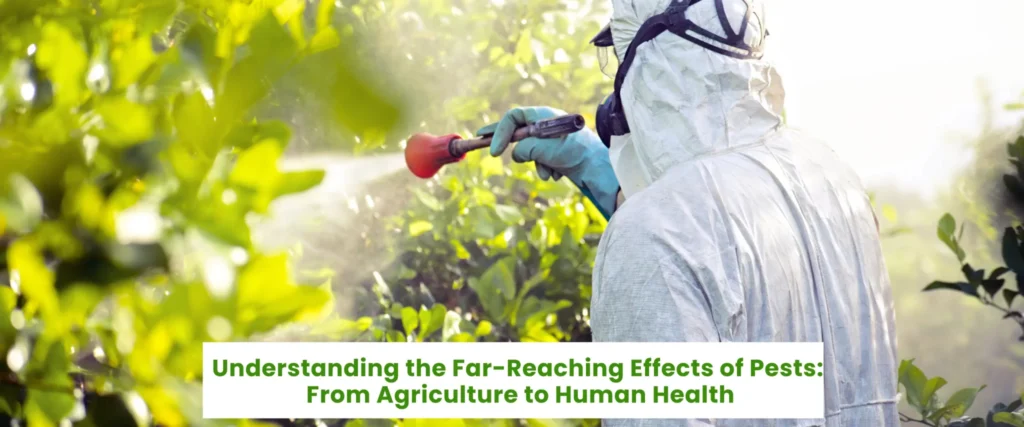
Understanding the Far-Reaching Effects of Pests: From Agriculture to Human Health

Imagine a world where our food supply is under constant attack. Billions of hungry insects, rodents, and diseases threaten our crops and livestock, leaving us with empty shelves and rising food prices. This isn’t a dystopian future, but a very real possibility without effective pest control. This blog delves into the critical role pest control plays in agriculture. We’ll explore the devastating effects pests have on crops, livestock, and ultimately, human health. We’ll also examine the various pest control services available to farmers, from modern techniques to the benefits of professional intervention. The Role of Pest Control in Agriculture Why is Pest Control Important in Agriculture? Pests are a constant threat to agricultural productivity. From insects devouring crops to rodents spreading diseases, even a small infestation can have a significant impact. Here’s why pest control is crucial: Maintaining Crop Health and Productivity: Pests directly damage crops, reducing yields and overall quality. Left unchecked, infestations can lead to crop failure, impacting food security and causing economic hardship for farmers. Economic Impact of Pest Infestations: The losses due to pests are staggering. Studies show that pests can destroy or damage up to 40% of global food production annually. Effective pest control helps farmers minimize these losses and ensure financial stability. Agricultural Pest Control Services Modern Techniques and Methods: Gone are the days of solely relying on broad-spectrum pesticides. Today, agricultural pest control utilizes a multi-pronged approach, including: Integrated Pest Management (IPM): This strategy emphasizes monitoring pest populations, identifying the specific pest, and using targeted methods like biological control (natural predators) or cultural practices (planting cycles) to minimize reliance on chemical solutions. Biopesticides: These are naturally derived pesticides that target specific pests while minimizing harm to beneficial insects and the environment. Precision Agriculture: Modern technology allows for targeted application of pesticides using drones or GPS-guided equipment, reducing waste and environmental impact. Benefits of Professional Pest Control Services While farmers can implement some basic pest control practices, professional services offer distinct advantages: Expertise and Experience: Professionals have the knowledge and experience to identify specific pests and recommend the most effective control methods. Access to Advanced Technologies: They have access to specialized equipment, formulations, and application techniques for better pest control. Reduced Risk of Environmental Damage: Professionals understand the importance of using pest control methods responsibly, minimizing environmental impact. Effects of Pests and Diseases on Agriculture Crop Damage and Losses Pests and diseases are the arch villains of agriculture, wreaking havoc on crops and causing significant losses. These tiny invaders can devastate entire fields, leaving farmers with withered dreams and empty pockets. Examples of Pest Damage: Insects: Locusts: These ravenous grasshoppers can form massive swarms that devour entire fields in a matter of hours. Aphids: These sap-sucking insects weaken plants and transmit harmful viruses. Corn Borers: These caterpillars tunnel into corn stalks, reducing yields and causing the plants to collapse. Diseases: Fungal Blights: These diseases cause crops to rot and wilt, often leaving behind discolored and inedible produce. Bacterial Wilt: This disease clogs a plant’s vascular system, preventing water and nutrients from reaching the leaves and fruit, leading to wilting and death. Viral Infections: Viruses can stunt plant growth, deform fruits, and render crops unmarketable. The specific damage caused by pests and diseases varies depending on the crop and the type of invader. However, the end result is often the same: reduced yields, lower quality produce, and ultimately, crop failure. Economic Impact The financial losses due to pests and diseases are staggering. Studies estimate that these threats can destroy or damage up to 40% of global food production annually. This translates to billions of dollars lost in revenue for farmers, impacting not only their livelihoods but also the global food supply chain. Food Prices and Supply Chain Disruptions: Pest infestations can lead to significant price hikes for consumers. When crops are damaged or destroyed, the resulting scarcity drives up prices, making food less affordable for everyone. Additionally, disruptions in the supply chain caused by widespread pest outbreaks can lead to food shortages in certain regions. Environmental Consequences The battle against pests often has unintended consequences for the environment. In an attempt to protect their crops, farmers may resort to heavy pesticide use. While these chemicals effectively target pests, they also harm beneficial insects, pollinator populations, and soil health. This can disrupt ecosystems and lead to the development of pesticide resistance in pest populations, creating a never-ending cycle of chemical use. Effects of Pests on Human Health Pests aren’t just a nuisance; they pose a significant threat to human health. Their presence can cause both direct health problems and significant psychological distress. Direct Health Risks Pests can directly harm our health through: Bites and Stings: Many pests, like mosquitoes, bees, and wasps, can bite or sting, causing pain, swelling, and allergic reactions in some individuals. Severe allergic reactions can be life-threatening and require immediate medical attention. Allergic Reactions: Pests like cockroaches, mites, and rodents shed skin and droppings that can trigger allergic reactions, including asthma attacks, itchy eyes, and difficulty breathing. Contamination: Rodents and insects can contaminate food and surfaces with bacteria, viruses, and parasites. These contaminants can lead to foodborne illnesses like salmonellosis and E. coli. Common Culprits: Mosquitoes: These insects transmit a variety of diseases, including malaria, dengue fever, and Zika virus. Bed Bugs: Their bites can cause itchy welts and disrupt sleep, leading to fatigue and anxiety. Rodents: Rats and mice can carry and spread diseases like hantavirus and leptospirosis through their droppings and urine. Disease Transmission Pests often act as vectors, transmitting diseases between animals and humans. They can carry pathogens on their bodies or in their saliva, which are then introduced into the human body through bites, stings, or contaminated food. This is how diseases like Lyme disease (carried by ticks) and plague (carried by fleas) are spread. Psychological Impact Living with a pest infestation can be a stressful and anxiety-inducing experience. The constant worry about bites, stings, and contamination can disrupt sleep patterns and negatively impact mental well-being. Additionally,

General

What are the benefits of pest control? How Proactive Control Protects Your NYC Property

What are the benefits of pest control? How Proactive Control Protects Your NYC Property Living in a vibrant city like NYC comes with many perks, but it also means sharing your space with a variety of unwelcome guests – pests. From scuttling cockroaches to disease-carrying rodents, pests can quickly turn your dream apartment or rental property into a nightmare. This is where pest control comes in, playing a vital role in protecting your property, your health, and your peace of mind. Importance of Pest Control in Urban Settings Like NYC New York City, with its densely packed buildings, abundance of food sources, and easy access to shelter, creates a perfect haven for pests. Here’s why pest control is crucial in this urban environment:   Public Health Concerns: Pests can transmit a variety of diseases, some of which can be serious. Rodents can spread diseases like leptospirosis and hantavirus, while cockroaches can trigger allergies and asthma. Property Damage: Pests like termites and rodents can cause significant damage to buildings, gnawing on wires and burrowing through walls. This can lead to costly repairs and potential safety hazards. Decreased Property Value: A property with a pest problem is less desirable and can fetch a lower rent or selling price. Mental Stress: Sharing your living space with unwanted creatures can be stressful and disrupt your sense of comfort. Understanding Pest Control in NYC Pest control refers to the professional management of unwanted insects, rodents, and other animals in your property. It involves identifying the type of pest, implementing strategies to eliminate them, and preventing their return. Why Pest Control is Crucial for Property Owners in NYC: As a property owner in NYC, pest control is not just an option, it’s a responsibility. Here’s why: Legal Requirements: Landlords in NYC have a legal obligation to provide tenants with a pest-free environment. This includes taking action to address existing infestations and implementing preventative measures. Protecting Your Investment: Regular pest control helps safeguard your property from damage caused by pests, saving you money on repairs and replacements. Maintaining Property Value: A pest-free property is more appealing to potential tenants and buyers, leading to higher rental income and resale value. Peace of Mind: Knowing your property is protected from pests allows you and your tenants to enjoy a healthy and comfortable living environment. The Benefits of Regular Pest Control Does Regular Pest Control Kill Termites? Unfortunately, regular pest control treatments may not necessarily eliminate existing termite infestations. These treatments are primarily designed to prevent new infestations by creating a barrier around your property that deters termites and other pests. However, regular pest control does play a crucial role in termite control for NYC property owners: Early Detection: Regular inspections by a licensed pest control professional can identify signs of termite activity early on, allowing for a swift and targeted treatment before the infestation spreads. Preventative Measures: Regular treatments create a barrier around your property, making it less attractive to termites searching for new food sources. Long-Term Protection: Consistent pest control helps maintain this protective barrier, minimizing the risk of future termite problems. Importance of Termite Control in NYC Termites are particularly destructive pests in NYC due to the prevalence of older buildings with wooden structures. Here’s why termite control is vital: Structural Damage: Termites can silently eat away at the wooden beams and supports of your building, leading to costly repairs and potential structural instability. Financial Loss: Extensive termite damage can significantly decrease your property’s value and force you to spend a fortune on repairs. Safety Hazards: Weakened structures due to termite damage can pose serious safety risks to residents and occupants. Pest Control During Property Renovation Pest Control for Property Renovation Renovation projects, with their exposed walls, piles of debris, and potential disruption to natural pest barriers, can create a prime opportunity for pests to make themselves at home. Here’s how to address this challenge: Pre-Renovation Inspection: Schedule a thorough inspection by a pest control professional before starting renovations. This allows them to identify any existing pest issues and recommend preventative measures. Sealing Entry Points: Renovation projects often create new openings in walls and around pipes. Ensure these are properly sealed to prevent pests from entering the building. Debris Removal: Promptly remove construction debris to eliminate potential food sources and nesting sites for pests. Post-Renovation Treatment: Once the renovation is complete, consider a preventative treatment to solidify your pest defenses. Benefits of Integrating Pest Control with Renovation Efforts Taking a proactive approach by integrating pest control with your renovations offers several benefits: Cost-Effectiveness: Addressing potential pest problems during renovation is often easier and less expensive than dealing with a full-blown infestation later. Long-Term Protection: By implementing preventative measures during renovation, you create a more consistent and effective barrier against future pest problems. Peace of Mind: Knowing your newly renovated property is protected from pests allows you and your tenants to enjoy a comfortable and worry-free living space. Property Management and Pest Control Property Management Pest Control Property managers play a critical role in maintaining a pest-free environment for tenants and protecting the owner’s investment. Here’s how: Proactive Measures: Implementing preventative pest control programs can significantly reduce the risk of infestations. Tenant Education: Educating tenants about proper sanitation practices and reporting potential pest sightings helps maintain a proactive approach. Communication & Collaboration: Clear communication with tenants regarding pest control procedures and expectations ensures everyone is on the same page. Compliance with Regulations: Property managers are responsible for ensuring compliance with local regulations regarding pest control in rental properties. Strategies for Effective Pest Control in Rental Properties Effective pest control in rental properties requires a multi-pronged approach: Regular Inspections: Schedule regular inspections by a licensed pest control professional to identify potential problems early on. Preventative Maintenance: Focus on sealing potential entry points for pests, such as cracks around windows and doors. Tenant Cooperation: Encourage tenants to maintain a clean and sanitary living environment by disposing of garbage properly and avoiding clutter. Quick Response: Address any reported pest sightings

General

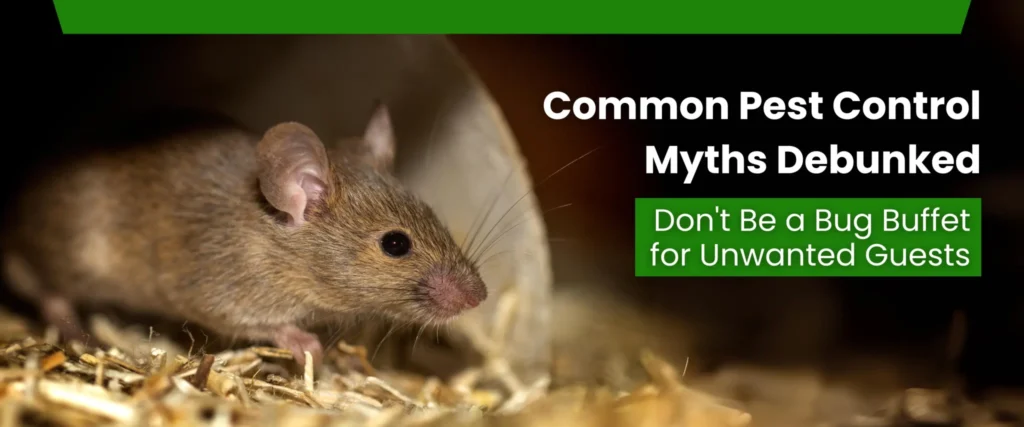
Common Pest Control Myths Debunked

Common Pest Control Myths Debunked: Don’t Be a Bug Buffet for Unwanted Guests Did you know that a single female cockroach can lay up to 300 eggs in her lifetime? That’s a recipe for a full-blown infestation if left unchecked! Pests can quickly take over your home, creating a stressful and unhealthy environment. While pest control is essential for maintaining a pest-free haven, many myths can lead homeowners down the path of ineffective DIY solutions. Keeping your home free of unwanted critters is crucial for your health, comfort, and property value. However, misconceptions surrounding professional pest control services can cause people to rely on unreliable DIY methods. This blog aims to dispel these common myths and highlight the numerous advantages of professional pest control, ensuring a safe and pest-free home. Let’s shed light on the truth and explore why professional pest control is the ultimate weapon in your battle against NYC’s persistent pest problems. Myth #1: DIY Methods Are Just As Effective As Professional Pest Control The allure of DIY pest control is undeniable. Over-the-counter products are readily available, often promising a quick fix. Additionally, the upfront cost of professional services can be a deterrent for some homeowners. Debunking the Myth: While DIY products might offer temporary relief for minor infestations, they often fall short in the long run. Here’s why professional pest control reigns supreme: Expertise and Experience: Licensed pest control professionals undergo extensive training in pest biology, behavior, and the most effective control methods. They have a deep understanding of pest lifecycles and can target them at their most vulnerable stages, eradicating the problem at its root. Effective Tools and Products: Professionals have access to a specialized arsenal of pest control products and tools unavailable to the public. These advanced solutions are often safer and significantly more effective than store-bought options, ensuring a targeted approach that minimizes risks to your family and pets. Case Study: Imagine weeks of frustration battling a persistent ant problem with DIY sprays and traps. The ants might disappear for a short while, but the hidden colony likely thrives beneath the surface. A professional, however, can locate the source of the infestation, like a hidden nest in your walls, and eliminate it entirely, preventing future ant armies from marching through your kitchen. Myth #2: Professional Pest Control is Too Expensive The upfront cost of hiring a professional pest control company can be a major deterrent for some homeowners. They might believe that a few DIY products from the local store will be a cheaper solution. Debunking the Myth: While the initial cost of professional services might seem higher, it’s crucial to consider the long-term savings and value they offer: Cost vs. Value: DIY products often require repeated applications, leading to greater expense over time, especially if the infestation persists. Professionals use targeted treatments, minimizing the need for multiple applications. Additionally, ineffective DIY attempts can worsen the problem, leading to costly repairs from pest damage. Preventative Measures: Professional pest control companies often offer preventative maintenance plans. These regular inspections and treatments can identify and address potential problems before they escalate into full-blown infestations, saving you money on extensive treatments down the line. Case Study: Imagine spending months and money on DIY products to control a bed bug infestation. These resilient pests can quickly spread throughout your home, requiring professional intervention and potentially expensive furniture replacements. A professional would have identified the problem early, contained the infestation, and saved you money and stress. Myth #3: Professional Pest Control is Harmful to Health and the Environment Many people are concerned about the safety of chemicals used in pest control treatments, especially for children and pets. Additionally, there might be worries about the environmental impact of these products. Debunking the Myth: The pest control industry has undergone significant advancements in recent years, prioritizing safety and environmental responsibility: Regulations and Safety Standards: Professional companies adhere to strict regulations set by the Environmental Protection Agency (EPA) to ensure the safe use of pest control products. They prioritize targeted applications and integrated pest management (IPM) techniques, minimizing the amount of product used. Eco-Friendly Options: Modern pest control companies offer a variety of eco-friendly products and methods. These include bait traps, biological controls, and natural insecticides derived from plants. Professionals can recommend the safest and most effective solutions for your specific needs. Case Study: A family with young children discovers a termite infestation in their home. Worried about chemical exposure, they choose a professional company that utilizes eco-friendly termite control methods like bait stations. This effectively eliminates the termites without harming their children or the environment. Myth #4 – Professional Pest Control is Only Necessary for Severe Infestations Many homeowners believe that professional pest control is only a last resort for extreme infestations with visible signs of pests. They might think a few bugs here and there aren’t a big deal. Debunking the Myth: The benefits of professional pest control extend far beyond addressing full-blown infestations. Regular, preventative pest control services offer numerous advantages: Early Detection and Prevention: Professional companies have the expertise to identify potential entry points and signs of pest activity that homeowners might miss. Early intervention allows them to address the problem before it escalates, saving you time, money, and stress. Maintenance Plans: Many pest control companies offer ongoing maintenance plans. These regular inspections and treatments create a barrier against future infestations and provide peace of mind knowing your home is protected year-round. Case Study: Imagine noticing a single cockroach in your kitchen. You might dismiss it as a one-time occurrence, but it could be a sign of a larger problem hidden from view. A professional inspection could reveal a small nest behind your refrigerator, allowing for early eradication before the infestation spreads throughout your home. Myth #5 – Pests Will Always Come Back Even After Professional Treatment Some people are skeptical about the long-term effectiveness of professional pest control, believing that pests inevitably return after treatment. Debunking the Myth: NYC Professional pest control offers long-lasting solutions when

General

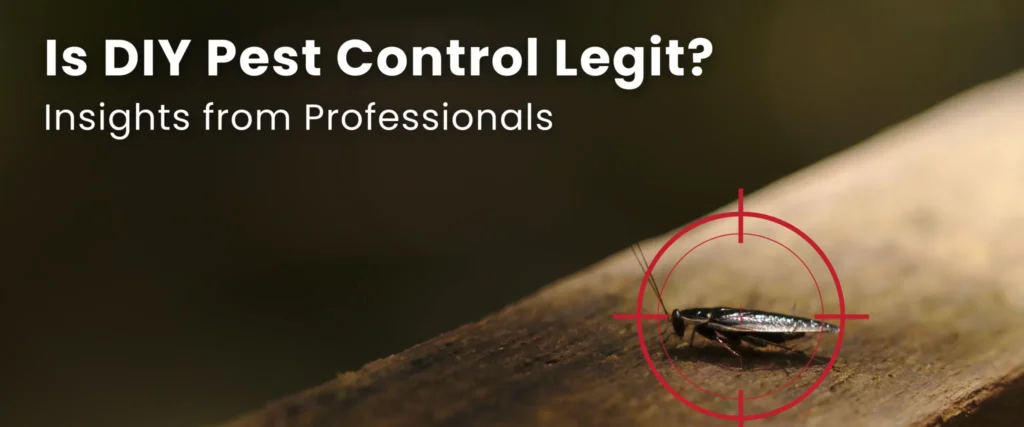
Is DIY Pest Control Legit? Insights from Professionals

Is DIY Pest Control Legit? Insights from Professionals New York City, with its bustling energy and diverse population, also provides a haven for unwanted critters. From resilient roaches that navigate the subway system to elusive bed bugs that hitch rides on luggage, pest control is a constant battle for many NYC residents. Throw in factors like densely packed buildings with shared walls and frequent movement of people and goods, and you have a recipe for complex pest problems. This blog aims to shed light on the legitimacy and effectiveness of DIY pest control methods. We’ll delve into the different approaches, popular products, and their limitations to help you decide if DIY is the right approach for your NYC pest problem. Understanding DIY Pest Control DIY Pest Control: Taking Matters Into Your Own Hands DIY pest control involves taking a hands-on approach to eliminating unwanted pests from your home or apartment. This can involve a variety of methods, including: Traps: These come in various forms, like snap traps for rodents, glue traps for insects, and baited traps that lure pests in and kill them. Sprays: Insecticidal sprays target specific pests or offer broad-spectrum control. However, these require careful application to avoid harming humans or pets. Baits: These attract and poison pests, offering a slower but potentially more targeted approach. Examples include gel baits for roaches and ants, or bait stations for rodents. Natural Repellents: Certain natural products like diatomaceous earth or essential oils may deter pests, but their effectiveness can vary depending on the pest and application method. NYC’s Most Unwanted: Common Pests Targeted by DIY Methods Not all pests are created equal, and some are more susceptible to DIY methods than others. Roaches: NYC’s notorious roaches can be tackled with a combination of baits, traps, and sealing entry points. Mice and Rats: While traps and baits can be effective for small infestations, addressing the root cause (entry points) is crucial. For larger infestations, professional help is often recommended. Bed Bugs: Due to their rapid reproduction and difficulty in eradication, DIY methods for bed bugs are generally not recommended. Their life cycle requires a multi-pronged approach best handled by professionals. It’s important to note that this list is not exhaustive, and some pests like termites require professional intervention due to the complexity of treatment. Your DIY Arsenal: Popular Products and Tools for Self-Inflicted Pest Control The world of DIY pest control offers a range of products and tools. Here’s a closer look at some of the most popular options: Snap Traps: These classic traps are effective for catching rodents, but require proper placement and baiting for success. Glue Traps: These work well for crawling insects but can be messy and pose a risk to non-target animals like pets. Insecticidal Sprays: While readily available, these require caution as they can be harmful if not used correctly. Read and follow all label instructions carefully. Baits: Gel baits and bait stations offer a targeted approach, but effectiveness can vary depending on the pest and bait type. Diatomaceous Earth: This natural powder acts as a desiccant, dehydrating pests on contact. However, its effectiveness can be limited by moisture and requires careful application to avoid inhalation risks. Does DIY Pest Control Work? DIY or Die Trying? Weighing the Pros and Cons of Self-Inflicted Pest Control This section dives deeper into the effectiveness of DIY pest control, exploring both its advantages and disadvantages. Pros: Cost-effective: DIY methods can be cheaper upfront compared to professional services. Convenience: Tackling the problem yourself offers a sense of control and allows for immediate action. Readily available products: Many DIY pest control products are readily available at hardware stores or online retailers. Cons: Limited Effectiveness: DIY methods may not be strong enough for severe infestations or certain types of pests. Safety Concerns: Insecticides and other pest control products can be harmful if not used correctly. Time Commitment: Implementing and maintaining a DIY strategy can be time-consuming. Identifying the Pest: Accurate pest identification is crucial for choosing the right treatment methods. When DIY Might Be Your Weapon of Choice: Situations Suited for Self-Inflicted Pest Control Not all pest problems require professional intervention. Here are some situations where DIY methods might be effective: Small, Early Infestations: If you catch a pest problem early before it escalates, DIY methods might provide a solution. Non-Aggressive Pests: For less aggressive pests like occasional ants or spiders, DIY traps or repellents could be sufficient. Preventative Measures: DIY methods can be helpful for preventative measures like sealing entry points or using natural repellents. Professional Pest Control Explained what do professional pest control use? Professional pest control companies have access to a wider range of tools and techniques compared to DIY methods. Here’s a glimpse into their arsenal: Professional-grade Pesticides: Professionals use EPA-registered pesticides that are often more potent than readily available DIY products. Specialized Equipment: They may employ specialized equipment for tasks like injecting pesticides into walls, heat treatments for bed bugs, or fumigation for severe infestations. Integrated Pest Management (IPM): Professional companies often use an IPM approach, combining various methods to target the specific pest and prevent future problems. Why Hire the Pros? Benefits of Professional Pest Control Services Professional pest control offers several advantages: Guaranteed Results: Many professional companies offer guarantees on their services, ensuring a successful outcome. Expertise and Experience: Professionals have the knowledge and experience to identify pests, choose the right treatment, and ensure proper application. Safety and Efficiency: They are trained in the safe handling of pesticides and can complete the job efficiently, minimizing disruption to your home. Long-Term Solutions: Professionals can address the root cause of pest problems, preventing future infestations. Pest Control Do It Yourself VS Professional: A Side-by-Side Comparison Cost Crunch: DIY Affordability vs. Professional Investment This section compares the cost implications of DIY and professional pest control. DIY: While seemingly cheaper upfront, DIY methods might require repeated purchases if the infestation persists. Factor in the cost of multiple products, bait refills, and potential wasted resources. Professional: While the initial

Property Management

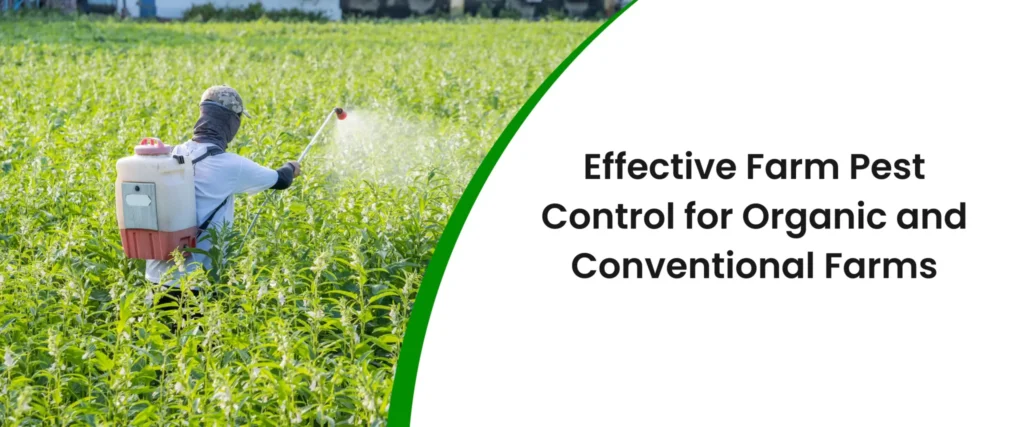
Guide to Effective Farm Pest Control for Organic and Conventional Farms

Comprehensive Guide to Effective Farm Pest Control for Organic and Conventional Farms From juicy berries to crisp lettuce, American farms provide the bounty that graces our tables. But lurking beneath the surface of this idyllic image is a constant battle – the fight against farm pests. These unwelcome guests can wreak havoc on crops, reducing yields and impacting the livelihoods of farmers. This comprehensive guide dives deep into the world of farm pest control, exploring strategies for both organic and conventional farms. We’ll explore the importance of pest control, the challenges it presents, and most importantly, effective solutions to keep your crops thriving. Understanding Farm Pest Control What is Farm Pest Control and Why is it Important? Farm pest control is the practice of managing populations of insects, rodents, weeds, and other organisms that can damage crops and livestock. Effective pest control is crucial for both organic and conventional farms. Here’s why: Protects Crops: Pests can devour leaves, burrow into fruits, and spread diseases, significantly reducing crop yields and quality. Maintains Farm Profitability: Lost crops translate to lost income for farmers. Effective pest control helps ensure a bountiful harvest and financial stability. Ensures Food Safety: Certain pests can contaminate crops with harmful bacteria, making them unfit for consumption. Pest control safeguards the health of consumers. Common Farm Pests in the USA A wide variety of pests can plague American farms, including: Insects: Corn earworms, aphids, Colorado potato beetles, and grasshoppers are just a few examples. Rodents: Mice, rats, and voles can damage crops and stored grains. Weeds: From dandelions to crabgrass, weeds compete with crops for water and nutrients. Diseases: Fungal diseases like blight and rust can devastate crops. Challenges Faced in Farm Pest Control Keeping pests at bay is no easy feat. Here are some of the challenges farmers face: Pest Resistance: Over Reliance on certain pesticides can lead to pest resistance, rendering them ineffective. Environmental Impact: Conventional pesticides can harm beneficial insects and pollute soil and water sources. Cost: Implementing pest control strategies can be expensive for farmers. How Are Pests Controlled in Organic Farming? Organic farming is a holistic approach to agriculture that emphasizes sustainability, biodiversity, and the use of natural processes. The core principles include: Avoidance of Synthetic Chemicals: Organic farming strictly prohibits the use of synthetic pesticides, herbicides, and fertilizers. Instead, it relies on natural alternatives to manage soil fertility and control pests. Enhancing Soil Health: Healthy soil is the foundation of organic farming. Practices like crop rotation, green manuring, and the use of compost and organic matter improve soil structure and fertility, creating an environment that supports healthy plant growth and resilience against pests. Biodiversity: Organic farms often cultivate a diverse range of crops and plants. This diversity creates a balanced ecosystem that can naturally regulate pest populations and reduce the risk of widespread pest infestations. Use of Non-GMO Seeds: Organic farming uses non-genetically modified seeds, which supports biodiversity and maintains the integrity of the ecosystem. Animal Welfare: In livestock farming, organic practices ensure animals are raised in natural, stress-free environments, which contributes to their health and reduces the need for chemical treatments. Natural Pest Control Methods Organic farmers employ a variety of natural pest control methods to manage and mitigate pest problems without relying on synthetic chemicals. Key methods include: Cultural Controls: Crop Rotation: Rotating crops disrupts pest life cycles and reduces the buildup of pests in the soil. Intercropping: Planting different crops in proximity can confuse pests and reduce the likelihood of infestations. Sanitation: Removing crop residues and weeds that can harbor pests helps minimize pest populations. Mechanical Controls: Physical Barriers: Using row covers, nets, and traps to physically prevent pests from reaching the plants. Handpicking: Manually removing pests like caterpillars and beetles from plants. Tillage: Plowing and cultivating the soil to destroy pests and their habitats. Biological Controls: Beneficial Insects: Introducing or encouraging natural predators like ladybugs, lacewings, and predatory beetles to control pest populations. Microbial Pesticides: Using naturally occurring bacteria, fungi, and viruses that target specific pests without harming beneficial organisms. Parasitic Wasps: Releasing parasitic wasps that lay their eggs in or on pest insects, eventually killing them. Role of Beneficial Insects and Biological Control Biological control involves the use of living organisms to manage pest populations, and beneficial insects play a crucial role in this strategy. Predators: Ladybugs: Feed on aphids, mites, and other soft-bodied insects. Lacewings: Their larvae, known as “aphid lions,” voraciously consume aphids, caterpillars, and other pests. Predatory Beetles: Ground beetles and rove beetles prey on a variety of soil-dwelling pests. Parasitoids: Parasitic Wasps: These tiny wasps lay their eggs inside or on the bodies of pest insects. The developing wasp larvae consume the host, eventually killing it. Tachinid Flies: Parasitize caterpillars, beetles, and other pests by laying eggs on or in them. Pathogens: Bacillus thuringiensis (Bt): A bacterium that produces toxins lethal to many insect larvae, particularly caterpillars. Beauveria bassiana: A fungus that infects and kills a wide range of insects by growing inside them. Conservation and Augmentation: Habitat Enhancement: Creating environments that attract and support beneficial insects, such as planting flowering plants that provide nectar and pollen. Augmentative Releases: Periodically releasing large numbers of beneficial insects to boost their populations and enhance pest control. How To Control Pests in Organic Farming Organic farming presents a unique challenge – protecting crops without synthetic pesticides. But fear not, there’s an arsenal of effective methods at your disposal! This section explores Integrated Pest Management (IPM) strategies, cultural practices, organic pesticides, and monitoring techniques specifically for organic farms. Integrated Pest Management (IPM) Strategies IPM is a holistic approach to pest control that emphasizes prevention, monitoring, and using a combination of methods to manage pest populations. Here’s how IPM works in organic farming: Prevention is Key: Healthy soil, proper crop rotation, and choosing pest-resistant varieties all create a less hospitable environment for pests. Monitoring and Scouting: Regularly scouting your fields for signs of pests and damage allows for early intervention when populations are low. Action Thresholds: Don’t jump

General

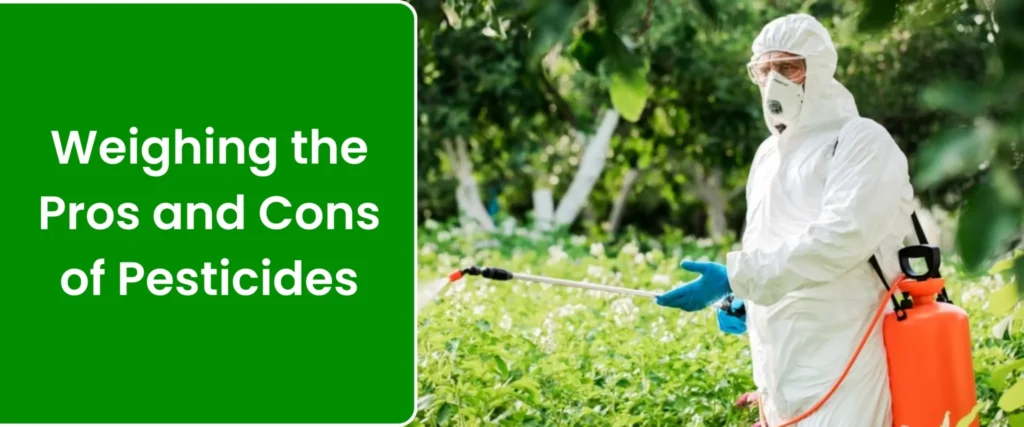
Weighing the Pros and Cons of Pesticides: A Comprehensive Guide for NYC Residents

Weighing the Pros and Cons of Pesticides: A Comprehensive Guide for NYC Residents Living in a bustling metropolis like NYC, you might not think much about the tiny critters that share our urban environment. But from pesky pigeons to persistent ant infestations, insects and other organisms can become unwelcome guests in our homes and gardens. This is where pesticides come in. However, before reaching for the nearest spray bottle, it’s crucial to understand both the benefits and drawbacks of using these chemicals. This guide will equip you with the knowledge you need to make informed decisions about using pesticides in your NYC environment. We’ll delve into the advantages and disadvantages of these products, explore various types of pesticides, and offer insights on related topics like safe application and eco-friendly alternatives. Understanding Pesticides What are Pesticides? Pesticides are a broad category of chemicals designed to eliminate or control unwanted organisms. These organisms can include: Insects (insecticides) Weeds (herbicides) Fungus (fungicides) Rodents (rodenticides) Mites (miticides) The primary purpose of pesticides is to protect our health, property, and valuable resources. For instance, insecticides can safeguard us from mosquito-borne diseases, while herbicides prevent weeds from competing with crops for vital nutrients. Types of Pesticides The world of pesticides encompasses a diverse range of products, each with its specific target and mode of action. Here’s a closer look at some common types: Insecticides:  As the name suggests, insecticides target insects. They come in various forms, including sprays, dusts, baits, and gels. Some common types of insecticides include: Organophosphates: These were once widely used but are now restricted due to potential health risks.  Pyrethroids: Synthetic versions of a naturally occurring insecticide derived from chrysanthemums. Relatively less toxic to humans than some other options.  Carbamates: Another class of insecticides with a shorter lifespan in the environment compared to organophosphates.  Neonicotinoids: A newer class that acts systemically within plants, meaning they are absorbed and circulate throughout the plant tissue. The specific type of insecticide you choose will depend on the target insect, application site, and desired level of control. Pros of Using Pesticides Pest Control Efficiency Pesticides offer a powerful tool for controlling a wide range of pests that can threaten our homes, gardens, and agricultural resources. Here are some specific examples: Termites: These silent destroyers can wreak havoc on wooden structures. What pesticide kills termites? Is an important question to answer to protect it from destruction. Pesticides containing fipronil or hexaflumuron are commonly used for termite control due to their effectiveness in eliminating existing colonies and preventing future infestations. Mosquitoes: These insects not only cause itchy bites but also transmit dangerous diseases like malaria, dengue fever, and West Nile virus. Insecticides applied to breeding grounds or used as mosquito repellents can significantly reduce mosquito populations and the risk of disease transmission. Rodents: Rats and mice can spread diseases, contaminate food, and damage property. Rodenticides come in various forms like baits and traps, effectively controlling rodent populations and protecting public health. Increased Agricultural Yield Pesticides play a crucial role in modern agriculture by protecting crops from a variety of pests, including: Insects: Crop-destroying insects like locusts and beetles can devastate entire harvests. Insecticides help ensure healthy crop growth by preventing significant insect damage. Weeds: Weeds compete with crops for water, nutrients, and sunlight, reducing yields. Herbicides effectively control weed growth, allowing crops to thrive and maximize production. Fungi: Fungal diseases can significantly impact crop health and quality. Fungicides help prevent and control these diseases, leading to higher crop yields. By minimizing losses due to pests, pesticides contribute to increased agricultural productivity, ensuring a stable food supply for a growing population. Economic Benefits The use of pesticides translates to economic benefits for both farmers and consumers: Farmers: Reduced crop losses due to pests lead to higher profits for farmers. This allows them to invest in better farming practices and technologies, ultimately contributing to a more sustainable agricultural sector. Consumers: Increased crop yields generally lead to lower food prices for consumers. Additionally, by preventing the spread of crop diseases, pesticides help maintain a stable and affordable food supply. Disease Prevention Pesticides play a vital role in public health by controlling pests that transmit diseases. Mosquitoes, ticks, and fleas can all carry diseases that can be debilitating or even fatal. By effectively controlling these pest populations, pesticides help prevent the spread of these diseases and protect public health. Cons of Using Pesticides Health Risks Despite their benefits, pesticides can pose health risks to humans if not used properly. Some potential health concerns include: Acute exposure: Direct contact with pesticides through inhalation, skin absorption, or ingestion can lead to immediate health problems like respiratory irritation, headaches, dizziness, and nausea. Chronic exposure: Long-term exposure to even low levels of pesticides has been linked to various health problems, including certain cancers, neurological disorders, and birth defects. Environmental Impact Pesticides can have a detrimental impact on the environment: Soil contamination: Pesticides can persist in the soil, harming beneficial organisms like earthworms and soil microbes that are crucial for maintaining soil health. Water pollution: Runoff from treated areas can contaminate water sources with pesticides, posing a threat to aquatic life and potentially impacting drinking water supplies. Non-target species: Pesticides can harm beneficial insects like pollinators (bees, butterflies) and predators that naturally control pest populations. This can disrupt ecosystems and lead to unintended consequences. Pesticide Resistance A significant concern with pesticide use is the development of resistance in pest populations. Over time, repeated exposure to the same pesticide can lead to pests evolving resistance mechanisms, rendering the pesticide ineffective. This necessitates the use of stronger or alternative pesticides, potentially increasing health and environmental risks. Banned Pesticides List: Due to their severe health and environmental impacts, some pesticides have been banned entirely or restricted in use. Examples include: DDT: This once widely used insecticide is now banned due to its persistence in the environment and its harmful effects on wildlife, particularly birds. Neonicotinoids: The use of certain neonicotinoids is being restricted in many countries due to their

Property Management

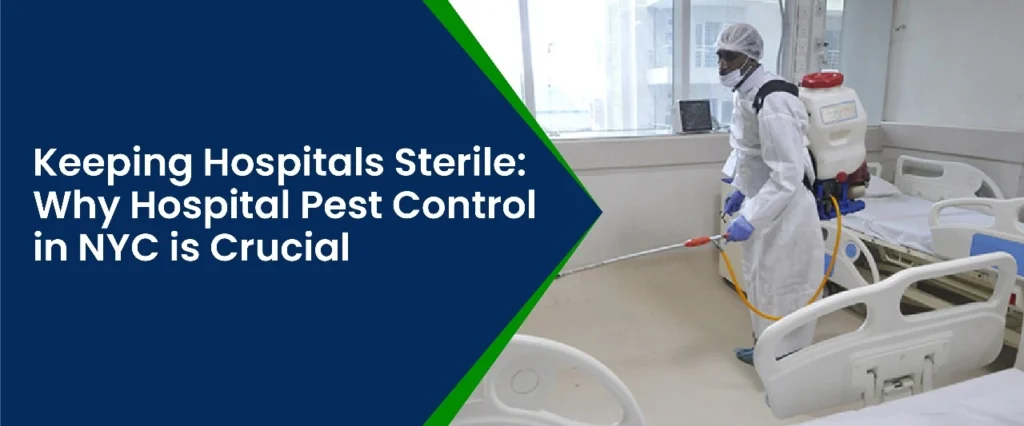
Keeping Hospitals Sterile: Why Hospital Pest Control in NYC is Crucial

Keeping Hospitals Sterile: Why Hospital Pest Control in NYC is Crucial Keeping the Frontline Sterile: Unique Challenges and Solutions Imagine a place dedicated to healing, where hygiene is paramount. Now, picture unwelcome guests – pests – roaming the halls. This unsettling scenario is a very real concern for hospitals in New York City, where densely populated environments and constant human traffic create a breeding ground for unwanted visitors. Effective pest control in NYC hospitals becomes not just a matter of aesthetics, but one of critical importance for patient safety, regulatory compliance, and the overall reputation of the facility. Why Pest Control In Hospital Is Crucial Health and Safety Concerns: Hospitals are havens for vulnerable individuals, many with compromised immune systems. Pests like roaches, flies, and rodents can carry and transmit diseases like salmonella, E. coli, and even hantavirus. Their presence can also trigger allergies and asthma attacks in patients and staff. In a sterile environment where even minor infections can be life-threatening, pests pose a significant risk. Regulatory Requirements: Hospitals must adhere to strict health regulations set by agencies like the Joint Commission International (JCI) and the New York State Department of Health (NYSDH). These guidelines mandate the implementation of comprehensive pest management programs to ensure the safety and well-being of patients. Failure to comply can result in fines and even closure of the facility. Reputation Management: A pest sighting in a hospital can be disastrous for its public image. News travels fast, and a single incident can erode patient trust and damage the facility’s reputation for years to come. A proactive approach to pest control is essential to maintaining public confidence and ensuring a positive patient experience. Case Study: A Hospital’s Nightmare In 2019, a prestigious hospital in Chicago made headlines after a severe bed bug infestation forced the closure of an entire wing. The incident not only caused distress to patients but also resulted in significant financial losses due to treatment costs and room closures. This case serves as a stark reminder of the consequences of neglecting pest control in a healthcare setting. Common Pests Found in Hospitals and How They Get In Unwelcome Guests: A Rogues’ Gallery of Hospital Pests Hospitals, unfortunately, can be attractive to a variety of creepy crawlies. Here are some of the most common NYC hospital pests and the problems they create: Rodents (Mice & Rats): These notorious hitchhikers carry a multitude of diseases and can contaminate food and surfaces with their droppings. Their constant gnawing can also damage electrical wiring and infrastructure. Cockroaches: These resilient insects are notorious for spreading bacteria and triggering allergies. They thrive in damp environments and can contaminate food preparation areas. Ants: While some ant species are relatively harmless, others can bite and leave itchy welts. They can also contaminate food and disrupt sterile environments. Bed Bugs: These blood-sucking insects are a growing concern in NYC hospitals. They can infest beds, furniture, and even medical equipment, causing distress and hindering patient recovery. Flies: These buzzing annoyances not only disrupt patient comfort but can also transmit diseases like food poisoning. How These Pests Infiltrate the Hospital Now that we know the unwelcome guests, let’s see how they gain entry: Delivery Openings: Loading docks and trash areas are prime entry points for rodents and roaches. Cracks and Gaps: Small openings around pipes, windows, and doors allow pests to sneak inside. Patient Belongings: Used clothing, luggage, and even flowers can unknowingly harbor bed bugs. Improper Waste Management: Overflowing trash bins and unsanitary food disposal areas attract and sustain pest populations. Keeping Pests Out: An Ounce of Prevention Hospitals can significantly reduce the risk of infestation by implementing these preventive measures: Regular Inspections: Schedule regular inspections by qualified pest control professionals to identify potential entry points and early signs of pest activity. Building Maintenance: Seal cracks, repair damaged screens, and ensure proper ventilation to eliminate potential pest havens. Waste Management: Maintain strict protocols for waste disposal, including frequent emptying of trash bins and proper food waste management. Taming the Tide: Effective Pest Control Measures in Hospitals Integrated Pest Management (IPM): A Smarter Approach Hospitals require a specialized approach to pest control. Here’s where Integrated Pest Management (IPM) comes in. IPM is a holistic strategy that focuses on prevention, monitoring, and targeted interventions to control pest populations with minimal environmental impact. The Steps of IPM in a Hospital Setting: Inspection and Identification: A thorough inspection by a qualified pest control professional helps identify the type of pest, its entry points, and potential breeding areas. Monitoring: Hospitals implement monitoring systems like traps and bait stations to track pest activity and assess the effectiveness of control measures. Non-Chemical Controls: This stage prioritizes physical barriers, sanitation practices, and habitat modification to prevent pest establishment. Targeted Chemical Control: When necessary, pest control professionals use EPA-approved hospital-grade pesticides with minimal human health risk. Documentation and Evaluation: Detailed records are kept of all pest control activities, allowing for ongoing evaluation and adjustments to the IPM program. Staff Training: Eyes on the Ground A critical component of hospital pest control is educating staff on pest identification, prevention, and reporting procedures. Training programs should cover topics like: Recognizing common pests and their signs Reporting any pest sightings immediately Maintaining proper sanitation practices in their work areas The importance of storing food and belongings properly By empowering staff to be vigilant and proactive, hospitals can create a culture of prevention that significantly reduces the risk of pest infestations. Battling the Invaders: Safe and Effective Pest Control Methods in Hospitals The Arsenal Against Infestation: A Multi-Pronged Approach Hospitals require a multi-layered approach to pest control, prioritizing safety and effectiveness. Here’s a breakdown of the primary methods used: Physical Methods: These methods focus on physically excluding pests or capturing them without chemicals. Common tools include: Traps: Snap traps, glue traps, and bait stations can effectively target specific pests like rodents and insects. Barriers: Sealing cracks and gaps around doors, windows, and pipes prevents pests from entering in the first place. Insect Light Traps:

Scroll to Top