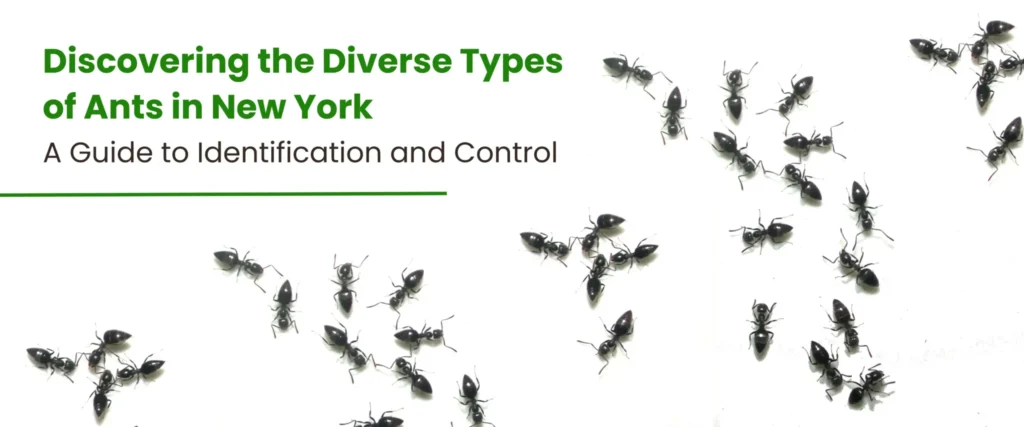
Discovering the Diverse Types of Ants in New York
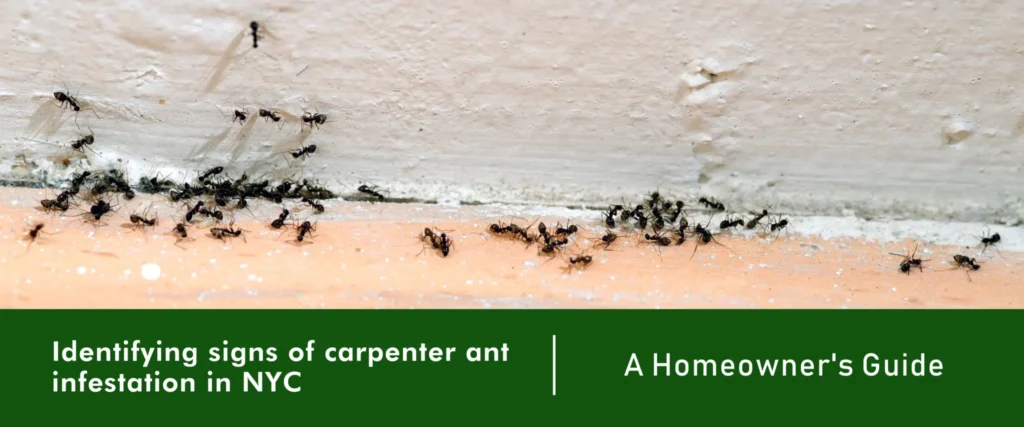
Discovering the Diverse Types of Ants in New York: A Guide to Identification and Control New York City, a bustling metropolis known for its towering skyscrapers and iconic landmarks, is also home to a hidden world teeming with life: ants. These tiny creatures, often overlooked, play a crucial role in the city’s ecosystem. The city’s diverse habitats, ranging from urban concrete jungles to suburban backyards, support a variety of ant species. From the common odorous house ant to the more aggressive carpenter ant, these tiny creatures have adapted to thrive in the city’s unique environment. Understanding the different types of ants in New York is essential for effective ants control. Each species has its own unique behavior, nesting habits, and vulnerabilities. By identifying the specific ant species invading your space, you can tailor your control methods accordingly. Additionally, recognizing the role ants play in the ecosystem can help you adopt more environmentally friendly pest management strategies. This guide aims to shed light on the diverse ant species found in New York, helping you identify and control these persistent pests. The Hidden Society: Inside an Ant Colony Ants are highly social insects that live in organized colonies. These colonies can range in size from a few dozen individuals to millions. To understand ants better, it’s essential to know the different types of ants that make up a colony and their specific roles. Types of Ants in a Colony Queen: The cornerstone of the colony, the queen ant is typically larger than other members and is responsible for reproduction. She lays eggs continuously to ensure the colony’s growth. In some species, there can be multiple queens in a colony, while others have only one. Workers: These are sterile female ants that form the bulk of the colony. They perform various tasks based on their age and size. Younger workers often care for the brood (eggs, larvae, pupae), while older workers forage for food, defend the colony, and build and maintain the nest. Males: Also known as drones, male ants have one primary function: to mate with the queen. They are typically winged and emerge from the colony for a short period during the mating season. After mating, they die. Common Types of Ants in New York Tiny Brown Ants: Tiny brown ants are, as the name suggests, small in size, typically measuring less than 3 millimeters. Their color can vary from light brown to dark brown. They often have a distinct segmented body with a narrower waist. While most don’t pose a significant threat to humans, they can be a nuisance due to their ability to invade homes and contaminate food. Typical Habitats and Behaviors Tiny brown ants are adaptable and can be found in various environments, both indoors and outdoors. Common habitats include: Indoors: Kitchens, bathrooms, basements, and wall voids. They are attracted to food crumbs, sugary substances, and moisture. Outdoors: Under rocks, logs, and in soil. They often build nests in areas with high humidity. Common behaviors include: Foraging: They search for food in trails, often following pheromone trails left by other ants. Nesting: They create colonies with a queen, workers, and males. Defense: While most tiny brown ants are not aggressive, some species may bite when disturbed. Common Tiny Brown Ant Species: While there are many species of tiny brown ants, some of the most common include: Pharaoh ants: These are notorious for infesting buildings, especially hospitals. Thief ants: These ants are often found in kitchens, stealing food from other insects. Pharaoh Ants: A Persistent Pest Pharaoh ants are tiny, typically measuring about 1/16 to 1/8 inch long. Their color ranges from light yellow to reddish-brown, with a darker abdomen. One of their distinguishing features is their almost transparent body, making them difficult to spot. Size: Small, around 1.5-2 mm. Color: Light yellow to reddish-brown with a darker abdomen. Body: Almost transparent. Social Structure: Highly organized colonies with multiple queens. Behavior: Rapidly spread and difficult to eradicate. Common Locations and Challenges Pharaoh ants are notorious for being indoor pests, thriving in warm, humid environments. They are commonly found in: Kitchens: Attracted to food crumbs and spills. Bathrooms: Seek out moisture and warmth. Hospitals: A significant concern due to their ability to spread bacteria. Hotels: Can infest rooms and common areas. Challenges posed by Pharaoh ants include: Rapid Infestation: They multiply quickly and can form multiple colonies within a building. Difficulty in Eradication: Traditional pest control methods often prove ineffective. Contamination: They can contaminate food and spread diseases. Structural Damage: In large numbers, they can cause damage to building materials. Big Ant Species in New York: Carpenter Ants While New York is home to a variety of ant species, the most notable and potentially problematic large ant is the carpenter ant. Carpenter Ants: The Wood-Chewing Giants Carpenter ants are among the largest ant species found in North America and are a common pest in New York. They derive their name from their ability to excavate wood to create their nests. Appearance: Carpenter ants are typically black or reddish-black, though some species can be a combination of both. They are significantly larger than other common ant species, with workers ranging from 1/4 to 1/2 inch long. Nesting Habits: Unlike termites, carpenter ants don’t consume wood; they simply excavate it to create galleries for their nests. They prefer moist wood, such as that found in attics, basements, and window frames. Carpenter ant colonies can be complex and contain multiple queens, leading to rapid population growth. Impact on Homes: Carpenter ants infestation can cause significant structural damage to homes by creating extensive galleries within the wood. Additionally, their presence can be a sign of underlying moisture issues, as they prefer damp wood. Other Large Ant Species (Less Common) While carpenter ants are the most prevalent large ant species in New York, there are other, less common types that might be encountered: Black Carpenter Ants: These ants are similar to the common carpenter ant but are entirely black. Red Carpenter Ants: These ants