Marquee Text
Limited-Time Discount: Save $50 on Your First Service as a New Customer!

Bed Bug

Close-up of bed bugs on mattress fabric showing why bed bug infestations in NYC apartments are difficult to eliminate
Bed Bug

Why NYC Bed Bugs Are So Hard to Kill? And What Actually Works

Bed bugs in NYC are a different kind of challenge. They spread quickly through busy transit, dense housing, and shared walls, then hide deep in seams and cracks where sprays can’t reach. Even clean apartments can develop bed bugs because the source is often previous tenants, neighboring units, hotels, rideshares, or laundry facilities. Once inside, bed bugs survive longer than most people expect and can stay hidden for weeks without feeding. That’s why “just spraying” or tossing a mattress rarely solves the problem. Core reasons they persist in NYC Bed bugs don’t disappear because you’re doing something wrong, they stick around because they’re biologically and structurally designed to survive, especially in cities like New York. 1. Why Bed Bugs Are So Hard to Kill Bed bugs didn’t become “difficult” by chance. Over decades, they evolved resistance to many standard insecticides, developed strong survival strategies, and learned to hide in places people rarely inspect. In a high-density city, these traits allow them to spread long before anyone notices. Key survival advantages Bed bugs don’t need constant blood meals or accessible food sources, they just need a place to hide, and NYC apartments are full of them. 2. NYC Conditions That Make Bed Bugs Worse Bed bugs can appear in any city, but certain NYC realities keep them in circulation.Crowded housing, shared laundry rooms, frequent move-ins, and heavy travel traffic mean bed bugs get reintroduced constantly, so even if one apartment clears an infestation, a new one may arrive months later. Urban pressures that fuel repeat infestations In NYC, bed bug control isn’t just about elimination, it’s about breaking the reinfestation cycle. 3. Why DIY Bed Bug Treatments Fail in NYC Apartments Most DIY methods don’t fail because people use them incorrectly, they fail because bed bugs are built to outlast them. Over-the-counter sprays can kill exposed bugs, but they rarely reach eggs deep in cracks, seams, electrical outlets, floor gaps, and furniture joints. Bed bugs also tend to hide where pesticides can’t safely be applied, making simple “spray and wait” approaches unreliable. Common reasons DIY attempts fall short: DIY efforts often delay the problem rather than solve it, which gives bed bugs more time to spread through hallways, risers, and shared walls, especially in multi-unit NYC buildings. 4. Bed Bug Biology: How Their Survival Works Against You Understanding how bed bugs live and reproduce explains why they linger despite cleaning and spraying. Bed bugs don’t need much to survive, and their biology gives them multiple “backup systems” that keep populations alive even after treatments. Survival traits that matter during treatment: Biology isn’t the enemy, misalignment between biology and treatment is.If treatments don’t account for eggs, heat thresholds, and reinfestation pathways, bed bugs return even after multiple service visits. 5. What Actually Works Against NYC Bed Bugs Bed bug control works when it reaches all life stages and matches how they actually live in NYC apartments and high-rise buildings. In practice, that usually means a planned treatment program, not one-off spraying. Evidence-based methods that work in NYC: These tools are most effective when used by licensed bed bug professionals who understand resistance patterns, temperature thresholds, and where infestations typically hide in NYC-style buildings. What professional exterminators add: The goal isn’t just to kill visible bugs once; it’s to interrupt reproduction, prevent spread, and reduce the chance of the problem starting over. 6. When Professional Bed Bug Pest Control Makes Sense in NYC Not every bite or bug requires a full building response, but there are clear points where professional help is the most realistic option, especially in dense NYC housing. You usually need a professional when: What a good NYC bed bug service focuses on In New York, professional bed bug control is less about “stronger chemicals” and more about systematic inspection, correct treatment, and coordinated follow-up, especially in larger buildings. Conclusion: NYC bed bugs are hard to eliminate because of how they’re built and how the city is built. Resistance to common pesticides, tough eggs, long survival times, and dense multi-unit housing all work in their favor. Real progress comes when treatment targets eggs, nymphs, and adults, reaches the places bed bugs actually hide, and accounts for reinfestation risks from neighboring units and regular city movement. DIY efforts can help reduce activity, but in most NYC apartments and high-rises, long-term control is more realistic with professional bed bug pest control, backed by inspection, the right tools, and structured follow-ups. If you’re dealing with repeat bed bug issues or building-wide activity, scheduling a detailed inspection with a bed bug specialist like Best At Pest Extermination in NYC is a practical next step to understand the real extent of the problem and what it will take to resolve it. FAQS: 1. Why do bed bugs keep coming back even after treatment? Eggs may survive early treatments, and bugs can reenter from neighbors, shared walls, or new travel exposure. Follow-ups are essential. 2. Do I really need a professional exterminator for bed bugs in NYC? In small, early infestations, careful DIY steps can help. But once bed bugs are established, present in multiple rooms, or spreading in a building, professional treatment is usually the only reliable way to eliminate them and reduce the chance of them returning. 3. Do bed bugs become immune to pesticides? Yes. Many NYC populations show pyrethroid resistance, meaning over-the-counter sprays kill fewer bugs than expected. 4. Does heat treatment kill bed bug eggs? Yes, lethal heat above ~118°F (48°C) kills all life stages, but only if temperatures reach deep into furniture and wall gaps. 5. Do bed bugs spread through walls in NYC buildings? They can. Bed bugs move through wall voids, risers, baseboard gaps, hallways, and shared utility pathways, especially in high-rises. 6. Is throwing away mattresses helpful? Not usually. The mattress isn’t the whole infestation, bugs hide in frames, outlets, cracks, and furniture joints. Encasing is more effective. 7. How long can bed bugs live without feeding? Months. Dormancy allows bed bugs to wait out incomplete

Hand holding magnifying glass inspecting bed bugs on mattress in a New York City apartment bedroom.
Bed Bug

How to Tell If You Have Bed Bugs in Your NYC Apartment

When you live in a New York City apartment, the hardest part isn’t panic, it’s uncertainty. A few itchy bumps can send your brain sprinting, but bed bug bites alone aren’t a reliable diagnosis, and guessing can waste weeks. The goal is simple: learn what evidence actually looks like, where to check, and what to do next without making the problem bigger. The fastest way to know: look for physical evidence, not just bites Bed bugs leave a paper trail, and that trail matters more than your skin reaction. Authoritative guidance consistently points to live bed bugs, shed skins (cast skins), eggs and eggshells, and fecal spots as the more reliable signs of an infestation than bite patterns.  Here are the signs that count, and what they usually look like in real apartments: If you find one of these, treat it like a signal to keep inspecting until you confirm with a live bug or multiple signs in the same area.  Where to check first in an apartment (the “NYC layout” approach) Bed bugs tend to hide close to where people sleep or lounge, and NYC guidance notes they commonly hide in mattresses (especially seams) and box springs, plus cracks and crevices in nearby furniture and walls. NYC Government+1 Start with the bed, because it’s the highest-probability zone: Then expand outward like a careful spiral. In NYC apartments, upholstered furniture often sits close to beds, so couch seams and the space between cushions are common second stops, along with drawer joints, and even electrical outlets or gaps around trim if you’re seeing signs beyond the bed area.  How to do a bed bug self inspection without wrecking your apartment A good self inspection is slow, bright, and boring in other words, exactly what bed bugs hate. Use a flashlight, take your time, and focus on seams, corners, and tight folds where bugs cluster and leave fecal staining or shed skins. EPA+1 Two habits make early detection much easier in small NYC spaces: If you’re tempted to spray random pesticides from a hardware store, pause. NYC public health guidance emphasizes safe, label-directed pesticide use, and bed bugs are famously good at surviving sloppy chemical attempts.  NYC-specific realities: what to do if you suspect bedbugs in a building New York City treats bedbugs as a housing condition that owners are legally required to address; NYC Health notes bedbugs are a Class B violation and describes tenant rights and correction expectations. That matters because bed bugs aren’t just a “you” problem in multi-unit buildings, they can move through walls, shared furniture pathways, and cluttered common areas. If you find credible signs, the practical sequence is: One more NYC detail people miss: property owners are required to disclose bed bug infestation history dating back one year to new tenants via a disclosure form (this shows up through HPD and the state form). If you recently moved and suspects started immediately, that document can add useful context. Breakdown: bed bugs vs “look-alikes” (and why bites confuse everyone) In NYC, a lot of “bedbugs vs bed bugs” anxiety is really “bites vs proof.” Skin reactions vary wildly, and some people don’t react much at all, which is why bites aren’t a solid test.  Here’s the calmer way to separate common confusions: If you’re stuck between “maybe” and “probably,” aim your effort at confirming physical evidence. The EPA’s bed bug guidance is a solid reference for what to look for and why those signs matter.  Conclusion Bed bugs are easiest to confirm with evidence, not itchiness. Start at mattress seams and the box spring, then expand to nearby furniture. Look for reddish stains, dark fecal spots, shed skins, eggs, and live bugs. If you suspect bed bugs, don’t wait for the problem to spread into walls, couches, and neighboring units. Book a bed bug inspection in NYC so you can confirm what’s going on and get a treatment plan that actually matches the severity without wasting money on guesswork. FAQs 1) Do bed bug bites mean I definitely have bed bugs? Not necessarily. Reactions vary by person, and bites alone aren’t considered a reliable sign compared to finding live bugs, fecal spots, shed skins, or eggs.  2) What do bed bug fecal spots look like? Often like tiny dark dots that can bleed into fabric like a marker, especially on mattress seams or sheets.  3) Where do bed bugs hide in an apartment? Common hiding places include mattress seams, box springs, and cracks/crevices in bed frames and nearby furniture, plus other tight gaps near where people sleep or lounge. 4) How do I check my mattress seams for bed bugs? Use a flashlight and inspect stitching, piping, tags, and corners slowly. You’re looking for dark spotting, shed skins, eggs/eggshells, or live bugs.  5) Can bed bugs live in couches in NYC apartments? Yes. Upholstered furniture seams and cushion gaps are common spots to inspect, especially if you nap or lounge there regularly.  6) Should I report bed bugs to my landlord in NYC, or call 311 first? NYC guidance points tenants to notify the property owner/manager, and if the condition isn’t addressed, to file a complaint or call 311.  7) What’s the NYC bed bug disclosure form I keep hearing about? HPD notes that New York State law requires owners to disclose a building’s bed bug infestation history for the prior year to new tenants using a bed bug disclosure form. 

Close-up of bed bugs on fabric beside mosquito bites on a hand for NYC guide comparing bed bug bites vs mosquito bites.
Bed Bug, Mosquito Control

Bed Bug Bites vs Mosquito Bites – NYC Guide to Understanding the Difference

Waking up with itchy red bumps in a New York City apartment can disrupt your entire day, especially when you’re unsure whether it’s a mosquito problem or a bed bug problem. Both types of bites can look similar, but what they mean for your home, your health, and your next step is completely different. And in a city as dense as NYC, where mosquitoes thrive outdoors and bed bugs spread easily through shared building structures, knowing the difference matters. We will break down Bed Bug Bites vs Mosquito Bites in a clear, human way, backed by science and experts like CDC, NYC Health, EPA, Mayo Clinic, and Cleveland Clinic. You’ll learn how to read the patterns, understand the timing, and decide exactly what to do next. Why Bed Bug Bites and Mosquito Bites Get Confused At first glance, both bite types appear as small, red, itchy welts, and that’s where the confusion begins. According to the CDC, bed bug bites alone are not enough to confirm an infestation. The real clues come from the surrounding context:where the bites show up, when they appear, how long they last, and what kind of marking they create. In NYC, that context becomes even more important. Mosquito activity depends on parks, water sources, and warm evenings. Bed bugs depend on mattresses, walls, furniture seams, and the structural framework of your apartment. Those two ecosystems rarely overlap and that difference makes identification easier once you know what to look for. How Bed Bug Bites Usually Look (Especially in NYC Apartments) Bed bugs feed slowly and often bite more than once during the same feeding session. Medical sources like Cleveland Clinic and NYC Health describe a distinctive pattern that helps separate them from mosquito bites. You’ll often see: The delayed reaction is especially important. Bed bug bites can take hours or even days to become noticeable. So if you wake up with new bites that you didn’t have before bed, the pattern strongly leans toward bed bugs. In NYC’s apartment buildings, this pattern is even more telling because bed bugs follow predictable harborage sites: mattress seams, bed frames, baseboards, and electrical outlets. How Mosquito Bites Usually Look (And Why They Hit Fast) Mosquito bites behave very differently, especially in a city where standing water, parks, and humid summers create perfect breeding conditions. When a mosquito bites, your immune system reacts instantly to proteins in its saliva. You’ll typically notice: If your bite appeared quickly after being outside walking through Central Park, sitting on a Brooklyn balcony, or just strolling near water, mosquitoes are the likely culprit. NYC Health warns about citywide mosquito activity each summer, especially around dusk. Timing: When Your Bites Show Up Tells a Big Part of the Story This is one of the most reliable clues. Bed bug bite timing: Mosquito bite timing: If your bites show up in the morning, bed bugs need to be considered. Location: Where the Bites Are Appearing Bed bugs go where your skin is exposed in bed. Mosquitoes go wherever they can land, indoors or outdoors. Bed bug bite locations: Mosquito bite locations: If the bites match the shape of where your body was uncovered while sleeping, bed bugs become more likely. If they match where your clothes expose skin outside, mosquitoes make more sense. Which Bites Are More Dangerous?  Bed Bugs: According to the CDC, EPA, and NYC Health, bed bugs: The problem isn’t medical, it’s the infestation behind the bites. Mosquitoes: Mosquitoes, however, can spread disease.NYC Health confirms that the city sees cases of: So while mosquito bites usually fade faster, their health risks can be more serious and worth monitoring. How to Check for Bed Bugs in Your NYC Home If you suspect bed bugs, NYC Health recommends checking the areas closest to where you sleep: Look for: Bites alone can’t confirm bed bugs but finding physical evidence can. How to Treat the Bites: Both types of bites benefit from simple at-home care recommended by the CDC and Mayo Clinic: You should see a doctor if you notice: These signs can happen with either bite type, but they’re treatable with proper medical attention. When Treatment Isn’t Enough: Deciding When to Call a Professional Once you’ve treated the itch, the real question becomes: what’s causing the bites? If your symptoms point to mosquitoes, the focus becomes outdoor prevention. But if they point to bed bugs, the bites are only a symptom not the problem itself. Bed bugs hide in: And in NYC’s multi-unit buildings, they move easily between apartments. That’s why NYC Health, EPA, and CDC all state that professional treatment is the most reliable solution for confirming and eliminating infestations. A professional can: It’s the logical next step to call Professionals when the signs line up, especially in New York City. Conclusion: The difference between bed bug bites and mosquito bites becomes clearer when you look at pattern, timing, location, and your NYC environment. Mosquito bites appear quickly and randomly, while bed bug bites show up in lines or clusters after sleeping. Mosquitoes can carry disease, bed bugs carry infestations and both deserve attention. With CDC, NYC Health, EPA, and medical guidance in mind, you now know what signs matter, what doesn’t, and when it’s time to involve a professional. Still unsure what’s biting you? Contact us now and schedule a quick, professional inspection anywhere in Manhattan, Brooklyn, Queens, the Bronx, or Staten Island and get clarity fast. FAQs: 1. How do I quickly tell if the bites are from bed bugs or mosquitoes? Bed bug bites often appear in lines or clusters after sleeping. Mosquito bites appear immediately and are usually isolated bumps. 2. Do bed bugs spread disease? According to the CDC and EPA, they do not. Their main issue is infestation — not infection. 3. Are mosquito bites dangerous in NYC? NYC reports West Nile virus cases every year, and mosquito-borne illnesses are monitored by NYC Health. 4. Why do my bites appear in the morning? Bed bug reactions often

Bed Bug

Bed Bug Myths and Facts

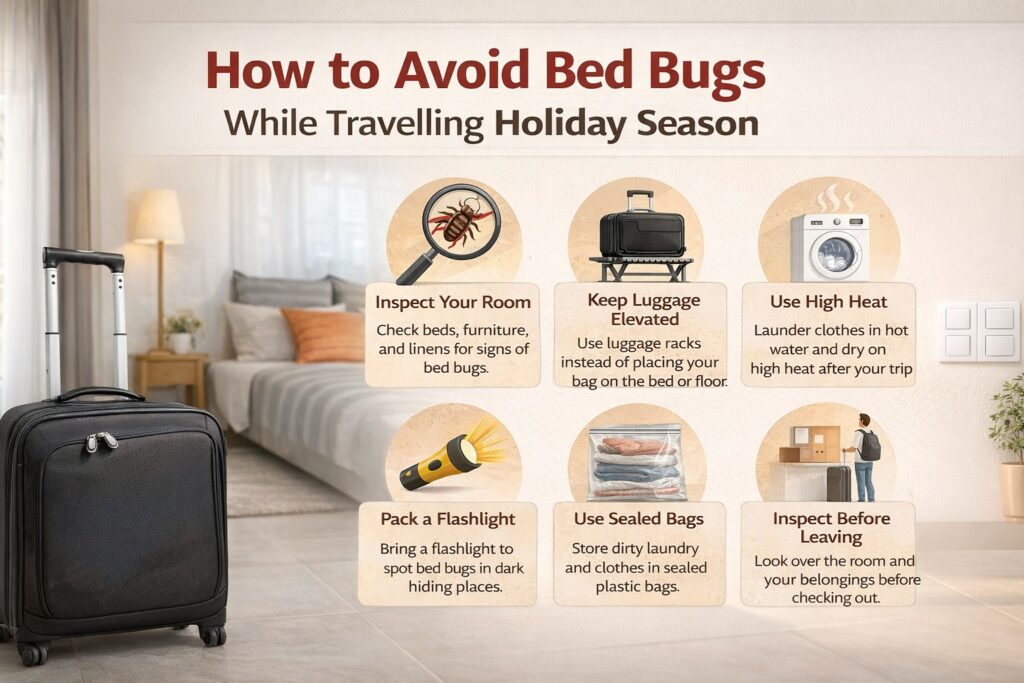
While bed bugs have become a growing concern across the globe, their resurgence is replete with various myths and misconceptions. Besides having an irritatingly pesky bug, they cause no small amount of sleepless nights and anxiety. This article has demonstrated how we can set the record straight on the most common bed bug myths by retaining the focus on the facts you ought to know when faced with an imminent infestation. Basic Information About Bed Bugs Where do bed bugs originate from? Most people wonder where they come from and if they just magically appear. Generally speaking, bed bugs are brought in by items such as luggage, clothing, and even furniture. They relate not to dirt but to warmth and carbon dioxide from humans. Thus, this is usually spread by travelers or in secondhand furniture. What are bed bugs? Bed bugs are small insects, generally red or brown in color, that feed on the blood of humans and animals. They are about the size of an apple seed, appear flat, and have an oval shape; they also can be found hiding in any small crack and crevice anywhere near where it will feed, such as mattresses, headboards, and couches. Adult Bed Bugs: How to Identify Adult bed bugs are approximately the size of an apple seed, about 5–7mm in length. They can be easily seen, though many people often mistake them for other insects. After feeding, the body inflates and turns reddish in color, making it easier for a person to identify their presence. Bed Bugs vs Ticks: Key Differences Although both are hematophagous insects, bed bugs and ticks behave differently and have different priorities when it comes to host selection. While the bed bug is an active nocturnal feeder but prefers to feed on a human host, the tick can attach itself to animals and humans during the daytime. Bed bugs can be seen with the naked eye; a tick, not quite so. Do bed bugs have wings? They have no wings or any other wing-like structures and, therefore, cannot fly; they crawl from one point to another. So, against the myths taken up, bed bugs cannot fly. Do bed bugs fly? No, bed bugs cannot fly. In contrast to those mythologies concerning these insects, they do not have wings and hence are unable to fly. They crawl to get from one place to another, mostly using their legs to move along on furniture, carpets, and other such surfaces. How Big Are Bed Bugs? This will be mentioned later, but bed bugs are less than the size of an apple seed, generally 5 to 7 millimeters in length. They can be a little smaller if they have not fed for a long time but expand with a feed of blood. Are bed bugs visible to the naked eye? Yeah, bed bugs are large enough in size to be seen by the naked eye, especially while engorging. However, bed bugs are great at hiding during the day, which makes them tough to spot. Bed bugs in shoes – Do they really hide there? Yes, bed bugs can hide in shoes. These insect pests are good at concealing themselves from cracks and crevices to other places like shoes, bags, or just any other personal belongings. This is among those reasons whereby they spread during traveling or carrying infested belongings into new places. Bed Bug Behaviour How long does a bed bug live? Bed bugs, under normal conditions, will usually survive for six to twelve months. Though most of their survival would depend on the availability of nutrition, besides that environmental conditions do affect the life cycle. When food sources are readily available, they are going to be at their best in having ideal conditions for an infestation. How long does a bed bug survive without a host? Non-feeding bed bugs can survive for several months without a host, essentially at the mercy of the outside temperature and conditions. In cooler weather regions, they could survive without feeding for as long as a year. How long does a bed bug live without feeding? The fact is, bed bugs can survive for several months without feeding: adults can survive for several weeks, even months, without a blood meal, and that is the reason behind their toughness. How long can bed bugs survive without food? Bed bugs can survive for several months without food. This time period in no way is indefinite, and they do need to feed on blood for life and reproduction. How Long Can Bed Bugs Go Without Feeding? Bed bugs can survive several weeks to months without feeding, depending on the conditions they are subjected to within the environment. If they remain in a cold environment, the rate of their metabolism goes down, allowing them to go quite some time without feeding. How long does a bed bug survive without blood? Without blood, they cannot survive beyond a few months. They are bed bugs that feed solely on it. Without it, they would finally perish. How often do bed bugs feed? When available, bed bugs feed every 5–10 days on average. They feed at night while humans are sleeping but may feed during daytime when they are hungry enough. What do bed bugs feed on? They feed solely on blood, and human beings are the preferred hosts for these bed bugs. Bed bugs are always attracted by the warmth and carbon dioxide emitted, which in their perspective acts as an indication that it is now the time of feeding. How do bed bugs spread? They are spread from one place to another by hitchhiking onto personal items like suitcases, clothes, and furniture. Bed bugs migrate from room to room, building to building, and even from city to city quite effectively. Do bed bugs jump? No, bed bugs don’t jump; they walk on the surface and hide fantastically well in the cracks, crevices, and seams of furniture. How Fast Do Bed Bugs Breed? Amazingly, bed bugs are relatively slower breeders

Bed Bug

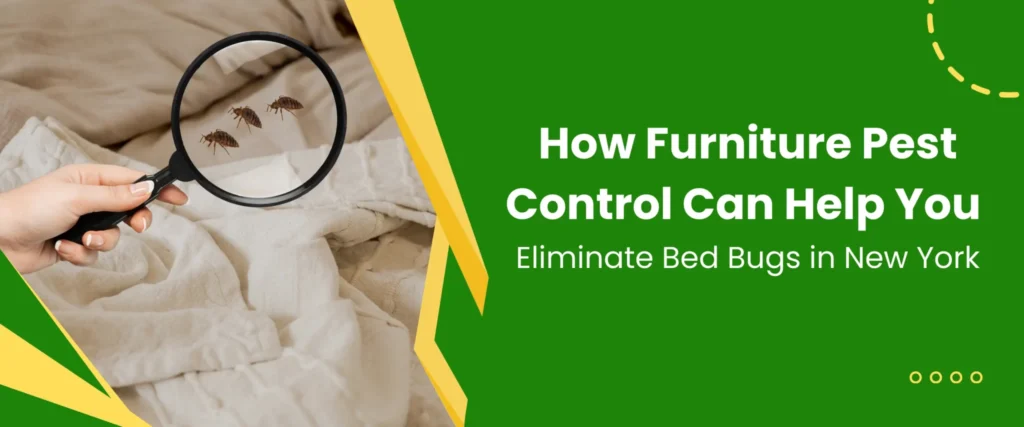
How Furniture Pest Control Can Help You Eliminate Bed Bugs

How Furniture Pest Control Can Help You Eliminate Bed Bugs in New York Bed bugs, once considered a distant memory, have made a resurgence in recent years, causing significant discomfort and stress for residents of New York City. These tiny, parasitic insects can infest homes, offices, and even public transportation, leaving behind itchy bites and psychological distress.  New York City, with its bustling population and constant influx of travelers, has become a hotspot for bed bug infestations. These insects are adept at hitchhiking on luggage, clothing, and other personal belongings, making it easy for them to spread from one location to another. This has led to a surge in bed bug-related complaints and a growing demand for effective pest control solutions. The Importance of Furniture Pest Control in Combating Bed Bugs Furniture is a prime hiding spot for bed bugs, providing them with a safe and comfortable environment to lay eggs and feed. Bed bug infested furniture removal can act as a breeding ground for these pests, making it difficult to eradicate them entirely. Furniture pest control involves targeted treatments designed to eliminate bed bugs from furniture and prevent future infestations. This approach is essential in achieving a comprehensive solution to the bed bug problem. Identifying Bed Bug Infested Furniture Bed bugs are skilled at hiding in various nooks and crannies, especially within furniture. Early detection is crucial to prevent the infestation from spreading and to minimize the cost of treatment. Here are some common signs of bed bug infestation in furniture: Couches and Other Upholstered Items Bite marks: These are often red, itchy, and appear in a zigzag pattern. Bed bug feces: These are tiny, dark spots that may resemble pepper or poppy seeds. Bed bug eggs: These are small, white, and often found in cracks and crevices. Shedding skins: Bed bugs shed their skins as they grow, leaving behind small, brownish-red casings. A musty odor: Infested furniture may emit a musty or unpleasant smell due to the presence of bed bugs and their waste. Mattresses Dark spots: These may be bed bug feces or shed skins. Small holes or tears: Bed bugs may burrow into mattress seams or create small holes. A musty odor: Similar to upholstered furniture, infested mattresses may emit a foul smell. Importance of Early Detection Identifying bed bug infestations early on is crucial for several reasons: Minimizing infestation spread: The sooner bed bugs are detected, the easier it is to prevent them from spreading to other areas of the home. Reducing treatment costs: Early detection can help to reduce the cost of professional pest control treatments. Preventing psychological distress: Bed bug infestations can cause significant stress and anxiety. Early detection and treatment can help to alleviate these emotional burdens. Effective Furniture Pest Control Methods Bed bug infestations can be challenging to eradicate, especially when furniture is involved. Professional pest control techniques and targeted DIY approaches can be highly effective in eliminating these pests. Professional Pest Control Techniques Professional pest control companies employ a variety of techniques to treat bed bug infestations, including: Chemical treatments: These involve applying specialized insecticides to infested areas, including furniture. Professional technicians are trained to select the most appropriate chemicals and ensure safe and effective application. Heat treatments: This method involves raising the temperature in a sealed room or chamber to a level that kills bed bugs and their eggs. This is a non-chemical option that can be particularly effective for treating furniture. Encasement: Infested mattresses and box springs can be encased in protective covers that prevent bed bugs from entering or exiting. DIY Furniture Treatment: HEPA Vacuuming In addition to professional treatments, HEPA vacuuming can be a valuable tool in combating bed bugs on furniture. What is a HEPA vacuum? A HEPA (High-Efficiency Particulate Air) vacuum is a type of vacuum cleaner that is equipped with a specialized filter capable of capturing extremely small particles, including bed bugs and their eggs. This makes it an effective tool for removing these pests from furniture. How to use a HEPA vacuum to treat furniture: Thorough inspection: Carefully examine the furniture for signs of bed bugs, such as bite marks, feces, or eggs. Vacuuming: Use the HEPA vacuum to thoroughly clean all surfaces of the furniture, including cracks, crevices, and seams. Pay particular attention to areas where bed bugs are likely to hide, such as along the edges of cushions and in the folds of fabric. Disposal of the vacuum bag: After vacuuming, carefully seal the vacuum bag and dispose of it in a secure manner to prevent bed bugs from escaping. Why is a HEPA vacuum essential for removing bed bugs from infested furniture? HEPA vacuum cleaners are highly effective at removing bed bugs and their eggs from furniture for several reasons: Powerful suction: HEPA vacuums are designed to provide strong suction, which can help to dislodge bed bugs and their eggs from various surfaces. HEPA filter: The HEPA filter captures even the smallest particles, ensuring that bed bugs and their eggs are not released back into the environment. Accessibility: HEPA vacuums are often equipped with specialized attachments that allow you to reach into narrow crevices and other hard-to-reach areas. Techniques for Vacuuming Mattress When vacuuming a mattress, follow these steps: Remove bedding: Take off all bedding, including sheets, blankets, and pillowcases, and wash them in hot water. Vacuum the mattress: Use a handheld vacuum cleaner with a specialized attachment to carefully vacuum the entire surface of the mattress, paying particular attention to seams, edges, and tufts. Inspect the mattress: After vacuuming, carefully inspect the mattress for any remaining bed bugs or eggs. Repeat as needed: Vacuum the mattress regularly to help prevent future infestations. Best Practices for Bed Bugs and Vacuuming After Treatments Thorough cleaning: After completing a bed bug treatment, clean all surfaces of the furniture and surrounding areas thoroughly to remove any remaining bed bugs or their eggs. Regular vacuuming: Continue to vacuum the furniture and other affected areas regularly to prevent future infestations. Dispose of vacuum

Bed Bug

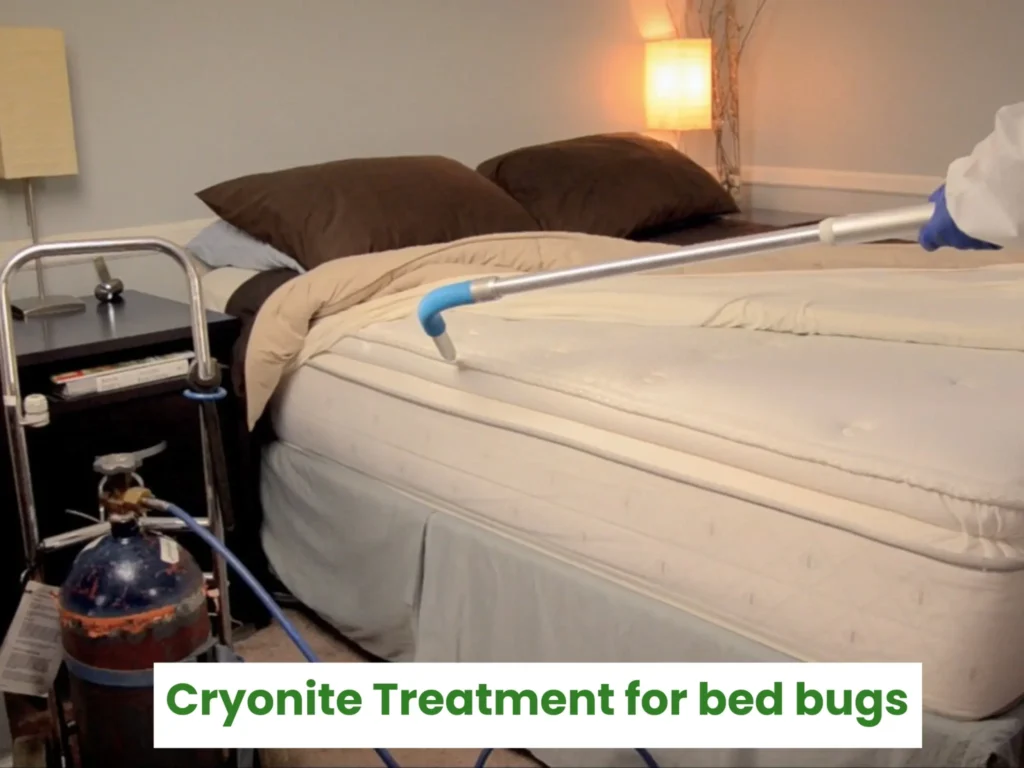
Bed Bug Blues? Cryonite Treatment For Bed Bugs To Rescue!

Bed Bug Blues? Cryonite Treatment For Bed Bugs To Rescue! A New York Minute Solution to an Old Pest Problem Bed bugs, once a nuisance confined to the past, have made a resurgence in recent years, wreaking havoc on homes and hotels worldwide. Their stealthy nature, rapid reproduction, and resistance to traditional pesticides have made them a formidable foe for homeowners and pest control professionals alike. The search for effective and efficient bed bug treatments has become a top priority, and a groundbreaking solution has emerged: Cryonite. Cryonite, a unique form of carbon dioxide, has revolutionized the way bed bugs are eliminated. Unlike traditional pesticides that target adult insects, Cryonite works by freezing the pests instantly. Its extreme cold, reaching temperatures as low as -78°C, disrupts the cellular structure of bed bugs, leading to their demise. This innovative approach offers a number of advantages over conventional methods. Cryonite treatment for bed bugs has gained significant traction in the pest control industry. As homeowners and professionals seek more effective and environmentally friendly options, Cryonite has become a popular choice. Its ability to provide rapid results and minimize disruption to daily life has contributed to its rising popularity. What is Cryonite Treatment? bed bug cryonite treatment is a revolutionary method for eliminating bed bugs using extremely cold carbon dioxide. Unlike traditional pesticides that rely on chemical agents, Cryonite works by physically freezing the pests. The technology utilizes the principle of cryogenic freezing, which involves rapidly cooling a substance to extremely low temperatures. The Science Behind It: The process of freezing kills bed bugs by disrupting their cellular structure. When exposed to Cryonite’s intense cold, the water within the insect’s cells freezes and expands. This expansion causes the cell membranes to rupture, leading to the death of the pest. Cryonite’s effectiveness lies in its ability to target bed bugs at all stages of their life cycle, including eggs, nymphs, and adults. Cryogenic Bed Technology: To ensure thorough and efficient treatment, many pest control professionals employ cryogenic beds. These specialized devices are designed to create a controlled environment where Cryonite can be applied effectively. The bed is typically sealed around the infested area, allowing for the targeted application of Cryonite gas. This approach helps to contain the treatment and minimize the risk of spreading bed bugs to other areas of the home. How Cryonite Treatment Works A Cryonite bed bug treatment typically involves the following steps: Preparation: The area to be treated is thoroughly inspected to identify areas of infestation. Furniture and other items that may harbor bed bugs are moved to facilitate treatment. Cryogenic Bed Setup: A cryogenic bed is placed over the infested area, creating a sealed environment. The bed is secured to prevent the escape of Cryonite gas. Cryonite Application: Cryonite gas is released into the sealed chamber. The gas quickly fills the space, enveloping the bed bugs and other pests. Freezing and Killing: The intense cold of the Cryonite gas instantly freezes the bed bugs, causing their death. Ventilation: Once the treatment is complete, the cryogenic bed is removed, and the area is ventilated to disperse any remaining Cryonite gas. CO2 as a Freezing Agent: CO2 (carbon dioxide) is the primary component of Cryonite. It is a non-toxic gas that is naturally occurring in the atmosphere. When released under high pressure, CO2 undergoes a phase change, transforming from a gas into a dry ice solid. This solid form of CO2 is extremely cold, making it ideal to freeze bedbugs. CO2 bedbug traps are sometimes used in conjunction with Cryonite treatment to capture and eliminate bed bugs before the main treatment begins. Cryonite vs. Traditional Treatments: Cryonite offers several advantages over traditional methods for bed bug control: Effectiveness: Cryonite is highly effective in killing bed bugs at all stages of their life cycle, including eggs. Speed: Cryonite treatment can be completed in a relatively short period, providing quick results. Safety: Cryonite is non-toxic and does not pose a health risk to humans or pets. Environmental Friendliness: Cryonite is considered to be more environmentally friendly than traditional chemical treatments. Minimal Disruption: Cryonite treatment typically requires less preparation and cleanup than traditional methods. Common Myths and Misconceptions Does Freezing Kill Bed Bugs? The short answer is yes, freezing can kill bed bugs. However, it is crucial to understand that not all freezing methods are created equal. DIY freezing attempts, such as placing infested items in a freezer, may not be as effective as professional Cryonite treatment. This is because DIY methods often fail to reach the extremely low temperatures required to kill bed bugs and their eggs. Cryonite vs. DIY Freezing Methods: Professional Cryonite treatment offers several advantages over DIY freezing methods: Temperature Control: Cryonite technology can achieve much lower temperatures than a typical household freezer, ensuring that bed bugs and their eggs are completely eliminated. Uniformity: Cryonite treatment can be applied evenly to the entire infested area, ensuring that no hiding places are missed. Professional Expertise: Pest control professionals have the knowledge and experience to identify and treat bed bug infestations effectively. Equipment: Professional Cryonite treatment utilizes specialized equipment that is designed to deliver the gas efficiently and safely. When to Consider Cryonite Treatment Identifying bed bugs or signs of their presence is essential for determining if treatment is necessary. Look for: Bite marks: Small, red, itchy bites on your skin, often in a zigzag pattern. Bed bug tracks: Dark, squiggly lines on bed sheets or mattresses. Live bed bugs: Small, brown insects that may be found in bed seams, furniture, or other hiding places. Bed bug eggs: Tiny, white eggs that may be found in clusters. Shedding: Shed skins from bed bugs. Best Situations for Cryonite: Cryonite treatment is particularly effective in the following situations: Severe infestations: When there is a large number of bed bugs present. Hidden infestations: When bed bugs are difficult to reach using traditional methods. Resistance to other treatments: If bed bugs have developed resistance to chemical or heat treatments. Environmental concerns: For those who prefer

BED BUG INSPEXCTION
Bed Bug

Unmasking the Bed Bug: Inspection and Treatment Strategies for a Restful Night

Unmasking the Bed Bug: Inspection and Treatment Strategies for a Restful Night Bed Bugs: More Than Just Annoying Bites Bed bugs, those tiny, blood-sucking creatures, can turn your peaceful sleep into a nightmare. But before you panic, understanding the bed bug life cycle and habits is key to effective treatment. The Telltale Signs: Uncovering a Bed Bug Infestation Tiny hitchhikers: Adult bed bugs are roughly the size and shape of an apple seed, but their nymphs are even smaller. Keep an eye out for them, especially around your bed frame, mattress, and box spring. Marks and stains: Shed skins, black excretion marks (like ink dots), and even live bugs themselves are all signs of an infestation. Feeding habits: Bed bugs need regular blood meals, so unexplained bites, especially in clusters, could be a clue. Inspection: Locating the Enemy’s Hideouts A thorough inspection is crucial for successful treatment. We at Best At Pest use our expertise for  bed bug examinations. Furniture crevices: Bed frames, mattresses, box springs, nightstands, couches – no crevice is safe for a bed bug! Beyond furniture: Electrical outlets, electronics, curtains, window and door sills, even behind pictures and inside luggage – they can be anywhere! Treatment: Eliminating the Bed Bug Threat Treating all cracks and crevices, including disassembled furniture and the perimeter of infested areas, is essential. Here’s how we tackle the problem: Targeting all life stages: We focus not only on adult bugs but also on eggs, crucial to breaking the life cycle. Heat and vacuuming: These methods can be part of an Integrated Pest Management (IPM) program for effective control. Strategic pesticide application: We use EPA-registered pesticides specifically labeled for killing bed bug eggs, ensuring they reach hidden locations. Customized Solutions for Your Peace of Mind At Best At Pest, we understand that every bed bug situation is unique. We tailor our control programs to your specific needs and living environment, ensuring a restful sleep and a pest-free home. Don’t let bed bugs steal your peace of mind. Contact us today for a free consultation and let us help you reclaim your nights! https://youtube.com/watch?v=/8Z1AEkh2lqw?feature=share

k9 inspection
Bed Bug

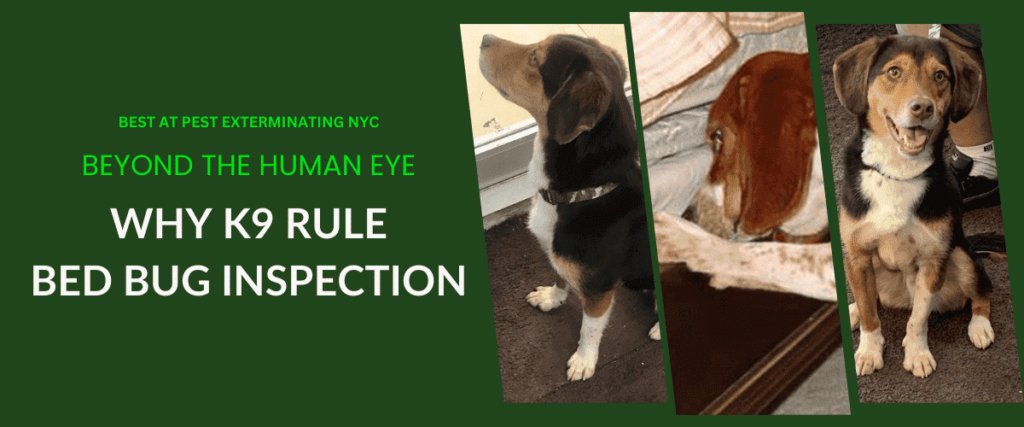
Beyond the Human Eye: Why K9s Rule Bed Bug Inspection

Beyond the Human Eye Why K9s Rule Bed Bug Inspections K9s bed bug inspections involve using specially trained dogs to detect the presence of bed bugs in homes, hotels, offices, and other locations. These dogs, known as bed bug detection dogs, or K9s, are trained to use their keen sense of smell to locate live bed bugs and viable eggs with a high degree of accuracy. PROCESS OF INSPECTION The process typically involves the following steps: 1. Training: Dogs are trained to detect the scent of live bed bugs and their eggs. They undergo rigorous training to develop the ability to pinpoint the exact location of infestations. 2. Inspection: A handler and the K9 team visit the location to be inspected. The dog is allowed to sniff around the area, including furniture, bedding, and other potential hiding spots for bed bugs. 3. Alerting: When the dog detects the presence of bed bugs, it is trained to alert the handler by sitting, scratching, or using another predetermined signal. 4. Confirmation: Once the dog alerts, the handler can visually inspect the area to confirm the presence of bed bugs and determine the extent of the infestation. Bed bug K9 inspections are valued for their speed and accuracy, as they can quickly identify infestations, even in hard-to-reach areas. This can help in targeting treatment efforts more effectively and minimizing the spread of bed bugs. https://youtube.com/watch?v=/1mHpg54KURc?feature=sharehttps://youtube.com/watch?v=/vqV1t5ygrNo?feature=share

bed bug removal from NYC apartment best at pest exterminating
Bed Bug

Removing Bed Bugs in Your NYC Apartment

Removing Bed Bugs in Your NYC Apartment An IPM Approach By Best At Pest Exterminating NYC Don’t let bed bugs bug you out! If you’re facing a heavy infestation in your NYC apartment, Best at Pest Exterminating NYC is here with a safe and effective solution: Integrated Pest Management (IPM). Forget harsh chemicals and ineffective DIY methods. Our IPM approach combines multiple strategies to eliminate bed bugs for good, while protecting your health and environment. Why IPM for Bed Bugs? Effective: Combines non-chemical and chemical methods for targeted results. Long-term: Addresses the root cause, preventing future infestations. Safer: Minimizes exposure to harmful chemicals, ideal for families and pets. Sustainable: Promotes responsible pest control practices. Our 6-Step IPM Strategy: Inspection & Assessment: Our experts identify the extent of the infestation and tailor a plan for your apartment. Non-Chemical Methods: Interceptors: Trap and monitor bed bugs without chemicals. Encasements: Enclose mattresses and box springs to starve bed bugs. Steam & Heat: Eliminate bed bugs in all life stages through targeted heat treatments. Vacuuming: Regularly vacuum and dispose of debris to reduce harborage sites. Chemical Treatment (if necessary): We use EPA-registered insecticides only when essential, targeting specific areas for maximum impact. **Monitoring & ** We re-inspect regularly to ensure complete eradication and prevent re-infestation. Education & Prevention: We empower you with knowledge to maintain a bed bug-free environment. Video Library: Learn more about our process and see real-life examples of successful IPM treatments in our video library! Don’t wait! Contact Best at Pest Exterminating NYC today for a free consultation and reclaim your peace of mind. We’re committed to providing proven, safe, and effective bed bug solutions for a pest-free future in your NYC apartment. Remember: Early intervention is key! The sooner you address a bed bug infestation, the easier and more affordable it is to eliminate. Contact Us Today for Free Consultation. Together, we can conquer bed bugs and create a healthy, pest-free home! P.S. Check out our informative video library on bed bug control and see how we’ve helped other NYC residents achieve victory over these pesky invaders! https://youtube.com/watch?v=/xndE-XlBuwc?feature=sharehttps://youtu.be/N1JvPox-8nUhttps://youtube.com/watch?v=/7_T3TKNpGqA?feature=sharehttps://youtu.be/iGZF36eJUww

Scroll to Top