Marquee Text
Limited-Time Discount: Save $50 on Your First Service as a New Customer!

cockroach

Multiple cockroaches crawling under a kitchen cabinet, showing signs of a persistent roach infestation and resilience.
cockroach

Why Are Roaches So Hard to Kill?

The Real NYC Pest Control Guide to Earth’s Toughest Pests Living in New York means dealing with noise, traffic, and, if you’re unlucky, cockroaches that seem impossible to kill. Many people spray, squash, clean, and still find roaches crawling out of cabinets or running across kitchen floors. The reason is simple: roaches are built for survival, and NYC is one of the best environments for them to thrive. The Survival Design of a Cockroach Roaches have been evolving for over 200 million years, making them difficult to exterminate due to their unique characteristics. Their exoskeleton is both strong and flexible, allowing them to survive high pressure and squeeze into extremely thin gaps. Even when injured, they keep moving because their nervous system is spread throughout their body, not concentrated in the head. A roach can literally live for days without its head. Inside New York apartments, this toughness becomes a real challenge. Cracks in walls, furniture gaps, electrical outlets, plumbing lines, and warm appliance motors offer perfect hiding spots where sprays can’t reach. Hidden Spaces Make DIY Killing Nearly Impossible Roaches prefer tight, enclosed areas due to thigmotaxis, an instinct that drives them into cracks and crevices. These are the spaces where they hide, breed, and build colonies. In NYC, the structure of old buildings and connected apartments helps them spread even faster. Typical places roaches hide include: When you only spray the surface, you never reach the core of the infestation. Most of the population stays underground, literally and figuratively. Their Reproduction Outpaces Your Sprays The real power of roaches comes from how fast they reproduce. A single female German cockroach can produce egg cases (oothecae) full of dozens of nymphs. In the right environment, these eggs hatch continuously. This becomes especially serious in NYC because roaches travel easily through: You may be clean, but if the apartment next door isn’t, the infestation keeps coming back. That’s why roaches seem endless even when you clean obsessively. Roaches Evolve to Resist Insecticides One of the biggest reasons roaches are so hard to kill is their ability to develop insecticide resistance, including multi-class resistance and cross-resistance. After repeated exposure to store-bought sprays, they evolve enzymes that break down chemicals and change their behaviour to avoid treated surfaces. Some populations have even learned to detect and avoid certain baits. This means: This is exactly why your sprays stop working after a few weeks. NYC Provides the Perfect Habitat for Cockroaches New York City unintentionally creates the ideal conditions for cockroach survival. Between old building structures, warm radiators, constant food sources, and shared utilities, roaches have everything they need. Common NYC environments that support roaches include: Even the cleanest homes are at risk if they share walls or pipes with infested units. Why DIY Roach Killing Fails Most of the Time DIY solutions give temporary relief but rarely solve the root problem. Contact sprays kill only what you directly hit. Strong smells from chemicals may even push roaches deeper into walls, making them harder to treat. Home remedies like bleach, hot water, or essential oils can kill a few roaches but leave the colony untouched. The biggest issue is simple: This cycle continues until the real source is treated. What Actually Works in NYC: Professional Integrated Pest Management (IPM) Effective roach elimination in New York requires a multi-step, research-backed strategy. Professionals use Integrated Pest Management, which combines identification, targeted baits, growth regulators, and sealing entry points. A proper NYC roach treatment usually involves: This approach doesn’t just kill roaches, you see, it collapses the entire population from the inside out. When You Should Call a Professional in NYC If you’re seeing roaches during the day, spotting them in multiple rooms, noticing droppings in cabinets, or hearing neighbours complain, the infestation is already advanced. New York’s architecture makes roaches incredibly mobile, so waiting too long only makes them harder to eliminate. Whether you’re living in Manhattan, Brooklyn, Queens, Bronx, Long Island, Staten Island, New Jersey or nearby New York areas, professional roach extermination is the only method that consistently delivers long-term results. Conclusion Roaches are hard to kill because they hide deep inside walls, reproduce rapidly, and develop resistance to common insecticides, especially in dense NYC buildings. Their biology and behaviour let them survive most DIY methods, which only target the few roaches you see, not the colony behind the scenes. With the right approach, based on science and proper techniques, roach infestations in New York can be eliminated and prevented from returning. Tired of roaches coming back no matter what you try?Get expert help that targets hidden colonies, resistant roach populations, and structural entry points throughout your home or building. Best At Pest provides fast, science-backed roach extermination across Manhattan, Brooklyn, Queens, Bronx, Long Island, Staten Island, New Jersey and nearby New York areas with long-lasting results you can count on. 📞 Call now or book your inspection today — take your home back from roaches. FAQs: 1. Why are roaches so hard to kill even after spraying? Roaches are hard to kill because most sprays only work on direct contact. The majority of the colony hides deep inside cracks, wall voids, and plumbing lines. Many roaches also develop insecticide resistance, making common store-bought sprays ineffective. 2. Why do roaches keep coming back in NYC apartments? In NYC, roaches easily move between apartments through shared plumbing, wiring, and wall structures. Even if you clean constantly, roaches from neighbouring units or lower floors can migrate into your home unless the entire building is treated. 3. Can roaches become immune to insecticides? Yes. German cockroaches, in particular, can develop multi-class and cross-resistance, meaning they become immune to several types of chemicals. This makes repeated DIY spraying even less effective over time. 4. What kills roaches permanently? Permanent elimination requires Integrated Pest Management (IPM), which combines gel baits, dusts, growth regulators, sealing entry points, sanitation, and follow-up treatments. Professional exterminators also rotate active ingredients to prevent resistance. 5. How long does it take to get

cockroach

Why Roaches Keep Coming Back After Extermination in NYC?

If you’ve ever had a professional pest control service come into your NYC apartment to exterminate cockroaches, you may have noticed they can keep coming back. It’s frustrating, especially after you’ve invested time and money into extermination. So why do roaches keep returning, and what can you do to stop them for good? Let’s explore the reasons behind this issue, focusing on the unique challenges of NYC homes, and how you can break the cycle. Understanding the Biology of Roaches in NYC Cockroaches are resilient creatures, and this is especially true in New York City. The German cockroach, which is the most common species in NYC, reproduces rapidly and can lay multiple egg cases in just one month. A single egg case, or ootheca, can contain up to 40 eggs, all of which can hatch weeks after the initial extermination. New York’s dense and aged infrastructure provides the perfect environment for roaches to hide. Cracks in walls, behind appliances, and in plumbing and heating systems make it difficult to eliminate them. These pests are experts at surviving and can live in hidden spaces until the right moment to re-emerge. Why Treatment Often Fails Several factors contribute to treatment failure, allowing cockroaches to survive or return after pest control efforts, especially in multi-unit buildings like those common in New York City. Here’s why: 1. Inadequate Coverage In NYC, apartments are often connected by shared walls and plumbing systems, meaning roaches can travel between units without you knowing. Exterminators might treat only your apartment, but if neighboring units are not treated, they can act as a source of reinfestation. Roaches often migrate through pipes and electrical conduits that connect multiple apartments in a building. 2. Wrong Products or Techniques Not all pest control products are equally effective for every species. Roaches can be resistant to certain treatments if not properly targeted. In NYC, apartments have unique layout, old plumbing, steam heating systems, and crowded living spaces that require specialized treatment plans. For example, gel baits and residual insecticides may not reach the cracks and crevices where roaches breed, particularly in older NYC buildings. 3. Eggs Surviving the Treatment The real challenge is the cockroach egg case (ootheca), which can be resistant to many types of insecticides. If eggs survive the treatment, they will hatch weeks later, and the cycle will begin again. NYC’s dense housing often means that egg cases are hidden in hard-to-reach places, like inside walls, under floors, or behind appliances, making them difficult to target during a one-time treatment. Sources of Reinfestation: Why Roaches Keep Coming Back In addition to the biology and treatment failures, there are several external factors contributing to reinfestation in NYC: 1. Entry Points from Neighbouring Units In multi-unit buildings, roaches can easily move between apartments through shared plumbing, ventilation systems, and walls. Even if you seal off all the cracks in your apartment, if neighboring units are infested, the roaches will find their way back into your space. 2. Food and Water Sources Roaches are scavengers, and they need food, water, and shelter to thrive. In NYC, where small apartments and shared living spaces mean cluttered kitchens and common areas, it’s easier for roaches to find crumbs, dirty dishes, and standing water. NYC’s old infrastructure can also contribute to this problem; pipes may leak, creating extra moisture in hard-to-reach spaces that attract roaches. 3. Structural Gaps and Cracks Apartments in New York City are often built with outdated materials and imperfect sealing, which create plenty of spaces for roaches to enter. These pests can slip through tiny gaps in window frames, cracks in walls, and plumbing penetrations. If you don’t seal these entry points, you will continue to face reinfestation problems. Effective Professional Control Strategy for NYC To break the cycle of roach reinfestation, comprehensive treatment and long-term monitoring are necessary. In New York City, where conditions are ideal for roach breeding, pest control requires more than just a single treatment. Here’s how professionals can address the problem: 1. Multiple Treatments One-time exterminations rarely succeed in NYC’s multi-unit buildings. Roaches can be hidden in walls, behind appliances, and even in neighboring apartments. Pest control experts will often need to conduct multiple treatments over the course of several weeks, especially to target roach eggs and nymphs. This approach ensures that roaches at all life stages are effectively killed. 2. Proper Use of Gel Baits and IGRs Professionals often use gel baits and Insect Growth Regulators (IGRs) to target the root cause of the infestation. These products are designed to kill roaches through ingestion, and the IGRs disrupt the cockroach’s ability to reproduce. In high-density NYC buildings, using IGRs in combination with baits and traps ensures that the roach population is properly addressed. 3. Thorough Inspection and Treatment Professional exterminators will inspect your home for hidden eggs and harborage sites, places where roaches like to hide, breed, and feed. In NYC, pest control services take into account the unique nature of apartments and their shared systems, ensuring every corner of your unit and building is treated for potential infestations. What to Do After Extermination: Prevent Future Infestations Even after a professional extermination, you must take responsibility to ensure that roaches don’t come back. Here’s what you can do to protect your NYC home: 1. Seal All Entry Points Inspect your apartment for any cracks or gaps around windows, doors, and plumbing pipes. These are the primary entry points for roaches. Seal them with caulking, steel wool, or copper mesh to prevent roaches from sneaking back in. 2. Maintain Cleanliness In a densely populated city like New York, sanitation is key. Roaches thrive in cluttered spaces, so make sure to keep your kitchen free of crumbs, clean up spills immediately, and take out the trash regularly. It’s also important to store food in airtight containers and avoid leaving pet food or dirty dishes out overnight. 3. Fix Leaks and Remove Moisture Roaches need water to survive. In New York City, where many apartments have leaky pipes

cockroach

How to Get Rid of Cockroaches and Prevent Infestations

Of all insects regarded as pests, cockroaches are probably the most undesirable due to the health risks they can pose to homeowners and business establishments. The fact that these insects can survive under various conditions makes them hard to kill. However, with the right strategy and patience, it is very plausible to successfully remove roaches and prevent their recurrence. This guide offers steps on how to get rid of cockroaches and keep a space free from pests. Understanding Cockroach Behavior Nocturnal and warm, moist environment cockroaches infest cracks, crevices, and areas where food and water are available. Multiplying rapidly, a small roach problem quickly becomes a severe roach infestation. In seeing one roach, there could be many more hiding nearby.Cockroaches are attracted to food remains, garbage, and uncleanness. Since they can crawl through a very small opening, they can enter your place through some tiny gaps in the walls or windows or through plumbing. Their behavior makes it easy for you to determine the right approach towards their treatment. Common Entry Points for Roaches Roaches will most probably enter your house from the following sources: How to Kill Cockroaches Effectively Different control measures are targeted against the pest and its sites in managing the cockroach. Some of the viable solutions include: Sticky traps are very effective for monitoring and controlling small populations of cockroaches. Place them near possible hiding places, such as under sinks, behind refrigerators, and along baseboards. They catch the roaches in transit to find hotspots of an infestation. The poison baits attract roaches through food. Once the poisoned roach is eaten, the infection spreads to the rest of the colony. These are considered highly effective methods for large infestations. These aerosol sprays kill the visible cockroaches suddenly. They are useful for immediate effects but do not eradicate the problem of hidden colonies. Always clean the areas where spraying has been done because these areas contain harmful residues. Diatomaceous earth is an organic eliminator of cockroaches. The fine powder works by dehydrating the cockroach upon contact. Sprinkle it in places where the roaches are active, like cabinets, under appliances, and behind furniture. These foggers release fine mist insecticide which penetrates through cracks and also reaches unreachable areas. Foggers may be used for general treatment of an entire room, but cautiously: nobody should be allowed to enter the space before it is safe to re-enter. Home Remedies to Keep Away Roaches For those into home natural remedies, there are some home cures that help rid cockroaches: This is the simplest yet effective treatment: baking soda mixed with sugar-the bait for roaches. Sprinkle this mixture in places where roaches are seen. Another natural roach repellent is boric acid. It can be sprinkled along dry areas like under cabinets or along baseboards, but never on wet ones because it is rendered ineffective by moisture. Other of those essential oils, such as peppermint or tea tree oil, have the organic qualities to repel cockroaches. Mix a few drops with water and spray along entries, corners, and other places you find dark. Vinegar will not kill roaches but does help deter them. Make a solution with water and vinegar to clean up and then wipe down surfaces that have these scent trails attracting the roaches. Roach Infestation Prevention Prevention is the best measure in keeping your space free from roaches. Here’s how you can minimize the risk for an infestation: Get Rid of Cockroaches in Apartment Apartments can be a big headache when it comes to dealing with roaches because one unit often spreads the problems to another. To handle this problem in apartments: Getting Rid of Roaches Quickly If the infestation is serious and you want quick results, here is what you can do: Professional Pest Control for Roaches Professional pest control is, however, the best solution for stubborn infestations. It is no doubt much easier to avoid future problems with their trained technicians and advanced ways of targeting roach colonies. So, if you have been wondering how to permanently get rid of roaches, the professional service would be your only hope. Common Questions About Roaches The time of eradicating cockroaches depends on the infestation’s intensity. Light cases could be treated within days, but other cases might take up to a few weeks and longer if proper treatment is implemented. Some of the essential oils that naturally repel them include peppermint, bay leaves, and vinegar. Cleaning your house and removing sources of food and water also helps to keep roaches away. Yes, baking soda is a good natural roach killer. It causes internal damage once ingested and thus kills the roach. Final ThoughtsWhile cockroaches can be a stubborn problem, being persistent and using proper methods can help one enjoy a pest-free environment. From natural remedies with baking soda to professional extermination services, a combination seems to work best. Also, remember that prevention goes hand in hand with treatment. Trust Best at Pest for professional solutions and reputable services to take you through the fight to get your space back from roaches. At Best at Pest NYC, we can help professionally.

cockroach

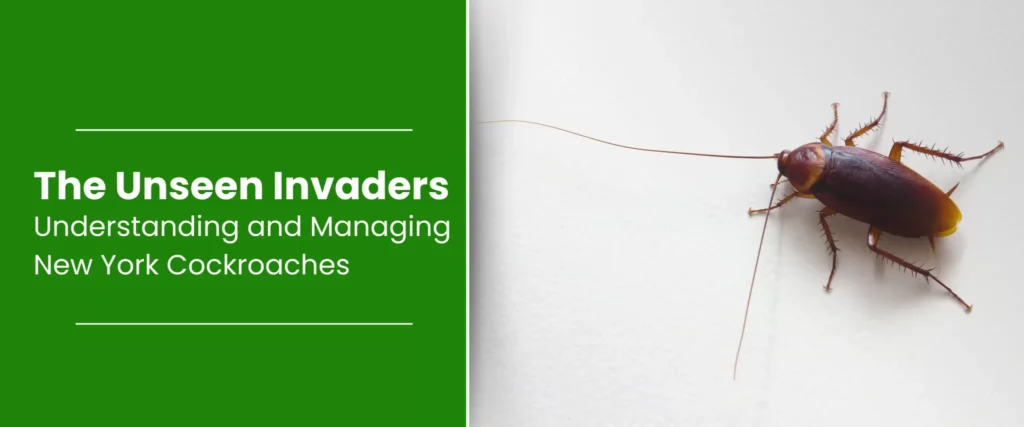
Understanding and Managing New York Cockroaches

The Unseen Invaders: Understanding and Managing New York Cockroaches The order Blattodea includes cockroaches. These insects originated about 125 and 140 million years ago, during the Jurassic Period. Only 70 species of cockroaches can be found in the United States, out of thousands that exist worldwide. New York City, a bustling metropolis, is not just home to millions of residents but also to an equally vast population of cockroaches.These resilient pests are notorious for thriving in urban environments, particularly in the dense, humid settings that NYC provides.  From the subterranean tunnels of the subway to the high-rise apartments, cockroaches have made every corner of the city their domain. Among the most common species found in New York are the American cockroach, the German cockroach, and the Oriental cockroach, each bringing its own set of challenges to both residents and businesses. Importance of Understanding and Managing Cockroach Infestations in Urban Environments Understanding the behavior and biology of cockroaches is crucial in managing their infestations, especially in a city like New York where the environment is ripe for their proliferation. Cockroaches are not just a nuisance; they pose significant health risks, as they can contaminate food, trigger allergies, and spread diseases.  In densely populated areas, the rapid spread of an infestation can lead to widespread problems, making effective management and prevention strategies essential. By staying informed and proactive, New Yorkers can protect their homes and communities from these unwanted invaders. Understanding Cockroaches Biological Classification of Cockroach Cockroaches, those resilient and often unwelcome inhabitants of our homes, belong to a group of insects with a long evolutionary history. Their classification is as follows:   Kingdom: Animalia (Animals)   Phylum: Arthropoda (Arthropods)   Class: Insecta (Insects)   Order: Blattodea (Cockroaches)   The order Blattodea encompasses a vast diversity of species, many of which are not associated with humans. However, some have adapted remarkably well to our living spaces, becoming notorious pests.  Types of Cockroaches in New York Let’s delve deeper into the three most common cockroach species in New York City: German Cockroach (Blattella germanica) Appearance: Small, light brown body with two dark stripes running from head to wings.   Habits: Primarily found in kitchens and bathrooms, often hiding in cracks and crevices. They are highly adaptable and reproduce rapidly.   Environment: Thrive in warm, humid conditions with access to food and water. American Cockroach (Periplaneta americana) Appearance: Large, reddish-brown body with a yellow band around the thorax. Habits: Often found in basements, sewers, and garbage areas. They are strong fliers and can easily invade homes. Environment: Prefer warm, moist environments but can tolerate a wider range of conditions than German cockroaches. Oriental Cockroach (Blatta orientalis) Appearance: Dark brown to black, oval-shaped body. Females are wingless, while males have short wings.   Habits: Typically found in damp, dark areas like basements and crawl spaces. They are slow-moving and prefer outdoor environments. Environment: Thrive in moist, humid conditions. Comparison of Habits and Environments: Feature German Cockroach American Cockroach Oriental Cockroach Size Small Large Medium Color Light brown Reddish-brown Dark brown to black Habitat Kitchens, bathrooms Basements, sewers Damp, dark areas Activity Primarily nocturnal Active day and night Primarily nocturnal Reproduction Rapid Slower than German Slower than German Cockroach Behavior and Lifecycle Cockroach Lifespan Cockroaches are remarkably resilient creatures with lifespans that can vary significantly based on species, environmental conditions, and available resources. While the average lifespan of a cockroach is around one year, some can live for up to two years.   Factors influencing cockroach longevity include: Species: German cockroaches generally have shorter lifespans than American or Oriental cockroaches.   Temperature: Warmer temperatures accelerate development and shorten lifespan, while cooler temperatures slow down the life cycle. Humidity: High humidity is favorable for cockroach survival and reproduction, leading to longer lifespans. Food availability: Consistent access to food sources can extend a cockroach’s life. Predators and competition: The presence of natural enemies or competing pests can reduce lifespan. Nymphs Roaches Cockroaches undergo incomplete metamorphosis, meaning they hatch from eggs as nymphs and gradually develop into adults without a pupal stage. Nymphs resemble smaller versions of adult cockroaches but lack wings and are often lighter in color.   Nymphs molt several times as they grow, shedding their exoskeleton to accommodate their increasing size. This process can take several months, depending on the species and environmental conditions.   Nymphs play a crucial role in infestations as they represent the next generation of cockroaches. A single female cockroach can produce hundreds of offspring over her lifetime, and a large number of nymphs can quickly lead to an overwhelming infestation. How Far Can a Cockroach Travel in an Hour? Cockroaches are surprisingly agile and can travel considerable distances in a short amount of time. While exact figures vary depending on species and environmental factors, it is estimated that a cockroach can travel up to several meters per minute. In an hour, a cockroach could potentially cover a significant portion of a building. Cockroach mobility is a major factor contributing to the spread of infestations. They can easily move between apartments, offices, and other buildings, carrying harmful bacteria and allergens with them. In urban areas like New York City, where buildings are often interconnected, cockroach infestations can spread rapidly through shared walls, pipes, and other openings. Roach Season and Prevention When Is Roach Season? While cockroaches can be a year-round nuisance, their activity levels tend to fluctuate with the seasons. In New York City, cockroach populations typically peak during the warmer months, from late spring to early fall. This is when conditions are most favorable for their survival and reproduction.   Factors contributing to increased roach populations during warmer months include: Temperature: Warmer temperatures accelerate cockroach development and reproduction.   Humidity: Increased humidity creates ideal breeding conditions for cockroaches. Food availability: Outdoor food sources, such as garbage and food scraps, become more abundant. Roach Prevention Tips Preventing a cockroach infestation is crucial for maintaining a clean and healthy environment. Here are some cockroaches control and prevention tips: Hygiene: Clean up food and drink spills immediately. Wash dishes promptly and store them in a clean,

Guide to become a cockroach controller
cockroach

Hacking the Roach: Your Guide to Becoming a Cockroach Controller in NYC

Hacking the Roach: Your Guide to Becoming a Cockroach Controller in NYC New Yorkers are no strangers to unwelcome guests – but roaches take the cake (or should we say, the crumb?). These resilient insects thrive in our densely populated city, their adaptability making them a constant challenge for homeowners and property managers. Behind NYC’s persistent roach problem, explore factors like: Urban living conditions: Cramped apartments, shared walls, and easy access to food and water create a roach paradise. Climate: NYC’s warm, humid summers provide ideal breeding grounds for roaches. Travelers: Roaches can hitchhike on luggage or deliveries, introducing new populations to buildings. Importance of Effective Cockroach Control in NYC Beyond the creepy factor, roaches pose significant health risks. They can trigger allergies and asthma, and spread bacteria through their droppings and shed skin. Effective cockroach control becomes crucial for protecting your health and maintaining a sanitary environment. Identifying the Enemy: How to Locate a Roach Nest in Your NYC Home Signs of Cockroach Activity: The first step to eliminating roaches is uncovering their secret lairs. Here’s what to watch out for: Sightings: Seeing live roaches, especially during the day (when they typically hide), is a clear sign of an infestation. Droppings: Small, dark specks resembling pepper granules indicate roach activity. Exoskeletons: Empty roach casings signal prior molting and a potential breeding population. Odor: A musty smell can sometimes be a sign of a nearby roach nest. Common Hiding Spots for NYC Roaches: Knowing where roaches like to dwell helps target your search. Here are their favorite NYC hideouts: Warm, moist areas: Kitchens and bathrooms, especially behind appliances, under sinks, and around pipes. Cracks and crevices: Inspect baseboards, wall cavities, and behind furniture. Dark corners: Behind cabinets, under the refrigerator, and in pantries. DIY Methods for Locating Nests in Your NYC Apartment: While calling a professional exterminator is often the recommended course of action, there are DIY methods you can try to identify a nest: Flashlight Patrol: Shine a flashlight at night in suspected hiding spots. Roaches scatter when disturbed. Flour Trick: Sprinkle a thin layer of flour around potential entry points. Roach activity will disrupt the flour line, revealing their paths. Sticky Traps: Place sticky traps in strategic locations to catch roaches and potentially track their origin. The Battle Plan: Cockroach Prevention Methods A well-prepared battlefield is the key to victory. Here’s how to make your NYC apartment a roach-repelling fortress: Sanitation Practices: Cleanliness is key: Crumbs, spills, and dirty dishes are a roach buffet. Wipe down surfaces regularly, sweep floors daily (especially under appliances), and don’t let dirty dishes pile up. Trash Removal: Empty your trash can frequently and use a tight-fitting lid. Roaches love a good garbage feast. Recycling Right: Rinse out recyclables before storing them, and don’t let them pile up for long periods. Pet Food Management: Don’t leave pet food bowls out overnight. Clean up any spills immediately. Seal Cracks and Crevices: NYC apartments can be riddled with tiny entry points for roaches. Here’s how to seal them up: Caulk It Up: Seal cracks around pipes, baseboards, under sinks, and around windows and doors with a good caulk. Fix Leaks: Dripping faucets and leaky pipes create moisture, attracting roaches. Get them fixed promptly. Screen It: Cover vents and drains with mesh screens to prevent roaches from entering. Reduce Access to Food and Water Sources: Cockroaches need sustenance – take that away, and they’ll move on. Here’s how: Store Food Properly: Keep food in sealed containers or the refrigerator. Don’t leave open boxes of cereal or bags of chips on the counter. Clean Up Spills: Don’t let spills sit. Wipe them up immediately to remove moisture that attracts roaches. Natural Remedies and Repellents (Limited Effectiveness): Some natural solutions may use as home remedy to control cockroaches having a temporary deterrent effect, but they shouldn’t be your primary line of defense: Bay Leaves: The strong scent is said to repel roaches. Place them in cabinets and drawers. (Note: Efficacy is not fully proven) Essential Oils: Peppermint and citrus oils may deter roaches. However, the effects are mild and need frequent reapplication. Diatomaceous Earth: This powder can dehydrate roaches, but its effectiveness is limited and can irritate lungs. Use with caution, especially in homes with pets. Taking Action: Cockroach Control Measures If you’ve spotted roaches, don’t despair! Here’s how to take back your NYC apartment: DIY Approaches: For a small infestation, consider these options: Home Remedies and Baits: Boric Acid: This powder can be sprinkled in cracks and crevices where roaches frequent.  DIY Bait Traps: Mix sugar and boric acid in a shallow dish. Cockroaches will be attracted to the sugar and ingest the boric acid, which is lethal to them.  Over-the-counter Roach Baits: These are readily available and offer a more controlled approach than DIY options. Professional Pest Control Services: For a large infestation or recurring problem, professional help is the best course of action. A licensed exterminator will inspect your apartment to identify the type of cockroach and the extent of the infestation. They will develop a customized treatment plan that may involve baits, sprays, or other methods. Follow-up treatments may be necessary to ensure complete eradication. Common Treatments and Chemicals Used: Insecticides: Professional exterminators use a variety of EPA-registered insecticides to target roaches. Gels and Baits: These are often used as part of a long-term control strategy. Desiccants: These dry out roaches, killing them. Aftermath: Dealing with Cockroaches Post-Treatment The battle might be won, but the war isn’t over yet. Here’s how to handle the aftermath of your NYC roach treatment: Understanding Cockroach Behavior After Pest Control: Don’t be surprised if you see more roaches in the initial days after treatment. This is because: Flushed Out: The treatment may force roaches out of hiding, making them more visible. Dying Struggle: Poisoned roaches may become disoriented and wander around before succumbing. What to Do If You Spot More Cockroaches: Don’t Panic: Seeing a few roaches after treatment is normal. Inform Your Exterminator: If you see significant activity after the initial timeframe specified by your exterminator, contact them for a follow-up visit. Maintain Sanitation: Keep cleaning up crumbs and spills, and store food properly. This reduces the appeal of your NYC apartment

Scroll to Top