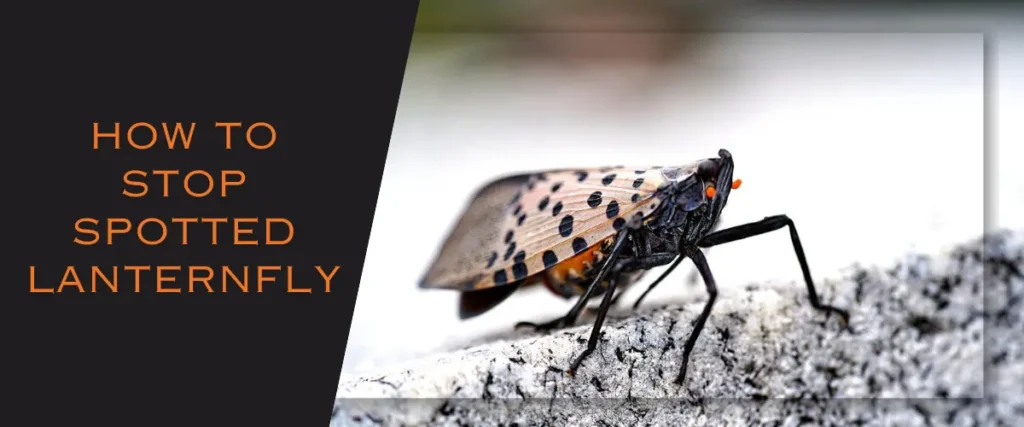
How to stop lantern fly
fly control

How to stop spotted lanternfly, an Unchecked Invader in New York City?

How to stop spotted lanternfly, an Unchecked Invader in New York City? In the bustling urban landscape of New York City, a quiet invasion is taking place, one that threatens not only the city’s green spaces but also its agricultural and economic well-being. The culprit? The spotted lanternfly, an invasive insect species in New York that has rapidly spread throughout the northeastern United States in recent years. As these pests establish themselves in New York City, it becomes increasingly urgent to explore effective strategies for pest control and mitigation. Understanding the Enemy: The Spotted Lanternfly The spotted lanternfly, or Lycorma delicatula, is a striking insect native to parts of Asia, including China, India, and Vietnam. Its distinctive appearance, characterized by wings with red, black, and white markings, makes it easily recognizable. However, it is not the insect’s appearance but its voracious appetite that poses the greatest threat. Spotted lanternfly is the bug that is killing trees, with a particular affinity for the tree of heaven (Ailanthus altissima). This invasive tree species were introduced in North America in the 18th century, serves as a preferred host for spotted lanternflies, providing both sustenance and shelter for their populations. However, these pests are not limited to one plant species; they have been known to feed on over 70 different types of plants, including fruit trees, ornamental plants, and agricultural crops. Imagine a vibrant red insect with black spots, about an inch long. That’s the spotted lanternfly. They go through a fascinating life cycle, starting as eggs laid on tree bark that survive harsh winters. In spring, they hatch as gray nymphs that transform into winged adults by late summer. These adults can be found on wide variety of plants, with a particular fondness for the tree of heaven, another invasive species in NYC. A Threat to Agriculture? The spotted lanternfly is an invasive species, meaning they are not native to the area and can cause ecological or economic harm. These flashy flies feed on the sap of over 70 different plant species. While they don’t kill the plants they feed and weaken them and leave behind a sticky substance called honeydew that promotes the growth of mold. This can harm valuable agricultural crops like grapes, apples, and hops. How Spotted Lanternflies Impact NYC As spotted lanternflies proliferate in NYC, their impact on local ecosystems and agriculture becomes increasingly apparent. These insects not only damage host plants by feeding on their sap but also excrete honeydew, a sugary substance that promotes the growth of mold and attracts other pests. This can lead to the decline of vegetation in parks, gardens, and urban green spaces, disrupting the delicate balance of local ecosystems. Economic Implications The economic implications of the spotted lanternfly invasion are significant. In addition to the costs associated with managing and controlling these pests, agricultural industries face potential losses due to damage to crops such as grapes, apples, and hops. For a city like New York, where agriculture plays a crucial role in supporting local economies and providing fresh produce to residents, the threat posed by spotted lanternflies cannot be ignored. The Battle Lines are Drawn: Current Measures and Challenges Current Measures Efforts to control the spread of spotted lanternflies in New York City are underway, but significant challenges remain. Existing measures include the deployment of traps, insecticides, and biological control agents, as well as public awareness campaigns to educate residents about the importance of early detection and reporting and professional pest control. However, the sheer scale of the infestation and the resilience of these pests present obstacles to effective control. Challenges One of the key challenges is the rapid rate of reproduction exhibited by spotted lanternflies. Females can lay hundreds of eggs in their lifetimes, and their ability to spread over long distances via wind, human activity, and transportation networks makes containment efforts difficult. Additionally, the lack of natural predators and the adaptability of spotted lanternflies to urban environments further complicate control strategies. How to stop spotted lanternfly? Despite these challenges, there is hope for combating spotted lanternflies in New York City through a combination of strategies. Early detection and monitoring programs are essential for identifying and containing infestations before they escalate. Citizen involvement can play a crucial role in lanternfly eradication. Integrated pest management (IPM): Integrated pest management (IPM) techniques offer another avenue for controlling spotted lanternflies while minimizing environmental impact. This approach involves the coordinated use of various control methods, including biological control agents, cultural practices, and targeted insecticide applications. By harnessing the natural enemies of spotted lanternflies, such as parasitic wasps and predatory insects, IPM strategies can help suppress their populations without relying solely on chemical interventions. Spotted Lanternfly Management: Preventing the pest’s spread is the first strategy in the management plan for Spotted Lanternflies. As populations of spotted lanternflies in New York are expected to grow, holding off on the infestation will provide you crucial time to create the management tools you need to carry out an effective IPM plan. Traps As the spotted lanternfly climbs the tree trunk, traps can be used to catch them. To catch the nymphs as they emerge from the egg masses, it is best to place the traps before early May. The presence of spotted lanternflies on the tree cannot be totally eliminated by a trap, despite the fact that it may catch a lot of insects. The tree canopy may have held several egg masses, and the adult can fly into the higher branches. Sticky Band Traps Sticky band traps around the trunk can work well, but they need to be used with a barrier to keep helpful insects and animals out of the trap, including birds. A piece of vinyl window screening can be positioned above the sticky band to assist accidental captures of other insects and birds, fixed with push pins at the top, and flared out at the bottom. Circle Traps The trunk of a circular trap is surrounded by screening, which forces ascending spotted lanternflies into