Marquee Text
Limited-Time Discount: Save $50 on Your First Service as a New Customer!

Pest Control

Pest Control

Why Your NYC Building Still Has Pests After Spray?

You finally booked the exterminator. They sprayed. You aired out the place. And then… you spot a roach in the bathroom, a mouse darting behind the stove, or fresh bed bug bites that make you question reality. In New York City, this is painfully common because in a multi-unit building, “spray” is usually just one small piece of the puzzle. NYC health guidance is blunt about what actually stops pests from coming back: remove their food, water, shelter, and pathways and fix building conditions like leaks, cracks/holes, and clutter. Spray kills some pests, but it doesn’t fix the building Pests don’t live in your apartment because they love your vibe. They’re there because the building offers: NYC explicitly tells residents to report the conditions that attract pests like leaks and cracks/holes, and escalate via 311 if management won’t fix them.  So if your building still has pests after spray, it’s often because the habitat stayed intact. 9 Reasons NYC pests come back after extermination 1) Your unit got treated, but the building didn’t In NYC, infestations often bounce between apartments through shared walls, pipe chases, hallways, and trash areas. Treating one unit can become whack-a-mole unless the building coordinates inspections and fixes. 2) Entry points weren’t sealed (the #1 “silent failure”) If gaps stay open, pests treat your apartment like a subway stop. NYC materials on building pest-proofing emphasize sealing holes and cracks, door sweeps, and sealing around pipes, risers, gas lines, and electrical lines. 3) Leaks and moisture stayed unresolved Roaches and mice don’t just want food, they want water. NYC guidance repeatedly calls out fixing leaks and moisture problems as core to preventing reinfestation.  4) “Spray-only” is the wrong method for many NYC pests For example, NYC pest guidance warns against foggers and bombs and emphasizes safer, targeted approaches. And NYC’s pest-proofing guidance highlights cockroach bait gels/traps as a standard recommendation in IPM-style work. 5) Eggs and hidden harborages survived A treatment may knock down what’s visible, but pests hide in cracks, behind appliances, wall voids, and under sinks. Without sealing + follow-up, survivors repopulate. 6) Prep wasn’t done (or couldn’t be done) Many treatments depend on access: under-sink cabinets cleared, stove pulled out, clutter reduced. In real NYC apartments, “move everything” is often unrealistic, so the plan needs to adapt (more visits, targeted baits, sealing work). 7) No monitoring + no follow-up visit A legit program checks progress. IPM programs rely on a cycle of inspect → identify → monitor → evaluate → respond, not a one-and-done spray.  8) Overuse of pesticides can backfire NYC warns that pesticides can create health risks and linger on surfaces if misused.The goal is less routine pesticide use, more targeted control. 9) Food and trash access didn’t change NYC specifically recommends storing food in sealed containers and keeping garbage sealed/removed daily as part of keeping pests from returning.  What you should expect after a treatment (and when it’s a red flag) It’s not unusual for residents to still notice pests after the first visit, especially in buildings with shared infestations and structural gaps. Red flags that suggest the plan is failing (not just “in progress”): Pest-specific reality checks (NYC edition) Roaches (especially German roaches) Why roaches return: water access + tiny gaps + neighbouring units + wrong method.NYC’s building materials specifically recommend cockroach bait gels/traps plus sealing and leak repair as core moves.  What works better than “spray-only”: Mice and rats Why mice and rats return: entry points + trash access + exterior issues.NYC pest-proofing guidance calls out door sweeps and sealing holes/cracks and notes how small gaps can be enough for rodents.  What actually moves the needle: Bed bugs Bed bugs are their own boss level. NYC guidance says to expect at least two treatment visits and a third follow-up to confirm elimination, and foggers/bug bombs are not effective for bed bugs. If your landlord isn’t responding, NYC guidance points residents to 311/HPD complaints pathways. The NYC building checklist that actually prevents reinfestation For tenants (what you can control) For landlords/managers (what must happen building-wide) NYC also tells residents: if management doesn’t fix the conditions that attract pests, call 311.  The long-term solution: IPM (Integrated Pest Management) If you want pests gone for good, you want IPM, a strategy that treats the building like a system. At its core, IPM is a cycle of:inspect → identify → monitor → evaluate → choose the right control method, while reducing reliance on routine pesticide applications. In NYC apartments, that typically means: Conclusion Spraying can knock pests down but in NYC buildings, it rarely knocks them out. When roaches, mice, or bed bugs keep showing up after treatment, the real issue is usually the building environment: gaps they can enter through, moisture they can drink, and hiding places they can breed in. Until those conditions are fixed and the work is coordinated across units, pests will keep treating your building like a 24/7 buffet with free housing. If you are still seeing pests after a spray? Book an inspection and we’ll identify exactly where they’re coming from, seal key entry points, and build a treatment plan that actually holds. FAQs: 1) Why am I still seeing pests after the building was sprayed? Because spray doesn’t remove the root causes entry points, moisture/leaks, food access, and pests moving between units. NYC guidance emphasizes fixing conditions like cracks/holes and leaks alongside treatment. 2) How long after pest control is it normal to see roaches or bugs? A short period of sightings can happen as pests move through treated areas. But if you’re still seeing frequent activity after the first week especially in kitchens/bathrooms you likely need follow-up + sealing + moisture control, not just more spray. 3) Can my neighbors cause my apartment to keep getting pests? Yes. In NYC multi-unit buildings, pests travel through shared walls, pipe chases, risers, hallways, and utility openings. Treating one unit without building-wide coordination often leads to reinfestation. 4) Why doesn’t “spray-only” pest control work long term? Spray

Pest Control

NYC Neighbourhood Guide: How Pest Pressure Differs Between Boroughs

New York has always lived with uninvited tenants. Rats travel the subway lines like regular commuters, roaches thrive in ageing buildings, and bed bugs move between apartments with unsettling ease. But pests don’t pressure all corners of the city equally. Each borough creates its own ecological profile based on building age, population density, sanitation habits, and available food sources. Residents aren’t just curious. They want to know whether their street, building, or borough sits on the hotter side of the infestation spectrum and what they can actually do about it. We’ll break down why pest issues differ across New York and how each borough earns its particular reputation. Why Pest Pressure Varies Across the City Pests respond to conditions rather than street names. A cockroach population expands because there’s food waste and moisture. Rodents flourish when old foundations offer gaps and dark tunnels. Bed bugs spread because human density gives them mobility. Across the five boroughs, the following forces shape pest behavior: These conditions don’t distribute evenly. That’s why some boroughs wrestle with specific species while others deal with different threats. Manhattan: Density Favors Roaches and Rodents Manhattan squeezes commercial towers, pre-war apartments, restaurant clusters, and subway arteries together. That combination rewards insects and rodents that thrive indoors. Typical complaints involve cockroaches in restaurants or apartment risers and rat activity around transit hubs. A mix of constant take-out waste and infrastructure makes sanitation difficult. Residents often assume pests reflect unclean habits, but most problems come from building structure rather than housekeeping. When infestations persist, the triggers usually include: People moving into older walk-ups sometimes expect a quick DIY fix, then discover roaches or mice traveling through wall cavities shared across multiple floors. Brooklyn: Old Housing Meets Rising Population Brooklyn’s building stock creates a different puzzle. Areas like Williamsburg and Bushwick combine renovated lofts with structures more than a century old. Every time a new restaurant appears on a block, waste density goes up. Rodents are common in neighborhoods with heavy nightlife and restaurant traffic. Roaches and bed bugs follow population churn shared walls give them highways, and frequent moving spreads insects between units. Basement apartments also introduce moisture that supports silverfish and ants. Even when tenants stay clean, the building ecosystem keeps pressure high. Queens: Suburban Layout, Mixed Pressures Queens presents a hybrid landscape, dense zones like Jackson Heights and quieter areas like Bayside. Pest activity shifts with building closeness. Where multi-unit housing dominates, cockroaches and bed bugs show up because they transfer easily between apartments. In more suburban pockets, rodents replace roaches because outdoor trash and yard-based food sources play a bigger role. A typical pattern: This borough demonstrates how urban design shapes the species. The Bronx: Sanitation and Structural Challenges The Bronx consistently reports some of the highest rat and rodent visibility. The explanation isn’t mystery or myth. Neighborhoods with complex multi-building clusters allow rodents to move through basements, courtyards, and alleys unnoticed. Restaurants add predictable waste, and older buildings often struggle with sealing foundations. Even when landlords treat one structure, the infestation may shift next door. That’s why renters sometimes feel like they’re fighting a mobile army. Public housing complexes have another barrier, coordinating extermination across dozens of units takes planning and cooperation. When scheduling fails, reproduction outpaces control. Staten Island: Wildlife Pressure More Than Urban Insects Staten Island doesn’t fight Midtown-level roach pressure. Instead, its green edges attract raccoons, squirrels, and mice. Lower density slows cockroach movement between homes, and mass transit corridors don’t push rats into underground networks. Moisture and wooded space encourage outdoor pests more than indoor infestations. Residents who move from Manhattan sometimes assume they’ve escaped pressure entirely, then discover that suburban wildlife creates its own headaches. People living near parks or water edges often report: It’s not a restaurant-waste ecosystem, it’s a habitat ecosystem. Comparing Borough-Level Pressures Each borough invites a different blend of headaches: The comparison isn’t subjective. Population turnover, waste cycles, and infrastructure create predictable outcomes. It’s the same reason certain avenues battle rats every summer while another block sees nothing. When Local Prevention Works, And When It Doesn’t Sealing gaps, controlling moisture, and limiting food sources always help. But in multi-unit buildings, individual prevention runs into reality. A tenant can spotless-clean their kitchen and still inherit roaches from a neighbor.Professional intervention becomes sensible when: Pros use inspection methods homeowners don’t see from tracking burrow networks to identifying plumbing chases that feed roaches. Conclusion: Pest pressure in New York isn’t random. Each borough provides a different microbial, structural, and behavioral environment. Pests simply exploit what humans build. Knowing how infestations differ gives residents leverage. You understand why certain apartments struggle more than others, how waste cycles push rodents to particular blocks, and why some boroughs breed bed bug spread while others see outdoor wildlife instead. What matters is recognizing when local fixes are enough and when professional intervention stops a problem from becoming a building-wide storyline. If a pest issue continues after reasonable prevention, talk to a licensed pest management professional and Book Pest Control Inspection. They know how to map pathways within the building, identify sources, and control spread before weekly sightings become a seasonal routine. FAQs Are rats really worse in Manhattan than other boroughs? Rodent visibility tends to spike around dense commercial corridors and transit points, which places Manhattan at the top of reported sightings. Why do roaches come back after cleaning? They travel through plumbing voids, wall chases, and risers. Clean kitchens help, but structural gaps matter more. Do bed bugs favor certain boroughs? They favor turnover. Anywhere people move frequently, Brooklyn and Queens included becomes fertile territory. Does Staten Island escape pest problems? Not entirely. Insects decrease, wildlife increases. Can trash patterns really change pest activity? Yes. Waste piled outside restaurants creates predictable feeding schedules for rodents. Is DIY pest control enough in multi-unit buildings? Sometimes. But when pests migrate between walls, only coordinated treatment stops the cycle. How fast do pest populations rebound? Warm summers and stable food sources can restart colonies in

NYC apartment interior showing common household pests including rat, cockroach, and mosquito highlighting pest control costs in New York City
Pest Control

How Much Does Pest Control Cost in NYC?

If you’re trying to figure out how much pest control costs in NYC, chances are you’re already dealing with a problem, or trying to avoid one from getting worse. What makes this search frustrating is that New York City pricing often feels vague, inconsistent, or much higher than expected. That confusion usually comes from not understanding how pest control pricing actually works in dense, multi-unit buildings. We’ll explains what pest control really costs in NYC, why prices vary so much, and how to tell what level of service makes sense for your situation. The Short Answer: Average Pest Control Cost in NYC Pest control in New York City generally costs more than the national average. For most apartments and small residential properties, pricing falls into a predictable range once you factor in follow-ups and building conditions. Typical NYC pest control costs look like this: Service Type Typical NYC Cost Range Inspection / initial assessment $75 – $150 One-time pest control visit $150 – $400 Monthly pest control service $75 – $150 per month Quarterly service plan $200 – $500 per quarter Severe or specialized infestations $400 – $1,200+ These prices assume professional treatment, not limited spray-only visits. Why Pest Control Costs More in NYC New York City presents challenges that don’t exist in less dense areas. Apartments share walls, plumbing, and utility lines, which allows pests to move freely between units. Even a clean apartment can be affected if surrounding conditions aren’t addressed. Pricing reflects: In NYC, pest control is rarely about treating one isolated space. What Actually Determines Pest Control Pricing Many people assume apartment size is the main factor. In reality, it plays a smaller role than expected. The biggest cost drivers are biological and structural. Pricing is influenced by: A small apartment with a serious infestation can cost more to treat than a larger space with minor activity. Pest Control Cost in NYC by Pest Type Most people searching for pest control costs are dealing with a specific pest. Pricing varies significantly because different pests require different strategies, timelines, and levels of labor. Here are realistic NYC price ranges for common pest problems in apartments and homes: Pest Type Typical NYC Cost Range Why Costs Vary Ant control $150 – $300 Colony size, entry points, repeat visits Cockroach control $150 – $400 Species, reproduction rate, follow-ups Rodent control (mice/rats) $250 – $600+ Trapping, monitoring, exclusion work Bed bug treatment $750 – $2,500+ Prep, unit size, number of visits Spider control $125 – $250 Interior vs exterior treatment Flea/tick treatment $200 – $500 Pet involvement, life cycle disruption Mosquito control $100 – $300 per visit Yard size, seasonal frequency These figures reflect NYC conditions, not national averages. Multi-unit buildings and reinfestation risk often push costs toward the higher end. Why Pest Type Matters So Much in NYC Not all pests behave the same, and extermination pricing reflects that. Ants and spiders are often surface-level issues that respond quickly to treatment. Roaches and rodents are persistent urban pests that travel through walls and pipes, making follow-up essential. Bed bugs are in a category of their own. They require extensive preparation, multiple treatments, and careful monitoring, which is why they are consistently the most expensive pest to eliminate in New York City. Understanding cost by pest type helps avoid two common mistakes: overpaying for simple problems and under-treating serious ones. One-Time Pest Control vs Ongoing Service A one-time visit is often the least expensive option upfront and can work for early or isolated problems. The downside is that in NYC, pests often return from neighboring units or hidden harborages. Ongoing service spreads cost over time while addressing infestations in stages. Monthly or quarterly plans include monitoring and follow-ups, which often prevents repeated one-time charges. In dense buildings, this approach is usually more cost-effective long term. What Professional Pest Control Includes Professional pest control is more than spraying baseboards. A proper service begins with inspection and identification. Exterminators assess pest type, nesting areas, and contributing conditions. Treatment typically includes targeted application, monitoring, and follow-ups. Many services also provide prevention guidance, which plays a major role in keeping pests from returning. Why DIY Pest Control Often Costs More Over Time DIY pest control seems cheaper because the upfront cost is low. In NYC, it often leads to repeated spending. Store-bought sprays and foggers may reduce visible activity but rarely address breeding cycles or hidden nests. Some products push pests deeper into walls or into neighboring units, making infestations harder to control. Professional pricing reflects the reality that pests must be eliminated systematically, not temporarily suppressed. NYC Housing, Landlords, and Responsibility In many NYC rental situations, landlords are responsible for pest control, especially when infestations affect habitability or multiple units. The NYC Department of Health outlines pest management expectations for residential buildings, which influences how services are structured and billed. This matters because building-wide issues often require coordinated treatment. Paying for individual service without addressing shared sources can lead to recurring costs.Reference: NYC Department of Health – Pests & Housing Standards  How Many Visits Does Pest Control Usually Take? Light infestations may improve after one visit, but most NYC pest problems require follow-ups. Roaches, rodents, and bed bugs rarely resolve completely without multiple treatments. Timelines depend on pest biology, access, sanitation conditions, and cooperation from neighboring units. Professionals plan for these realities rather than promising instant results. How to Tell If a Pest Control Quote Is Fair A fair quote explains what’s included, how many visits are expected, and what happens if activity continues. Vague pricing, flat rates for all pests, or guarantees without inspection are red flags. Clear pricing protects you from both overpaying and under-treating the problem. Conclusion Pest control costs in NYC vary because pest problems vary. Dense housing, shared infrastructure, and reinfestation risk make one-size-fits-all pricing unrealistic. When you understand what drives cost, and how pest type changes everything, you can make informed decisions and avoid paying repeatedly for incomplete solutions. The right service doesn’t just remove pests;

Pest Control, Property Management

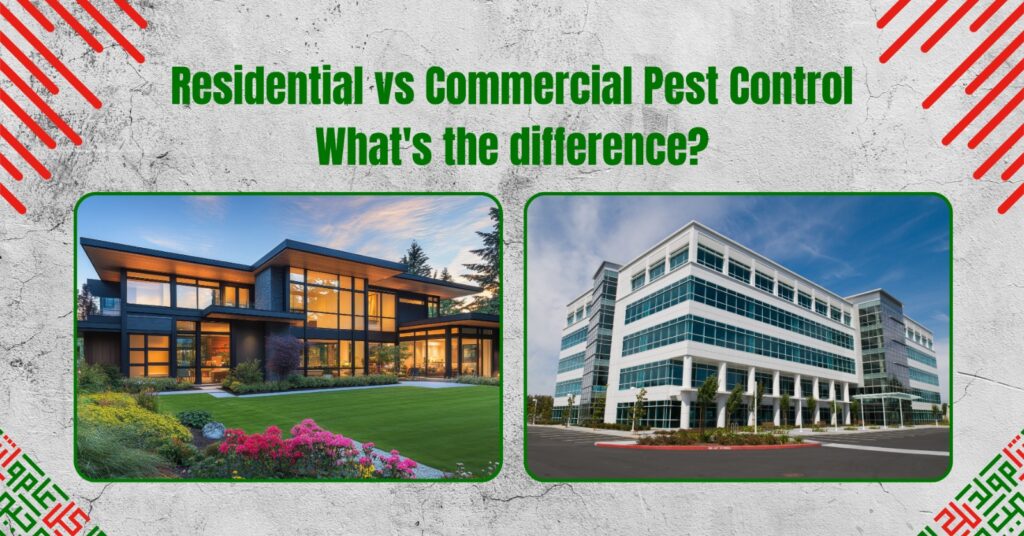
Residential vs Commercial Pest Control: Understanding the Key Differences and Choosing the Right Solution

When it comes to pest control, the needs of residential properties differ significantly from those of commercial spaces. Whether you’re dealing with a stubborn ant infestation in your home or need to protect a large office building from rodents, understanding the difference between residential pest control and commercial pest control is crucial. We’ll dive deep into the unique challenges and solutions each type of property requires, helping you make an informed decision on which service is best for you. What is Residential Pest Control? Residential pest control focuses on protecting homes and small residential areas from common pests like ants, termites, rodents, and bed bugs. The goal is to ensure the safety, comfort, and hygiene of the home by eradicating infestations and preventing future ones. Here are some key features of residential pest control: What is Commercial Pest Control? Commercial pest control, on the other hand, is designed for larger spaces such as offices, restaurants, warehouses, and industrial buildings. The scale of treatment is much more comprehensive, and the services are tailored to handle the unique needs of businesses that must comply with health and safety regulations. Key features of commercial pest control include: Key Differences Between Residential and Commercial Pest Control Now that we’ve covered the basics, let’s break down the core differences between residential and commercial pest control: Pest Control Methods: Residential vs Commercial Both residential and commercial pest control rely on effective treatments, but the approach varies based on the property type. Local Insight: Pest Control in New York City In bustling cities like New York, pest control for both residential and commercial properties requires tailored approaches. For residential spaces in NYC, challenges often include apartment buildings where pests like bedbugs and rodents are common. On the other hand, for businesses in NYC, pest control must also comply with strict regulations from the NYC Department of Health. Restaurants, for example, must maintain an impeccable pest-free environment to avoid fines and protect their reputation. Comparison: Residential vs Commercial Pest Control Breakdown Aspect Residential Pest Control Commercial Pest Control Property Size Smaller, individual homes Larger spaces like offices, restaurants, etc. Frequency of Services Quarterly to yearly Weekly to monthly Cost Less expensive Higher due to scale and complexity Types of Pests Household pests (ants, termites, etc.) Varied pests (rodents, cockroaches, etc.) Regulatory Requirements Low High, especially in foodservice Conclusion: Choosing the right pest control service depends on your needs—whether it’s ensuring your home remains pest-free or protecting your business from health risks. Understanding the differences between residential and commercial pest control services helps you make an informed decision. If you’re in need of pest control, whether residential or commercial, be sure to choose a provider who can offer a solution that meets your specific requirements. Need pest control for your home or business? Contact us today to schedule a consultation with one of our expert technicians! FAQs 1. How often should pest control be performed in a commercial property? Commercial properties often require monthly visits or more frequent treatments depending on the type of business and local pest pressures. 2. What pests are commonly found in residential properties? Common pests in residential properties include termites, ants, bedbugs, rodents, and cockroaches. 3. Is eco-friendly pest control effective for commercial properties? Yes, eco-friendly methods are effective and are gaining popularity in commercial properties, especially those that prioritise sustainability and health. 4. Can I handle pest control myself at home? While DIY methods can work for minor infestations, professional pest control ensures that the problem is handled effectively and prevents future infestations. 5. How much does pest control cost for a business? Costs vary depending on the size of the property, the type of pests, and the frequency of service. It’s best to get a personalized quote from a professional service.

Exterminator in full protective gear treating a home interior for urgent pest control issues in NYC.
General, Pest Control

Top Signs You Need Emergency Pest Control In NYC

Pest problems in New York City escalate faster than most residents realize. When roaches streak across the counter in daylight or rodents gnaw inside the walls at night, it’s no longer a minor issue; it’s a fast-moving problem travelling through shared walls, vents, plumbing, and the city’s ageing high-rise structures. Moments like these lead people to wonder, “How do I know when I need emergency pest control?” or “When should I call an exterminator in NYC?”, yet the early warning signs can be easy to miss. We bring together real-world NYC insight with authority-backed sources like NYC DOHMH and the EPA to show you the top signs you need emergency pest control in NYC, and why fast action matters more here than anywhere else in New York, especially NYC. Why Emergency Pest Control Matters in NYC NYC’s environment creates the perfect storm for infestations. Urban pests cockroaches, rodents, bed bugs, termites, stinging insects, and wildlife intrusions, thrive in apartment pests, multi-unit building pests, and neighbourhoods dense with restaurants and garbage. The Environmental Protection Agency (EPA) confirms pests can trigger: And the NYC Department of Health (DOHMH) warns that pest droppings, poor sanitation, and pesticide misuse pose major public health risks. With this much at stake, NYC residents must know the signs of serious infestation to prevent an urgent situation from turning into an infestation outbreak. 1. You’re Seeing Pests During the Daytime Most pests prefer darkness. When they’re active in daylight, it usually means their hiding spaces are overcrowded, or the population has grown too large to stay concealed. In New York apartments, this tends to happen sooner than expected due to tight living quarters and shared infrastructure. Daytime activity to take seriously: Daytime visibility is one of the clearest signs that the situation is shifting toward urgent territory. 2. Droppings, Streaks, or Urine Trails Biological traces usually appear long before you see the pests themselves. They indicate active movement and nearby nests, which can pose serious health risks, especially in small apartments or homes with children. Dropping-related red flags: These signs usually mean the pests aren’t just passing through—they’re settling in. 3. Noises Inside Walls or Ceilings at Night When a building goes quiet, pests become more active. NYC’s older wiring, hollow walls, and shared risers make excellent runways for rodents and other insects that move fast and rarely stay in one place for long. Sounds that signal a growing issue: These noises tend to increase as infestations spread across units or floors. 4. Strange Odours You Can’t Place When pests multiply, they leave behind a blend of oils, droppings, nest materials, and sometimes carcasses. These odours start subtly but quickly intensify, especially in small NYC apartments. Common odours linked to hidden infestations: Unexplained odours that grow stronger over days or weeks are rarely a coincidence. 5. Damage to Food, Furniture, or Your Home’s Structure Physical damage shows pests are not only present but thriving. In multi-unit buildings, damage often spreads faster because pests travel alongside pipes, wiring, and floor joints. Damage worth addressing immediately: Once pests begin damaging materials, the problem typically moves beyond one unit. 6. Bites, Rashes, or Skin Irritation Unexplained bites often point to bed bugs or fleas, both of which spread quickly through multi-unit buildings. Bed bugs, in particular, move through outlets, cracks, and shared walls even if you keep a spotless home. Symptoms that shouldn’t be ignored: If bites continue or spread to other household members, the infestation is already advancing. 7. Pests Coming From Neighbouring Units In NYC, infestations often start in one apartment and quickly spread to others. Pests move through hallways, ventilation systems, and plumbing lines, places most residents never see. Signs the issue isn’t limited to your unit: Once a problem spreads this way, it typically requires a building-level response rather than isolated treatments. 8. DIY Treatments Aren’t Making Any Difference  Store-bought sprays and traps can help with light issues, but they rarely address the hidden places where pests breed. They also don’t stop pestsfrom  entering through structural gaps or shared building features. DIY signals that it’s time to escalate: DIY can slow things down, but established infestations require trained specialists. Why Professionals Work Better in NYC (And DIY Fails) Professional teams use a combination of science-backed methods, advanced equipment, and strategies built specifically for city housing. They focus not only on removing active pests but also preventing them from returning, which matters more in densely packed neighbourhoods. What a reliable team brings to the table: This strategy addresses the environment as much as the pests themselves. What Affects the Cost of Emergency Treatments in NYC Pricing varies across the city based on factors like building age, pest species, unit layout, and the extent of the spread. Newer high-rises and older brownstones each come with different challenges. Common factors that influence cost: Acting quickly helps keep costs down by preventing expansion. How to Choose the Right Pest Control Company in NYC With many providers offering 24/7 support, it’s important to select one that understands the city’s unique pest environment. Qualities worth looking for: Choosing carefully ensures a faster and more reliable resolution. Conclusion: NYC’s fast pace applies to pests, too; they spread quickly through walls, floors, vents, and garbage systems. When you see daytime pests, droppings, odours, running sounds, structural damage, or bites, you’re already in an emergency stage. Calling trained, licensed experts ensures safe pest control in NYC, rapid solutions, and long-term protection based on IPM and public-health recommendations. Need fast help?Contact Best At Pest, trusted emergency exterminator NYC specialists serving Long Island, New Jersey and all 5 boroughs: Staten Island, Manhattan, Brooklyn, Bronx and Queens. Rapid response, safe treatments, and expert investigation any time you need us. FAQs: 1. How do I know when I need emergency pest control? If pests appear during the day, cause damage, spread quickly, or return after DIY attempts, it’s time. 2. What are the signs of serious infestation that NYC residents should know? Droppings, odors, noises, spreading pests, and visible

Comparison image of a DIY pest control person and a professional exterminator performing pest treatments in NYC.
General, Pest Control

DIY vs Professional Pest Control in NYC: Which Is Right for You?

Pest control is an ongoing challenge, especially in a bustling, dense city like New York. Homeowners often face a tough decision: should they tackle pest problems on their own with DIY methods or hire a professional exterminator for a comprehensive solution? This blog will break down both approaches, with a focus on how each can impact homes in the unique structural environment of NYC, including its multi-unit buildings, apartment complexes, and older infrastructure. Let’s explore the pros and cons of DIY versus professional pest control to help you make the best decision for your home and family. The DIY Approach: When It Works and When It Doesn’t DIY pest control often appears as the more affordable option. There’s a wide range of store-bought solutions, sprays, traps, and powders available for every type of pest. In some cases, especially when the infestation is minimal or the pests are occasional invaders like ants or spiders, DIY can be effective. Is DIY Pest Control legit?, there are limitations to DIY methods, especially in a city like New York, where the pest control challenges are amplified by unique architectural designs, such as high-rise buildings, shared plumbing, and dense apartment structures. The pests you’re trying to eliminate may be more resilient and harder to target with over-the-counter products, leading to ineffective results. Pros of DIY Pest Control: Cons of DIY Pest Control: In multi-unit buildings, DIY control methods often fall short because pests can easily migrate between apartments via structural gaps or plumbing lines. This makes a professional approach essential for comprehensive and long-lasting control. The Professional Approach: What the Experts Bring to Your Property A professional pest control service offers a level of expertise and resources that DIY methods simply can’t match. Licensed exterminators bring specialised knowledge about local pest species, advanced treatments like Integrated Pest Management (IPM), and tailored strategies to address unique challenges posed by NYC buildings. Professionals begin with a thorough inspection, identifying problem areas you might overlook, such as cracks in the foundation, plumbing lines, or even hidden harborage sites in walls or ceilings. Then, they apply targeted treatments, whether gel baits, dusts, or eco-friendly sprays designed to address the specific pest problem. The treatment is often followed by monitoring and multiple visits to ensure long-term control. Key Benefits of Professional Pest Control: By using professional pest control services, you also benefit from warranties, ensuring that the job is done right. In case the problem recurs, the company will revisit the issue without additional costs, providing peace of mind. Hidden Costs & Risks of Choosing DIY in NYC Choosing the DIY route might seem cheaper at first glance, but the hidden costs can add up quickly, especially in a city with such diverse building structures. For instance, New York’s older buildings are rife with cracks, crevices, and shared infrastructure that can easily harbour pests like cockroaches and rats. DIY methods may only address the visible problem, leaving the underlying infestation to grow and spread. DIY treatments also often fail to target the pest’s reproduction cycle. For example, German cockroaches can lay oothecae (egg cases) in hidden areas, making it difficult for store-bought treatments to eradicate them. This is where professional pest control services shine, as experts know where to look and how to treat these hidden areas effectively. Additional Risks of DIY Pest Control: In NYC’s densely packed environment, missed entry points or improperly sealed cracks can allow pests to migrate between units, compounding the problem. Professionals can seal off these pathways to prevent further infestations. How to Decide: DIY First vs Call a Pro When deciding between DIY and professional pest control, consider the severity of the issue and the type of pest involved. For minor, isolated problems, DIY methods may provide short-term relief. However, if you’re dealing with persistent or large-scale infestations, especially in older NYC buildings with shared plumbing or structural gaps, in that case a professional service is often the more effective and long-lasting solution. Factors to consider when deciding: Conclusion While DIY pest control may be effective for minor problems, NYC’s unique building structures and persistent pest populations make professional services a safer, more reliable choice for long-term pest management. With access to expert knowledge, advanced treatments, and long-term warranties, professional pest control ensures that your home is protected from future infestations and costly damage. If you’re in NYC and need expert pest control, call us today for a comprehensive inspection and a tailored treatment plan. We serve in New Jersey, Long Island and all 5 NYC boroughs, Manhattan, Brooklyn, Queens, the Bronx, and Staten Island, providing top-notch, eco-friendly pest control services. FAQs 1. When is DIY pest control enough? DIY pest control can work for minor issues like occasional ants or flies. If you’re dealing with more persistent pests like cockroaches or bed bugs, it’s best to call a professional. 2. How much does professional pest control cost in NYC? The cost of professional pest control varies depending on the severity of the infestation and the type of treatment required. However, it’s typically more cost-effective in the long run when considering the risks of recurring infestations. 3. Can DIY pest control damage my property? Yes, using the wrong chemicals or improper application can cause structural damage or health hazards. A professional pest control service uses safe, targeted treatments to ensure the safety of your home. 4. Do professionals guarantee their pest control services? Yes, most professional pest control companies offer a warranty. If pests return after treatment, they will revisit and re-treat your home at no extra cost. 5. How often should I schedule professional pest control in NYC? For ongoing protection, it’s recommended to schedule professional pest control services at least once a year, with additional visits during peak pest seasons or if you notice any recurring issues.

Empty classroom in NYC school with desks and chairs, showing cockroaches and a rat on the floor, highlighting pests in nyc schools and the need for prevention measures.
Pest Control

Common Pests in NYC Schools and How to Prevent Them

As a school administrator, facility manager, or parent, the safety and well-being of students and staff are paramount. One often-overlooked aspect of maintaining a healthy school environment is effective pest control. In New York City, where urban density increases the likelihood of encountering pests, it’s crucial to take proactive steps to prevent infestations. the most common pests in NYC schools and offers comprehensive preventive measures to ensure a safe, pest-free environment for everyone. The Importance of Pest Control in NYC Schools Pest control is not just about comfort; it’s about health. The close quarters and heavy foot traffic of schools make them an ideal environment for pests like rodents, cockroaches, bed bugs, and ants. For NYC schools, the risk is heightened due to the city’s urban setting, where densely populated areas increase the likelihood of pest encounters. Schools must address pest control with a strategic approach that ensures students’ health and preserves the integrity of the learning environment. Common Pests Found in NYC Schools Let’s explore the most common pests that plague NYC schools and how they can affect both the physical environment and the health of students and staff. 1. Rodents (Mice and Rats) Rodents are a serious concern in schools, especially in older buildings or those with food storage areas. Mice and rats are known to infiltrate schools through cracks, gaps, and poorly sealed doors and windows. They can cause significant property damage, chew through wires, and contaminate food supplies with their urine and faeces. Additionally, rodents are notorious for spreading diseases, making their presence particularly alarming in a school setting. 2. Roaches Cockroaches thrive in environments where food and water are easily accessible, which makes schools an attractive target. They are not only unsightly but also pose serious health risks, particularly for students with allergies or asthma. The allergens produced by cockroaches can exacerbate respiratory issues and contribute to an increase in asthma-related incidents in the classroom. Unfortunately, schools’ kitchens and bathrooms are often hot spots for cockroach infestations, making vigilance key. 3. Bed Bugs Though less common, bed bugs can still be a problem in schools. These tiny pests are easily transported from home to school via students’ clothing, backpacks, or even used furniture. Bed bugs feed on blood and leave itchy, irritating bites, causing both physical and emotional distress. Infestations can spread quickly across classrooms, hallways, and even school buses, making it crucial for schools to address bed bug concerns immediately. 4. Ants and Fleas While ants and fleas are less common than rodents and cockroaches, they can still be a nuisance. Ants are often drawn to sugary snacks left behind in classrooms or cafeterias, while fleas can be introduced into a school environment through pets or contaminated secondhand items. Both pests can disrupt school activities and cause discomfort for students and staff. Health Risks Associated with Pests in Schools Pests in schools are not just a matter of nuisance; they pose serious health risks to both students and staff. Here are some potential health hazards: Preventive Measures for Schools Preventing pest infestations in schools requires a multi-faceted approach. Let’s look at key strategies to keep schools pest-free: 1. Pest-Proofing the School Start by sealing cracks and gaps around doors, windows, and walls. Pests can squeeze through even the tiniest openings, so ensuring the school’s structural integrity is essential. Additionally, install door sweeps and repair damaged screens to block entry points. 2. Hygiene Standards Maintaining cleanliness is crucial in preventing pests. Schools must implement strict cleaning practices in classrooms, cafeterias, and bathrooms. Regularly empty trash bins, clean spills immediately, and avoid leaving food or crumbs around. Pests, especially rodents and cockroaches, are often attracted to food waste, making hygiene a top priority. 3. Regular Classroom Pest Inspections Routine inspections are essential to spot any early signs of pest activity. Pay attention to areas that are often overlooked, like corners, storage areas, and lockers. Early detection allows for swift action, preventing full-scale infestations. 4. Playground Cleanliness It’s not just the indoor areas that need attention. Outdoor areas, such as playgrounds and athletic fields, should be kept clean and well-maintained. Ensure that trash is properly disposed of and that waste bins are regularly emptied. Inspect these areas frequently to catch any emerging pest problems. 5. Educating Students and Staff Education is one of the best ways to prevent pest problems in schools. Teach students about the importance of hygiene, including not leaving food unattended and properly disposing of trash. Staff should also be trained to recognise the signs of pest activity and report them immediately. Working with Pest Control Professionals A licensed pest control service with experience in school environments is crucial for addressing infestations and providing long-term solutions. Pest control experts can assess the situation and implement Integrated Pest Management (IPM) practices. IPM focuses on eco-friendly, non-toxic methods that minimise harm to both people and the environment. They may also advise on the best frequency of pest control treatments based on your school’s specific needs. How to Handle an Infestation If pests are discovered, immediate action is necessary. Here’s what to do: Conclusion: Why a Pest-Free School is Essential A pest-free school environment is not just about comfort—it’s about safety and well-being. By implementing proactive pest control measures, maintaining high hygiene standards, and educating staff and students, schools can minimise the risks posed by pests and create a conducive environment for learning. Whether you’re a school administrator or a parent, understanding the importance of pest control and taking action can make a significant difference in the health of students and the overall school experience. Take Action Now: If your school hasn’t conducted a recent pest control inspection, now is the time to schedule Appointment. Working with a professional pest control service can ensure your school remains a safe, clean, and healthy environment for all. FAQS: 1. What are the most common pests in NYC schools? Rodents (mice and rats), cockroaches, bed bugs, ants, and fleas are the most common pests. These pests are drawn to

Pest control worker with text highlighting best pest control tips for landlords in NYC residential properties.
Pest Control

Best Pest Control Tips for Landlords in NYC

Best Pest Control Tips for landlords in New York City, you know that pests like cockroaches, bed bugs, and rodents can be more than just a nuisance; they can lead to serious property damage, health risks, and unhappy tenants. We gonna walk through the best pest control practices to help you keep your properties pest-free, save money in the long run, and keep your tenants satisfied. Why Pest Control Matters for NYC Landlords When you’re managing a property in a city as busy as New York, pests can become a major issue. Here’s why pest control should be top of mind: The Best Pest Control Practices for Landlords in NYC Now that we’ve covered why pest control is important, let’s dive into the practical steps you can take to ensure your property remains pest-free and safe for tenants. 1. Schedule Regular Pest Inspections Regular pest inspections should be a non-negotiable part of your property management routine. It’s like getting your property a “health check-up” to catch any hidden problems before they escalate. Tip: Work with a pest control company that specialises in New York City properties—local experts will know the specific pests common in your area and have the best strategies to handle them. 2. Seal Entry Points to Prevent Pest Access Pests like mice, cockroaches, and ants are experts at sneaking into buildings through the smallest of openings. To keep them out, you need to inspect your property regularly for any potential entry points. Start with simple fixes: Pro Tip: Pay attention to areas where pipes or cables enter your building. These gaps are often overlooked but are prime entry points for pests. Sealing them not only keeps pests out but also helps conserve energy by keeping your building more energy-efficient. 3. Educate Your Tenants About Pest Prevention As a landlord, you can’t be there 24/7 to manage pest control. That’s why it’s crucial to get your tenants on board. Teaching them how to spot the early signs of pests and encouraging preventative actions can go a long way in avoiding larger infestations. Here’s how you can help: Helpful Tip: Send out a pest prevention checklist to tenants at the beginning of each lease cycle to set expectations and ensure they are actively involved. 4. Implement a Routine Pest Control Program Regular, professional pest control treatments are a must. Even if your property seems pest-free, a proactive treatment schedule can prevent infestations before they happen. Why it works: Best Practices for a Routine Program: 5. Manage Trash and Waste Effectively Pests love food scraps, and poorly managed waste can be a magnet for pests like rodents, cockroaches, and flies. Both you and your tenants must take trash management seriously. Here’s how you can control trash-related pest problems: Pro Tip: Place trash bins away from entrances, and make sure lids are tightly closed. If possible, consider investing in automatic trash compactors to minimise exposure to pests. 6. Deal with Pests Immediately When Identified Even the best preventive practices won’t eliminate the occasional pest sighting. If your tenants report a pest problem, don’t ignore it—take action immediately. Delaying treatment can allow an infestation to grow, potentially causing damage and disgruntled tenants. Here’s how to address pest issues effectively: Why it matters: Prompt action ensures that pest problems are dealt with before they become a major hassle—both for you and your tenants. The longer you wait, the more costly the issue can become. 7. Provide Pest-Proofing as Part of Tenant Maintenance As a landlord, part of your role is maintaining a healthy, habitable environment for your tenants. That includes pest-proofing your property to prevent any potential infestations. Here’s how you can stay ahead: Helpful Tip: Incorporate pest-proofing strategies during property renovations or maintenance cycles. This is a smart way to ensure long-term pest control and reduce future costs. Conclusion: Take Action Today for a Pest-Free Tomorrow By following these best pest control practices for landlords, you’re not just protecting your property—you’re also providing a safer, healthier living environment for your tenants. Investing in proactive pest management today can save you significant time, effort, and money down the road. If you’re ready to get started with a pest control inspection or need help preventing future infestations, don’t hesitate to reach out to a licensed pest control expert. They can help ensure your property stays pest-free, keeping both your tenants and your building happy.  FAQs: 1. What pests are most common in NYC apartments? In NYC, landlords often face infestations from: Understanding these pests and their behavior helps in preventing and addressing infestations promptly. 2. How often should I schedule pest control inspections for my rental property? We recommend scheduling pest control inspections every 3-6 months. Regular inspections are essential for early detection, especially in NYC where pest problems can escalate quickly. Seasonal inspections (before or after winter) can help address specific pest issues during certain times of the year 3. Am I legally required to provide pest control in NYC as a landlord? Yes, according to NYC Housing Maintenance Code, landlords are legally obligated to ensure their rental properties are habitable and pest-free. If tenants report a pest issue, you must take prompt action to resolve it. Failure to do so can lead to fines or legal action. 4. What steps can I take to prevent bed bugs in my rental property? Bed bugs are a growing problem in NYC, and preventing them requires a multi-layered approach: Early detection and tenant awareness are crucial to preventing a bed bug infestation. 5. How can I prevent pest problems in a multi-unit building? Preventing pest problems in a multi-unit building requires a building-wide strategy: Addressing issues collectively in a multi-unit building helps ensure that pests don’t spread or reoccur. 6. How much does pest control cost for landlords in NYC? The cost of pest control services in NYC can vary depending on the type of service and the extent of the infestation: Keep in mind that investing in regular, preventative pest control is far

Pest control inspector in NYC using a flashlight to check furniture for signs of infestation during a home inspection.
Pest Control

Pest Control Inspection: What It Is and Why It Matters

Keeping your home or business safe from pests starts with awareness. A pest control inspection is the first step in preventing infestations that can damage property, threaten health, and cost thousands in repairs. In this guide, we’ll explain what a pest inspection involves, why it matters, and how you can prepare. What Is a Pest Control Inspection? A pest inspection is a detailed examination of your property by a licensed pest control professional. The goal is to identify signs of insects, rodents, and other pests before they cause serious problems. Unlike pest treatment, which focuses on removing existing infestations, an inspection is about prevention and detection. A professional pest inspector looks for hidden entry points, food sources, and environmental factors that attract pests. Why Pest Control Inspections Are Important Identifying Early Signs of Infestation Small issues like droppings, chewed wires, or wood dust often go unnoticed. Regular home pest inspections detect these early warning signs before they escalate into larger infestations that are costly to eliminate. Protecting Health and Property Pests like rodents, cockroaches, and termites pose risks beyond nuisance. They spread bacteria, trigger allergies, and weaken building structures, putting your family’s safety and your investment at risk. Saving Money on Long-Term Pest Control Catching problems early reduces the cost of extermination. For example, treating a minor termite presence costs far less than repairing structural damage after years of infestation. Common Issues Found During a Pest Inspection Termites and Wood Damage: Termite inspection often reveals hollow wood, mud tubes, or sagging floors. Left unchecked, these insects can silently cause severe structural damage to your property. Rodent: Droppings, nests, and gnaw marks are clear indicators during a rodent inspection. Rodents also carry diseases and chew through wires, which increases the risk of fire hazards. Bugs and Insects Bed bugs, ants, and cockroaches leave behind stains, odor, and live activity. Their fast reproduction cycles make them particularly difficult to eliminate without professional help. How to Prepare for a Pest Control Inspection Pest Control Inspection Checklist for Homeowners Interior Areas Exterior Areas Red Flags How Often Should You Schedule a Pest Inspection? Choosing a Professional Pest Control Company Conclusion: A pest control inspection is not just about finding pests; it’s about protecting your investment, health, and peace of mind. Regular inspections paired with preventive action can save you from costly repairs and unwanted surprises. If you haven’t scheduled a professional pest inspection, now is the time to act before pests make themselves at home. Frequently Asked Questions:  Q1. What is included in a pest control inspection? A pest control inspection includes checking both interior and exterior areas of a property for signs of pests. Inspectors look for droppings, nests, entry points, structural damage, and moisture issues that may attract pests. Q2. How much does a pest inspection cost? The cost of a pest inspection typically ranges from $75 to $200, depending on the property size, location, and type of pests being investigated. Some companies offer free inspections as part of their service package. Q3. How long does a pest inspection take? On average, a pest control inspection takes between 30 minutes and 2 hours. Larger homes or commercial properties may require additional time. Q4. How often should I schedule a pest inspection? Most experts recommend at least one pest inspection per year. In high-risk areas, such as regions prone to termites or rodents, seasonal inspections may be necessary. Q5. What are the signs that I need a pest inspection immediately? Call for an inspection right away if you notice droppings, musty odors, wood damage, gnaw marks, or live pests. These are clear indicators of an active infestation. Q6. Do I need to leave my house during a pest inspection? No, you do not need to leave your home during a pest inspection. Inspections are non-invasive and focus on observation and detection, not chemical treatments.

Ladybug on a green leaf representing biological pest control methods used in NYC to fight pests naturally and reduce chemical pesticide use.
General, Pest Control

Biological Pest Control: Harnessing Nature to Combat NYC’s Pest Problems

As New Yorkers continue to embrace a greener, more sustainable lifestyle, the demand for eco-friendly solutions to everyday problems grows. Among the most pressing issues in urban environments is pest control. Traditional chemical pesticides, though effective, can be harmful to both human health and the environment. Enter biological pest control, a natural, eco-conscious alternative that uses nature’s own resources to manage pests without harmful chemicals. If you’re an eco-conscious homeowner or business owner in NYC looking for safer pest control solutions, biological pest control might be the answer.  What Is Biological Pest Control? Biological pest control involves using natural predators, parasites, or pathogens to manage pest populations. Unlike chemical pesticides, this method leverages nature’s own mechanisms to keep pests in check, offering an eco-friendly alternative to traditional pest control methods. Common Examples: Through these natural enemies, biological pest control helps reduce the need for chemical interventions, making it safer for humans, pets, and the environment. Benefits of Biological Pest Control As more people seek out eco-friendly pest control in NYC, it’s important to understand the distinct advantages of biological pest control over traditional methods. Let’s explore why you should consider switching to this green alternative: 1. Safe for Humans & Pets One of the biggest advantages of biological pest control is that it is safe for humans, pets, and beneficial wildlife. Unlike chemical pesticides, which often leave harmful residues, biological control relies on natural mechanisms to manage pests. This makes it an ideal solution for homes with young children and pets who may be more vulnerable to chemicals. 2. Environmentally Friendly Biological pest control is environmentally sustainable. Unlike chemical pesticides that can damage ecosystems, biological control helps maintain the health of local wildlife. It promotes biodiversity by protecting beneficial insects and plants, reducing soil and water contamination, and preserving natural habitats. According to the Environmental Protection Agency (EPA), biological control helps minimise the negative impact of pesticides on non-target organisms and the environment (Source: EPA.gov). 3. Reduces Chemical Pesticide Use Over-reliance on chemical pesticides has led to pesticide resistance in pests and negative environmental effects, such as the decline of pollinators like bees. By utilising biological pest control methods, we can significantly reduce our dependence on chemical pesticides, creating a healthier and more sustainable environment.. 4. Cost-Effective in the Long Run Though biological pest control may require an initial investment in beneficial organisms (like ladybugs or nematodes), it’s often more cost-effective in the long term compared to repeated chemical treatments. Natural predators are self-replicating and can continue to control pest populations year after year. Challenges & Limitations of Biological Pest Control While biological pest control offers numerous benefits, it’s not without its challenges. Understanding these limitations is crucial for making informed decisions about your pest management strategy. 1. Slower Results Than Chemical Methods One of the most significant drawbacks of biological pest control is that it takes time to see results. Unlike chemical pesticides, which can offer immediate pest control, biological control methods generally take longer to establish and fully take effect. Patience is crucial when opting for this more natural approach. 2. Limited Effectiveness in Indoor Environments In an urban setting like NYC, where pests are often confined to apartments or tight indoor spaces, biological control methods can be challenging to implement. For example, while ladybugs are effective outdoors in gardens, they aren’t as practical for treating indoor infestations like cockroaches or bedbugs. The National Pesticide Information Centre (NPIC) suggests that while biological controls are effective in many outdoor environments, they may need to be complemented with other treatments in indoor spaces (Source: NPIC). 3. Requires Integration with Other Methods Biological control alone may not be sufficient to tackle complex pest problems, especially in densely populated areas like New York City. To be truly effective, biological pest control often needs to be integrated with other pest management strategies, such as sanitation, mechanical traps, and occasionally, targeted chemical treatments. How Integrated Pest Management (IPM) Works  In NYC, pest control is rarely a one-size-fits-all solution. To achieve the most effective pest management, many pest control professionals employ Integrated Pest Management (IPM), a holistic approach that combines biological, cultural, mechanical, and chemical methods. What Is IPM? IPM is a sustainable pest management strategy that takes a comprehensive approach to pest control. By combining multiple techniques, IPM ensures that pest problems are handled in the most effective, environmentally friendly way possible. In New York City, IPM strategies include: By combining these methods, pest control professionals can tailor their approach to specific problems and conditions, ensuring a more eco-friendly pest control solution for both residential and commercial spaces. Is Biological Pest Control Right for You? Biological pest control presents an exciting and sustainable alternative to traditional chemical pesticides, offering a range of benefits for homeowners and businesses in NYC. However, it’s not without challenges. Biological control can be slower to produce results, and it may not work as effectively in confined spaces like apartments. But when combined with other pest management techniques like Integrated Pest Management (IPM), it can provide a highly effective and eco-friendly solution for long-term pest control. Our Eco-Friendly Pest Control Services At Best at Pest, we specialise in eco-friendly pest control services tailored to meet the needs of NYC residents and businesses. Our comprehensive solutions include: Ready to Go Green with Pest Control? Take the next step toward a safer, eco-friendly pest control solution. Contact us today to learn more about our green pest control services and discover how biological pest control can help you keep your home or business pest-free, naturally, without compromising your health or the environment. FAQ : 1: What is biological pest control? Biological pest control uses natural predators, parasites, or pathogens to control pest populations. This eco-friendly method reduces the need for harmful chemicals, making it safe for humans, pets, and the environment. 2: How does biological pest control work in NYC? In NYC, biological pest control methods like releasing ladybugs to control aphids or using nematodes for soil pests are effective in gardens.

Scroll to Top