Marquee Text
Limited-Time Discount: Save $50 on Your First Service as a New Customer!

Pigeons

Eco-Friendly Pest Control, Pigeons, Wild life

How to Get Rid of Pigeons: A Comprehensive Guide

Pigeons can cause considerable nuisance in many situations, from the porch and roof areas to the ones near industries. Ever questioned, “How can I get rid of pigeons?” You’re not alone with this menace, as they can be responsible for property damage at times and spread diseases, but above all, it’s their excreta and way of nesting that turns living into hell. There are, however, a few ways to help move these pigeons away from the premises. How to Keep Pigeons Away from Your Balcony If pigeons have invaded your balcony, then you should immediately do something about it to avoid further damage and distress. Following are some of the methods for removing pigeons: How to Deter Pigeons from Nesting Pigeons are very tenacious birds; once they find an area to nest, they certainly will be back for more. To avoid the nesting of pigeons, here are ways: Removing Pigeons From Your Roof Pigeons nesting and roosting on roofs pose the biggest headaches for most homeowners and businesspeople. Here’s how you can get rid of pigeons on the roof: How to Discourage Pigeons Nesting If you’re looking for ways to deter pigeons from nesting on your property, here are several techniques you can try: Comparison of Methods to Get Rid of Pigeons Method Best For Advantages Disadvantages Bird Control Netting Balcony, Roof Highly effective and permanent Expensive installation Spikes and Bird Wires Ledges, Rails Low-cost, easy installation May only move birds to other areas Shock Tracks Roof, Balcony Provides effective deterrent Professional installation may be required Plastic Snakes / Rubber Birds Temporary deterrent Inexpensive Short-term effectiveness, pigeons adapt Ultrasonic Emitters Large areas, Roof Effective over a wide area Birds may acclimate to the sound Gels and Repellents Perching Areas Easy to apply Requires reapplication, may cause harm to smaller birds Why Choose Us for Bird Control? Best@Pest can provide personalized, comprehensive pigeon control at its best. From Bird Control Netting and Shock Track Systems to every other professional way to take away effectively and keep pigeons from nesting, we offer our expertise in whatever problem area it is with pigeons you might be faced. Be it a balcony, your roof, or that industrial facility that those little birds may well call home, we have a solution for your benefit. Conclusion Physical barriers include bird netting, spikes, etc., while deterrence includes ultrasonic emitters and even rubber snakes to fend them off. If you have pigeons, there are a number of different ways to handle the problem. Best@Pest offers customized pigeon control services in New York to help you get rid of the pigeons and keep them from coming back. Be it your balcony, rooftop, or industrial facility, we have all the tools and expertise to provide a solution that lasts.

Pigeons

Why New York Pigeons Are Worse Than You Think

Pigeons have long been a familiar sight in urban environments, including New York City. They are often perceived as harmless, even endearing, creatures. Their constant presence has made them almost a symbol of the city for many. However, this benign image masks a more complex reality. Types of Pigeons in NY and their Behavior While the term “pigeon” is often used generically, there are actually several species and subspecies found in New York City. The most common is the Rock Dove, which is the ancestor of domesticated pigeons. These birds have adapted remarkably well to urban life, thriving in the city’s unique ecosystem. Rock Dove: The quintessential city pigeon, characterized by its grey and white plumage. They are highly adaptable and can be found in every borough. Feral Pigeon: A domesticated pigeon that has reverted to a wild state. They often exhibit a mix of domestic and wild behaviors. Hybrids: Crossbreeds between Rock Doves and domesticated pigeons, displaying a variety of colors and patterns. Pigeons of new york are Problematic While pigeons might seem innocent, their behavior can cause significant issues for city dwellers and infrastructure.The behavior of the pigeons, particularly their ability to thrive in urban settings, contributes to their problematic nature. They are highly adaptable, finding food and shelter with ease. Their rapid reproduction rate allows them to maintain large populations. Additionally, their fearless nature and tendency to flock can lead to aggressive behavior and property damage. Disease Transmission: Pigeons can carry and transmit diseases such as histoplasmosis, salmonellosis, and cryptococcosis. Their droppings can contaminate food sources and public areas. Property Damage: Pigeon droppings are acidic and can damage buildings, statues, and vehicles. Nesting materials can clog gutters and air conditioning units. Public Health Concerns: Large pigeon populations can create unsanitary conditions and attract other pests. Their droppings can also trigger allergies and respiratory problems in humans. Noise Pollution: Large flocks of pigeons can produce excessive noise, disturbing residents and businesses. Agricultural Damage: In some cases, pigeons can cause damage to crops and compete with other bird species for resources. The Problems Caused by New York Pigeons Health Risks Associated with Pigeon Presence While pigeons might seem harmless, they pose significant health risks to city dwellers. Disease Transmission: Pigeons can carry and transmit various diseases, including: Histoplasmosis: A lung infection caused by inhaling spores from pigeon droppings. Cryptococcosis: A fungal infection that can affect the lungs, brain, and other organs. Salmonellosis: A bacterial infection causing diarrhea, fever, and abdominal cramps. Psittacosis: A respiratory disease caused by a bacteria found in pigeon droppings. Allergies and Respiratory Issues: Pigeon droppings can trigger allergic reactions and respiratory problems, especially in individuals with asthma or other sensitivities. Damage to Property and Infrastructure Pigeon infestations can cause substantial damage to both residential and commercial properties. Building Damage: Pigeon droppings are acidic and can erode building facades, statues, and monuments. Nesting materials can clog gutters and drains, leading to water damage. Vehicle Damage: Pigeon droppings can damage car paint and windshields, making them unsightly and reducing the vehicle’s value. Public Health and Safety: Accumulated droppings create slippery conditions, increasing the risk of falls and accidents. How Pigeons Adapt to Urban Environments Pigeons have demonstrated remarkable adaptability to urban living, allowing them to thrive in the concrete jungle. Food Availability: Human activities provide a consistent food source for pigeons. Leftovers, crumbs, and discarded food attract them to parks, sidewalks, and garbage areas. Shelter and Nesting Sites: Buildings offer ample shelter and nesting opportunities. Rooftops, ledges, and crevices provide safe havens for pigeons to roost and raise young. Lack of Natural Predators: The absence of natural predators in urban environments allows pigeon populations to grow unchecked. Reasons for Their Large Population Despite Urban Challenges Despite the challenges of city life, pigeon populations continue to flourish. High Reproductive Rate: Pigeons have a high reproductive rate, producing multiple broods per year. This rapid reproduction contributes to population growth. Human Feeding: The practice of feeding pigeons encourages their presence and leads to increased population densities. Lack of Effective Control Measures: Challenges in implementing and enforcing pigeon control measures contribute to their persistence. Environmental Impact and Concerns Impact on Local Ecosystems and Other Bird Species While pigeons have adapted remarkably to urban environments, their presence can negatively impact local ecosystems and other bird species. Competition for Resources: Pigeons compete with native bird species for food and nesting sites, potentially displacing them from their preferred habitats. Disease Transmission: Pigeons can carry diseases that may be transmitted to other bird species, impacting their populations. Ecological Imbalance: Large pigeon populations can disrupt the delicate balance of urban ecosystems, leading to unforeseen consequences for other wildlife and plant life. Contribution to Urban Pollution and Sanitation Issues Pigeon droppings contribute significantly to urban pollution and sanitation problems. Air Quality: Droppings release ammonia and other pollutants into the air, contributing to respiratory issues and air quality degradation. Water Contamination: Runoff from contaminated areas can carry harmful bacteria and pathogens into waterways, posing risks to aquatic life and human health. Aesthetic Impact: Pigeon droppings and nests can deface buildings, monuments, and public spaces, diminishing the city’s visual appeal. Ethical Considerations: Removing Pigeons Humanely The increasing awareness of animal welfare has led to a growing demand for humane and ethical pest control methods. When dealing with pigeons, it’s essential to prioritize solutions that minimize harm to the birds while effectively addressing the problems they cause. How to Get Rid of Pigeons Naturally Numerous humane methods can be employed to discourage pigeons from inhabiting specific areas. Physical Barriers: Bird netting: Creating a physical barrier to prevent pigeons from accessing roosting or nesting sites. Bird spikes: Deterrents that make landing surfaces uncomfortable for pigeons. Wire mesh: Used to cover vents and openings to prevent entry. Visual Deterrents: Scarecrows and decoys: Mimicking predators or other threats to scare pigeons away. Reflective objects: Using shiny materials to create a disorienting effect. Laser deterrents: Employing laser beams to disrupt pigeon behavior. Auditory Deterrents: Ultrasonic devices: Emitting high-frequency sounds that are unpleasant to

Pigeons in New York
Pigeons

Pigeons in New York: Managing the City’s Most Ubiquitous Birds

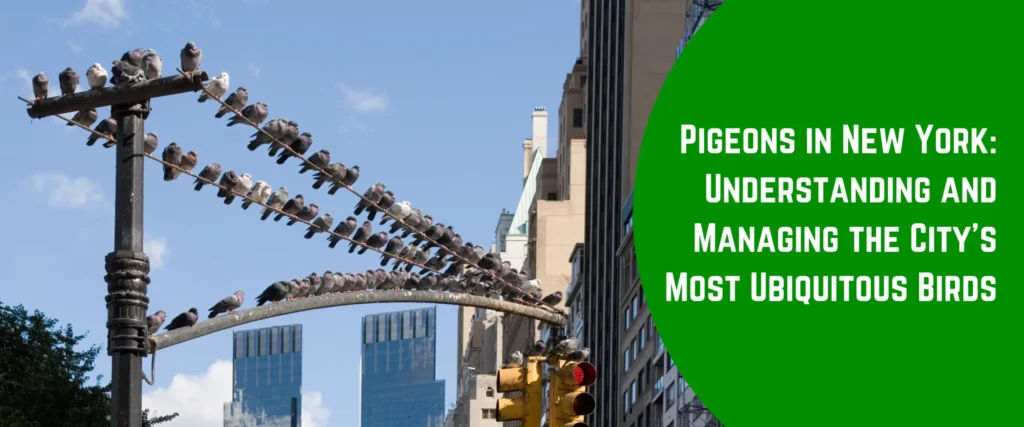
Pigeons in New York: Understanding and Managing the City’s Most Ubiquitous Birds New York City, the Big Apple, a concrete jungle teeming with life – and pigeons. These plump, grey birds are as ubiquitous as yellow cabs and steaming hot dogs. Whether strutting across sidewalks with an air of entitlement or perched on building ledges surveying the bustling streets below, pigeons are undeniably a part of the NYC experience. But just how many of these feathered residents are there? And what makes the city such a prime spot for pigeons to thrive? This blog dives deep into the world of pigeons in New York City. We’ll explore: The Prevalence of Pigeons in New York:  How many pigeons call the city home? We’ll explore estimates, dissect the factors contributing to their population boom, and delve into any recent studies that shed light on their numbers. How many pigeons are in New York? The Big Apple’s Big Flock Counting pigeons in a city that never sleeps is no easy feat. Estimates vary widely, with some claiming there’s roughly one pigeon per New Yorker (that would put the population around a staggering 8.5 million!). However, more grounded estimations suggest a population somewhere in the range of half a million. Factors contributing to the large pigeon population. So, what has made New York City such a haven for pigeons? Here’s a breakdown of some key factors: Abundant Food Sources: From overflowing trash cans to scattered crumbs from street vendors, the city offers a constant smorgasbord for pigeons. Unlike their wild counter parts who rely on foraging for seeds and berries, NYC pigeons have a year-round buffet at their disposal. Ideal Nesting Sites: The urban landscape provides an abundance of nooks and crannies perfect for pigeon nests. Ledges, fire escapes, and building parapets all offer prime real estate for raising young. Limited Predators: With a scarcity of natural predators in the city, pigeon populations face minimal threats. This allows them to reproduce and thrive with minimal challenges. Beyond the Boroughs’ Beaks: Pigeons And Other  Common Birds NYC While pigeons reign supreme in terms of sheer numbers, New York City’s skies are far from a one-bird show. A surprising variety of avian neighbors share the urban ecosystem with our feathered friends. Here’s a look at some of the other common birds you might spot soaring through the concrete canyons: The Noisy Neighbor: The Blue Jay, a vibrant blue bird with a distinctive crest, is known for its loud calls and bold personality. Unlike pigeons, they’re primarily insectivores, feasting on beetles, acorns, and even small reptiles. A Splash of Color: The Northern Cardinal, with its bright red plumage, brings a touch of the tropics to the city. These territorial songbirds are more selective with their food choices, favoring seeds, berries, and insects. The Melodious Migrant: The American Robin, a harbinger of spring with its reddish-orange breast, graces the city during the warmer months. Primarily ground foragers, these birds feed on worms, insects, and fruits. Pigeon vs. Neighbors: A Tale of Two Habits While pigeons are happy to scavenge for scraps, their fellow avian residents exhibit more diverse feeding strategies. Blue Jays, for instance, are adept at caching food, hiding acorns and seeds to retrieve later. Cardinals are skilled seed-crackers, using their strong beaks to break open tough shells. Robins, on the other hand, are excellent earthworm hunters, probing the ground with their sharp beaks. Habitat preferences also differ. Pigeons thrive in the built environment, while cardinals favor parks and gardens with dense foliage. Robins can be found in a variety of habitats, from parks to backyards, while blue jays are often spotted in wooded areas within the city. City Limits and Cooing Rights: The Legalities of Pigeon Control in NYC Living alongside pigeons can be a mixed bag. While some find them charming, others view them as a nuisance. So, what are the rules regarding pigeon control in the Big Apple? Off Limits: First and foremost, is it illegal to kill pigeons in NYC? Yes, it’s illegal to intentionally kill pigeons within New York City limits. This applies to all methods, from shooting to poisoning. The city enforces a ban on harming pigeons due to concerns about cruelty and potential health risks associated with dead birds. Humane Measures Only: The focus in NYC is on humane population control methods. This might involve trapping pigeons with special one-way doors and then relocating them to designated areas outside the city. Another approach involves deterring pigeons from nesting on buildings by installing special netting or spikes. All such measures should be taken by professional pest control. Beyond the Law: Ethical Considerations and Creative Solutions The legalities surrounding pigeon control raise ethical considerations. Many people believe that pigeons, as living creatures, deserve a humane approach to population management. This has led to the exploration of alternative solutions. One approach involves modifying human behavior. Efforts to reduce littering and secure trash cans can make the city less attractive to pigeons seeking food scraps. Additionally, educating the public about feeding pigeons can discourage this practice, ultimately limiting their access to easy meals. When the Wind Gets Chilly: Where do NYC Pigeons Go in the Winter As the leaves change color and a nip hits the air, New Yorkers bundle up for the coming winter. But what about the city’s feathered residents – the ubiquitous pigeons? Do they pack their tiny beaks and head south for warmer weather? Surprisingly, pigeons in New York City are not migratory birds. Unlike their Canadian cousins who head south for balmier climates, NYC pigeons are tough cookies who stick around all year. Here’s how they manage to survive the colder months: Urban Oasis: The city itself provides a surprisingly warm microclimate compared to surrounding areas. Buildings and streets absorb heat during the day, releasing it slowly at night, offering some protection from the harshest winter chills. Feathered Insulation: Pigeons have a thick layer of down feathers that provide excellent insulation, keeping them warm even in freezing temperatures.

effective way to get rid of pigeons
Pigeons

how to outsmart winged city dwellers in NYC to reclaim your urban space

How to outsmart winged city dwellers in NYC to reclaim your urban space Dealing with pigeons nesting and roosting on or near your property can be a nuisance and potentially lead to health and property damage issues. Here are some effective way to get rid of pigeons and birds which can be taken to address the problem of pigeons nesting and roosting: Identify nesting and roosting sites: Locate where the pigeons are nesting and roosting. Common areas include ledges, roofs, eaves, rafters, and trees near buildings. Remove food and water sources: Pigeons are attracted to areas with readily available food and water. Ensure that outdoor food sources, such as spilled birdseed, garbage, and pet food, are cleaned up to discourage pigeons sitting in the area. It has proved to be an effective way to get rid of pigeons. Block access to nesting sites: Prevent pigeons from accessing their preferred nesting and roosting sites by using physical barriers such as bird netting, spikes, wire mesh, or bird slope devices. These barriers can deter pigeons from landing and nesting on your property. Trim vegetation: Remove or trim trees, bushes, and other vegetation near your property that provide roosting or nesting spots for pigeons. Scare tactics: Use visual deterrents such as reflective objects, predator decoys, or motion-activated devices to scare away pigeons. These methods can disrupt their sense of safety and make them seek shelter elsewhere. Repellents: Consider using bird repellents like taste aversions or bird gel to make roosting sites undesirable for pigeons. Always follow the instructions on the repellent products carefully. Professional assistance: If the pigeon problem persists or if it is severe, consider seeking help from professional pest control or wildlife management services. They can assess the situation and provide effective solutions tailored to your specific needs. It’s important to address pigeon nesting and roosting issues promptly to prevent potential property damage, health hazards from droppings, and nuisance behavior. By implementing these strategies and taking proactive measures, you can mitigate the problems associated with pigeons and birds control on your property. How to get rid of pigeons on roof top: Getting rid of pigeons from your roof can be challenging, but there are several strategies you can try to deter them effectively. Here are some methods to consider for removing pigeons from your roof: Install bird spikes: Bird spikes are physical barriers that can be attached to ledges, rooflines, and other surfaces where pigeons roost. The spikes make it uncomfortable for pigeons to land and nest, encouraging them to find another location. Use bird netting: Installing bird netting over areas where pigeons tend to roost can effectively block them from accessing those spaces. Make sure the netting is securely fastened to prevent pigeons from getting underneath it. Apply bird repellents: There are various bird repellent products available, such as bird gels, sprays, and taste aversions, that can discourage pigeons from nesting on your roof. Follow the instructions carefully when applying these repellents. Use visual deterrents: Visual deterrents like reflective objects, predator decoys (e.g., fake owls or hawks), or motion-activated devices can startle and deter pigeons from landing on your roof. Maintain cleanliness: Keep your roof and surrounding areas clean and free of food sources that may attract pigeons. Remove any spilled birdseed, garbage, or standing water that could be appealing to them. Trim trees and vegetation: Pigeons may use overhanging branches or dense foliage near your roof as a landing spot. Trimming trees and vegetation can reduce potential roosting sites for pigeons. Installation of bird shock electric tracks: install where birds are nesting, such as on business signs, under eaves, and on roof ledges. These bird deterrent tracks provide humane electric shock as pigeons try to sit or nest in that area. Seek professional help: If the pigeon infestation on your roof is persistent or severe, consider contacting professional pest control or wildlife management services. They can assess the situation, provide expert advice, and offer effective solutions for removing pigeons from your property. It’s important to address pigeon infestations promptly to prevent damage to your property and potential health risks associated with bird droppings. By combining these methods and taking proactive measures, you can help deter pigeons from roosting on your roof. How to get rid of pigeons on balcony:·            How to keep pigeons away from my balcony? This is the question everyone living in New York wants an answer. Getting rid of pigeons from your balcony can be challenging, but there are several effective strategies you can try to deter them. Here are some methods to consider for removing pigeons from your balcony: Block access points: Inspect your balcony for any openings or gaps that pigeons may be using to access the area. Seal off these entry points with physical barriers like bird netting, wire mesh, or bird spikes to prevent pigeons from landing and roosting. Remove food sources: Pigeons are attracted to balconies with accessible food sources. Keep your balcony clean and free of food crumbs, spills, and pet food that may attract pigeons. An effective way to get rid of pigeons, secure garbage cans and bird feeders to minimize food availability. Use visual deterrents: Install visual deterrents such as reflective objects, predator decoys, or scare balloons on your balcony to startle and deter pigeons. These visual cues can disrupt the pigeons’ sense of safety and make them seek shelter elsewhere. Apply bird repellents: Consider using bird repellent products like bird gels, sprays, or taste aversions designed to make roosting areas uncomfortable for pigeons. Follow the instructions carefully when applying these repellents. Install spikes or wires: Installing bird spikes or wires on ledges, railings, and other flat surfaces on your balcony can prevent pigeons from landing and roosting. These physical barriers create an uncomfortable surface for pigeons to perch on. Scare tactics: Use motion-activated devices that emit noise or spray water to scare pigeons away from your balcony. Alternatively, you can create loud noises or use a water hose to discourage them

Scroll to Top