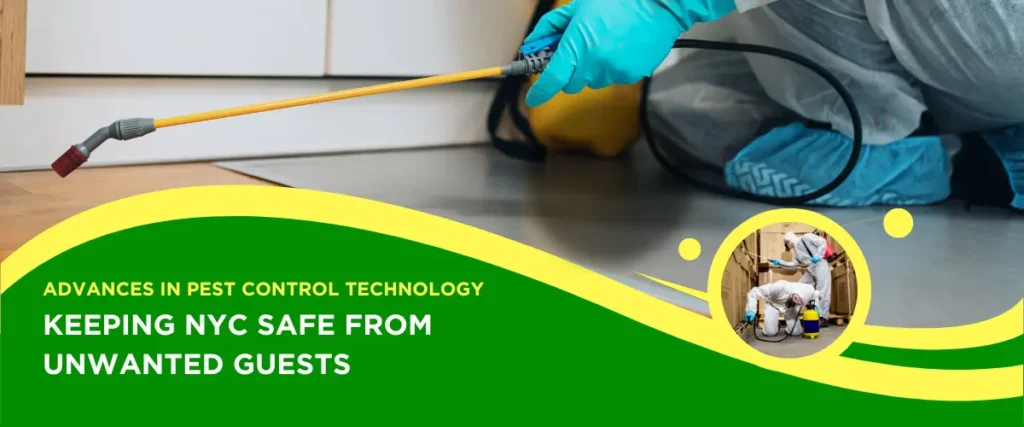
Pest problems in New York City escalate faster than most residents realize. When roaches streak across the counter in daylight or rodents gnaw inside the walls at night, it’s no longer a minor issue; it’s a fast-moving problem travelling through shared walls, vents, plumbing, and the city’s ageing high-rise structures. Moments like these lead people to wonder, “How do I know when I need emergency pest control?” or “When should I call an exterminator in NYC?”, yet the early warning signs can be easy to miss.
We bring together real-world NYC insight with authority-backed sources like NYC DOHMH and the EPA to show you the top signs you need emergency pest control in NYC, and why fast action matters more here than anywhere else in New York, especially NYC.
Why Emergency Pest Control Matters in NYC
NYC’s environment creates the perfect storm for infestations. Urban pests cockroaches, rodents, bed bugs, termites, stinging insects, and wildlife intrusions, thrive in apartment pests, multi-unit building pests, and neighbourhoods dense with restaurants and garbage.
The Environmental Protection Agency (EPA) confirms pests can trigger:
- asthma attacks
- severe allergy triggers
- food contamination
- disease vectors
And the NYC Department of Health (DOHMH) warns that pest droppings, poor sanitation, and pesticide misuse pose major public health risks.
With this much at stake, NYC residents must know the signs of serious infestation to prevent an urgent situation from turning into an infestation outbreak.
1. You’re Seeing Pests During the Daytime
Most pests prefer darkness. When they’re active in daylight, it usually means their hiding spaces are overcrowded, or the population has grown too large to stay concealed. In New York apartments, this tends to happen sooner than expected due to tight living quarters and shared infrastructure.
Daytime activity to take seriously:
- Roaches darting across counters or bathroom floors, even when the lights are on, often point to an established colony rather than a minor intrusion.
- Mice or rats appearing while people are present, suggesting they’ve become bold from competing for space or food.
- Multiple pests are showing up in the same room, signalling a rising pest load inside the building itself.
Daytime visibility is one of the clearest signs that the situation is shifting toward urgent territory.
2. Droppings, Streaks, or Urine Trails
Biological traces usually appear long before you see the pests themselves. They indicate active movement and nearby nests, which can pose serious health risks, especially in small apartments or homes with children.
Dropping-related red flags:
- Pepper-like specks near appliances or inside cabinets, a common sign of roach activity spreading through hidden gaps.
- Pellet-shaped droppings behind furniture or along baseboards, often left by mice or rats travelling the same routes every night.
- Strong ammonia-like smells, usually a sign that rodents are marking territory or nesting behind walls.
These signs usually mean the pests aren’t just passing through—they’re settling in.
3. Noises Inside Walls or Ceilings at Night
When a building goes quiet, pests become more active. NYC’s older wiring, hollow walls, and shared risers make excellent runways for rodents and other insects that move fast and rarely stay in one place for long.
Sounds that signal a growing issue:
- Light scratching inside walls or ceilings, usually coming from mice exploring new food sources.
- Quick, soft running noises across floors or between walls, showing that pests feel secure enough to roam at night.
- Chewing or gnawing sounds, which can become dangerous since rodents may damage wiring or pipes as they build nests.
These noises tend to increase as infestations spread across units or floors.
4. Strange Odours You Can’t Place
When pests multiply, they leave behind a blend of oils, droppings, nest materials, and sometimes carcasses. These odours start subtly but quickly intensify, especially in small NYC apartments.
Common odours linked to hidden infestations:
- A musty, oily smell that often comes from roach colonies living behind appliances or inside cabinets.
- Sharp ammonia drifting through a room, a strong indicator of rodent urine marking active territory.
- Sour, decaying smells, which may come from dead insects or rodents trapped in wall voids or ventilation ducts.
Unexplained odours that grow stronger over days or weeks are rarely a coincidence.
5. Damage to Food, Furniture, or Your Home’s Structure
Physical damage shows pests are not only present but thriving. In multi-unit buildings, damage often spreads faster because pests travel alongside pipes, wiring, and floor joints.
Damage worth addressing immediately:
- Chewed or torn food packaging which means pests have found consistent access to your pantry.
- Bite marks on furniture legs, drywall edges, or baseboards, usually left when rodents file their teeth.
- Soft or buckling wood, which can be an early sign of termites working inside floors or support beams.
Once pests begin damaging materials, the problem typically moves beyond one unit.
6. Bites, Rashes, or Skin Irritation
Unexplained bites often point to bed bugs or fleas, both of which spread quickly through multi-unit buildings. Bed bugs, in particular, move through outlets, cracks, and shared walls even if you keep a spotless home.
Symptoms that shouldn’t be ignored:
- Red, itchy bites that appear overnight, often in lines or small clusters.
- Tiny black dots around mattress seams or furniture joints are often dried waste from bed bugs.
- Small blood spots or shed skins show that bugs are feeding regularly.
If bites continue or spread to other household members, the infestation is already advancing.
7. Pests Coming From Neighbouring Units
In NYC, infestations often start in one apartment and quickly spread to others. Pests move through hallways, ventilation systems, and plumbing lines, places most residents never see.
Signs the issue isn’t limited to your unit:
- Increased activity shortly after a neighbour mentions having pests, which means the problem is travelling.
- Droppings in areas connected to shared walls or utility lines.
- Odours or noises moving between rooms, especially near vents or pipe access points.
Once a problem spreads this way, it typically requires a building-level response rather than isolated treatments.
8. DIY Treatments Aren’t Making Any Difference
Store-bought sprays and traps can help with light issues, but they rarely address the hidden places where pests breed. They also don’t stop pestsfrom entering through structural gaps or shared building features.
DIY signals that it’s time to escalate:
- Increased activity after using sprays—often because pests scatter deeper into walls.
- Traps are filling quickly, showing pests are reproducing faster than you can control them.
- New rooms are showing activity, which suggests the infestation is spreading across the building’s internal pathways.
- No improvement after multiple attempts, especially with roaches or rodents known for resistance.
DIY can slow things down, but established infestations require trained specialists.
Why Professionals Work Better in NYC (And DIY Fails)
Professional teams use a combination of science-backed methods, advanced equipment, and strategies built specifically for city housing. They focus not only on removing active pests but also preventing them from returning, which matters more in densely packed neighbourhoods.
What a reliable team brings to the table:
- Detailed inspection that maps how pests travel through walls, floors, or risers.
- Exclusion repairsare designed to block entry points and reduce long-term access.
- Safer, EPA-approved treatments that reduce exposure for children and pets.
- Rapid emergency response that focuses on containment as well as removal.
- Follow-up visits to verify that pests aren’t rebuilding hidden colonies.
This strategy addresses the environment as much as the pests themselves.
What Affects the Cost of Emergency Treatments in NYC
Pricing varies across the city based on factors like building age, pest species, unit layout, and the extent of the spread. Newer high-rises and older brownstones each come with different challenges.
Common factors that influence cost:
- The type of pest—roaches, rodents, termites, or bed bugs all require different methods.
- Whether the infestation has spread to multiple units or remains in one space.
- Accessibility issues, including tight spaces or older structures with hidden voids.
- The need for return visits to ensure the problem is fully resolved.
Acting quickly helps keep costs down by preventing expansion.
How to Choose the Right Pest Control Company in NYC
With many providers offering 24/7 support, it’s important to select one that understands the city’s unique pest environment.
Qualities worth looking for:
- Clear emergency availability rather than delayed scheduling.
- Experience with multi-unit treatments and outbreak containment.
- Technicians trained in integrated pest management (IPM) strategies.
- Transparent pricing and explanations of what the service includes.
- A willingness to inspect building-wide systems when necessary.
Choosing carefully ensures a faster and more reliable resolution.
Conclusion:
NYC’s fast pace applies to pests, too; they spread quickly through walls, floors, vents, and garbage systems. When you see daytime pests, droppings, odours, running sounds, structural damage, or bites, you’re already in an emergency stage. Calling trained, licensed experts ensures safe pest control in NYC, rapid solutions, and long-term protection based on IPM and public-health recommendations.
Need fast help?
Contact Best At Pest, trusted emergency exterminator NYC specialists serving Long Island, New Jersey and all 5 boroughs: Staten Island, Manhattan, Brooklyn, Bronx and Queens.
Rapid response, safe treatments, and expert investigation any time you need us.
FAQs:
1. How do I know when I need emergency pest control?
If pests appear during the day, cause damage, spread quickly, or return after DIY attempts, it’s time.
2. What are the signs of serious infestation that NYC residents should know?
Droppings, odors, noises, spreading pests, and visible damage.
3. When should I call an exterminator in NYC?
Right away if you notice pests in multiple rooms, bites, contamination, or structural issues.
4. What is a rodent infestation emergency NYC?
Daytime activity, wire damage, scratching in walls, and foul ammonia odors.
5. Bed bug infestation signs you need professional help?
Nighttime bites, blood stains, black dots, shed skins, and spreading to other rooms.
6. Is cockroach droppings danger NYC-wide?
Yes, DOHMH confirms they trigger asthma, allergies, and contaminate food areas.