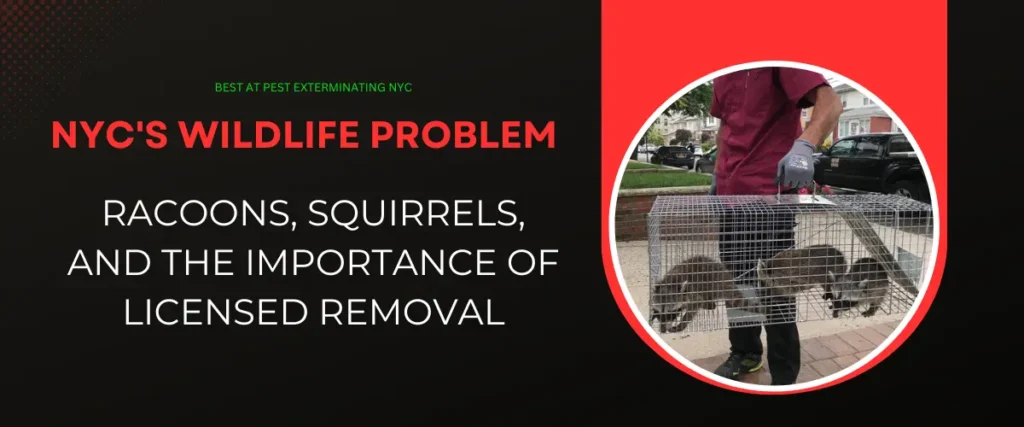
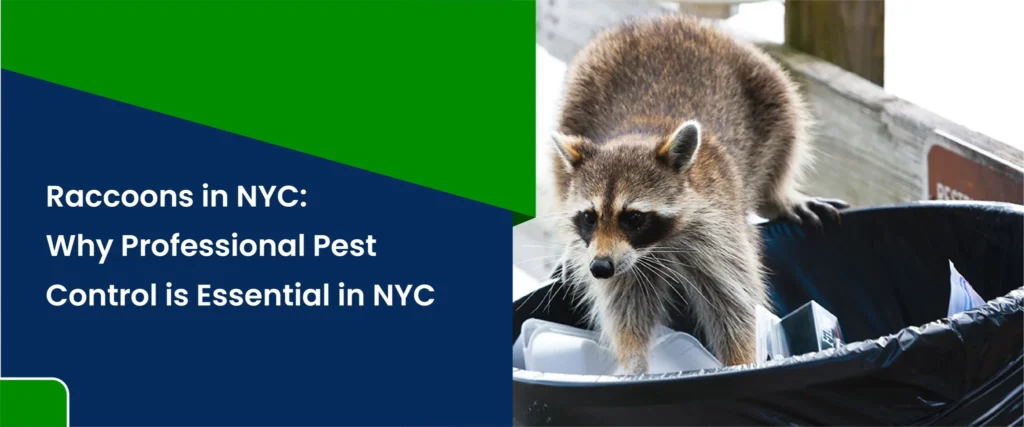
Living in New York City means sharing space, sometimes unwillingly, with wildlife. Raccoons on rooftops, squirrels in attics, and possums under decks aren’t signs of neglect; they’re a side effect of dense housing, ageing buildings, and green pockets woven into the city. These animals are smart, adaptable, and persistent. The trick is knowing what you can realistically do yourself, and when it’s time to bring in professionals.
Why Wildlife Targets NYC Homes
Urban wildlife isn’t wandering randomly. NYC buildings offer warmth, shelter, and reliable food. Brownstones, townhomes, and multi-unit buildings often have shared roofs, utility gaps, fire escapes, and trees close enough to act like ladders. Seasonal pressure adds fuel: winter pushes animals indoors, while spring brings nesting and babies, which dramatically increases activity and damage.
The Most Common NYC Wildlife Pests
Raccoons
Raccoons are powerful climbers and problem-solvers. They tear into rooflines, soffits, and attic vents. Once inside, they destroy insulation, damage wood, and create strong odours from droppings and nesting material. If babies are present, adults can become aggressive when disturbed.
Squirrels
Squirrels are smaller but more destructive over time. They chew constantly, wood, wiring, ductwork, because their teeth never stop growing. Scratching or scampering sounds during early morning hours are classic signs. Left alone, squirrels can turn attics into fire hazards.
Possums
Possums usually stay under decks, porches, or crawl spaces rather than attics. They’re less destructive structurally, but their droppings, parasites, and tendency to return make them a recurring nuisance near trash storage areas.
Risks You Shouldn’t Ignore
Wildlife infestations are more than noise problems. Common risks include:
- Chewed electrical wiring that increases fire risk
- Torn insulation that drives up heating and cooling costs
- Droppings and parasites that affect indoor air quality
- New entry points that invite repeat infestations
The longer animals remain, the harder and more expensive removal becomes.
What You Can Try Yourself (DIY Measures)
DIY steps can help reduce activity or prevent new entry, but they rarely solve an active infestation.
You can try:
- Sealing obvious gaps around vents, siding, and foundation edges (only after confirming no animals are inside)
- Trimming tree branches that overhang roofs or touch fire escapes
- Securing trash lids tightly and removing outdoor food sources
- Using motion lights or mild noise deterrents for short-term pressure
These steps work best as preventative maintenance, not removal. If animals are nesting, DIY often pushes them deeper into the structure or encourages them to find another way back in.
Why DIY Often Fails in NYC
New York homes aren’t isolated structures. Shared walls, connected rooflines, and hidden utility pathways mean animals can enter from places you can’t access. Blocking one hole often leads to another opening elsewhere, out of sight and harder to fix. Repellents or noise without proper exclusion can trap animals inside walls or separate mothers from their young, making the situation worse and sometimes illegal.
When Professional Wildlife Removal Makes Sense
Professional wildlife removal focuses on humane removal, legal compliance, and long-term prevention. It typically includes:
- Identifying all entry points, not just the visible ones
- Safe, humane removal (including proper handling of babies)
- Durable exclusion materials designed to withstand chewing and weather
- Prevention plans tailored to city buildings and seasons
Local regulations protect certain species, and improper removal can lead to fines or repeated infestations. Professionals understand nesting seasons and the quirks of urban structures.
Conclusion
Wildlife issues in NYC homes escalate fast. Raccoons, squirrels, and possums exploit small gaps, shared structures, and seasonal pressure to move indoors. DIY steps can reduce attraction, but active infestations usually require humane removal and proper exclusion to stop repeat entry. Acting early limits damage and protects your home.
Hearing noises or seeing wildlife damage? Book a professional wildlife inspection to remove animals safely, seal entry points, and prevent the problem from coming back. Early action saves time, money, and peace of mind.
FAQs
1) Is it legal to remove wildlife on my own?
Laws vary by species and season. Many animals are protected, especially during nesting. Improper removal can be illegal and make the situation worse.
2) Why do animals keep coming back after I block a hole?
Urban homes often have multiple hidden entry points. Sealing one without addressing the rest usually redirects animals rather than stopping them.
3) Are repellents and ultrasonic devices effective?
They may discourage animals briefly, but wildlife adapts quickly. These tools are best for prevention, not active infestations.
4) What if there are babies in my attic?
This requires careful, humane handling. Separating mothers from young can cause damage, odors, and legal issues.
5) How long does professional wildlife removal take?
Initial removal can be quick, but full resolution includes exclusion and prevention work. The goal is long-term control, not a temporary fix.
6) Will wildlife damage stop immediately after removal?
Noise usually stops right away, but repairs and exclusion are essential to prevent new animals from exploiting the same weaknesses.
7) How can I prevent wildlife problems in the future?
Regular inspections, trimming overhanging branches, securing trash, and maintaining vents and rooflines are the most effective long-term steps.