Are bed bugs dangerous? Although bed bugs are not known to transmit diseases to humans, their bites can cause itching, allergic reactions, skin infections, and sleep problems. For people living in New York City, an infestation can also create considerable stress, especially when these insects spread through bedrooms, apartments, or shared residential buildings.
Bed bugs are small, blood-feeding insects that hide in mattresses, bed frames, furniture, and narrow cracks. They usually feed while people are sleeping, making an infestation difficult to notice until bites or other warning signs appear.
Understanding the health risks is important for NYC homeowners, tenants, landlords, and property managers. This guide explains how bed bugs affect human health, which symptoms require medical attention, how infestations spread, and what steps can help protect your property.
Key Takeaways About Bed Bug Health Risks
- Bed bugs are not known to spread infectious diseases to humans.
- Their bites can cause itching, swelling, irritation, and allergic reactions.
- Excessive scratching may lead to secondary bacterial skin infections.
- Severe infestations can interfere with sleep and cause emotional distress.
- Rare cases of anemia have been associated with prolonged, heavy infestations.
- Early detection and appropriate treatment help prevent infestations from becoming more difficult to manage.
For NYC residents, recognizing the warning signs early is especially important in apartment buildings, where bed bugs may move between neighboring units.
Are Bed Bugs Harmful to Humans?
Yes, bed bugs can harm humans, mainly through their bites and the physical and emotional effects of an infestation. However, the level of risk varies depending on a person’s sensitivity, the number of insects present, and how long the infestation continues.
Bed bugs feed on human blood using specialized mouthparts that pierce the skin. During feeding, they introduce saliva containing substances that help them feed without immediate detection. Some people develop noticeable skin reactions, while others experience little or no visible irritation.
The insects do not need dirty surroundings to survive. They can infest clean apartments, hotels, offices, and residential properties because their primary requirement is access to a blood meal.
In New York City, bed bugs can be introduced through luggage, secondhand furniture, clothing, and other personal belongings. Shared walls, utility openings, and neighboring apartments may also contribute to their movement within multifamily buildings.
Residents who suspect an infestation should inspect their sleeping areas rather than relying on bite marks alone. Understanding the Signs of Bed Bugs in NYC can help distinguish an active infestation from other household pest problems.
What Health Problems Can Bed Bugs Cause?
Bed bug infestations can affect physical health, sleep quality, and emotional well-being. Most reactions are manageable, but some individuals experience complications that require medical attention.
Itchy Bites and Skin Irritation
Bed bug bites commonly appear as small, itchy, red or swollen spots. They may occur individually or in clusters, sometimes forming a line or irregular pattern.
Commonly affected areas include the arms, legs, neck, shoulders, and other skin exposed during sleep. Reactions may appear shortly after feeding or take several days to become noticeable.
One common question is, are bed bug bites dangerous? For most healthy individuals, bites are not medically serious and improve without specialized treatment. However, persistent scratching can damage the skin and increase the likelihood of infection.
Because other insects can produce similar reactions, bite appearance alone cannot confirm an infestation. A comparison of Bed Bug Bites vs Mosquito Bites may help readers understand the differences, but finding physical evidence of bed bugs is more reliable.
Allergic Reactions to Bed Bug Bites
People often ask, can bed bugs cause allergic reactions? Yes. Some individuals develop more intense swelling, redness, or itching because their immune systems react to substances in bed bug saliva.
Reactions range from mild skin irritation to larger, uncomfortable welts. In uncommon cases, severe allergic reactions may occur.
People with significant swelling, widespread hives, or worsening symptoms should seek medical advice. Difficulty breathing, throat swelling, or other signs of a severe allergic reaction require immediate emergency medical care.
Secondary Skin Infections
Bed bugs do not directly cause most bacterial skin infections. Instead, repeated scratching can break the skin, allowing bacteria to enter.
Possible warning signs include increasing redness, warmth, tenderness, swelling, or pus around a bite. A fever or spreading redness may indicate an infection that needs prompt medical evaluation.
Keeping the affected area clean and avoiding scratching can reduce this risk. A healthcare professional may recommend appropriate treatment when symptoms become more severe.
Sleep Problems and Emotional Stress
Living with bed bugs can affect more than the skin. People may have trouble sleeping because they worry about being bitten or discovering insects in their bedding.
Ongoing infestations may contribute to anxiety, embarrassment, frustration, and reduced sleep quality. These problems can become particularly stressful for families living in small apartments or shared housing.
If you are wondering can bed bugs make you sick, the answer is that they can contribute to health problems through allergic responses, skin irritation, secondary infections, and disrupted sleep, even though they are not established transmitters of human infectious diseases.
Do Bed Bugs Carry or Spread Diseases?
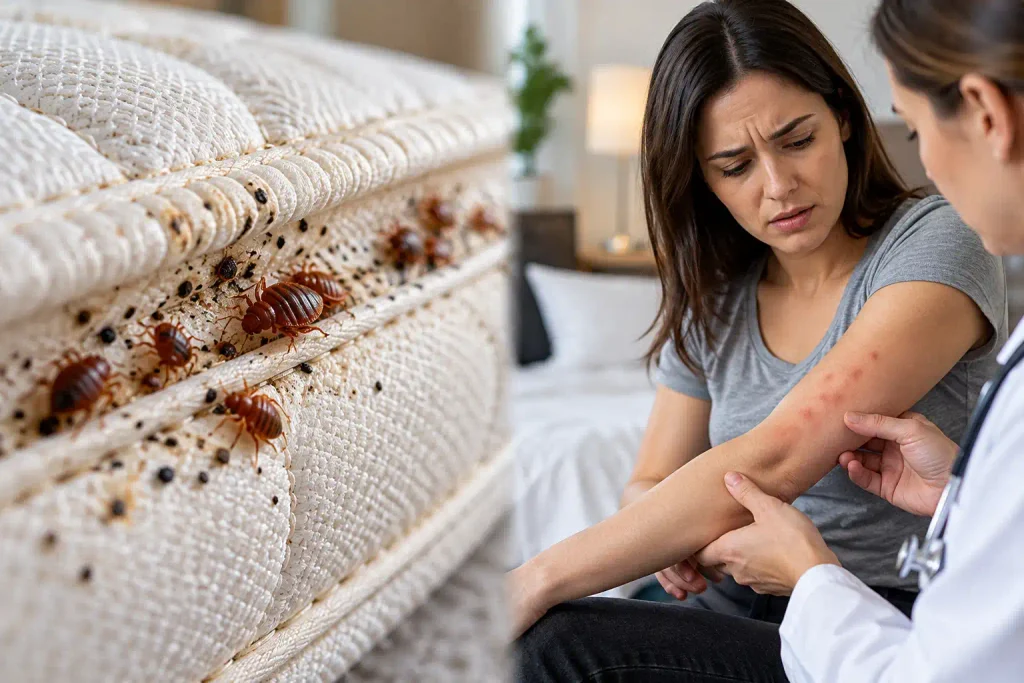
A common concern is, do bed bugs carry diseases? Researchers have detected various microorganisms in bed bugs, but there is no established evidence that bed bugs transmit infectious diseases to people under normal household conditions.
This distinction matters because carrying a microorganism is not the same as transmitting an infection to a human.
According to the Centers for Disease Control and Prevention (CDC), bed bugs are not known to spread disease. Their recognized health effects primarily involve bite reactions, allergic responses, and secondary problems associated with infestations.
Unlike mosquitoes, which can transmit certain pathogens through bites, bed bugs are not considered proven vectors of human infectious diseases.
However, the absence of established disease transmission does not mean an infestation should be ignored. Persistent bites, sleep disruption, and potential skin complications are valid reasons to address the problem.
Can Bed Bugs Kill You?
For most people, bed bugs do not present a life-threatening danger. Fatal outcomes associated with bed bugs are exceptionally rare, and ordinary bites are not considered deadly.
The greatest concerns involve unusual complications rather than direct toxicity. A severe allergic reaction may require emergency treatment, while prolonged, extremely heavy infestations have occasionally been associated with significant blood loss.
People who are elderly, medically vulnerable, or unable to address an infestation may face additional challenges if exposure continues.
Bed bugs should therefore be treated as a genuine household health concern without exaggerating their danger.
If an infestation has become extensive, professional evaluation can help determine the appropriate response. Readers interested in why these pests are difficult to eliminate can explore Why NYC Bed Bugs Are So Hard to Kill? for additional guidance.
Are Bed Bugs Poisonous or Venomous?
No. Bed bugs are not poisonous or venomous. They do not inject venom when feeding, and their bodies do not contain a poison that makes ordinary contact dangerous.
Their bites can still cause irritation because the immune system may react to proteins in their saliva. This reaction explains why some people develop itchy welts while others show no visible symptoms.
The absence of venom does not make bed bugs harmless. Their feeding behavior and ability to remain hidden can lead to repeated exposure and significant discomfort.
For this reason, prevention and proper infestation management remain important even when bite symptoms appear mild.
Can You Get Bed Bugs From Other People?
Yes, bed bugs can be transported through belongings, but they do not spread directly from person to person like contagious illnesses.
They generally do not live permanently on the human body. Instead, they hide in nearby objects and move when they need to feed.
Bed bugs may travel in backpacks, suitcases, coats, upholstered furniture, bedding, and other belongings. Someone visiting an infested property could accidentally carry a hidden insect to another location.
This is particularly relevant in NYC, where residents frequently use public transportation, visit shared buildings, and move between apartments.
However, simply standing near or touching someone who has bed bugs does not mean an infestation will occur.
When visiting hotels or traveling, inspect luggage and sleeping areas before bringing belongings into your home. The guide How to Avoid Bed Bugs While Travelling Holiday Season can provide additional prevention ideas.
How to Recognize Bed Bug Bites and Infestation Signs
Identifying bed bugs early can prevent a small problem from becoming more widespread. Because their bites resemble those of other insects, residents should look for multiple signs before concluding that bed bugs are present.
Common indicators include small reddish-brown insects, dark fecal spots on mattresses or furniture, shed skins, tiny pale eggs, and bloodstains on bedding.
Adult bed bugs are typically about the size of an apple seed. They have flattened, oval-shaped bodies and are usually reddish-brown. Their shape allows them to hide inside mattress seams, furniture joints, headboards, and narrow crevices.
A persistent infestation may also produce a distinctive musty odor, although smell alone is not a reliable way to identify these pests. Learning What Do Bed Bugs Smell Like can help residents understand this possible warning sign.
For apartment residents, inspections should include mattress edges, bed frames, nearby furniture, baseboards, and areas around sleeping spaces.
If you are unsure whether insects are present, the guide How to Tell If You Have Bed Bugs in Your NYC Apartment can help you identify areas that deserve closer inspection.
Residents of different NYC boroughs face similar identification challenges. Those living in the Bronx can also review Signs of Bed Bugs in Bronx
to understand common warning signs in residential properties.
How to Protect Yourself From Bed Bugs
Preventing bed bugs requires awareness, regular inspections, and careful handling of items that may introduce insects into a property.
No single prevention method guarantees complete protection. However, several practical habits can reduce the likelihood of introducing bed bugs and help residents identify infestations sooner.
Inspect Beds, Mattresses, and Furniture
Check mattress seams, box springs, bed frames, and headboards for insects, eggs, shed skins, or dark spots.
Pay special attention to narrow cracks and joints where bed bugs can hide during the day. A flashlight can help reveal activity in difficult-to-see areas.
Inspect secondhand furniture before bringing it indoors. Upholstered items, in particular, deserve careful examination because insects can hide deep inside seams and joints.
Bed bug interceptors placed beneath bed legs may help monitor activity, while properly fitted mattress encasements can make inspections easier.
Check Luggage After Traveling
Travel is one way bed bugs can enter NYC homes and apartments.
When staying in a hotel, inspect the mattress seams, headboard, and nearby furniture before unpacking. Keep luggage away from beds and upholstered furniture whenever practical.
After returning home, examine suitcases and clothing for insects or other signs of activity. Clothing that may have been exposed can be placed in a dryer on a suitable high-heat setting, following the fabric’s care instructions.
Heat from a properly operated clothes dryer can kill bed bugs and their eggs when items reach the required temperature for sufficient time. Washing alone, especially in cool water, may not eliminate every insect.
Reduce Clutter and Wash Infested Bedding
Clutter creates additional hiding places and makes inspections more difficult. Keeping sleeping areas organized improves visibility and access during treatment.
If bed bugs are suspected, carefully bag affected bedding before moving it through the property. Use an appropriate dryer cycle to treat washable items, and keep cleaned belongings separated from untreated materials.
Vacuuming mattress seams, furniture edges, and accessible cracks can help remove some insects. Empty the vacuum contents into a sealed bag and dispose of them safely outside.
Vacuuming and laundry are useful supporting measures, but they may not eliminate insects hidden inside walls, furniture, and inaccessible spaces.
Avoid moving potentially infested furniture into hallways or other apartments. This can spread the problem to additional areas.
For NYC apartment buildings, notifying the landlord or property manager promptly can help coordinate inspections and treatment where necessary.
When Should You Seek Medical Attention for Bed Bug Bites?
Most bed bug bites improve without medical treatment, but certain symptoms require professional attention.
Contact a healthcare professional if bites produce severe or persistent swelling, significant discomfort, signs of infection, or symptoms that continue to worsen.
Parents sometimes ask, are bed bugs dangerous to babies? Infants can experience itching, irritation, and allergic reactions, and they may have difficulty communicating discomfort. Parents should consult a pediatrician when a baby develops concerning skin symptoms or appears unusually distressed.
Another uncommon concern is, can bed bugs cause anemia? Severe, prolonged infestations have been associated with anemia in rare reported cases. This is not a typical result of an ordinary infestation, but persistent heavy exposure may deserve medical evaluation, especially in vulnerable individuals.
Seek emergency care for difficulty breathing, throat swelling, faintness, or other signs of a serious allergic reaction.
A healthcare professional can evaluate symptoms, recommend appropriate relief, and determine whether a different condition may be responsible.
When to Call a Professional Bed Bug Exterminator
Professional assistance is worth considering when bed bugs are confirmed, insects appear in multiple rooms, or signs continue after careful cleaning and monitoring.
These pests are difficult to eliminate because they hide in narrow spaces, reproduce, and may survive when treatment fails to reach every affected area.
Over-the-counter sprays and household cleaning methods may not address an established infestation. Incorrect pesticide use can also create unnecessary exposure risks.
A professional inspection can help identify the extent of activity, likely hiding areas, and suitable treatment options.
For NYC homeowners, tenants, and property managers, addressing the problem early may reduce the likelihood of further spread.
Best@Pest Exterminating provides pest control services in New York City. If you suspect an infestation, explore our Bed Bug Removal Services NYC to learn about professional assistance.
Treatment requirements depend on the property, infestation severity, and selected control methods. Readers comparing their options can review Bed Bug Exterminator Cost in NYC to understand common pricing factors.
It is also important to monitor the property after treatment. Our guide How Long Does it Take to Get Rid of Bed Bugs after Removal? explains why follow-up inspections and continued monitoring may be necessary.
For broader pest concerns affecting residential or commercial properties, explore our Pest Control NYC services.
Frequently Asked Questions About Bed Bug Dangers
1. Can bed bugs bite through clothes?
Bed bugs generally feed on exposed skin rather than biting through ordinary clothing. However, loose clothing can shift during sleep, allowing insects to reach uncovered areas.
2. Can bed bugs live in your hair?
Bed bugs do not normally live in human hair. Unlike head lice, they typically hide in furniture, bedding, and nearby cracks between feeding periods.
3. Are bed bugs more dangerous at night?
Bed bugs are usually most active when people are resting or sleeping. Their bites are not inherently more harmful at night, but nighttime feeding can cause repeated exposure and disturbed sleep.
4. How long do bed bug bites last?
Mild reactions may improve within several days, while some people experience symptoms lasting one or two weeks or longer. Healing time varies with individual sensitivity and scratching.
5. Can bed bugs spread between apartments in NYC?
Yes. Bed bugs may move between neighboring units through openings around pipes, walls, and other structural gaps. They can also be transported through furniture and personal belongings. Coordinated inspection and treatment may be necessary in multifamily properties.
6. Should you throw away your mattress if you find bed bugs?
Not automatically. Some infested mattresses can be treated and enclosed in suitable bed bug-proof encasements. Disposal may be appropriate in certain situations, but moving an untreated mattress can spread insects through a building.
7. Can bed bugs return after professional treatment?
Yes. Remaining insects, surviving eggs, or new introductions can cause renewed activity. Following preparation instructions, completing recommended follow-up visits, and monitoring sleeping areas can help identify continuing problems.
Final Thoughts: Protect Your NYC Home From Bed Bug Infestations
Bed bugs are not known to transmit human infectious diseases, but their bites and infestations can still affect comfort, skin health, sleep, and emotional well-being. In rare circumstances, severe allergic responses or prolonged heavy infestations may create more serious concerns.
The most effective response begins with recognizing the warning signs, avoiding actions that spread insects, and choosing appropriate control methods.
If you suspect bed bugs in your New York City home, apartment, or commercial property, contact Best@Pest Exterminating to discuss the problem and available pest control services. Early action can help you understand the extent of the infestation and determine the next steps.