Waking up itchy with no clear reason is often the first clue. If you’re searching for the real signs of bed bugs in NYC, you’re already on the right track. New York’s crowded buildings and constant flow of furniture and luggage make it easy for bed bugs to spread fast. This guide covers what are the first signs of bed bugs in an apartment, how professionals confirm an infestation, and what to do the moment you spot one.
What Are the Early Signs of Bed Bugs?
Most people don’t see the bug first. They notice the evidence it leaves behind. Learning these early signs of bed bug infestation is the fastest way to catch a problem early.
Rusty Reddish Stains on the Mattress
Check your mattress and pillowcase for small rusty reddish stains on the mattress. These are blood smears left behind when a bed bug is crushed during sleep. They usually appear near seams and along the edges.
Fecal Spots and Bed Bug Droppings
Next, look for tiny black or dark brown dots on your sheets and furniture. These fecal spots, also called bed bug droppings, are one of the clearest signs of an active infestation, not just a single bug passing through.
Shed Skins and Eggs
Bed bugs shed their outer shell as they grow. These shed skins look like pale, empty shells tucked into mattress seams and furniture joints. Tiny, pinhead-sized eggs often sit in the same spots.
Musty, Sweet Odor
A musty sweet odor can build up in a room with a heavier infestation. Many people compare the smell to old, damp socks. This smell, paired with stains or shed skins, is a strong signal that treatment is overdue.
What Do Bed Bug Bites Look Like?
Bed bug bites symptoms NYC residents report usually follow one clear pattern, though people often mistake them for something else at first.
Bites tend to show up as small, red, itchy welts. They often form in a line or a tight cluster. Arms, legs, neck, and shoulders are the most common spots, since this skin stays exposed while you sleep. Mosquito bites, by comparison, tend to appear alone and in random places. Skin allergies flare up no matter where you sleep. That’s why bites alone can be confusing to diagnose.
Not everyone reacts right away, either. Some people notice bites within hours. Others don’t see a reaction for several days. This is why bites should never be your only way to check for bed bugs.
Where Do Bed Bugs Hide?
Knowing how to check for bed bugs starts with knowing where they hide during the day. They rarely stay out in the open.
The mattress is the first place to check. Look closely at every seam, tag, and fold on the mattress and box spring. This is the single most common hiding spot. From there, check couches, nightstands, and dresser joints, along with the narrow gap where baseboards meet the floor. These spots are especially common in older NYC apartments. Bed bugs can also squeeze into electrical outlet covers and thin wall cracks, which is one reason a quick DIY check often misses them completely.
📞 Not sure what you’re seeing? Call (718) 284-7378 for a free inspection.
How Do Exterminators Check for Bed Bugs?
Wondering how do exterminators check for bed bugs? A licensed bed bug inspection NYC technician starts with a slow, careful check of every hiding spot described above. They use tools most homeowners don’t have on hand, including a proper bed bug inspection kit with magnification and detection aids built for the job.
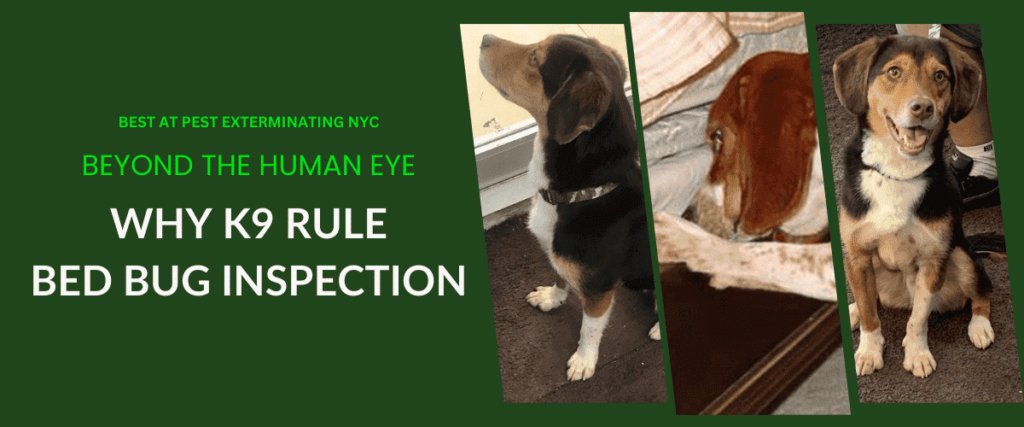
For infestations that are hard to see with the naked eye, a K9 bed bug inspection brings in a trained dog’s sense of smell. This helps pinpoint activity behind walls and inside furniture that a visual check alone might miss.
Early detection matters most in shared buildings. Left untreated, an infestation in one apartment can spread through shared walls and hallways. Fast bed bug detection services protect the whole building, not just one home.
Bed Bug Treatment Options
Once activity is confirmed, a bed bug exterminator NYC homeowners can trust should offer more than one treatment path. The right choice depends on how severe the problem is.
Bed bug heat treatment NYC services raise the room temperature high enough to kill bed bugs and their eggs, often in a single visit, without spraying any chemicals. Cryonite freezing treatment takes a different approach, using extremely cold CO2 snow to freeze bed bugs on contact. It’s non-toxic and often paired with heat for full coverage. Targeted chemical treatment is another option. EPA-registered products applied directly to cracks and hiding spots kill bed bugs on contact and keep working for weeks afterward.
A bed bug clean-out often supports whichever method is used. This includes decluttering, washing fabrics on high heat, and deep vacuuming to remove hiding spots throughout the home. For households that want to limit chemical use, an IPM (Integrated Pest Management) plan focuses on prevention and low-impact treatments first. Many providers also pair this with bed bug and flea treatment, since both pests tend to hide in similar spots.
How Much Does Bed Bug Heat Treatment Cost in NYC?
How much bed bug heat treatment costs in NYC depends on the size of the space and how far the infestation has spread. A one-bedroom apartment typically costs less than a full house or a multi-unit building. The only way to get an accurate number is a free, in-person inspection.
Preparing for Treatment
A little prep work goes a long way. Start by clearing clutter from closets, under the bed, and around furniture. Wash all bedding and clothing on the hottest setting the fabric allows. Once items are clean and dry, seal them in plastic bags. Then vacuum floors, carpets, and furniture thoroughly, and throw the vacuum bag away outside right away. A technician will walk you through this checklist before your appointment and may help move furniture or remove heavily infested items during the visit.
Could You Have Brought Bed Bugs Home?
Bed bugs are common hotel and travel hitchhikers. Check luggage seams and folded clothing before bringing bags straight into the bedroom after any trip. Can bed bugs come from used furniture? Yes, quite often. Secondhand mattresses, couches, and curbside furniture are one of the most common ways bed bugs enter a home. A quick inspection before bringing anything inside is always worth the extra few minutes.
Bed Bug Signs Across NYC and Nearby Areas
Bed Bug Control NYC and the surrounding region isn’t a one-size-fits-all problem. Building age, density, and tenant turnover all affect how fast bed bugs spread.
Older walk-ups and shared laundry rooms make Brooklyn buildings especially prone to bed bugs moving between units. In Queens, a mix of multi-family homes and larger complexes means one infested unit can reach its neighbors quickly. Bronx buildings with shared hallways and frequent turnover face similar risks, often made worse by secondhand furniture from the street. Manhattan high-rises see plenty of foot traffic, visitors, and short-term rentals, all of which create new entry points. Out on Long Island, single-family homes in Nassau and Suffolk County are just as vulnerable, usually through travel or a used furniture purchase. Across the river, New Jersey households near transit corridors and shared housing complexes face many of the same risks as their NYC neighbors.
Wherever you’re located, real pest control NYC coverage means a technician who understands your specific building type, not a generic, one-size-fits-all visit.
Why Work With a Licensed, Certified Team?
Trust matters when someone is coming into your home. Look for certifications like A.C.E, GreenShield, QualityPro, NYSDEC, the New York Pest Management Association, NPMA, BBB, and the Entomological Society of America. These credentials reflect real training, not just a marketing claim. A licensed and insured local team, with years of hands-on experience across NYC and NJ apartments, homes, and buildings, will build a treatment plan based on a real inspection, not guesswork.
Reviewed by a licensed pest control team.
What to Do the Moment You Spot Bed Bugs
Start by taking a few photos of any stains, spots, or bugs you find. This helps a technician confirm activity faster during inspection. Try to avoid store-bought sprays at this stage. They rarely solve a full infestation, and a rushed spray can push bed bugs into neighboring rooms or apartments, making the problem harder to treat later. Many people search for a free bed bug treatment online, but the safest, most effective path is a professional plan built around a real inspection. A free inspection is the right place to start, since it gives you an honest answer before any money is spent on treatment. From there, a same-week visit from a licensed team is the fastest way to stop the problem from spreading further.
Frequently Asked Questions
What are the first signs of bed bugs in an apartment?
The earliest signs are usually rusty stains or fecal spots on bedding, followed by shed skins, small eggs, or a musty odor. Bites often show up after these other signs, not before.
How do exterminators check for bed bugs?
A technician inspects mattress seams, furniture joints, baseboards, and outlets by hand, sometimes with the help of a trained detection dog for hard-to-find activity.
How much does bed bug heat treatment cost in NYC?
Cost depends on the size of the space and how far the infestation has spread. A free inspection is the only way to get an accurate quote.
Is heat treatment better than chemical treatment?
Heat treatment is chemical-free and can clear an infestation in one visit. Chemical treatment offers longer residual protection. Many cases use both together for the best result.
How long does bed bug treatment take?
Heat treatment often finishes in a single day. Chemical treatment may need two to three visits over a few weeks, followed by a final check.
Do I need to throw away my mattress if I have bed bugs?
Usually not. A quality mattress encasement traps and kills any remaining bugs, which saves the cost of a replacement in most cases.
Get a Free Bed Bug Inspection Today
Catching the signs of bed bugs in NYC early is the best way to avoid a bigger, costlier problem later. A licensed, certified local team offering real bed bug detection services can confirm what’s happening in your home and build a treatment plan around it, not a generic checklist.