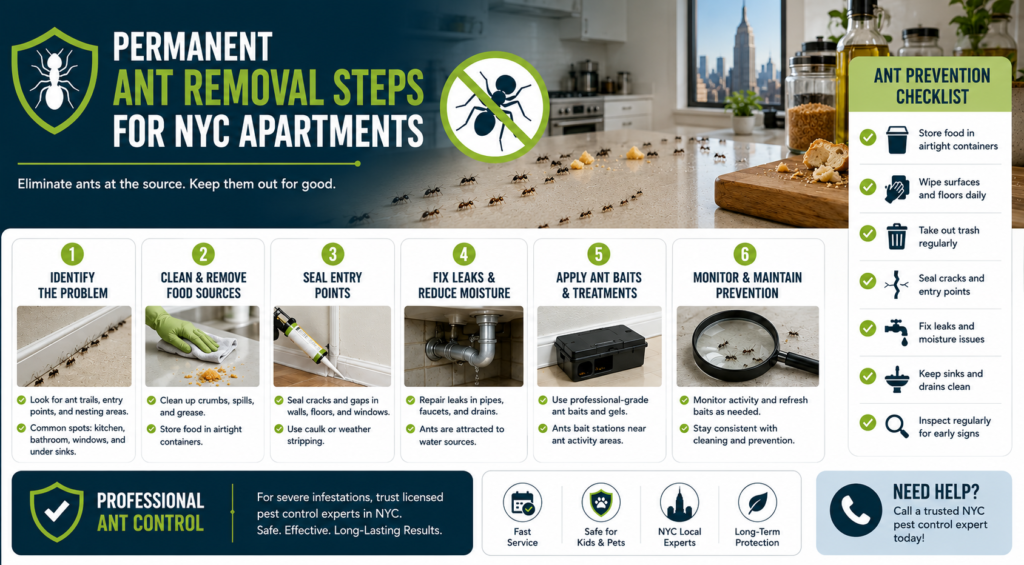
If you’ve spotted a few ants near the kitchen sink, you might think it’s nothing serious. But a handful of ants today can mean a full colony living inside your walls tomorrow. Knowing the early warning signs helps you act before the problem spreads through your entire property. This guide from Best@Pest Exterminating walks NYC homeowners and business owners through the clearest signs of an ant problem, what causes it, and how professional ant control nyc services solve it for good.
Why Ants Invade Homes and Businesses in NYC
New York’s mix of old buildings, shared walls, and busy kitchens gives ants exactly what they need: warmth, food, and easy entry points. Apartments above restaurants, rowhouses with cracked foundations, and offices with break rooms are all common targets. Once a colony finds a reliable food source, it sends out scent trails that guide hundreds more ants to the same spot. That’s why NYC, ant control works best when it targets the colony itself, not just the ants you can see.
7 Signs You Have an Ant Infestation in Your Home
Watch for these signs before the problem grows out of control.
Visible ant trails. A steady line of ants moving along a baseboard, windowsill, or countertop usually means a nest is nearby.
Ants near food and water. Kitchens, pantries, and bathrooms attract ants looking for crumbs, grease, or moisture.
Small piles of dirt or debris. Some ant species push soil or wood shavings out of their nest, leaving small mounds near walls or foundations.
Rustling sounds inside walls. Large colonies can sometimes be heard moving behind drywall, especially at night.
Damaged wood or hollow-sounding beams. Carpenter ants tunnel through damp or soft wood, which can signal both an ant problem and a moisture issue.
Ants appearing after rain. Outdoor colonies often move indoors when soil floods, seeking dry shelter inside your home.
Winged ants indoors. Seeing flying ants inside, rather than outside, often means a mature colony has already settled on your property.
Common Ant Types Found in NYC Homes
Not every ant problem looks the same. Odorous house ants leave a rotten smell when crushed and often nest near sinks or heaters. Pavement ants build small mounds along sidewalk cracks and building foundations. Carpenter ants are larger and can weaken wood structures over time. Because treatment methods differ by species, professional pest control and ant services start with correct identification before choosing a treatment plan.
What to Expect from Professional Ant Treatment
A proper inspection looks at entry points, nesting areas, and food sources both inside and outside the property. Technicians then apply targeted bait and treatment methods that reach the colony, not just the worker ants on the surface. This approach is more reliable than store-bought sprays, which often scatter a colony instead of eliminating it. pest control nyc work also includes a follow-up plan, since ant colonies can take a few weeks to fully die off.
NYC Ant Control Pricing
Cost depends mostly on property size, ant species, and how far the infestation has spread. A single-family home with a localized kitchen problem costs less to treat than a multi-unit building with ants nesting in shared walls. Most NYC providers, including reliable ants pest control nyc teams, offer a free inspection first so you get an accurate quote instead of a flat estimate that doesn’t match your actual situation.
Residential vs Commercial Ant Control in NYC
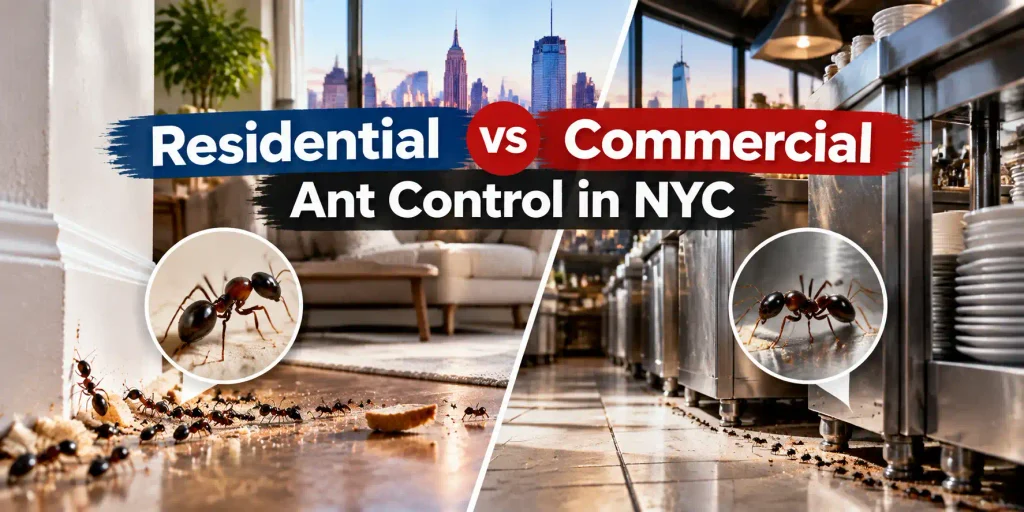
Homeowners usually need one thorough treatment plus a follow-up visit to confirm the colony is gone. Commercial properties restaurants, offices, retail spaces often need ongoing service, since foot traffic and food storage make reinfestation more likely. Commercial properties ants extermination plans typically include scheduled visits and documentation, which also helps businesses stay compliant with health inspections.
Exclusion: Sealing Entry Points to Stop Ants for Good
Treatment only solves half the problem. Ants can enter through gaps as small as a pinhole, so sealing cracks around windows, pipes, and foundations is a key part of long-term prevention. Effective ant treatment nyc plans always include an exclusion step, closing off the paths ants use to get back inside after the first treatment.
Follow-Up Visits and Long-Term Prevention
One visit rarely ends an infestation completely, especially with large or well-established colonies. A second visit checks whether bait stations worked, whether new activity has appeared, and whether additional entry points need sealing. Combining indoor treatment with outdoor perimeter work is part of complete ant and insect control, since ants often nest outside and forage indoors.
Who Is Responsible — Tenant or Landlord?
In most NYC rental buildings, landlords are responsible for pest control in shared spaces and often for individual units too, especially when the infestation stems from a building-wide issue like a shared wall or basement. Tenants should document the problem and notify their landlord in writing before booking service themselves. For property owners managing multiple units, scheduling professional ant control treatment across the building at once is usually more cost-effective than treating units one at a time.
Why Choose Best@Pest Exterminating for Ant Control in NYC
Best@Pest Exterminating has worked with homeowners, landlords, and commercial property managers across NYC and NJ to solve ant problems at the source. Our technicians identify the species, treat the colony, and seal entry points so ants don’t come back. If you need help with a current infestation, our Ant Control Services nyc page has details on how our process works. For properties dealing with more than one pest issue at once, our Pest control nyc page covers our full range of services.
Frequently Asked Questions
1. How do I know if it’s a few stray ants or a real infestation?
If you see the same trail day after day, or notice ants near multiple rooms, it’s likely a colony has settled somewhere inside your home rather than just a few ants passing through.
2. Can I get rid of ants myself with store-bought spray?
Sprays kill visible ants but rarely reach the nest, which means the colony often survives and rebuilds. Professional treatment targets the source instead.
3. How long does it take to fully get rid of an ant colony?
Most colonies are controlled within one to three weeks, depending on size and species. A follow-up visit confirms the treatment worked.
4. Are carpenter ants a sign of a bigger problem?
Yes. Carpenter ants often nest in wood that’s already damp or damaged, so their presence can point to a moisture or structural issue worth checking.
5. Is ant control safe for homes with kids or pets?
Licensed technicians use targeted bait placements and treatments designed to be safe around families and pets when applied correctly.
6. What’s the difference between residential and commercial ant treatment?
Commercial properties usually need recurring visits due to higher foot traffic and food storage, while residential treatment is often a one-time service with a follow-up check.