Marquee Text
Limited-Time Discount: Save $50 on Your First Service as a New Customer!

Author name: fidadhothar@gmail.com

effective way to get rid of pigeons
Pigeons

how to outsmart winged city dwellers in NYC to reclaim your urban space

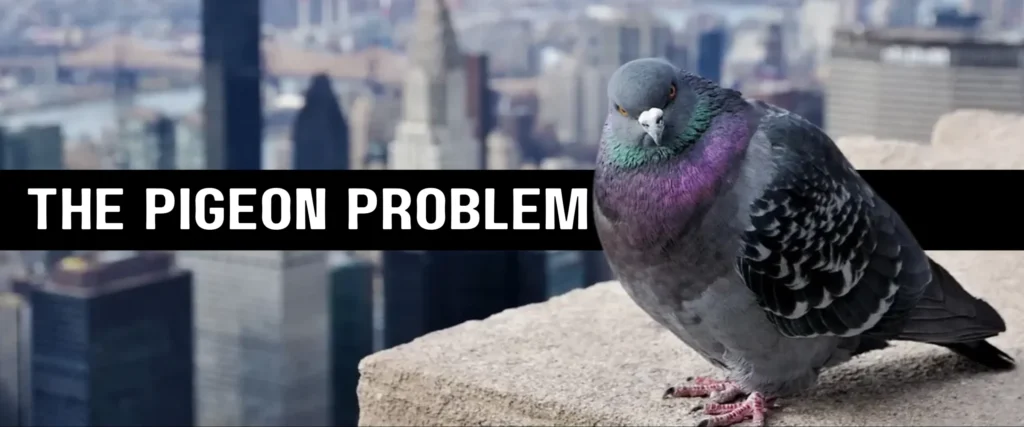
How to outsmart winged city dwellers in NYC to reclaim your urban space Dealing with pigeons nesting and roosting on or near your property can be a nuisance and potentially lead to health and property damage issues. Here are some effective way to get rid of pigeons and birds which can be taken to address the problem of pigeons nesting and roosting: Identify nesting and roosting sites: Locate where the pigeons are nesting and roosting. Common areas include ledges, roofs, eaves, rafters, and trees near buildings. Remove food and water sources: Pigeons are attracted to areas with readily available food and water. Ensure that outdoor food sources, such as spilled birdseed, garbage, and pet food, are cleaned up to discourage pigeons sitting in the area. It has proved to be an effective way to get rid of pigeons. Block access to nesting sites: Prevent pigeons from accessing their preferred nesting and roosting sites by using physical barriers such as bird netting, spikes, wire mesh, or bird slope devices. These barriers can deter pigeons from landing and nesting on your property. Trim vegetation: Remove or trim trees, bushes, and other vegetation near your property that provide roosting or nesting spots for pigeons. Scare tactics: Use visual deterrents such as reflective objects, predator decoys, or motion-activated devices to scare away pigeons. These methods can disrupt their sense of safety and make them seek shelter elsewhere. Repellents: Consider using bird repellents like taste aversions or bird gel to make roosting sites undesirable for pigeons. Always follow the instructions on the repellent products carefully. Professional assistance: If the pigeon problem persists or if it is severe, consider seeking help from professional pest control or wildlife management services. They can assess the situation and provide effective solutions tailored to your specific needs. It’s important to address pigeon nesting and roosting issues promptly to prevent potential property damage, health hazards from droppings, and nuisance behavior. By implementing these strategies and taking proactive measures, you can mitigate the problems associated with pigeons and birds control on your property. How to get rid of pigeons on roof top: Getting rid of pigeons from your roof can be challenging, but there are several strategies you can try to deter them effectively. Here are some methods to consider for removing pigeons from your roof: Install bird spikes: Bird spikes are physical barriers that can be attached to ledges, rooflines, and other surfaces where pigeons roost. The spikes make it uncomfortable for pigeons to land and nest, encouraging them to find another location. Use bird netting: Installing bird netting over areas where pigeons tend to roost can effectively block them from accessing those spaces. Make sure the netting is securely fastened to prevent pigeons from getting underneath it. Apply bird repellents: There are various bird repellent products available, such as bird gels, sprays, and taste aversions, that can discourage pigeons from nesting on your roof. Follow the instructions carefully when applying these repellents. Use visual deterrents: Visual deterrents like reflective objects, predator decoys (e.g., fake owls or hawks), or motion-activated devices can startle and deter pigeons from landing on your roof. Maintain cleanliness: Keep your roof and surrounding areas clean and free of food sources that may attract pigeons. Remove any spilled birdseed, garbage, or standing water that could be appealing to them. Trim trees and vegetation: Pigeons may use overhanging branches or dense foliage near your roof as a landing spot. Trimming trees and vegetation can reduce potential roosting sites for pigeons. Installation of bird shock electric tracks: install where birds are nesting, such as on business signs, under eaves, and on roof ledges. These bird deterrent tracks provide humane electric shock as pigeons try to sit or nest in that area. Seek professional help: If the pigeon infestation on your roof is persistent or severe, consider contacting professional pest control or wildlife management services. They can assess the situation, provide expert advice, and offer effective solutions for removing pigeons from your property. It’s important to address pigeon infestations promptly to prevent damage to your property and potential health risks associated with bird droppings. By combining these methods and taking proactive measures, you can help deter pigeons from roosting on your roof. How to get rid of pigeons on balcony:·            How to keep pigeons away from my balcony? This is the question everyone living in New York wants an answer. Getting rid of pigeons from your balcony can be challenging, but there are several effective strategies you can try to deter them. Here are some methods to consider for removing pigeons from your balcony: Block access points: Inspect your balcony for any openings or gaps that pigeons may be using to access the area. Seal off these entry points with physical barriers like bird netting, wire mesh, or bird spikes to prevent pigeons from landing and roosting. Remove food sources: Pigeons are attracted to balconies with accessible food sources. Keep your balcony clean and free of food crumbs, spills, and pet food that may attract pigeons. An effective way to get rid of pigeons, secure garbage cans and bird feeders to minimize food availability. Use visual deterrents: Install visual deterrents such as reflective objects, predator decoys, or scare balloons on your balcony to startle and deter pigeons. These visual cues can disrupt the pigeons’ sense of safety and make them seek shelter elsewhere. Apply bird repellents: Consider using bird repellent products like bird gels, sprays, or taste aversions designed to make roosting areas uncomfortable for pigeons. Follow the instructions carefully when applying these repellents. Install spikes or wires: Installing bird spikes or wires on ledges, railings, and other flat surfaces on your balcony can prevent pigeons from landing and roosting. These physical barriers create an uncomfortable surface for pigeons to perch on. Scare tactics: Use motion-activated devices that emit noise or spray water to scare pigeons away from your balcony. Alternatively, you can create loud noises or use a water hose to discourage them

Keep your home Ant-free
Ants

Keeping Your Home Ant-Free: Effective Strategies to Stop Ants from Coming Inside

Keeping Your Home Ant-Free: Effective Strategies to Stop Ants from Coming Inside  In this comprehensive guide, we’ll explore proven methods and techniques to keep ants at bay and maintain a pest-free household. From identifying common entry points to implementing proactive measures, you’ll discover practical steps to prevent ants from infiltrating your living space.  Carpenter ants can cause damage to wooden structures in homes, so it’s important to be able to recognize signs of their presence.  Signs of Carpenter Ants: Here are some common signs of carpenter ants in house: 1. Sightings of ants: Seeing large black ants, typically around 0.25 to 0.5 inches in size, inside your home, especially near wooden structures, can be one of the signs of carpenter ants in house. 2. Wood shavings: Carpenter ants do not eat wood like termites but tunnel through it to create their nests. You may find piles of sawdust-like wood shavings, known as frass, near infested wooden areas. 3. Rustling noises: one of the common sign of carpenter ants in house is that sometimes you can hear rustling or crackling noises produced by ants in walls of house or wooden structures as carpenter ants move around and excavate tunnels. 4. Hollow-sounding wood: If you tap on wood that you suspect might be infested with carpenter ants and it sounds hollow, this could indicate that the ants have been tunneling through it. 5. Discarded insect wings: Swarmers (winged reproductive ants) may emerge from the nest during the mating season. After they mate, the male swarmers die, and the female swarmers shed their wings. Finding discarded wings around your home can be a sign of a carpenter ant infestation. 6. Trails of ants: Carpenter ants often travel in trails, so if you see a line of ants moving back and forth between a food source and their nest, this could be a clear signs of carpenter ants in house. If you suspect that you have a carpenter ant infestation in your home, it is recommended to contact a professional pest control service to assess the situation and determine the best course of action to eliminate the ants and prevent further damage to your property.  What attracts ants in the house? The most important question is: What attracts ants in the house? Ants are attracted to various things in and around homes that provide them with food, water, or shelter. Understanding what attracts ants in the house can help you take preventive measures to keep them away. Here are some common factors that attract ants to houses: 1. Food sources: Ants are primarily attracted to food sources. They are particularly fond of sugary substances, proteins, fats, and carbohydrates. Common food sources that attract ants include crumbs, spills, unsealed food containers, pet food, and food waste in trash cans. Food source is the main reason that attracts ants in the house. 2. Water sources: Like all living creatures, ants need water to survive. Leaky pipes, dripping faucets, standing water, and moist areas in and around the house can attract ants in search of water. 3. Entry points: Cracks, gaps, and openings in walls, doors, windows, and foundations provide easy access for ants to enter your home. Ants can find their way indoors through even the tiniest openings. 4. Nesting sites: Ants seek shelter and nesting sites that provide protection and security for their colonies. Wall voids, insulation, attics, crawl spaces, and other secluded areas can serve as attractive nesting sites for ants. 5. Scent trails: Ants leave pheromone trails as they forage for food. These chemical trails help other ants locate the food source and can lead them into your home if not cleaned up promptly. 6. Warmth and shelter: Some ant species are attracted to the warmth and shelter that homes provide, especially during colder seasons. To prevent ants from being attracted to your house, here are some tips: – Keep your kitchen and dining areas clean and free of crumbs and spills. – Store food in airtight containers and promptly clean up food residues. – Seal cracks and gaps in walls, floors, and foundations to prevent ant entry. – Fix any leaky pipes, faucets, or other sources of water to eliminate water sources for ants. – Trim vegetation and remove debris from the exterior of your home to reduce potential ant nesting sites. By addressing these attractants and implementing preventive measures, you can help deter ants from entering and nesting in your house.  Signs and prevention from Ants in walls of house: If you suspect ants in  walls of house, it’s important to address the issue promptly to prevent potential damage and further infestation. Here are some steps you can take to deal with ants in walls of your house: 1. Identify the entry points: Try to locate where the ants are entering the walls. Inspect the interior and exterior of your house for cracks, gaps, or openings that the ants could be using to access the wall voids. 2. Seal entry points: Use caulk or sealant to close off any openings that ants are using to enter the walls. This can help prevent new ants from getting in and may also trap some of the existing ants inside. 3. Use ant baits: Place ant baits near where you suspect the ants are entering the walls. The ants will take the bait back to their nest, helping to eliminate the colony. Make sure to follow the instructions on the bait product carefully. 4. Dust insecticide: If you can access the area where the ants are nesting in the walls, you may consider using an insecticidal dust specifically labeled for ant control. Apply the dust into wall voids according to the product instructions. 5. Consult a professional: If the infestation is severe or if you are unsure about how to effectively treat ants in the walls, it’s best to contact a professional pest control service. They have the expertise and tools to properly assess the situation and provide targeted treatment. 6. Monitor and

Scroll to Top