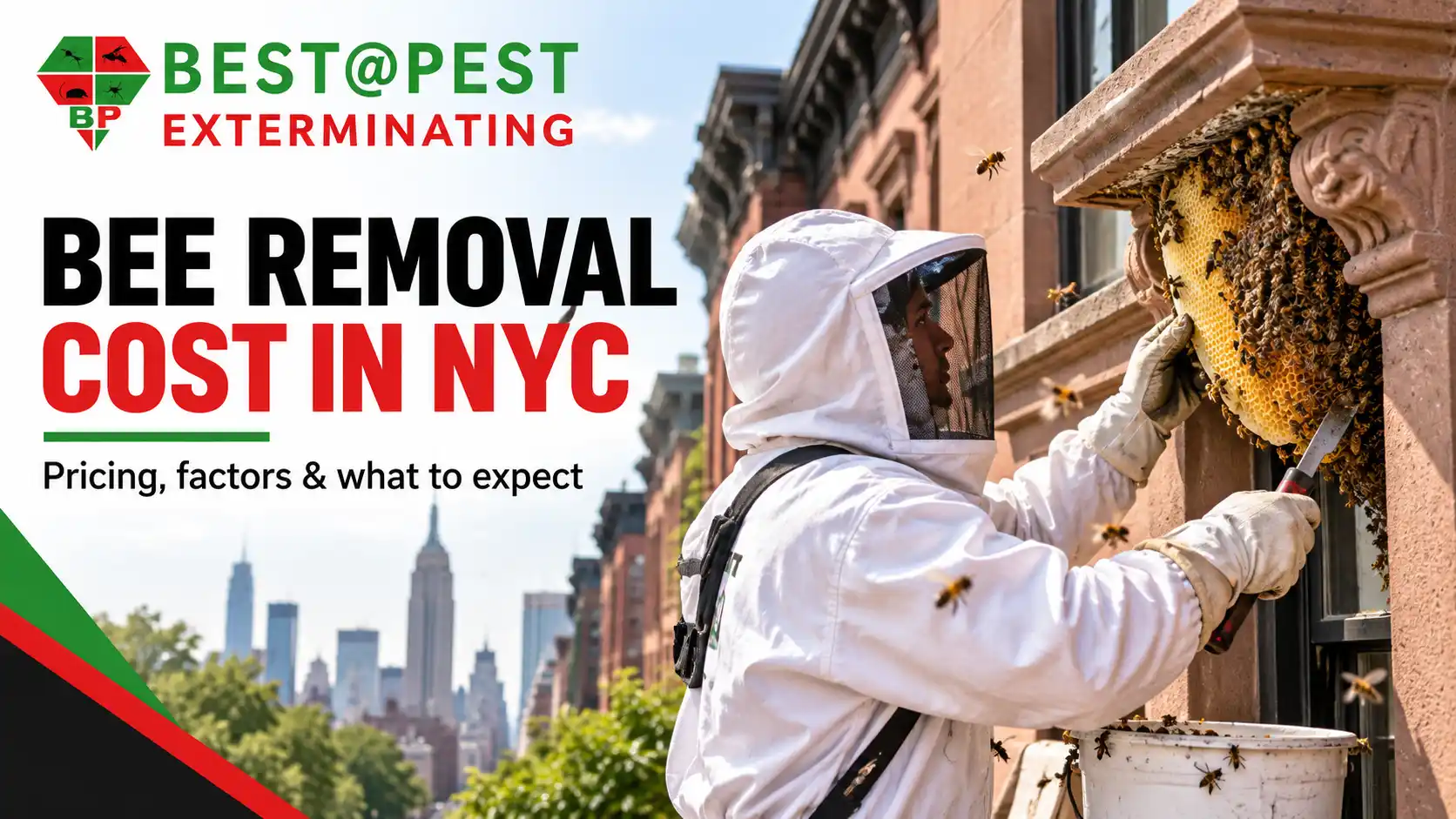
The bee removal cost in NYC commonly ranges from about $150 to $750 for accessible bee activity, while removing an established colony from a wall, attic, chimney, or roofline may cost $500 to $2,500 or more. The final price depends on the bee species, colony size, nest location, building access, removal method, cleanup, exclusion work, and follow-up needs.
These figures are 2026 market estimates, not fixed prices from Best@Pest Exterminating. An on-site inspection may be needed before an accurate quote can be given.
| Bee-removal service | Estimated NYC cost | Why the price varies |
| Inspection | $75–$250 | Identification, property size, travel, and access |
| Accessible swarm removal | $150–$500 | Swarm height, size, urgency, and relocation options |
| Visible exterior nest | $250–$750 | Colony size, location, and removal method |
| Carpenter bee treatment | $200–$750 | Number of holes, damaged wood, and follow-up |
| Hive in an attic or chimney | $500–$2,000+ | Height, equipment, comb removal, and cleanup |
| Colony inside a wall | $750–$2,500+ | Wall access, colony size, honey, sealing, and repairs |
| Complex structural removal | $1,500–$5,000+ | Opening materials, removing comb, sanitation, exclusion, and repair |
Seeing bees enter a wall, roofline, deck, or business entrance? Contact Best@Pest Exterminating to request an inspection and a quote based on the actual location of the colony.
What Does Bee Removal Cost Include?
A bee-removal quote can cover more than applying a treatment to visible insects. The service may include identifying the insect, locating its nesting area, evaluating access, controlling or relocating the colony, removing nest material, cleaning residue, sealing entry points, and arranging follow-up work.
For broader protection from bees and other pests, explore our Pest control nyc solutions for homes, apartment buildings, restaurants, offices, and other properties.
Before approving a quote, ask whether the following items are included:
- Inspection and insect identification
- Treatment or live-removal method
- Removal of the active colony
- Hive, comb, wax, or honey removal
- Cleanup and sanitation
- Entry-point sealing
- Follow-up visits
- Labor and access equipment
- Wall, roof, siding, or ceiling repairs
- Warranty terms, when offered
Structural repairs are often priced separately from pest-control work. For example, a technician may remove a colony and its comb, while a roofer, carpenter, or general contractor repairs the opened area.
Average Bee Removal Cost in NYC by Service Type
The average bee exterminator cost NYC property owners encounter depends heavily on the service required. A small exposed nest is normally easier to handle than a mature colony hidden behind brick, siding, plaster, or drywall.
Inspection, treatment, removal, and exclusion are different services
An inspection identifies the insect and determines whether there is a temporary swarm, an exposed nest, or an established colony. Basic treatment may control active insects, but it may not include opening a wall or removing old comb.
Complete removal can require access to the nest cavity, removal of bees and nesting material, cleanup, and exclusion. The total bee control cost NYC customers pay may therefore be higher when the service addresses both the active problem and the conditions that allowed it to develop.
This distinction matters because abandoned honey, wax, larvae, and nest debris can create odors, stains, or secondary pest activity. Treating insects without evaluating the hidden nest may leave part of the underlying problem unresolved.
For details about professional service options, visit our Bee Removal NYC page.
Bee Removal Prices by Species
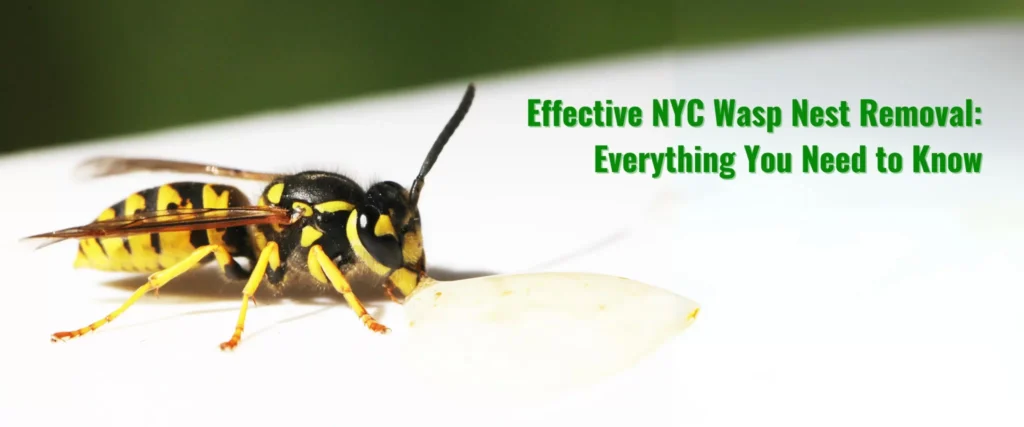
Correct identification is one of the first steps in estimating a price. Honey bees, bumblebees, carpenter bees, wasps, hornets, and yellow jackets have different nesting habits and may require different control methods.
| Bee species or activity | Estimated market range | Common pricing factor |
| Honey bee swarm | $150–$500 | Accessibility and relocation availability |
| Established honey bee colony | $400–$2,500+ | Comb, honey, structural access, and cleanup |
| Carpenter bees | $200–$750+ | Number of galleries and affected wood |
| Bumblebees | $150–$600 | Nest location, colony size, and safety risk |
| Ground-nesting bees | $150–$500 | Area covered and need for intervention |
The estimated honey bee removal cost NYC customers see can be relatively low for an accessible swarm but much higher for a colony containing comb and honey inside a building. A swarm is a temporary cluster searching for a new nesting location. An established colony has occupied a cavity and begun building a comb.
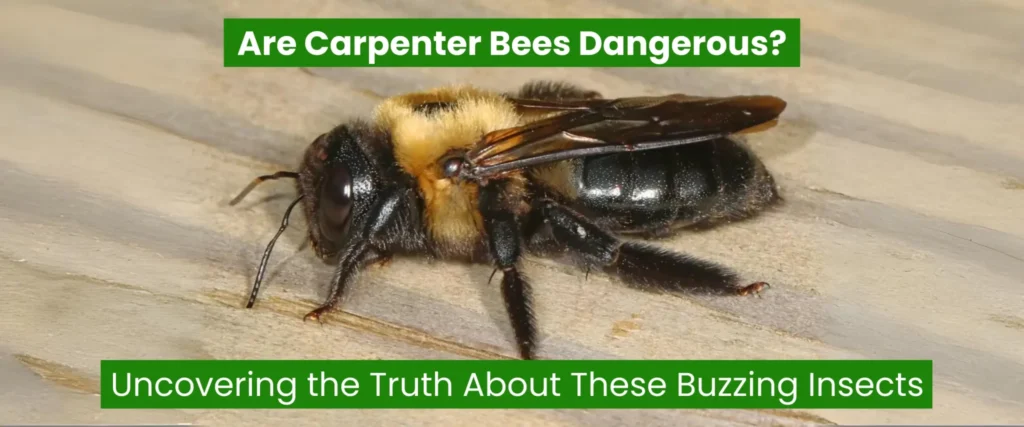
The carpenter bee treatment cost NYC property owners face is based more on the number of wooden surfaces and nesting holes than on one large hive. Carpenter bees tunnel into unfinished or weathered wood around decks, fascia boards, railings, eaves, sheds, and trim.
A typical bumblebee removal cost depends on whether the nest is in soil, insulation, a wall void, or another protected space. Because bumblebee colonies are seasonal, a professional may consider the nest’s location, current risk, and time of year before recommending action.
If you are unsure what is flying around your property, read How to Identify a Bee, Wasp, or Hornet Nest before approaching the area. Identification should be made from a safe distance.
Swarm Removal Versus Established Hive Removal
A swarm may appear as a dense cluster hanging from a tree branch, fence, railing, wall, or other surface. It may remain for several hours or days while scout bees search for a suitable cavity.
Professional bee swarm removal NYC services generally cost less when the cluster is accessible and has not entered a structure. Some beekeepers may collect suitable honey bee swarms at a low cost or without a removal fee, but availability is not guaranteed. Height, parking, travel, scheduling, and safety conditions can still affect the price.
An established colony is different. You may notice bees repeatedly using the same gap in brickwork, siding, a roof edge, or window trim. Once comb and stored honey are present, the work can involve much more than capturing visible bees.
The beehive removal cost NYC property owners receive may include:
- Locating the full colony
- Creating safe access
- Removing bees, brood, comb, wax, and honey
- Cleaning the nesting cavity
- Closing entry points after activity has ended
- Monitoring the treated area
- Repairing opened building materials
A cheap surface treatment may appear to solve the problem for a short time. However, it cannot be assumed to remove comb or resolve every condition inside the cavity.
Cost to Remove Bees From Walls
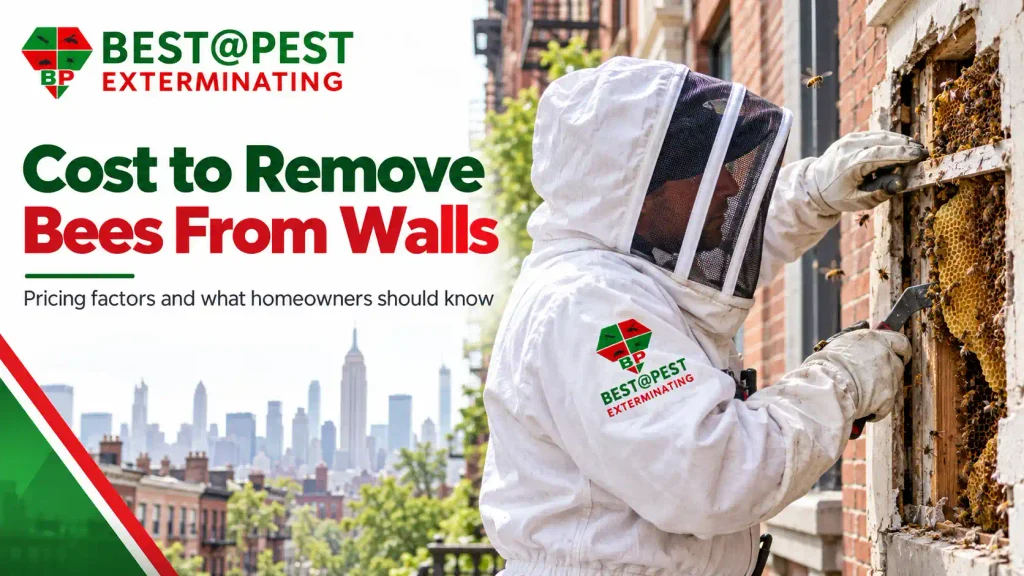
The cost to remove bees from wall cavities is often higher than the cost of removing an exposed cluster. Technicians may need to determine where the colony sits inside the void and identify the safest access point.
The average bees in wall removal cost may begin around $750 and exceed $2,500 for complex work. Large colonies, upper floors, masonry construction, narrow access, stored honey, interior protection, and wall repairs can raise the total.
Wall removal may involve two separate invoices:
- Pest-control or live-removal work to address the colony and nesting material.
- Building work to open, seal, patch, paint, or restore the affected surface.
A phone description is helpful, but it may not reveal the colony’s size or exact position. Photos or videos of the exterior entry point can help with initial planning, provided they are taken from a safe location.
For situations involving aggressive insects rather than bees, review How to Safely Remove Wasps without touching, spraying, blocking, or disturbing an active nest.
Roof, Attic, and Chimney Bee Removal Prices
The estimated bee removal from roof cost is influenced by height, roof pitch, access permissions, fall-protection requirements, and whether the colony is inside a soffit, cornice, flashing gap, or roof void. Scaffolding, lifts, or specialized ladder work may increase labor costs.
An attic bee removal cost estimate may include inspection of insulation, rafters, vents, and roof penetrations. Technicians must also determine whether comb or honey has contaminated insulation or other materials.
The chimney bee removal cost can increase when the colony is deep inside a flue or masonry void. Safe access may require rooftop equipment or coordination with a chimney professional. Homeowners should avoid lighting a fire to force bees out. That can spread smoke through the property, agitate insects, damage comb, and create an additional hazard.
The hidden beehive removal cost is usually impossible to confirm from the visible number of bees alone. A small entry point can lead to a much larger protected cavity. The quote becomes clearer after the species, nesting depth, access route, and amount of removal work are understood.
Carpenter Bee Extermination and Wood Repair
Carpenter bees do not build large communal honey-producing hives. Females create individual galleries in wood. Repeated nesting can leave multiple holes and internal tunnels around decks, fascia, siding, outdoor furniture, and structural trim.
The carpenter bee exterminator cost depends on the number of active galleries, the size and height of the affected area, the treatment method, and the need for repeat service. Painting, staining, filling holes, or replacing damaged wood may cost extra.
Property owners should not immediately seal active holes without a proper treatment plan. Bees may remain inside or create another opening. Timing also matters because developing bees can remain within the galleries.
Main Factors That Affect Bee Removal Cost in NYC
No single flat price fits every property. The following factors have the greatest effect on a quote:
- Species: Honey bees, bumblebees, carpenter bees, and wasps require different approaches.
- Swarm or colony: A temporary swarm normally involves less work than a mature structural colony.
- Nest location: An exposed, ground-level nest is easier to access than one inside a wall or high roofline.
- Colony size: More bees, comb, honey, and nesting material generally mean more labor.
- Building height: Upper floors may require ladders, lifts, roof access, or additional technicians.
- Removal method: Live relocation, targeted treatment, structural extraction, and exclusion have different costs.
- Urgency: After-hours or urgent scheduling may carry an additional charge.
- Cleanup: Honey, wax, comb, dead insects, stains, and odors can require extra work.
- Repairs: Drywall, plaster, brick, siding, soffits, and roofing may need restoration.
- Follow-up: Some situations require monitoring or another visit.
- Property rules: Co-op boards, landlords, property managers, and commercial operators may require authorization or restricted service times.
Learning What’s the Difference Between Wasps and Hornets can help you describe the activity more accurately when requesting an inspection.
Bee Removal Costs by NYC Property Type
New York City buildings create access challenges that national cost guides often overlook. Two colonies of the same size can produce very different quotes when one is beside a ground-floor door and the other is behind a fifth-floor cornice.
Apartments and condominiums
In an apartment, bees may enter through a window frame, air-conditioner opening, façade gap, roof edge, or shared wall. Management approval may be required before a technician can access the roof, exterior, utility area, or neighboring unit.
The occupant should notify the landlord, superintendent, owner, or property manager. Responsibility can depend on the nesting location, the lease, the source of the condition, and whether a common building area is involved.
Brownstones and townhouses
Brownstones can have colonies around cornices, masonry gaps, window trim, rear extensions, rooflines, and aging façade openings. Upper-floor access and historic materials can increase the scope of work.
Single-family homes
Accessible decks, sheds, yards, and low rooflines may be less complicated. Costs increase when bees occupy a chimney, attic, soffit, wall, or hard-to-reach tree.
Co-ops and multi-family buildings
Co-op or multi-family work may require board approval, superintendent access, tenant coordination, insurance documents, and scheduled entry into several areas. These administrative and access needs can influence the quote.
If activity is concentrated around a Brooklyn building, see How to Remove Bees, Wasps & Hornets From Your Brooklyn property for local identification and safety guidance.
Residential and Commercial Bee Removal in NYC
Professional residential bee removal NYC services may cover houses, apartments, condos, brownstones, decks, gardens, garages, attics, and rooflines. The priority is to protect residents, children, pets, visitors, and anyone with a known sting allergy.
The price of commercial bee removal NYC may be affected by operating hours, customer traffic, food-handling rules, delivery schedules, liability concerns, and the need to work discreetly. Restaurants with outdoor seating, retail entrances, warehouses, schools, offices, and managed buildings may require faster coordination than an unoccupied residential area.
Commercial quotes may also include documentation, follow-up monitoring, service reports, communication with building management, and preventive recommendations. An experienced bee exterminator NYC businesses can contact should examine both the nesting site and the way insects are reaching customer or employee areas.
For more seasonal information, read Bees & Wasps in NYC and watch for repeated flight paths rather than attempting to inspect the nest yourself.
Can You Get Affordable or Same-Day Service?
Finding affordable bee removal NYC service should mean receiving the correct scope at a fair price not simply choosing the lowest phone estimate. Ask whether identification, removal, comb cleanup, sealing, follow-up, and repairs are included. A low initial price can become expensive if hidden work is excluded.
Availability for same-day bee removal NYC depends on technician schedules, location, safe access, weather, building approval, and the type of insect. Same-day arrival should not be treated as a promise until the company confirms the appointment.
Requests for emergency bee removal NYC are more urgent when insects are entering occupied rooms, blocking an entrance, affecting a business, or presenting a serious allergy concern. Call 911 if someone has a severe allergic reaction, breathing difficulty, facial or throat swelling, dizziness, or another medical emergency.
Does NYC Remove Bees for Free?
New York City does not generally send the Health Department to remove bees, wasps, or their hives from private property. NYC311 states that residential and commercial property owners are responsible for arranging removal from their premises. Tenants should first contact their landlord or building management. NYC311’s official guidance also explains the separate process for public property and nuisance complaints.
A beekeeper association may sometimes help with an accessible honey bee swarm. However, not every insect is a honey bee, not every swarm is safely accessible, and not every beekeeper provides free collection. Structural colonies involving walls, roofs, chimneys, comb, honey, or repairs normally require a more involved service.
Does Homeowners Insurance Cover Bee Removal?
Standard homeowners insurance often treats routine pest control and gradual infestation as property-maintenance issues. Coverage may be limited or excluded. However, policies and causes of damage vary.
Contact your insurance carrier before authorizing major structural work. Ask whether the policy covers sudden related damage, opening a wall, contaminated materials, honey damage, or repairs after the colony is removed. Request the insurer’s answer in writing when possible.
Landlords, tenants, condo owners, and co-op shareholders should also review their lease, governing documents, and building insurance arrangements. This section is general information and not legal or insurance advice.
DIY Versus Professional Bee Removal
Store-bought products may seem cheaper, but incorrect identification or treatment can increase risk. Spraying an entrance does not confirm that an internal colony, queen, comb, brood, or stored honey has been removed.
Do not climb onto roofs, lean from windows, open walls, block active entrances, or disturb a large cluster. People nearby may be stung, and those with allergies can face a medical emergency. Pesticide use must follow the product label and applicable laws.
Even a guide about How to Remove Wasp Nest Safely should be used to understand risk not as encouragement to handle a hidden or elevated nest without suitable training and equipment.
Professional help is especially appropriate when:
- The species is unknown.
- Bees are entering a wall, attic, roof, or chimney.
- The activity is above ground level.
- The nest is near children, pets, customers, or employees.
- Someone has a known sting allergy.
- Bees are entering occupied rooms.
- Previous treatment did not solve the problem.
- Building materials may need to be opened.
- A business entrance or outdoor dining area is affected.
How Best@Pest Exterminating Prepares an Accurate Quote
A local bee removal company NYC property owners contact should ask questions before giving a firm price. Best@Pest Exterminating can evaluate the type of property, visible activity, likely species, access conditions, and requested service.
When calling, be ready to provide:
- Your borough and ZIP code
- Residential or commercial property type
- The height and location of bee activity
- Whether the nest is visible
- How long the activity has been present
- Whether bees are entering an interior room
- Any known allergy or immediate safety concern
- Building-management or roof-access requirements
- A photo or short video taken from a safe distance
This information can help with preparation, but the full scope may not become clear until the nesting site is inspected.
Frequently Asked Questions About Bee Removal Cost in NYC
1. How much does it cost to remove bees in New York City?
Accessible bee activity may cost approximately $150 to $750. Structural colony removal can range from about $500 to $2,500 or more. Repairs, lifts, scaffolding, extensive cleanup, and difficult roof access can increase the total.
2. Why is removing bees from a wall more expensive?
Wall jobs can require locating the colony, protecting interior areas, opening building materials, removing comb and honey, cleaning the cavity, sealing entry points, and repairing the surface. Basic treatment may not include all these services.
3. Is a honey bee swarm cheaper to remove than a hive?
Usually, yes. A swarm has generally not established comb or stored honey. An established hive requires more labor and may involve structural access. Beekeeper availability and safe accessibility still affect swarm pricing.
4. Who is responsible for bees in a NYC rental apartment?
Tenants should report the issue to the landlord, superintendent, or property manager first. Responsibility may depend on the lease, nesting location, building ownership, and whether the colony is in a common or structural area.
5. Can bees return after removal?
They can return if attractive cavities and entry gaps remain open. A complete plan may include cleanup, monitoring, exclusion recommendations, and sealing after the professional confirms it is safe and appropriate.
6. How can I get a more accurate bee-removal quote?
Provide the property type, borough, bee location, approximate height, duration of activity, and safe-distance photos. Ask whether the quote covers inspection, treatment, colony or comb removal, cleanup, sealing, repairs, follow-up, and warranty terms.
Call Best@Pest Exterminating for Bee Removal in NYC
Bee problems can become harder and more expensive when a colony grows inside a wall, attic, chimney, soffit, or roofline. Early inspection can help identify the insect, clarify the service scope, and prevent unsafe attempts to reach the nest.
For a clear estimate of your Bee Removal Cost in NYC, call Best@Pest Exterminating. We assist homeowners, landlords, property managers, and businesses across Manhattan, Brooklyn, Queens, the Bronx, Staten Island, and Long Island. Request an inspection and receive a quote based on your property not a generic national price.